Overview
Kailash Manasarover Yatra is a spiritual and cultural journey that offers an unparalleled experience, combining the convenience of a helicopter ride with the sacred pilgrimage to one of the most revered sites in Hinduism and Buddhism. This 14-day yatra takes devotees on a transformative journey, starting from Kathmandu, Nepal, and culminating at the holy Mount Kailash in Tibet, where pilgrims seek blessings and spiritual enlightenment. The journey is carefully structured to ensure both comfort and spiritual fulfillment, with ample time for rest, exploration, and contemplation.
The Kailash Manasarover Yatra journey begins with a warm welcome in Kathmandu, where pilgrims are briefed about the yatra and its spiritual significance. After a day of acclimatization, the group embarks on a scenic helicopter flight to Hilsa, a remote border town in Nepal, where the Kailash Mansarovar Yatra officially begins. The flight allows participants to avoid the long overland travel, offering a quicker and more comfortable approach to the sacred lands of Tibet. From Hilsa, the pilgrims cross the Nepal-China border and enter Tibet, where the sacred journey continues toward Mount Kailash.
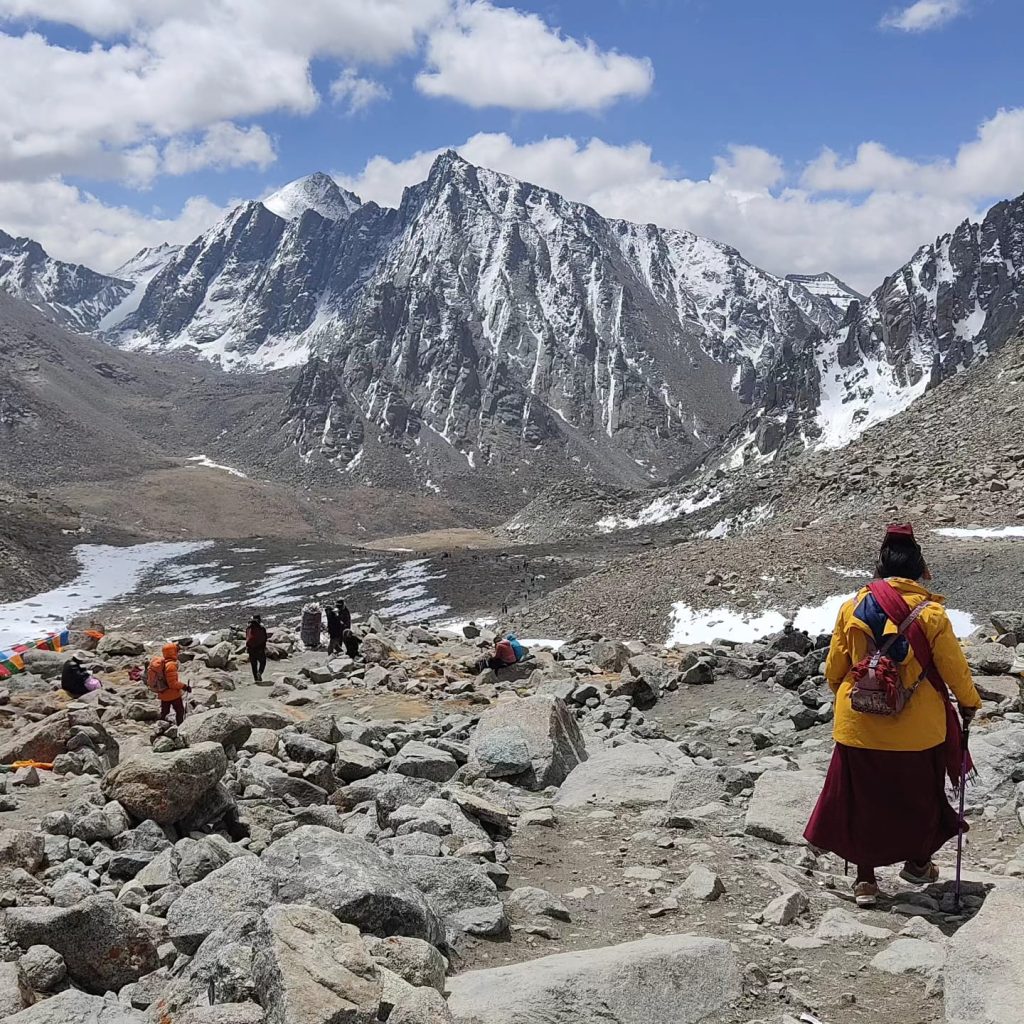
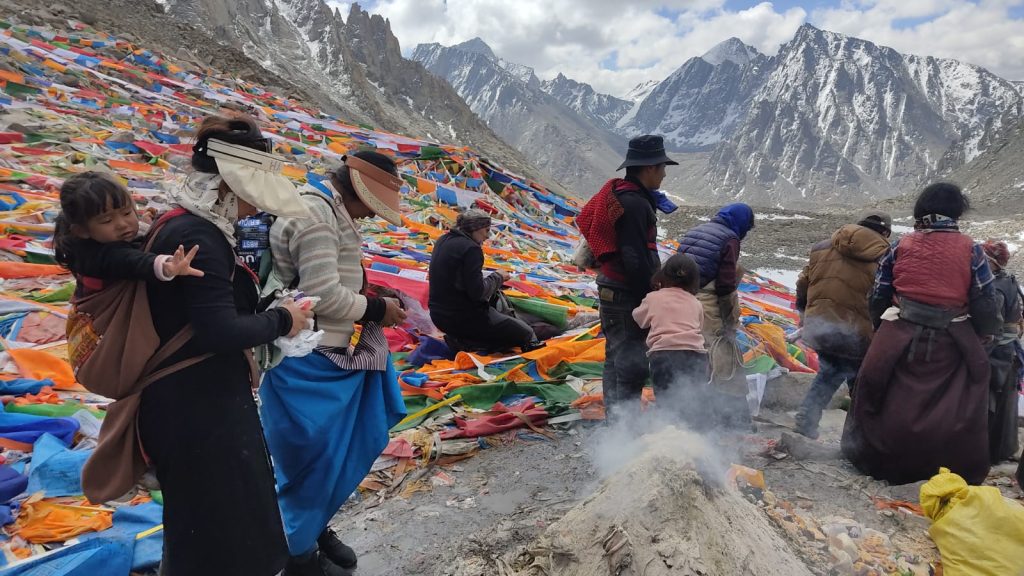
Upon arrival in Tibet, the group is transported to the base of Mount Kailash, a majestic mountain believed to be the abode of Lord Shiva. Mount Kailash holds immense significance as a pilgrimage site, and the yatra involves performing rituals, prayers, and circumambulating the mountain to seek spiritual blessings. The journey around Kailash, known as the “Kora,” is considered an essential part of the pilgrimage. Pilgrims walk the 52 km circuit around the mountain, a process that takes several days and is believed to purify the soul and lead to liberation.
In addition to the Kailash Kora, the yatra includes a visit to the sacred Mansarovar Lake, which is believed to be the place where Lord Shiva meditated. Pilgrims perform holy rituals by the lake, including taking a holy dip in the waters, which is thought to wash away sins and grant divine blessings. The beauty and serenity of the lake, coupled with the stunning views of the surrounding mountains, provide a peaceful and meditative environment for introspection and spiritual connection.
Throughout the journey, pilgrims are supported by experienced guides and support staff, ensuring their safety and well-being. The trip is designed to offer a blend of spiritual enlightenment and adventure, as participants are immersed in the beauty of the Tibetan plateau, the mystical aura of Mount Kailash, and the profound spiritual significance of every step along the way. The Kailash Mansarovar Yatra by Helicopter to Hilsa offers a once-in-a-lifetime opportunity to experience one of the most important pilgrimage sites in the world, all while embracing the beauty and serenity of the Himalayan landscape.
Trip Highlights
- Scenic Himalayan views
- Helicopter ride to Hilsa
- Visit to Mount Kailash
- Mansarovar Lake pilgrimage
- Tibetan cultural immersion
- Spiritual Kora around Kailash
- Expert-guided journey
Includes/Excludes
Cost Includes
- Accommodation: 5 nights double sharing full board basis at 4* hotels in Kathmandu, Simikot, Taklakot, and Darchen; other nights in guesthouses as per the itinerary in Nepal and Tibet.
- Meals: Veg. Indian meals during the trip.
- Flight: Scheduled flight Kathmandu – Nepalgunj – Kathmandu, & Scheduled flight Nepalgunj – Simikot – Nepalgunj.
- Helicopter: Charter helicopter flight shared by 5 persons from Simikot – Hilsa – Simikot.
- Transportation: All arrival & departure transfers, Kathmandu half-day city tour, Tibet transport by tourist bus up to Mansarovar and eco buses from Mansarovar to Darchen Yamdwar, truck for luggage.
- Staff: Nepali team leader and supporting Sherpa team, medical insurance for staff, English-speaking Tibetan guide.
- Visa: Chinese visa fee for clients and staff.
- Kitchen: Guesthouse and camping charges in Tibet, duffel bag (for luggage), Gore-Tex jacket (returnable after trip), all camping and cooking equipment, yak for Kailash Parikrama luggage, entrance and conservation fee for Tibet, Upper Humla permit fee for clients, helicopter landing, Gamow bag oxygen, and oximeter for safety.
- Note: Private vehicles are sometimes restricted from Mansarovar to Kailash, so Chinese Eco Deluxe buses are provided by the Tibet Tourism Authority.
Cost Excludes
- Beverages: All beverages during the trip and in Kathmandu, Nepalgunj, and Simikot.
- Extra Room Charges: Extra room bills due to flight delays caused by weather conditions.
- Equipment: Stick and water bottle.
- Insurance: Insurance for clients and evacuation costs.
- Personal Charges: Personal horse riding charges during Kailash Parikrama.
- Excess Baggage: Domestic excess baggage charges and airport taxes.
- Tips: Tips for supporting staff.
Equipment Checklist
Embarking on the Kailash Mansarovar Yatra by Helicopter to Hilsa requires careful preparation. While the helicopter ride eases the physical demands of the journey, pilgrims will still face the challenges posed by high-altitude conditions, changing weather, and remote locations. Having the right equipment ensures comfort, safety, and a smooth experience throughout the Yatra.
Here’s a detailed Equipment Checklist to guide you in preparing for the Yatra:
1. Clothing & Footwear
The weather in the Kailash Mansarovar region can be unpredictable, with temperatures ranging from freezing cold in the mornings and nights to mild warmth during the day. Dress in layers to stay comfortable at different altitudes.
Clothing:
Thermal Underwear (top & bottom): Essential for maintaining warmth at high altitudes, especially in the cold mornings and evenings.
Warm Fleece Jackets: A good-quality fleece jacket will keep you warm during the colder days and nights.
Waterproof Jacket/Parka: Protects you from rain, snow, and wind, which are common at high altitudes.
Down Jacket or Insulated Jacket: For extreme cold, especially at higher altitudes and during the Parikrama around Kailash.
Comfortable T-shirts and Long Sleeves: For daytime wear, breathable and moisture-wicking fabrics are best.
Hiking Pants: Lightweight, quick-drying, and durable pants for walking and trekking.
Woolen Socks: At least 4-6 pairs of warm woolen socks to keep your feet warm.
Cotton Socks: For wearing with your shoes during non-trekking days.
Thermal Gloves: Woolen or insulated gloves for colder weather.
Sun Protection Hat/Cap: To shield your face from the sun during the day.
Warm Hat (Beanie or Woolen Cap): To protect your head during cold nights.
Scarf/Balaclava: For protecting your face and neck from the cold wind and dust.
Sun Protection Sunglasses: UV-protective sunglasses are important, especially at high altitudes to prevent snow blindness.
Footwear:
Trekking Boots: Comfortable, durable, and waterproof boots with good ankle support for walking on rocky and uneven terrain.
Comfortable Slip-on Shoes: For wearing around the guesthouse or during rest breaks.
Sandals/Flip Flops: For use in accommodations and to give your feet a break during the Yatra.
2. Personal Gear & Travel Essentials
Backpack & Bags:
Daypack (30-40 liters): A small, lightweight backpack to carry your essentials for daily use, such as water, snacks, camera, etc.
Large Duffel Bag (for checked-in luggage): This bag will hold the bulk of your personal items, and it will be transported on vehicles during the Yatra.
Waterproof Cover for Bags: Essential to protect your belongings from rain, snow, or dust.
Hydration & Snacks:
Water Bottle (1-2 liters): Essential to stay hydrated, especially at high altitudes. A durable and reusable bottle is recommended.
Hydration Pack: A Camelbak or similar system can be useful to drink hands-free during the journey.
Snacks: Energy bars, nuts, dried fruits, or any other lightweight snacks to maintain energy during trekking.
Water Purification Tablets/Filter: Optional, but it’s good to have these in case of uncertain water quality.
3. Medical Supplies & Personal Care
Altitude sickness is a concern during the Yatra, so it’s important to carry some basic medications and first-aid supplies.
Medical Kit:
Altitude Sickness Medicine (Diamox): To prevent or treat altitude sickness. Consult with your doctor before taking any medication.
Pain Relievers (Ibuprofen/Paracetamol): For headaches, muscle aches, or other minor pains.
Anti-nausea Tablets: To combat nausea that may result from high altitude.
Band-Aids & Plasters: For any small cuts or blisters.
Gauze, Cotton, and Bandages: For more serious wounds or to wrap sore feet.
Antiseptic Cream: To clean any cuts or abrasions.
Antacids: For digestive issues.
Hand Sanitizer: To maintain hygiene, especially in remote locations.
Insect Repellent: To protect from mosquitoes and other insects.
Sunburn Cream (SPF 30+ or higher): Sunscreen for UV protection, particularly in higher altitudes where the sun is stronger.
Moisturizer & Lip Balm: The high-altitude dryness can chap lips and skin.
Personal Prescriptions: Carry a sufficient supply of any prescription medication you are taking, along with the prescription note from your doctor.
4. Technology & Communication Tools
Although connectivity may be limited in certain areas, it’s important to carry the following tech items for safety and convenience.
Electronics:
Camera/Phone: For capturing the beautiful moments of your journey. Carry extra memory cards and batteries.
Portable Power Bank: To charge your electronics on the go, as charging facilities may be limited in remote areas.
Headlamp/Flashlight: A reliable, small LED flashlight or headlamp for nighttime visibility.
Extra Batteries: Essential for your camera, flashlight, and other battery-operated devices.
5. Miscellaneous Items
Travel Documents:
Passport & Chinese Visa: Ensure your passport is valid and carry the required Chinese visa and permits for the Yatra.
Photocopies of Passport & Visa: Keep photocopies of important documents in case of loss or theft.
Travel Insurance: A comprehensive insurance policy that covers medical emergencies, accidents, and evacuation from high-altitude areas.
Cash in Small Denominations: While most of the journey is organized, small purchases or tips may require cash. It’s advisable to carry some Nepali Rupees and Chinese Yuan.
Miscellaneous Essentials:
Trekking Poles: Lightweight poles to assist in walking, particularly during the Parikrama.
Plastic Bags: For keeping dirty clothes or used items separated from clean ones.
Personal Hygiene Items: Toothbrush, toothpaste, wet wipes, hand wipes, and any other essential personal hygiene items.
Towel (Small, Quick-drying): A compact towel for use during the journey.
Travel Locks for Bags: To secure your luggage.
Notebook & Pen: To jot down your experiences or notes during the journey.
6. Optional Items
While these items are not mandatory, they can enhance your experience during the Yatra.
Prayer Beads: To aid in prayer and meditation.
Camera Tripod: For capturing the best views of the landscapes, particularly during the Kailash Parikrama.
Sunglasses Strap: A safety strap to avoid losing your sunglasses.
Thermal Flask: To carry warm drinks, such as tea or coffee, especially in the cold mornings.
Lightweight Yoga Mat: For meditation or morning stretches in the tranquil surroundings.
Final Preparations
Before embarking on the Yatra, it’s essential to consult with your doctor to ensure you are in good health for the journey. Make sure you have completed any vaccinations, particularly for Hepatitis A and B, and other necessary health checks.
Double-check that all documents, such as your passport, visa, and medical insurance, are in order. Pack everything in a way that allows you to easily access your essential items, and remember to leave space for any items you may acquire during the Yatra.
With the right preparation and equipment, you’ll be well-prepared to embark on this spiritual journey to Kailash Mansarovar and create lasting memories of this sacred pilgrimage.
Essential information
The Kailash Mansarovar Yatra is one of the most revered pilgrimages in the world. It is a spiritual journey that involves visiting Mount Kailash, the holy peak in Tibet, and Lake Mansarovar, a sacred body of water. Pilgrims from various religions, including Hinduism, Buddhism, Jainism, and Bon, embark on this journey with the belief that it purifies the soul and brings salvation.
Introduction to Kailash Mansarovar Yatra
The Kailash Mansarovar Yatra holds immense religious and cultural significance. Mount Kailash is considered the abode of Lord Shiva in Hinduism, while in Buddhism, it is associated with the mythical Mount Meru. The Mansarovar Lake, which lies at the base of Kailash, is believed to be the lake created by Lord Brahma, the creator of the universe, for the purification of the soul.
The Kailash Mansarovar Yatra is not only a physical journey but also a spiritual one, with many pilgrims aiming to complete the Kailash Parikrama, a trek around Mount Kailash. The journey also includes visiting sacred sites, taking holy dips in Lake Mansarovar, and performing rituals. Traditionally, the yatra is a strenuous and challenging trek, often taking weeks. However, the Helicopter Yatra offers a much more comfortable and quicker alternative, making it accessible to a wider range of pilgrims.
Kailash Mansarovar by Helicopter – Overview
The Kailash Mansarovar Yatra by Helicopter to Hilsa is an exciting, modern-day way to undertake the holy pilgrimage with ease. By opting for the helicopter ride, pilgrims avoid the strenuous trekking part and are able to reach Hilsa, a border town in Tibet, directly from Nepal. From Hilsa, they travel by road to Mansarovar and Kailash, completing the pilgrimage with convenience and safety. This journey lasts about 14 days, allowing pilgrims to experience the spiritual and natural beauty of the region without the burden of a long trek.
The journey begins from Kathmandu, Nepal’s vibrant capital, where pilgrims receive a warm welcome and briefings before embarking on their journey. From Kathmandu, pilgrims fly to Nepalgunj, then to Simikot, and finally take a chartered helicopter to Hilsa, a town in Tibet, situated near the border. From Hilsa, the group travels by bus through the mountainous terrain to reach Lake Mansarovar. This unique experience is designed to make the pilgrimage more accessible and manageable, particularly for those who may find the traditional trekking route too challenging.
The Kailash Mansarovar Yatra is a deeply spiritual journey, with pilgrims embarking on it to purify themselves, seek blessings, and obtain spiritual enlightenment. It’s not only about reaching the sacred site, but also about connecting with the divine energies of Mount Kailash and Lake Mansarovar. The journey provides ample opportunities to meditate, reflect, and immerse oneself in the sacred surroundings of the region.
Key Features of the Kailash Mansarovar Yatra
The Yatra is one of the few opportunities for a profound spiritual experience, accompanied by awe-inspiring landscapes, the pristine serenity of nature, and glimpses into Tibetan culture. Here’s what you can expect from this sacred and spiritual journey:
- Mount Kailash: The central focus of the Yatra is Mount Kailash, a 6,638-meter peak in the Tibetan Plateau. It is revered as the seat of Lord Shiva, and the trek around it, called Kailash Parikrama, is a central feature of the pilgrimage. The Parikrama involves trekking around the mountain, which is believed to be the path to spiritual enlightenment and liberation.
- Lake Mansarovar: The other primary destination is Lake Mansarovar, a sacred lake surrounded by the snow-capped peaks of the Himalayas. It is considered one of the holiest lakes in the world. Pilgrims take a ritual dip in the lake, which is believed to cleanse sins and purify the soul.
- Tibetan Culture: The journey allows pilgrims to interact with Tibetan culture, visiting monasteries, temples, and sacred sites that highlight the spiritual life of the region. The region is rich in Buddhist and Bon traditions, and pilgrims will encounter religious practices that date back centuries.
- Ease of Travel: Unlike the traditional, arduous trek, the helicopter ride offers comfort and efficiency. Pilgrims travel via helicopter, avoiding long trekking routes and reaching Hilsa quickly from Simikot, from where they journey by bus to Mansarovar and Kailash.
- Medical Assistance and Support: The Yatra includes provisions for medical assistance, with medical teams accompanying pilgrims throughout the journey. In addition to safety measures like oxygen supply and medical evacuation, there are arrangements for emergency situations in high-altitude environments.
- Spiritual Relevance: The yatra holds significant spiritual importance. Pilgrims seek purification of their souls, with many undertaking the journey to fulfill religious vows, seek blessings for family members, or simply to experience the sacredness of Mount Kailash and Lake Mansarovar.
- Local and Professional Guides: The tour is conducted with the help of professional Tibetan guides, along with Nepali support staff. The guides ensure the safety and comfort of the pilgrims throughout the journey, providing historical, cultural, and spiritual insights into the landmarks and sacred sites visited.
Accommodation and Facilities During the Yatra
Accommodation on the Kailash Mansarovar Yatra by helicopter is provided in a range of guesthouses, hotels, and basic lodges. Since the journey traverses remote and rugged terrains, the accommodation can vary from modern hotels to simple, locally-operated guesthouses in rural areas. However, all accommodations ensure that pilgrims have a safe and comfortable place to rest after each journey segment.
In Kathmandu and Nepalgunj, pilgrims stay in quality hotels with modern amenities, while in Simikot, Taklakot, Darchen, and Mansarovar, the accommodation is more modest but clean and functional. While in Tibet, guesthouses will be available along with basic facilities to ensure that the pilgrims are well-cared for.
Meals During the Yatra
During the journey, vegetarian Indian meals are provided. The meal plans are designed to suit the dietary preferences of most pilgrims, and it ensures that the meals are light and nutritious to sustain energy levels during the journey. Meals typically include chapatis, rice, dal, sabzi, and other vegetarian dishes, ensuring a balanced diet suitable for high-altitude travel.
Special care is taken to ensure that the meals are prepared with fresh ingredients, and the food is hygienic and prepared in a manner suitable for the pilgrims’ health during their sacred journey. In Tibet, meals are often simple, consisting of basic rice and lentils, and the team takes care to avoid spicy or heavy foods, which may cause discomfort in the high-altitude conditions.
The Significance of Kailash Mansarovar Yatra
For many people, the Kailash Mansarovar Yatra is the journey of a lifetime. The Yatra is deeply symbolic and holds great significance across different religions. In Hinduism, Mount Kailash is the sacred home of Lord Shiva, and the lake is believed to be the place where he meditates. The Kailash Parikrama is considered to be the ultimate act of devotion, with each step taken around the mountain believed to bring one closer to spiritual liberation.
In Buddhism, Kailash is believed to be the dwelling place of Buddha Demchok, who represents supreme bliss. In Jainism, it is believed to be the site where Lord Rishabhanatha, the first Jain Tirthankara, attained liberation. Finally, for practitioners of Bon, the indigenous religion of Tibet, Kailash is considered the center of the universe.
Pilgrims of all faiths visit Kailash and Mansarovar with the belief that performing the Yatra grants them spiritual purification, fulfills their wishes, and helps them attain Moksha (liberation).
Challenges and Considerations
While the Kailash Mansarovar Yatra by helicopter significantly reduces the physical strain of trekking, it still presents challenges, especially considering the high altitudes. The journey crosses regions where oxygen levels are low, so pilgrims must be mindful of the potential for altitude sickness.
It is recommended that travelers maintain good physical health before the journey, stay hydrated, and follow medical advice during the trip. The route also involves traveling through rugged landscapes and diverse weather conditions, so pilgrims should be prepared for unexpected delays or difficult terrain.
Safety and Medical Support
Medical support is available throughout the Yatra. Medical teams, including doctors and nurses, accompany the group for emergencies. Oxygen cylinders, medical kits, and other life-saving equipment are available, especially for high-altitude areas. In case of severe health issues, emergency evacuation plans are in place to ensure that pilgrims are safely transported to medical facilities.
FAQs for Kailash Mansarovar Yatra by Helicopter
- What is the Kailash Mansarovar Yatra? The Yatra is a pilgrimage to Mount Kailash and Lake Mansarovar in Tibet, considered sacred by Hindus, Buddhists, Jains, and Bon practitioners.
- How long does the Kailash Mansarovar Yatra take? The Helicopter Yatra takes approximately 14 days, including travel time and acclimatization.
- What is the maximum altitude during the Yatra? The maximum altitude is around 5,600 meters (18,000 feet) at Mount Kailash during the Kailash Parikrama.
- Do I need a visa for the Kailash Mansarovar Yatra? Yes, a Chinese visa, along with specific permits for the region, is required for the Yatra.
- Is the Yatra physically challenging? While the helicopter ride reduces the physical strain, the high altitude and conditions can still be challenging for some individuals.
- What meals are provided during the Yatra? Vegetarian Indian meals are provided throughout the journey.
- Do I need to carry my own food or water? No, food and water are provided during the Yatra. However, pilgrims are encouraged to carry a water bottle and snacks for convenience.
- How do I prepare for altitude sickness? It’s recommended to stay hydrated, avoid alcohol, and take rest during acclimatization.
- Can I take my own luggage? There is a luggage limit for the trip, and it is advisable to bring only essential items.
- What happens if I get sick during the Yatra? Medical teams accompany the group, and evacuation is available if needed.
- Is there Wi-Fi or phone signal during the Yatra? Phone signal is limited, especially in remote areas, but satellite phones may be available in emergencies.
- How can I stay connected with my family during the Yatra? It’s advisable to inform your family about the itinerary and provide them with emergency contact details.
- Are there any special rules or dress codes to follow? Modest clothing is advised, particularly while visiting religious sites.
- What is the cancellation policy for the Yatra? Cancellation policies vary based on the travel operator; it’s best to confirm during booking.
- Can I join the Yatra if I am over 60 years old? Yes, elderly pilgrims can join, but they must be in good health and may need medical clearance.