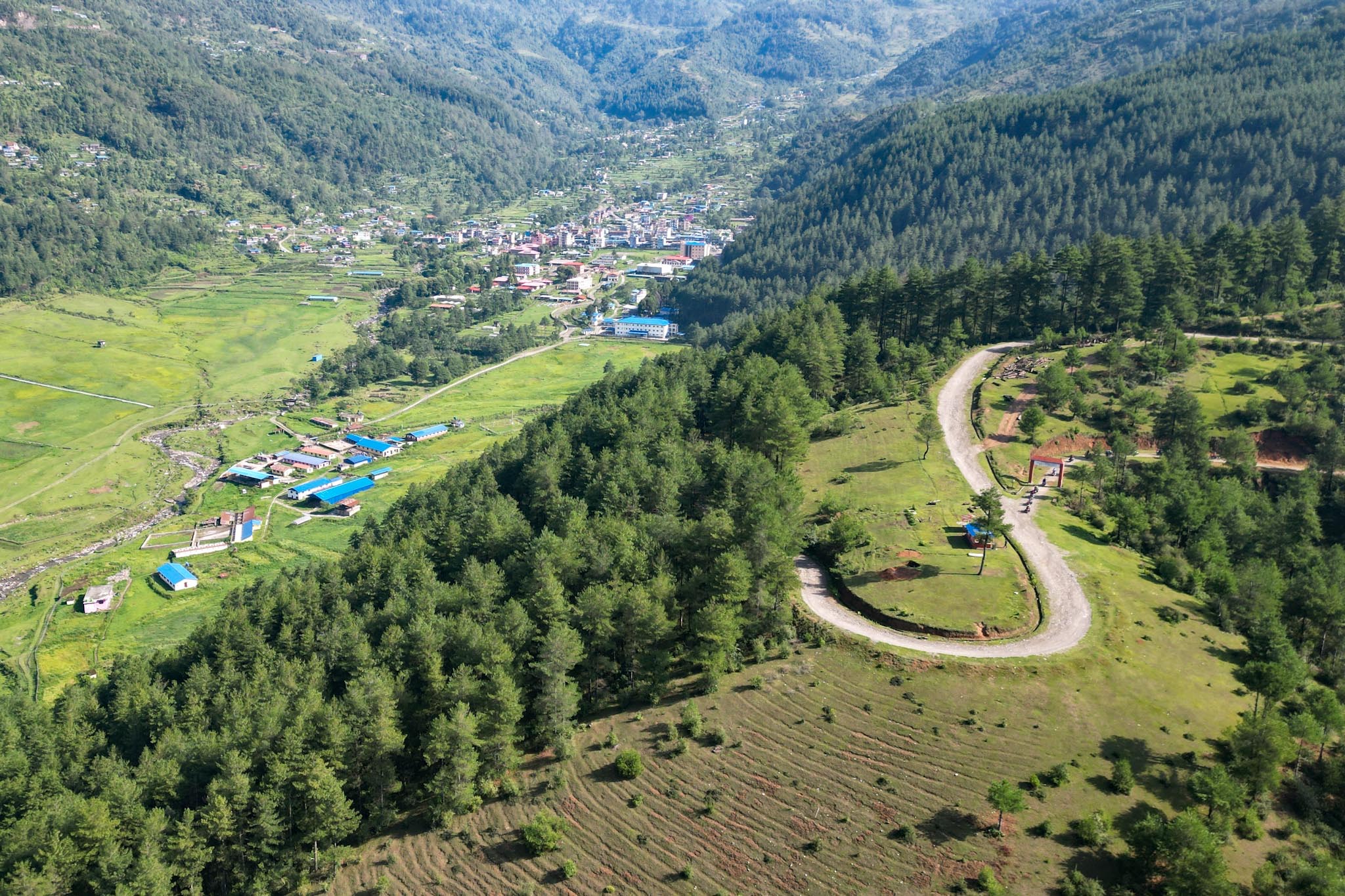
The Jiri Trek is one of the most classic and scenic trekking routes in Nepal. It is famous for offering a serene and gradual approach to the Everest region, allowing trekkers to acclimatize effectively before they reach the higher elevations of the Khumbu Valley. This trek, often referred to as the “Original Everest Base Camp Trek,” is an excellent choice for those looking for a more challenging and authentic trekking experience. Here’s an in-depth look at everything you need to know about the Jiri Trek.
1. About
Located in the eastern region of Nepal, the Jiri Trek is an adventurous journey that connects the lower Solu region with the Everest region. This trek was once the main route used by climbers and trekkers heading toward Mount Everest, before the establishment of Lukla airport. The trek starts in Jiri, a small town in the Dolakha District, and travels through traditional Sherpa villages, lush forests, and alpine meadows before reaching the high-altitude base camp of Mount Everest.
Although it is less frequented today due to the ease of air travel to Lukla, the Jiri Trek offers a more peaceful and tranquil experience. This trail gives you a chance to explore Nepal’s rural heartland while gradually gaining altitude, which is crucial for acclimatization. It’s ideal for trekkers looking for a longer, less crowded alternative to the Everest Base Camp Trek.
2. Best Time to Trek the Jiri Trail
The ideal time for the Jiri Trek is during the autumn (September to November) and spring (March to May) seasons. These months offer the best weather conditions, with clear skies, moderate temperatures, and excellent visibility for mountain views.
Autumn (September-November): The weather is stable, and the trekking conditions are perfect, with minimal rainfall. This is also the peak tourist season, so while it may be busier, the routes are well-maintained and facilities are available in the villages.
Spring (March-May): This is another great time to trek, as the rhododendron forests along the route come to life in vibrant colors. Temperatures are moderate, and it is still relatively dry, making it ideal for trekking.
It’s best to avoid trekking during the monsoon season (June-August), as the trails can be slippery and the heavy rainfall makes trekking conditions difficult. Winter (December-February) is also possible for experienced trekkers but is generally cold, with snow in higher altitudes.
3. Jiri Trek Difficulty
The Jiri Trek is considered a moderate to strenuous trek. It involves long days of walking, ranging from 5 to 8 hours, and takes you through both lower hills and higher altitudes. It requires a good level of fitness as the trek ascends to altitudes of over 3,800 meters (12,500 feet) at the highest point, with the possibility of altitude sickness if not properly acclimatized.
However, unlike the Everest Base Camp Trek, the Jiri Trek offers a more gradual ascent, which reduces the risk of altitude sickness. Trekking here requires endurance, stamina, and mental toughness, as it is a longer and more demanding journey.
The trek’s elevation gain is slower, allowing for better acclimatization. The route also goes through less commercialized areas, making it a perfect choice for trekkers who wish to immerse themselves in authentic Nepali culture.
4. Trekking Route and Highlights
The Jiri Trek begins in Jiri, a town located around 195 km east of Kathmandu. From there, it weaves through a variety of terrains and villages that offer some of the most breathtaking views of the Himalayan ranges.
Jiri to Bhandar
The trek starts in Jiri, where trekkers can explore the town’s small, rural vibe before setting off into the countryside. From Jiri, the trek moves uphill to Bhandar, a charming village with stunning mountain views.
Bhandar to Sete
From Bhandar, the trail continues to Sete, passing through lush forests, terraced fields, and rural villages. This part of the trek is relatively gentle, with occasional uphill climbs. Sete is a great spot to relax and prepare for more challenging sections of the trek.
Sete to Junbesi
The trek from Sete to Junbesi is considered one of the most scenic sections of the Jiri Trek. The route passes through dense forests of rhododendrons and magnolias, offering beautiful views of snow-capped peaks. Junbesi is a small Sherpa village, famous for its stunning monastery and views of Mount Everest in the distance.
Junbesi to Nunthala
After leaving Junbesi, the trail continues towards Nunthala, descending into lush forests before rising again. Along the way, trekkers cross several suspension bridges, and the landscape shifts between valleys and high ridges, providing unique views of the surrounding mountains.
Nunthala to Phakding
From Nunthala, trekkers descend toward Phakding, the entry point into the Everest region. Phakding is a small village situated along the Dudh Koshi River, and from here, the trek officially enters the Everest National Park, signaling the transition into the higher altitudes of the region.
Phakding to Namche Bazaar
From Phakding, trekkers make their way to Namche Bazaar, one of the most famous villages in the Everest region. The trail ascends gradually, passing through pine forests, and crosses several high suspension bridges. Namche Bazaar is the first major stop in the Everest region, where trekkers can acclimatize, rest, and prepare for the next stages of the journey.
From Namche Bazaar, trekkers can head towards the Everest Base Camp or continue trekking around the Khumbu region.
5. Accommodation During the Jiri Trek
The Jiri Trek passes through several remote villages, and accommodation options are typically in teahouses or lodges run by locals. These teahouses are basic but offer cozy and comfortable environments where trekkers can rest after a long day on the trail.
The facilities generally include:
Basic rooms: Rooms with beds, often with shared bathrooms.
Meals: The teahouses serve simple but nutritious food such as dal bhat (lentil soup with rice), noodles, and vegetables. Hot drinks like tea, coffee, and hot chocolate are available throughout the trek.
Electricity: In the lower regions, many teahouses have electricity, though power can be limited in higher regions, and charging devices may come at an extra cost.
While the accommodation is basic, the hospitality of the local people, particularly the Sherpas, is remarkable. In the higher altitudes, facilities can become more basic, and it’s advisable to prepare for colder temperatures.
6. Permits and Documentation
Like any other trek in Nepal, trekkers need to obtain permits to trek in the Jiri area and enter the Sagarmatha National Park (which includes Everest). The required permits include:
Sagarmatha National Park Permit: This permit is required once you enter the Everest region.
TIMS (Trekkers’ Information Management System) Permit: This permit is necessary for all trekkers in Nepal, which helps the government track and manage trekkers’ safety.
Both permits can be obtained in Kathmandu, and it is advisable to go through a licensed trekking agency to ensure everything is arranged before starting the trek.
7. Packing List for the Jiri Trek
Packing for the Jiri Trek involves preparing for varied weather conditions, as you will trek through both lower regions and higher altitudes. Here’s a list of essential items to bring:
Trekking boots (sturdy and waterproof)
Warm clothing (layers for cold nights and mornings)
Sleeping bag (for colder nights)
Waterproof jacket
Hat and gloves
Sun protection (hat, sunglasses, sunscreen)
Personal medical kit (including any personal medications)
Camera and extra batteries
Snacks (energy bars, nuts, etc.)
Water purification tablets or filters
Toiletries (including wet wipes, hand sanitizer, etc.)
8. Health and Safety
As with any trek at higher altitudes, altitude sickness is a concern, although the gradual ascent of the Jiri Trek reduces this risk. Symptoms of altitude sickness include headaches, dizziness, nausea, and fatigue. It’s important to ascend slowly, drink plenty of water, and take rest days when needed to acclimatize.
It’s also essential to have travel insurance that covers trekking in remote regions. Additionally, always trek with a guide or as part of a group for safety, especially in case of emergencies.
9. Cultural Experience
The Jiri Trek offers an authentic cultural experience, particularly with the Sherpa and Rai communities along the route. You’ll have the opportunity to interact with the locals, experience their customs, and visit monasteries. The Sherpas are known for their warm hospitality, and their Buddhist culture is evident in the many monasteries and chortens (stupas) you will encounter along the trek.
Conclusion
The Jiri Trek is a fantastic adventure for those looking for a more immersive trekking experience away from the crowded Everest Base Camp route. Offering picturesque landscapes, diverse cultures, and a challenging but rewarding trek, this journey through rural Nepal allows you to connect deeply with nature and the local communities. If you’re looking for a memorable and off-the-beaten-path trek to Everest, the Jiri Trek is definitely worth considering.