
Introduction: Why Smart Planning Matters in Nepal
Common Mistakes Tourists Make in Nepal (And How to Avoid Them) Mountains rise like stories told for centuries, drawing visitors who want more than just sightseeing. Everest stands tall, yes, but it’s the quiet temples tucked into stone hills that catch your breath too. Footpaths wind through villages where time moves differently, shaped by rituals older than memory. This place doesn’t follow clocks or guarantees – rain can blur trails by morning, then clear by noon. Roads may be rougher than expected, not broken exactly, just built another way entirely. People live close to tradition here; it isn’t performed for guests, simply lived. Few places deliver such raw clarity: beauty without polish, challenge without warning, stillness amid motion. You won’t find everything labeled, timed, or made convenient – perhaps that’s why it stays real. A few wrong moves by new travelers can shake up safety, spending, and fun. Spotting typical slip-ups – then steering clear – might just shape your Nepal adventure into something steady and unforgettable. Picking an unsuitable travel period trips up plenty of visitors. From flat southern fields to peaks touching the sky, Nepal shifts wildly in weather across elevations and months. Vacations often get scheduled around free days at work instead of smart climate choices. When rains pour between June and August, trails vanish under mud, summits hide behind clouds, flights sit grounded without warning. Mountain sightseeing fades into fog during these soaked weeks. Mud sticks to boots on forest paths, while leeches wait near the ground in warmer zones. Higher up, snow arrives early when winter sets in, blocking ridge crossings and narrow climbs. Trails like the Annapurna Circuit turn tough – or vanish under ice – when weather worsens. Instead of risking cold storms, many choose springtime or fall, when mornings stay bright and air feels steady. Seeing peaks clearly happens most often between seasons, not during them. Choosing months that fit what you want to see changes how safely you move through the hills.
Picture this – trekking in Nepal isn’t just pretty views and gentle paths. Some folks think it’s like strolling through a park, yet reality hits fast once boots hit trail. High up, each step pulls more from your lungs than expected. Instead of flat roads, you face rocky ridges, endless staircases carved into mountainsides. Just moving forward takes grit when air thins past 4,000 meters. Journeys to spots such as Everest Base Camp test patience, body limits, how well you adapt to height. Success hides less in gear, more in stamina built long before arrival. Some travelers show up unready, then face tiredness, sore muscles, or headaches from elevation. Months ahead matters most. Running, walking uphill, lifting – these quietly toughen the body over time. Pick a route matching how strong you are now; add slow days on purpose. That shift cuts danger while deepening satisfaction.
High up in Nepal, altitude sickness sneaks in quietly – often overlooked by those arriving wide-eyed. Though mountains pull people toward sky-high trails, bodies need days to adjust when air gets thin. Headaches creep in first, sometimes followed by vomiting or lightheadedness, breathing turning shallow if warnings are brushed aside. Rushing forward without rest turns small discomforts into dangerous trouble, especially when summits call louder than caution. High altitudes might trigger serious health issues needing urgent descent. Patience turns out to be the best defense. Move up slowly, drink plenty of fluids, maintain nutrition – spot symptoms early. Smart route plans build in rest days so the body adapts naturally. Trusting seasoned leaders and honoring personal boundaries isn’t giving up – it’s how survival works.
Going to Nepal at the Bad Time of Year.
Season Choice Matters
Up high, Nepal feels colder. Down low, it stays warm. Travelers pick flight times that fit their schedule. Few check what the weather will actually do. When rains arrive, trails turn slick. Hills slide without warning. Peaks hide behind thick clouds. Snow piles up where paths climb steep. Winter blocks those crossings completely. Roads shut without notice. Even famous walks change fast when storms hit hard.
When to Go to Nepal?
- Spring (March–May)
Fresh air under wide-open heavens greets travelers as flowers open their bright faces to the sun. Trails unfold easily beneath steady feet when days warm just enough. Mountains call loudest now, not with noise but presence.
- Autumn (September–November)
Sunshine holds steady, while clear skies open up the trails – comfortable warmth follows each step. Weather like this moves at a gentle pace, yet keeps everything sharp and bright.

When the season treats you well, going there feels safer. Scenery lifts spirits most when timed right. A trip like that sticks in memory because everything lines up just so.
Underestimating Trek Difficulty
Trekking in Nepal Requires Physical Effort
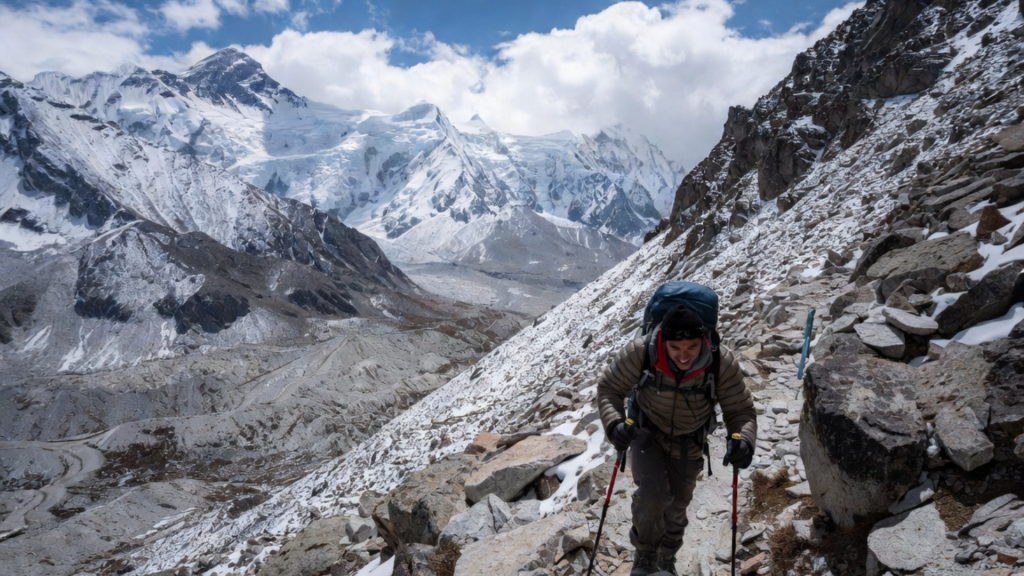
Some folks picture trekking like a calm stroll across pretty views. Yet on Himalayan paths, it takes steady strength, focused willpower, together with regular physical push each day. Getting to spots like Everest Base Camp means hours of walking, climbing sharp slopes, also facing thin air up high.
Getting Ready the Right Way
- Physical Preparation
Start moving your body with runs, walks on trails, or lifting weights about six weeks before you leave. A few months ahead gives enough time to build up stamina slowly. Doing these things helps your legs and lungs prepare without feeling overwhelmed later. Trails or gyms work just fine – pick what fits your days better. Some find morning movement sticks best into routine. Others fit it after work when energy dips low. The key is showing up consistently even if sessions feel short. Muscles remember repetition more than perfect effort.
Choosing Your Trek
Pick paths matching how fit you are, along with what hikes you’ve done before.
Include Acclimatization Days
- Fewer problems pop up when climbers rise slowly – chances of reaching the top improve too.
- Ahead of time, getting ready builds belief in yourself while reducing avoidable effort. Though small steps matter most, they quietly lower the stress that comes uninvited.
- Not Paying Attention to High Altitude Health Risks
Understanding the Danger
High up in Nepal’s mountains, altitude illness poses a real danger. Headaches or feeling sick might start small, yet grow worse fast when overlooked. Rising too fast trips up plenty of visitors who skip proper rest stops along the way.
- Prevention Strategies
- Finding your rhythm with elevation keeps treks safer.
- Skipping Travel Insurance
Why Insurance Matters?
Far-up mountain spots often lack proper clinics. When trouble hits, a chopper ride out might be needed – those lifts into the air sometimes run up bills in the thousands.
What Your Policy Covers?
- High-Altitude Trekking
- Go past four thousand, maybe even five thousand meters up high.
- Emergency Evacuation
- Helicopter rescue must be included.
- Medical Treatment
- Coverage for hospital stays must appear plainly in the document. Emergency treatment details need clear placement too.
A full coverage plan brings calm when surprises hit. Despite uncertainty, having protection helps. When things go sideways, knowing you are covered matters. Through rough patches, this kind of backup makes a difference. Unexpected moments feel less heavy with support in place.
Confusion About Trekking Permits
Understanding Permit Requirements
Getting into certain trekking zones in Nepal means having the right paperwork. Some visitors show up not knowing that. Areas like Upper Mustang are off-limits without extra documents, even if you have regular passes.
- Prevent Problems With Permits
- Research Before Arrival
- Finding what’s needed starts by looking up rules where you plan to go.
- Work With Licensed Agencies
- Filing gets done fast when pros run the trips.
- When you know what’s happening, things move without hiccups. Surprises fade when details are clear.
- Poor Packing Decisions
Common Packing Mistakes
Starting off on the wrong foot happens when travelers lug around oversized bags or leave key items behind. Wrong shoes might be a problem, particularly if there is no way to stay dry once arriving in places such as Lukla. Cold weather catches people unaware without proper jackets or insulation. Sometimes it rains where planes land near mountains – preparedness makes that less painful.
- Smart Packing Strategy
- Use Layered Clothing
- Facing shifting temps? Stay ready without thinking twice.
- Wear Shoes That Fit Well
- Strong hiking shoes mean fewer chances of getting hurt on trails.
- Pack Light But Bring Only What You Need
- What matters most is how well it works, not how many there are.
- A well-packed bag moves with you, not against. Comfort grows when gear has its place.
- Cultural Misunderstandings
Respecting Religious Traditions
Pilgrims walk barefoot through temple gates at dawn. Places such as Pashupatinath and Boudhanath hum with prayer, alive long before visitors arrived. Spirit runs thick here, older than sightseeing.
- Cultural Etiquette Tips
- Dress Modestly
- When going to temples, make sure your shoulders and knees are covered.
- Remove Shoes
- Bare feet are expected at sacred places. Shoes stay outside, without exception.
- Ask Before Photographing
- Always ask before photographing individuals or ceremonies.
- Travel feels better when cultures are honored. A simple nod to local ways opens doors without words. What matters shows up in small gestures, not grand plans. Respect grows quietly where curiosity leads. Meaning sticks around long after photos fade.
- Poor Budget Planning
- Hidden Travel Costs
Flying inside Nepal isn’t always cheap once you start counting trips. Permits take a chunk, especially if plans shift halfway through. A guide might seem optional at first, yet turns necessary when trails blur into snow. Meals on higher routes cost more than city menus suggest. Even plugging in a phone at a lodge carries a fee most forget to budget. What looks low upfront often stretches further.
- Budgeting Smartly
- Cost Breakdown Details
Permits come first, then travel arrangements follow. Lodging gets sorted after that. Daily costs are covered too, one step at a time. Each piece fits without overlap.
- Keep Emergency Funds
- Set aside more money to cover holdups or surprises.
- Paying close attention to spending keeps worries away while you travel.
- Relying on Old Information
Why Information Keeps Changing?
One moment things are clear. The next, snow blocks a mountain pass. Schedules shift without notice. Rules posted online last year might not work today. Old travel posts often miss these shifts. What worked before could fail now.
- Staying Updated
- Verify Official Sources
- Stay up to date with current travel rules by reviewing official alerts first. What you need to know changes often – always verify before moving forward.
- Consult Local Experts
- Folks who live here share what they see as it happens.
- Accurate information ensures smoother travel planning.
- Skip cultural and city experiences
Nepal Is More Than Mountains
Not just about mountain paths, Nepal holds stories in stone temples where travelers often miss the details. City corners hum with spice-laced air, sudden drumbeats during festival days breaking quiet mornings. Stone carvings watch centuries pass while visitors rush toward higher ground. Meals served on brass plates tell history without words, colors explode in street parades most never see.
- Balance Adventure With Culture
- Explore Heritage Sites
Footsteps echo near ancient temples, then quiet lanes of old homes appear. Old stone paths lead toward daily life in lasting places.
- Try Authentic Cuisine
Try regional meals and snacks on the go – do it with care. What you eat can tell a story, so choose wisely when exploring flavors out loud.
- Engage With Communities
Fresh talks stick around long after trips end. A chat here, a laugh there – moments glue themselves to places differently when words carry weight.
Starting fresh each morning helps cover both mountains and villages. One moment you’re walking through foggy trails, next thing – markets buzz under stone temples. Pausing at tea houses links city rhythms with quiet valleys. Travel shifts slowly, matching how locals move across seasons.
Unrealistic Transportation Expectations
Delays Are Common
Flying over mountains depends on how the sky looks that day. When storms hang low, planes stay grounded. Remote roads often turn bumpy after rain. Dust kicks up behind slow-moving vehicles. Anyone used to clocks and timetables might struggle with waiting. Delays happen without warning. Patience becomes necessary when nature decides the pace.
- Embrace Flexibility
- Add Buffer Days
- Build in spare time on your trip for when things run late.
- Adjust Your Mindset
- Surprises? Just another twist in the journey.
Staying calm helps when plans shift across Nepal’s winding roads. A loose schedule opens doors to unplanned moments along mountain trails.
Conclusion: Travel Smart and Experience Nepal Fully
Mountains rise sharp against clear skies, revealing trails older than memory. Travel during monsoon months often brings soaked clothes, muddy paths, leaving plans washed out by rain. Trekking routes that seem manageable on paper turn long, slow when air thins at higher ground. Altitude doesn’t warn – it strikes quietly, making rest a necessity, not an option. Insurance feels distant until sudden illness demands evacuation by helicopter. Permits aren’t just forms; missing one halts movement at remote checkpoints. What fits neatly into a bag may leave essentials behind, like warm layers or water purifiers. Gestures matter: stepping forward barefoot into temples offends unseen rules. Respect unfolds slowly, learned through watching, listening, staying quiet. Beauty hides in moments between destinations – the shared rice meal, laughter across language gaps. Planning too rigid breaks fast when roads wash away or flights delay without notice. Flexibility becomes strength when schedules dissolve overnight. Humility grows where nature dwarfs human effort. Journeys deepen not because of peaks reached but silences felt along the way. Meaning arrives unannounced, stitched into days shaped by patience.