

-
Domestic flights (Kathmandu–Lukla–Kathmandu), private vehicle
-
Minimum 2 – Maximum 12 participants
-
5,545 m
-
Standard hotel
-
Challenging
-
Kathmandu, Nepal
-
Kathmandu, Nepal
-
Spring and autumn.
-
English-speaking guide.
-
Trekking
-
English ( other on Request)
-
Full board on trek, breakfast in Kathmandu.
Overview Everest Three Pass Trek -20 Days
Everest Three Pass Trek -20 Day is a raw path through Nepal’s tallest wilderness. Above 5,000 meters, where air thins and paths narrow, hikers meet Kongma La first, rising steep at 5,535m into silence. Then comes Cho La, carved by ice, sharp underfoot at 5,420m, linking slopes few routes dare touch. Renjo La follows, lower at 5,360m yet just as fierce when winds roll in from shadowed glaciers. Villages appear between passes, small clusters of stone homes tucked beside frozen streams. Locals move slowly here, used to altitude, their lives shaped by seasons and mountain rhythms. Peaks crowd every horizon: jagged teeth cutting across skies that shift fast from blue to storm. This trail skips popular hubs, instead winding through corners untouched by crowds. Fitness matters – strong lungs, steady legs – but so does patience when weather stalls progress. Each day unfolds differently: rock fields at dawn, snowfields by noon, prayer flags fluttering above ridges. Views stretch far, yes, but more stands out – the quiet mornings in tea houses, smoke curling from stoves. Not many make it; those who do carry stories no photo fully captures. The land stays cold long after you leave.
One moment you’re walking beneath pine trees, next you’re crossing rocky slopes left behind by ancient ice. Usually takes about three weeks to finish, give or take a few days depending on how fast you move and how well you adjust to thin air. People wonder – how long does it really take? Around twenty days tends to work best, leaving room to breathe at height and cross those big mountain gates without trouble. Cutting it short might seem possible, yet moving too quick brings danger from elevation and skips quiet moments near prayer flags, village trails, distant peaks glowing at dawn.
Starting at Lukla Taking the First Steps
Up high above Nepal, a plane carries travelers from Kathmandu toward Lukla, landing on a narrow strip wedged between mountains. This tiny airport sits at 2,860 meters, acting as the starting point into Khumbu’s wild trails. Footsteps head forward from there, tracing paths past Phakding – a bright little settlement tucked beside rushing water – onward up slopes to Namche Bazaar. Known widely as the heart of Khumbu life, this town pulses with movement: porters shifting loads, shops stacked with warm clothing, voices trading stories in different tongues. Time slows just enough for visitors to climb nearby ridges for wider views, step inside a small museum honoring Sherpa heritage, or sit still absorbing peaks that stretch beyond sight.
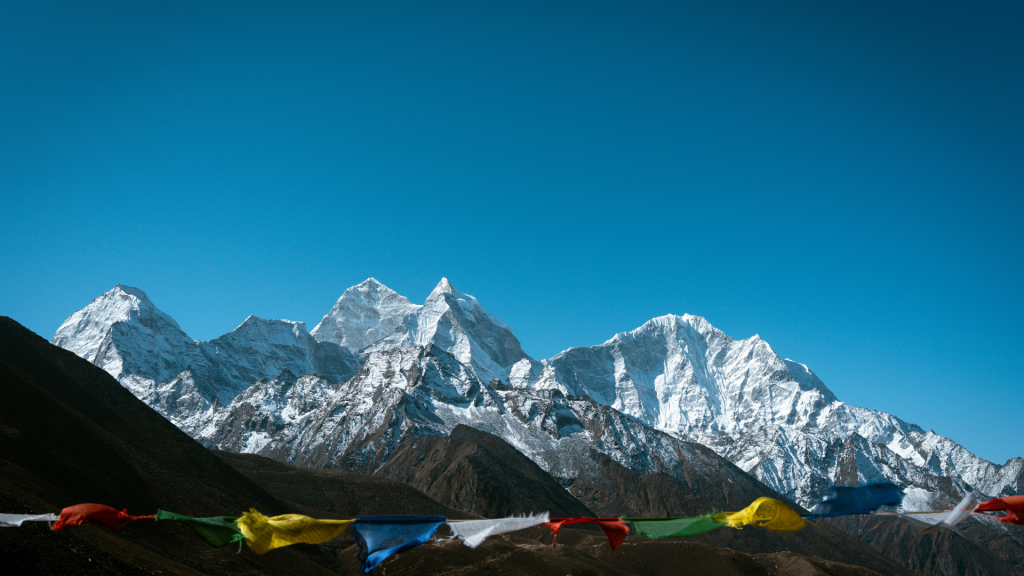
Everest Three Pass Trek -20 Days Through Sherpa Villages and Monasteries
Past Namche Bazaar, paths lead toward Tengboche – home to a monastery that clings to views of Ama Dablam like morning mist. Through thickets of rhododendron, silence breaks only by the creak of wooden bridges swinging above icy river flows. Stone staircases appear now and then, worn smooth underfoot, guiding travelers up uneven terrain. Spirituality threads through these hills; prayer wheels spin slowly beside weathered mani stones. Inside the temple at Tengboche, incense curls around chanting voices during daily rituals. Moments like these shift perspective – mountains matter, yes, yet so do quiet courtyards where culture breathes between ancient walls.
The Three High Passes Information
What stands out on this journey is the route over three towering mountain crossings – Kongma La, Cho La, then Renjo La. Every one brings its own test. Starting with Kongma La, usually approached from Lobuche, you move across jagged ridgelines and frozen inclines. Rising to 5,535 meters, it opens wide sights of Makalu, Island Peak, along with nearby ice fields. Moving slowly matters here; steady breathing helps handle the lightness of air up high.
Midway through, the path climbs toward Cho La – a stretch carved by ancient ice, needing sharp footwork on slippery slopes. Ice stretches wide here, cracked open in places, with soft snow sometimes hiding dangers below; gear matters, so does knowing when to pause. From the top, peaks rise like jagged teeth – Everest, Lhotse, Ama Dablam – etched against sky, silent and massive, seen only by those who made it across.
Over the top of Renjo La, the last high point, views spill out across the Gokyo Lakes and nearby giants of rock and ice. The bright blue waters catch the sky while mountains rise behind them like silent watchers. After descending from this ridge, paths rejoin the broader network, guiding walkers either to Namche or Lukla based on which way they came. Reaching the far side means closing the loop, step by steady step.

Acclimatization and Safety
Starting high up means giving your body time to catch on. Rest stops show up on purpose at Namche, then later in Dingboche, finally Gokyo along the Everest Three Passes route. Because of these pauses, people gain strength against thin air instead of getting hit by sickness fast. Safety climbs when experts lead – going it alone brings too much risk when paths turn tricky and skies shift without warning. With someone who knows glaciers, you move smarter, learn small truths about villages nearby, stay aware beyond just survival.
Trek Distance Difficulty Duration
One big thing people think about? How far they will walk on the Three Passes Trek. Usually it stretches 120 to 130 kilometers – though that shifts a bit if someone starts earlier, veers off track, or detours toward Gokyo Lakes or lingers near Everest Base Camp. From Lukla, sitting at 2,860 meters, the path inches upward through quiet Sherpa homes, thick woods, then bare mountain zones. Its peak comes at Kongma La, standing tall at 5,535 meters. Hikers also push across two other major points: Cho La, just below at 5,420 meters, followed by Renjo La at 5,360 – and yes, ice rivers, boulder piles, and jagged edges mark those paths.
Some days mean walking just eight kilometers. Other times you might push close to fifteen. Each stretch tends to fill five through eight hours on foot. Trail shape plays a role. So does elevation. Personal stamina matters too. Steep climbs show up often along the path. High ground stays present throughout. Glacier paths cross your route now and then. Fitness helps handle these demands. Preparation makes a difference. Altitude adjustment becomes necessary during the trip. That is why pauses appear at certain spots. Places like Namche Bazaar give time to settle. Dingboche offers similar breaks. Gokyo works the same way. These stops help bodies adapt slowly. They lower chances of feeling mountain sickness. Safety improves because of them. Enjoyment grows alongside.
Getting through the Three Passes Trek isn’t easy; it leans more toward tough than mild. No ropes or ice axes needed, yet solid boots, strong legs, and smart planning matter a lot. Snow covers paths now and then, wind pushes hard at altitude – first-timers might struggle. Move slow on certain days, drink water often, adjust height wisely – it keeps energy steady. Instead of rushing, take time: villages appear, peaks open up, valleys unfold quietly. Long miles, thin air, beauty that surprises – this path stands out near Everest.
Cost and budget planning
Figuring out how much the Three Passes Trek will set you back matters a lot – prices shift dramatically based on choices like how long you go, what kind of trip it is, and exactly what’s covered. Some folks pick group trips that come with clear routines and help along the way; others head out solo, saving money though needing more prep work upfront. When going with a guide, things like entry papers, lodging in mountain huts, food every day, an experienced local leader, plus someone to haul gear are usually part of the deal. Everything bundled means fewer surprises, better backup if trouble hits, deeper conversations with villagers – real handy for newcomers tackling steep trails above the clouds.
On your own, you might spend less money. Yet sorting out where to sleep, what paperwork to carry, and where to eat? That lands straight in your hands. Even if you have done many hikes before, walking with someone who knows the glaciers and steep trails makes sense. Permits like the one for Sagarmatha National Park and the TIMS card aren’t optional – they’re required here. Gear that fits well, clothes ready for cold, flights linking Kathmandu, Lukla, and back again add up quietly. Don’t forget moments when plans shift – extra days, sudden weather, or needing help fast.
Meals and lodging along the route usually come at reasonable prices, since teahouses serve everyday meals such as dal bhat, noodle bowls, warm soups, plus small bites. Higher up, spots like Gorak Shep or Gokyo tend to charge a bit more because bringing supplies there gets tough. Because the path climbs steeply through rough country, hiring help in the form of guides or porters tends to pay off – safety improves, movement flows easier, cultural moments deepen across this demanding adventure.
When to Go Hiking?
Timing makes all the difference on the Three Passes Trek – safety and experience hinge on it. Spring draws near between March and May, a window when snow softens but monsoon has not yet arrived. Skies then stay open, paths remain firm underfoot, views stretch unbroken across peaks like Everest, Lhotse, even Ama Dablam. Rhododendrons catch fire in shades of red and pink during these weeks, painting forest edges along the trail. Another chance opens after rains fade, late September through November bringing sharp light and stillness. Air turns clean, distances seem closer, camera lenses capture what eyes barely believe. Fewer clouds hover later in the year, so mountain faces stand exposed without haze or shadow play. Each season offers its own clarity – one lush and blooming, the other lean and wide-awake.
Heavy rains during monsoon time – roughly June through August – make paths slick, raise landslide chances, leave skies hazy. Trails at lower levels turn to thick muck, feel sticky underfoot because of damp air. On taller ridges, snow piles up, turns icy stretches across glaciers into risky moves. December to February brings cold treks within reach, though really just fit for those who know harsh conditions well. Frost bites hard; some mountain gates shut tight under frozen weight. Anyone stepping out then must pack serious cold-weather kit, understand how snow travel works, hold backup options ready.
When you plan to hike shapes where you can sleep and how busy it gets. Though many arrive before and after monsoon, spots such as Namche Bazaar or Gorak Shep often run out of space fast. Book well ahead if possible. Depending on the time of year, paths stay open more reliably while risks drop. Then again, crisp skies reveal sharp mountain lines, locals celebrate with color-filled events, plus conditions hold steady. If scheduled carefully around these periods, your journey across three passes stands better chance of being smooth, secure, even unforgettable.
Highlights
- Visit Everest Base Camp, and climb Kala Patthar for unmatched views of Mt. Everest.
- Explore the Gokyo Valley, including Gokyo Ri and the stunning 5th Gokyo Lake.
- Conquer three of the highest trekking passes in Nepal: Kongma La, Cho La, and Renjo La.
- Discover ancient Sherpa culture and traditions in villages like Namche, Thame, and Khumjung.
- Cross the Khumbu Glacier, Ngozumpa Glacier, and see the icefalls up close.