


Trip Info
-
Private Vehicle / Domestic flight
-
Minimum 2 to Maximum 12 participants.
-
4,280 m
-
Standard hotels
-
Moderate
-
Kathmandu, Nepal
-
Kathmandu, Nepal
-
Mid-August for the Yartung Festival (May to October )
-
English-speaking trekking guide ( Other on Request)
-
Cultural, Festival, and Trekking Adventure
-
English-speaking guide ( Other on Request)
-
full board (breakfast, lunch, dinner) during the trek.
-
Upper Mustang Restricted Area Permit (RAP), Annapurna Conservation Area Permit (ACAP), and TIMS card
Overview
Upper Mustang Yartung Festival Trek is a cultural and adventurous journey into the forbidden kingdom of Mustang, nestled in the trans-Himalayan region of Nepal. This remarkable 17-day trek not only offers stunning arid landscapes, unique cave monasteries, and Tibetan-influenced architecture but also aligns with the grand Yartung Festival—a traditional celebration deeply rooted in local heritage. Taking place inLo Manthang, this vibrant festival marks the end of summer with horse racing, traditional music, and colorful dances performed by local men, women, and monks. The journey itself starts with a scenic drive to Pokhara and onwards to the Mustang region, passing through ancient Bon villages, barren valleys, and sacred Buddhist sites that give deep insights into centuries-old Tibetan Buddhist practices.
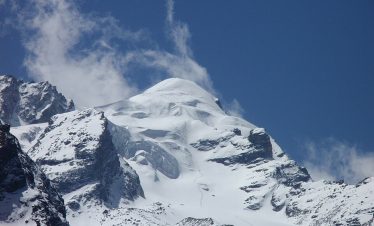
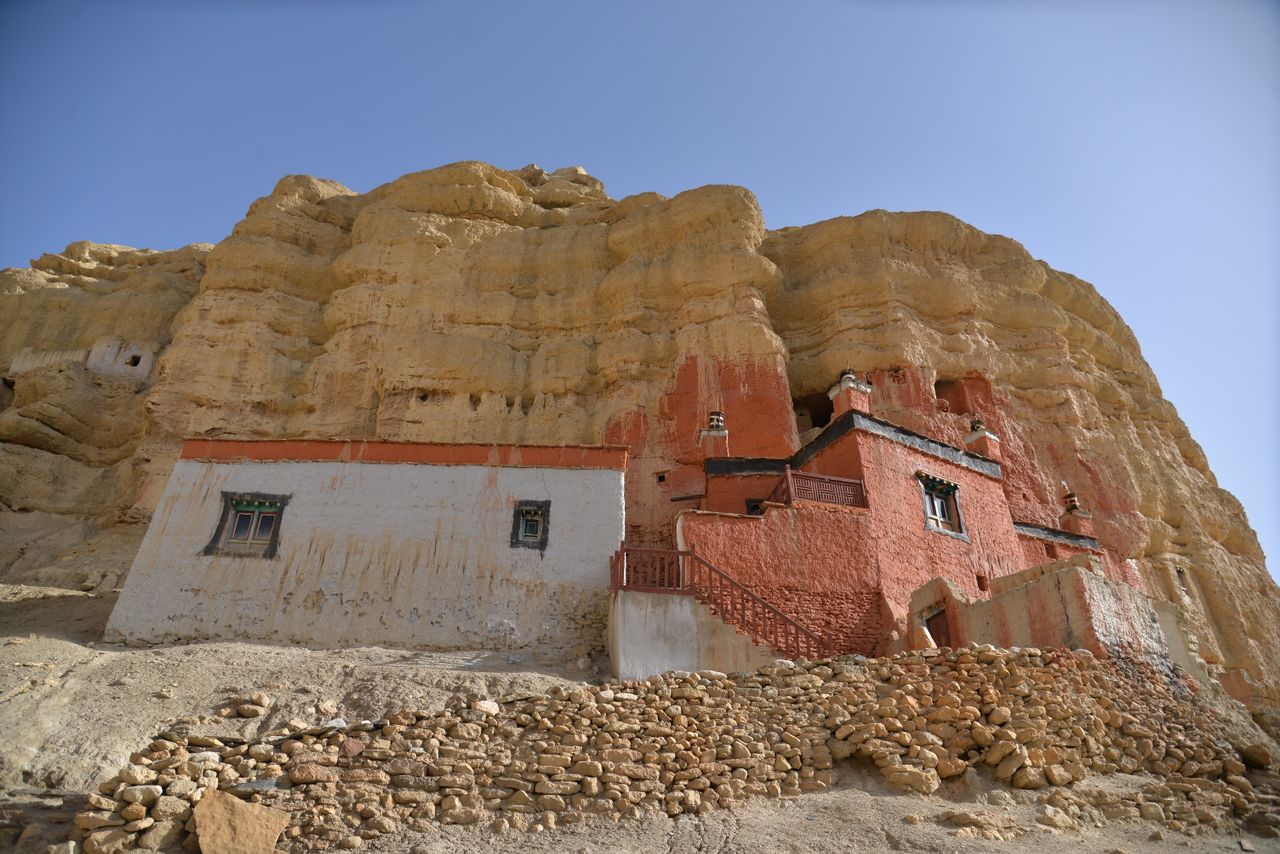
Winding through Upper Mustang’s faraway trails means facing sheer drop-offs, deep gullies, yet spotting distant peaks – Dhaulagiri, Nilgira, Annapurna – all under shifting light. Desert flats stretch out beneath rock layers carved by wind, where ancient caves hide stories behind cracked stone walls. Villages painted bright white rise suddenly near red cliffs, places such as Dhakmar, Tsarang standing quiet in thin air. Adventure slips in quietly here, mixed with chants from prayer wheels, worn paths leading past stupas draped in faded cloth. Eyes catch color at dawn, then silence takes over again, leaving space for something deeper than sightseeing.
Yartung Festival Trek Lo Manthang 2026 /27
Midway into the thin air of northern Nepal, paths wind past ochre cliffs and prayer flags fluttering above stone homes. A steady rhythm guides footsteps across high desert plateaus where silence stretches farther than sight. Hidden along these routes, villages cling to slopes like old stories refusing to fade. Monasteries perch on ridges, their walls holding chants from decades gone by. When autumn nears, the land stirs with movement – horses thunder across open fields during ceremonial races. Locals gather in woolen robes, faces lit by firelight during ancestral rites passed down untouched. This gathering, known as Yartung, pulses every year around September, drawing eyes from beyond the mountains. Those stepping onto the trail should expect rough ground underfoot, elevation that slows breath, days built on endurance. Not for beginners, yet richly rewarding for those used to long walks through wild places. By 2026, the cycle returns, pulling wanderers once more into its quiet spectacle.

Deep inside Nepal’s high desert, stories of the Yartung Festival 2025 unfold through hoofbeats and prayer flags. Old customs breathe life into every gathering, drawing eyes from afar who wonder not just when but why it began. Horses carry more than riders here – each gallop echoes tradition shaped by time, faith, and mountain winds. Known to some as Yarthung, this moment pulses with rhythm older than maps. Visitors arrive curious, then stay for the silence between drumbeats, where culture speaks without words. Adventure slips in quietly, woven into paths that lead both outward across trails and inward toward understanding. Moments pile up: chants at dawn, laughter near shared meals, dust on boots under vast skies. This is how Mustang tells its story – not in brochures, but in lived hours.
Best Season on Upper mustang
Morning light feels just right when trails open up between April and June. Clear skies stay put longer back then, plus temps sit easy on the skin. Rhododendron bursts color hillsides one moment – next thing you know, green spills down every slope. Come late September, air turns sharp like a knife twist, yet mountains show their full face without clouds in the way. Horse races kick dust high during those days, old songs echo through stone villages. Rituals unfold slow, tied to land rhythms older than memory. Fewer storms mean paths hold steady underfoot. Comfort wraps around each step forward, no rush needed. Views grab attention whether sun climbs or dips low. Culture lives loud where people gather at temple edges. Every year the pattern holds – the timing lines up clean with festival beats.
About Yartung Festival Trek
Bright colors fill Lo Manthang and Muktinath during the Yartung Festival, a yearly gathering rooted in Upper Mustang’s highland life. Held when the sky shows its fullest moon in August, it follows right after Janai Purnima, closing out summer’s work in farm fields. After crops are gathered, people from Gurung, Loba, and Thakali villages come together – not just to rest but to move, shout, laugh. Prayers rise at dawn, horses sprint across dust paths by midday, while voices twist into song long past sunset. Rhythm, faith, and food mix easily here, shaped by centuries of Tibetan Buddhist ways woven into mountain living. Come 2026, most expect these moments between August 17 and 19, though some start before – some stretch longer, no strict end.
Famous in Upper Mustang
High above the clouds, where wind carves stone and silence speaks louder than noise, people gather when summer fades. Horses race across dusty plains, their hooves kicking up stories older than memory. Instead of crowds rushing forward, watchers sit still, eyes fixed on riders balancing speed and pride. Archers draw bows not for sport alone, but as ancestors once did, slow and certain.
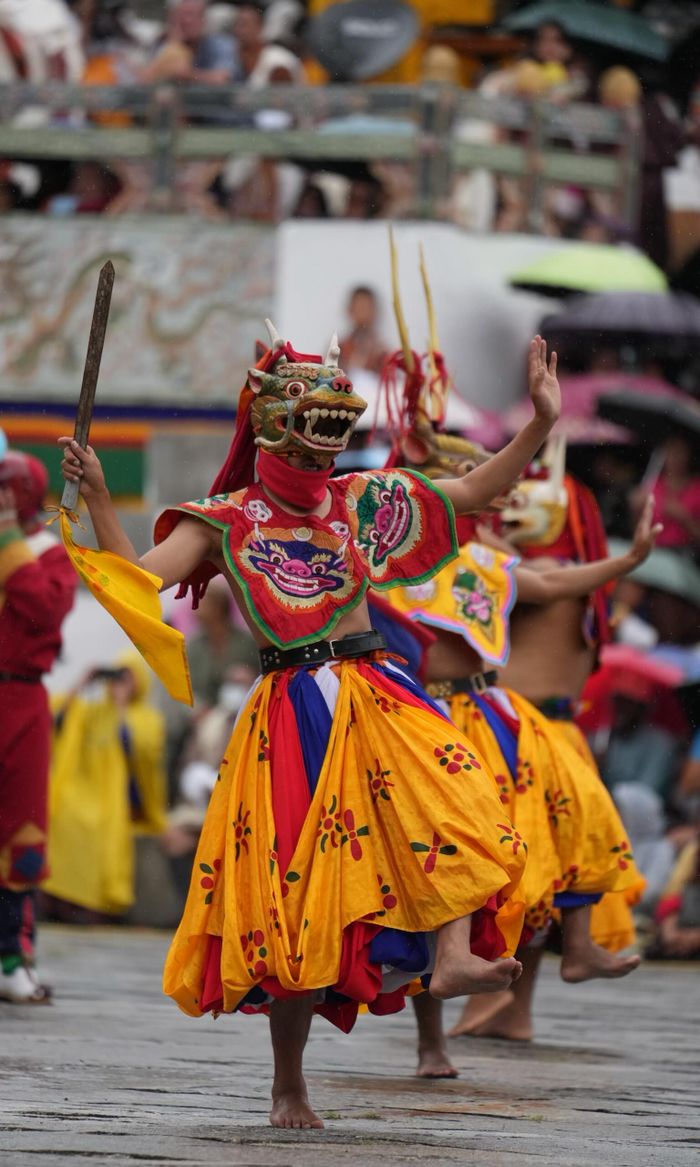
In courtyards ringed by crumbling walls painted with faded prayers, dancers move like flames caught in rhythm. Monks chant low, voices weaving through chants that mark time passing, seasons shifting. Lo Manthang wakes differently then – doors open wider, laughter travels farther, colors brighten worn fabric into brilliance. Costumes shimmer under sun cracked skies, each thread tied to lineage, land, survival.
Visitors arrive not chasing thrills, yet find themselves part of something unspoken, deep. Celebration here does not shout; it breathes, steady and sure. Life, strength, belonging – they show up not in slogans, but in shared meals, quiet nods, songs passed mouth to ear. When autumn nears, the earth feels heavier, fuller, grateful. Travelers leave carrying less proof, more presence. A moment lives longer when lived simply.
what to expect at the Upper Mustang Yartung Festival Trek – 17 Day?
Getting ready for the Yartuch Festival means organizing things early, since Upper Mustang limits who can enter and demands paperwork. Permits required include one for restricted zones plus the ACAP type, while going through a certified guide is standard practice here. Pack solid hiking equipment; think durable boots, UV shielding items, clothing that traps heat – nights stay chilly despite summer months. Celebrations unfold on wide grassy areas or central spots in towns where people mix freely – so expect sitting outside, eating together in groups, hours filled with local traditions if you’re joining in. Comfort follows from knowing what lies ahead.
Spending a few extra days helps your body adjust while walking north from Jomsom or Muktinath, passing through quiet spots such as Tsarang and Ghami on the way to Lo Manthang, the heart of the celebration. Once there, people eat familiar dishes together, listen to village songs, watch dancers move slowly under open skies, then join routines that mix games, prayer, and joy in ways long practiced by locals.
Upper mustang yartung festival trek difficulty
The Upper Mustang Yartung Festival Trek feels steady underfoot, yet what matters most isn’t how tough it seems – it’s stepping into a living tradition during one of the Himalayas’ deepest cultural moments. Though paths stay clear of steep drops or rocky scrambles, each day asks for steady pacing across open stretches where wind shapes the dust and air thins without warning. Elevation climbs slowly, moving from 2,800 meters up past 4,000 near Lo Manthang, a fortress town built when kingdoms still held power here. What stays after the walk ends is not muscle fatigue but color – banners, chants, faces lit by festival fire.
What makes this journey stand out connects closely to the Yartung Festival, a three-day tradition signaling the close of rainy months and start of harvest time. Held every year, it pulses through Mustang’s villages with energy – horse racing kicks off loud, followed by songs passed down generations. Dancers appear in masks, moving slow then sudden, while neighbors meet after long stretches apart. Travelers happen into moments few outsiders see: ways shaped by Tibet, kept alive because distance once blocked change. Centuries sit quietly here, visible in gestures, rhythms, how people speak without needing words. Distance didn’t just shield land – it held customs still, even as elsewhere shifted fast. Seeing it unfold feels less like watching, more like stepping inside something older than most cities. Few places let you touch traditions so intact, worn smooth only by time, never forced to bend. This path leads straight into that rare air where culture breathes on its own terms.
This path feels different from usual hiking trails – it mixes wild scenery with culture still alive today. Instead of green valleys, you walk through empty deserts, steep rock walls, alongside old mountain temples. These quiet spaces stand out sharply next to the bright noise and movement of the gathering. People on foot do more than watch what happens; they talk with villagers, see ceremonies up close, begin to grasp ways of thinking shaped by faith passed down generations.
Every now and then, a journey shifts how you see travel – Upper Mustang’s Yartung Festival Trek does exactly that. Not simply about walking high trails, it opens doors into ancient mountain traditions. Instead of only rugged paths, there is song, ritual, color woven through each day. Because the rhythm stays gentle, attention turns toward people, not just peaks. Through village squares and temple courtyards, moments unfold slowly. Along these trails, culture breathes as loudly as wind. For some, the real path lies beneath conversation, not terrain.
Trip Highlights
- Celebrate the colorful Yartung Horse Festival with locals in Lo Manthang
- Explore the mystical cave monasteries and ancient Bon and Tibetan Buddhist shrines
- Visit Ghar Gompa, one of the oldest Tibetan monasteries in Nepal
- Experience the rare Tibetan-influenced culture and lifestyle of the Mustang people
- Discover sacred spiritual landmarks like Luri Gompa and Muktinath Temple