
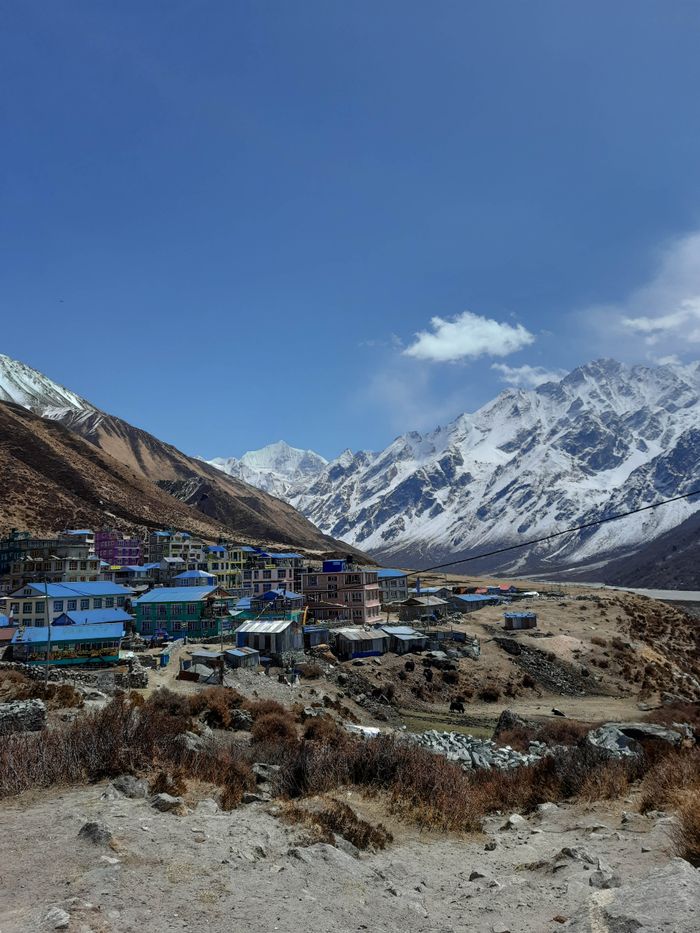
Most trekkers treat Kyanjin Gompa as the finish line. They walk in, take a photo of the monastery and the cheese factory, sleep one night, and turn back toward Syabrubesi the next morning. That’s a mistake. Kyanjin Gompa (3,870m) isn’t the end of the Langtang Valley — it’s the base camp for the best part of it. The real highlights of this trek sit in the two or three days after you arrive here.
If you’ve made it to Kyanjin Gompa, here’s what to do next.
First, Don’t Rush It
Give yourself at least 2–3 extra nights in Kyanjin Gompa before heading back down. You’ll already be reasonably acclimatized after the walk up through Langtang Village, and the village itself is comfortable — proper lodges with attached bathrooms, a couple of bakeries, and the Yala cheese factory (running since 1955) where you can pick up local cheese and yak-milk products. Use this as your hub and do day hikes from here rather than pushing straight back down.
1. Kyanjin Ri (4,773m) — The Easier Viewpoint
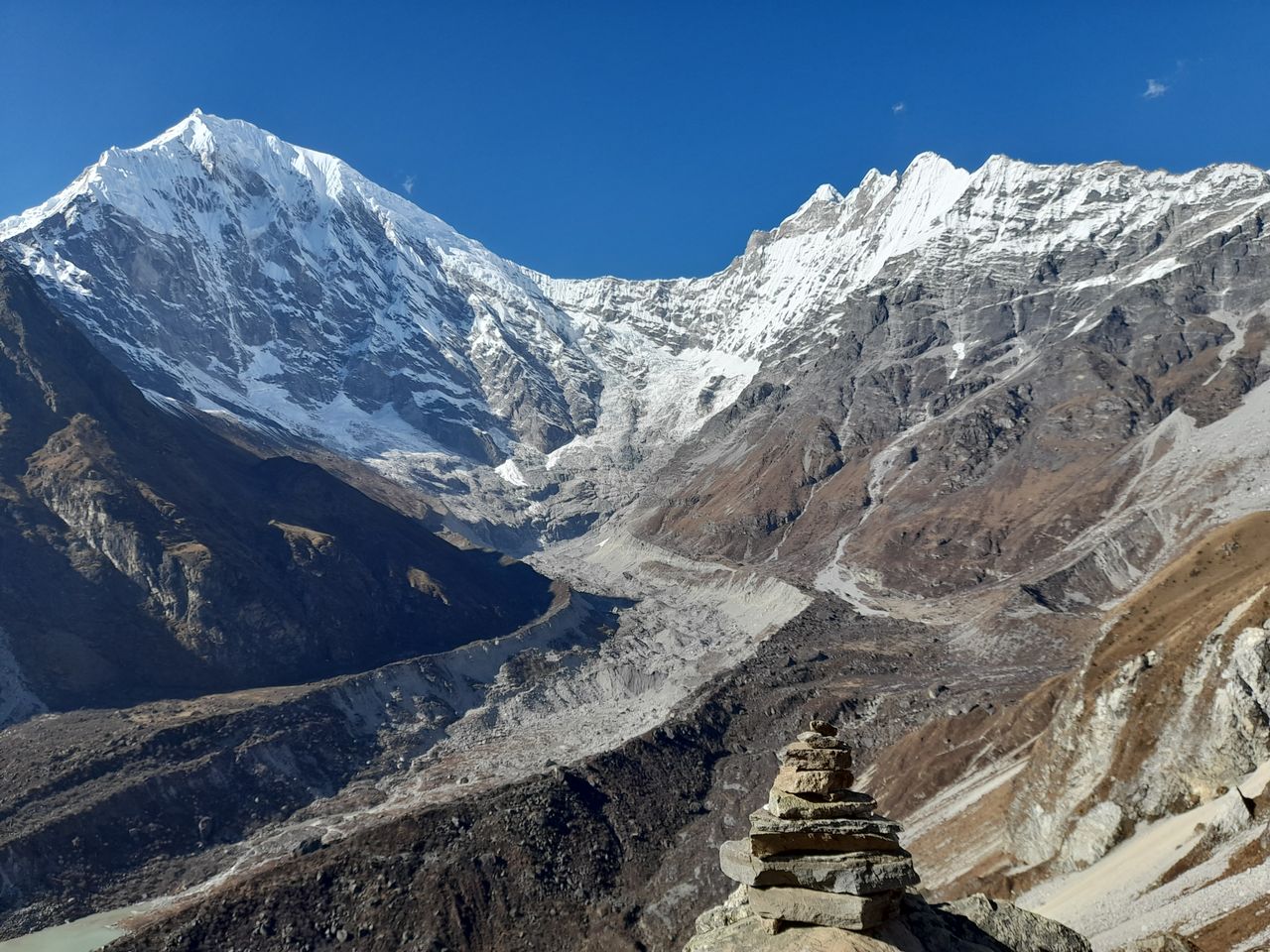
This is the most popular of the three side trips and a natural first move after arriving. It’s a steep but short climb — roughly 3–4 hours round trip — directly above the village, and it doesn’t require an alpine-early start the way Tserko Ri does. From the top you get a sweeping view of Langtang Lirung, the surrounding glaciers, and the village below. Because it’s shorter, some itineraries do Kyanjin Ri the same afternoon you arrive, or first thing the next morning, saving Tserko Ri for a day when you’re feeling stronger.
2. Tserko Ri (4,984m) — The Big One
If you only do one side hike from Kyanjin Gompa, this is the one experienced trekkers rate highest. It’s a tough 5-hour climb, passing herders’ stone huts at Yala Kharka before a steep, switchbacking final push to prayer flags at the summit. The reward is a 360-degree panorama that’s more extensive than the view from Kyanjin Ri — glaciers, Yala Peak, and the wider Langtang range spread out below you.
Start early. Weather and wind pick up fast at this altitude, and the descent takes a couple of hours on its own. This is a full-day outing, so plan on returning to Kyanjin Gompa for the night rather than trying to combine it with anything else.
3. Langshisha Kharka — The Quiet Alternative
If Tserko Ri sounds like too much elevation gain, Langshisha Kharka is the trade-off: less climbing, more distance. The trail heads east out of Kyanjin Gompa, following the Langtang Khola past the airfield and the Tserko Ri turnoff, gaining only around 300 meters over roughly 14 km round trip. It’s an easy grade by comparison, but it’s a long day — 5–6 hours — walking up to where the Salbachum, Langshisha, and Langtang glacial moraines converge, with views toward Dorje Lakpa and, on a clear day, all the way to Shishapangma across the border in Tibet.
It’s also far less crowded than the two viewpoints above, so if you want a quieter alpine walk with yaks grazing along the valley floor, this is it. Many trekkers who skip this route turn back at Numthang; push on if you have the time, since Langshisha Kharka itself is the more rewarding endpoint.
4. Langtang Lirung Base Camp
Less commonly done but worth mentioning if you have an extra day: a hike up toward Langtang Lirung Base Camp (around 4,400m) gives you close-up views of the glacier and icefall beneath the mountain, without the crowds of the main viewpoints.
A Rough Plan
- Day 1: Arrive Kyanjin Gompa, short acclimatization walk (or Kyanjin Ri if you’re feeling good)
- Day 2: Tserko Ri (full day)
- Day 3: Langshisha Kharka, or a rest/exploration day around the village
- Day 4: Begin the descent to Lama Hotel, then on to Syabrubesi
This turns a rushed there-and-back trek into a proper 8–9 day Langtang Valley experience, and it’s the version most guides recommend if your schedule allows it.
After Kyanjin Gompa: Where the Trail Can Take You Next
If you’ve got more time and appetite, the descent doesn’t have to be a straight retrace back to Syabrubesi. From Thulo Syabru (on the way down), you can branch off toward Gosaikunda Lake, connecting the Langtang and Gosaikunda treks into one longer route, or continue further into the Helambu Circuit. Both extend the trip by several days but let you avoid simply walking back the way you came.
A Practical Note
Food options thin out considerably up here — expect a fairly limited, largely vegetarian teahouse menu set by local committee, with quality varying by lodge. Bring snacks for the longer day hikes, especially Langshisha Kharka, and carry enough water, since there’s little shelter once you’re out of the village. Start high-altitude hikes early: cloud tends to roll in by late morning, and the temperature drop at 4,800m+ is sharp once the sun goes.
Kyanjin Gompa feels like the reward at the end of the trek. In reality, it’s the launch point for the part of Langtang that actually earns its reputation.