
Introduction
Tucked inside Nepal’s high mountains, Sagarmatha National Park Adventure ranks among our planet’s most striking places. Mount Everest, tallest point on Earth, rises within these borders; this region also holds UNESCO status for wild terrain, diverse life forms, spiritual communities. Walking through? It becomes something deeper – entering a realm where ice rivers carve stone, villages cling to slopes, breath grows thin beneath wide skies. Stories live in each turn of trail: hardship shaped by altitude, faith etched into prayer flags fluttering above rocky passes.
High above tree lines where icy winds cut through silence, Sagarmatha National Park unfolds across terrains wild and raw. Rhododendron thickets give way to barren plateaus shaped by ancient ice. Trekkers find rhythm on narrow footpaths etched into cliffsides. Wildlife watchers move quietly beneath peaks where snow leopards vanish like shadows. Cameras catch light spilling over ridges at dawn. Culture lingers in prayer flags fluttering beside stone shrines. Each valley holds stories carved into monasteries and spoken in village squares. Routes stretch from lower slopes up toward Everest’s rim. Seasons shift fast – timing shapes every journey. What lies ahead blends terrain truths with human traces. Prepare not just gear but awareness before stepping into thinning air.
Sagarmatha National Park Adventure Basics
A chunk of Nepal’s highlands, Sagarmatha National Park spans about 1,148 square kilometers in Solukhumbu, climbing steadily from 2,845 meters up to Everest’s peak at 8,848. Set aside in 1976, it earned UNESCO recognition by 1979 – prized not just for wild life but also earth history and human tradition. Its value crosses borders, quietly held within steep slopes and village trails.
Home to thick woods, open mountain fields, icy rivers made of ice, along with steep stony peaks. Look out for the famous Khumbu Glacier, busy villages where Sherpas live like in Namche Bazaar, also the spiritual Tengboche Monastery. Animals thrive here – snow leopards that hide well, sure-footed Himalayan tahr, shy red pandas appear now and then, plus countless birds fill the sky. Most walkers arrive through Lukla, a starting spot reached by plane straight from Kathmandu.

Sagarmatha National Park High Mountains Rich Culture
High up where few places reach, Sagarmatha National Park stands apart from everywhere else. Extreme height meets untouched landscapes along with enduring mountain ways of life here. Rugged peaks rise sharply. Valleys cut deep below while quiet lakes rest like still thoughts among stone. Walking through, you find more than views – there lives a people shaped by snow and sky. The Sherpa presence brings meaning to paths that climb beyond trees. Their customs breathe into the cold air. Warmth shows in small gestures. Spirit fills worn prayer walls. Each step forward feels watched over somehow.
Finding steep paths through rugged terrain draws those who chase physical tests. Meanwhile, rare animals live undisturbed in untouched corners, pulling in people keen on watching life unfold quietly. Culture threads through forests and summits, stitching moments into something deeper than sightseeing. Each traveler carries away more than photos – something lasting settles after leaving.
Landscape Shapes of the Park
Majestic Mountains and Glaciers
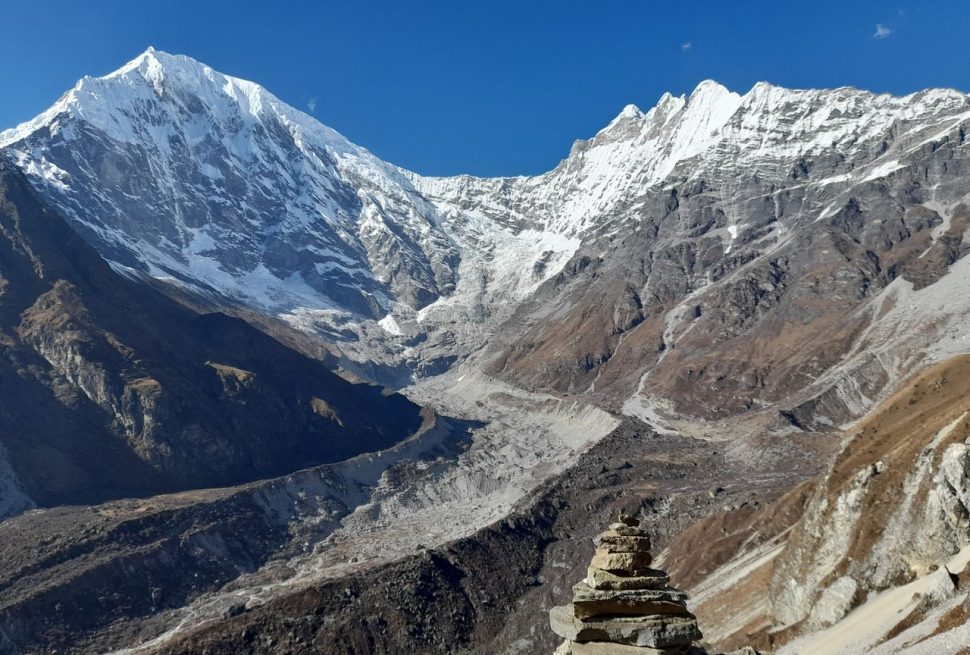
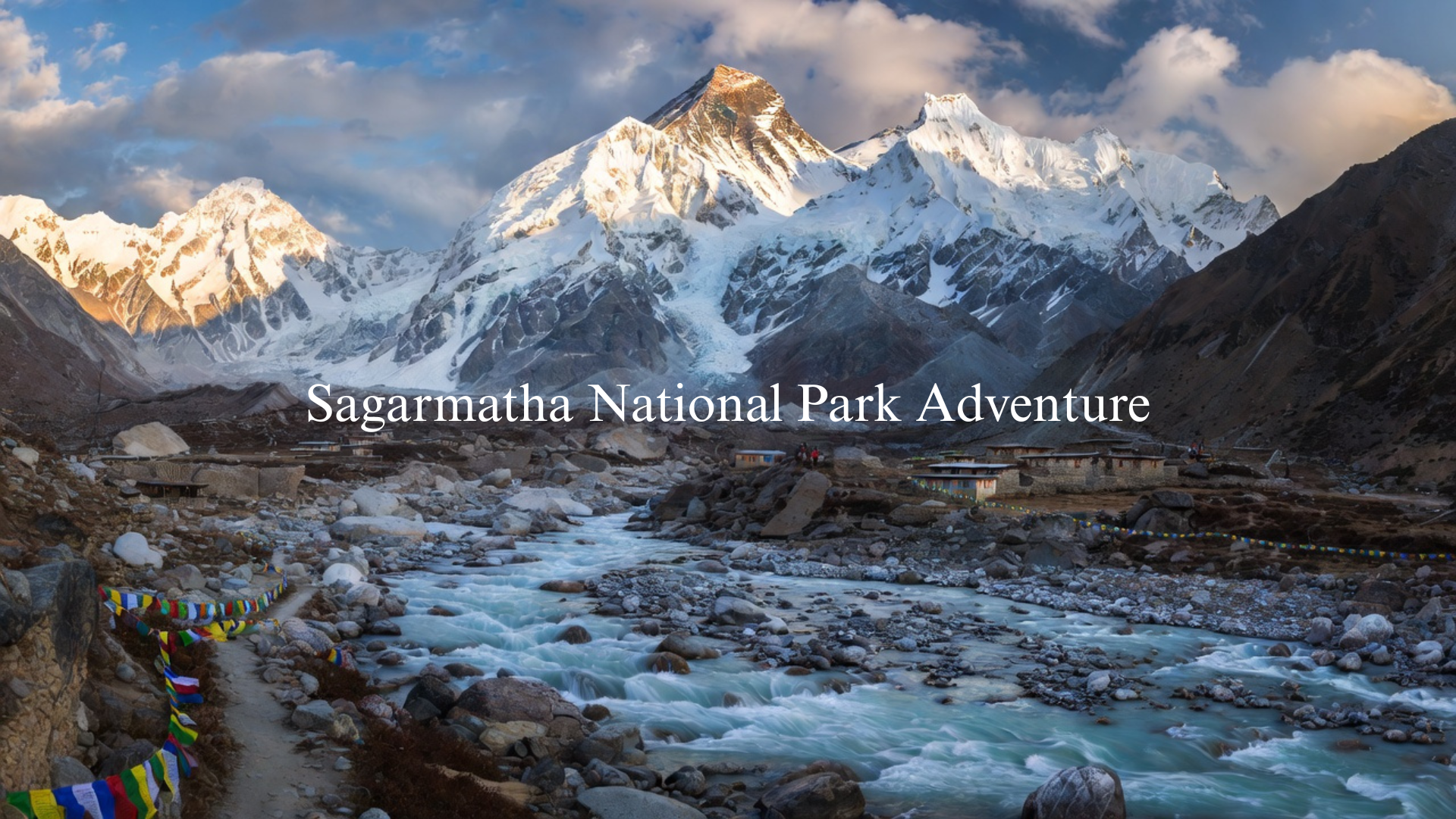
High above everything, Mount Everest stands as the park’s best-known landmark, rising with quiet power. Not far behind, Lhotse pushes into the sky, while Nuptse cuts a sharp line along the horizon. Ama Dablam holds its own, shaping steep slopes that fold into one another. The Khumbu Glacier moves slowly below, etching long grooves through ancient rock. Underneath it all, unseen pressures shift and grind, shaping what we see.
Alpine Meadows and Forested Valleys
Spring paints the lower slopes in bright hues, where rhododendrons grow thick among pines and firs. Above, near Tengboche and scattered higher settlements, open alpine fields bloom wildly, offering quiet trails lined with flowers. These grassy clearings attract both hikers and animals during warm months, making stillness feel alive.
Sacred Sites and Villages
Perched high in the hills, Tengboche Monastery breaks up the wild terrain. Dingboche sits quietly along the path, giving walkers a place to rest. Namche Bazaar rises unexpectedly, full of movement and local trade. Each stop serves those on foot while revealing pieces of Sherpa life. Colorful prayer flags wave above trails where silence usually rules. Stone houses stack tightly against cold winds. Mani walls line paths, carved deep with ancient words. These places blend function with tradition, one step at a time.
Animals in Sagarmathas Mountain Region
High up where the air thins, animals move quietly through rugged terrain. Snow leopards slip across steep rocks, hardly ever seen by those below. On open meadows above treeline, tahrs chew grass between slow steps along ridges. Red pandas curl in thick woods, hidden among mossy branches near valley floors. Wings flash now and then – monals dart, snow partridges freeze, lammergeiers ride cold drafts down into canyons.
Wild animals live undisturbed here, thanks to tight protection rules and its standing as a UNESCO site. Moving on foot across the land reveals creatures where they belong – an outcome that satisfies those drawn to nature and those aiming cameras at it.
Trekking in Sagarmatha National Park
Through the park, walking trails open up wide views of land shaped by time plus traditions kept alive. Some paths stay low and steady while others climb into thin air where few go.
Everest Base Camp Trek
Up high past Namche Bazaar, travelers walk on toward Tengboche, then cut across to Dingboche, after that pushing into Lobuche before sighting Everest Base Camp at last. Adventure mixes with village life along the way – wide-open peaks fill the skyline, while every step builds something real, hard earned, impossible to fake.
Gokyo Lakes Trek
Winding past bright blue ice-fed waters, this path reveals Everest, Cho Oyu, and towering peaks beyond. Fewer travelers walk here compared to the standard EBC trail, making quiet moments more common alongside rugged exploration.
High Passes Trek
High-altitude paths such as Cho La and Renjo La test seasoned hikers with rugged trails, icy summits, yet sweeping views that stretch beyond sight. Stamina matters here, so does adjusting slowly to thin air, along with thorough planning before starting out.
When to Go
Springtime brings steady weather for walking through Sagarmatha National Park, especially from March to May. Another good window opens after monsoon rains fade, when crisp days arrive between September and November.
When spring arrives, rhododendrons begin to bloom under bright skies. Temperatures settle into a pleasant range, good for walking through the hills. As the snow fades away, animals grow more active each day. Trails become lively, softened by meltwater and warmed by steady sunlight.
Fog lifts by midmorning, leaving stillness behind. Trails stay firm underfoot after weeks without rain. Sun sits lower, casting long shadows across ridges. Light turns sharp, perfect for catching distant peaks in clear detail. Cool air moves gently through the trees.
When winter arrives, trails turn icy underfoot yet views open wide beneath clear skies. Snow drapes every ridge while fewer travelers pass through. Chilly air fills the lungs but sharp light brightens distant peaks. Frost grips at dawn though sunlight softens stone by midday. Paths grow slow to walk but silence deepens across frozen woods.
Downpours arrive from June to August, soaking lowlands hard. Trails turn slick underfoot when the rains come. Up high, the weather stays drier, though getting around gets tricky anyway. Movement slows no matter where you go.
Cultural Moments Across the Park
Walking through this region feels less like hiking, more like stepping into stories passed down generations. Alongside rugged paths, small settlements of Sherpa people sit nestled between peaks, holding quiet strength. Monks chant inside ancient monasteries carved into hillsides, voices blending with wind. Colorful strips of cloth wave above ground, tied to prayers drifting uphill. Stone carvings line the way – each engraved boulder a pause, a breath, a moment shaped by belief. During Mani Rimdu, masked dancers move slowly under open skies, honoring rhythms older than memory. Guests watch ceremonies unfold without flash or show, just steady tradition breathing through motion. Time spent near these places grows awareness – noticing how living lightly leaves deeper marks. Respect shows up in small ways: eyes lowered slightly, steps taken gently, space given freely. Tourism shifts when presence matters more than passing through fast.
Why Sagarmatha National Park Should Be on Your Bucket List?
High above the clouds, Sagarmtha National Park unfolds with raw beauty few places match. Peaks pierce the sky here, standing tall where only wind and silence speak louder. Walking these trails means stepping into a world shaped by ice, stone, and centuries of Sherpa life. Few travelers make it this far, leaving paths quiet, almost private. Though every step demands strength, what comes back fills more than just legs – eyes catch rare animals, minds hold views that linger long after return. Achievement grows slowly under thin air, built not by words but miles.
Conclusion
High above the clouds, Sagarmatha National Park pulls visitors into something beyond typical trips. Towering mountains rise beside ice-carved slopes, while quiet trails lead past monasteries tucked in stone. Instead of crowds, there are villages where prayer flags flutter like whispers in the wind. Rhododendron forests bloom unpredictably, hiding snow leopards and red pandas between thickets. Walking here feels less like sightseeing, more like stepping inside an ancient rhythm. Each turn reveals altitudes so sharp they blur thought, leaving only breath and view. Even those who come just to walk leave changed by what stands silent among these heights.