
Introduction
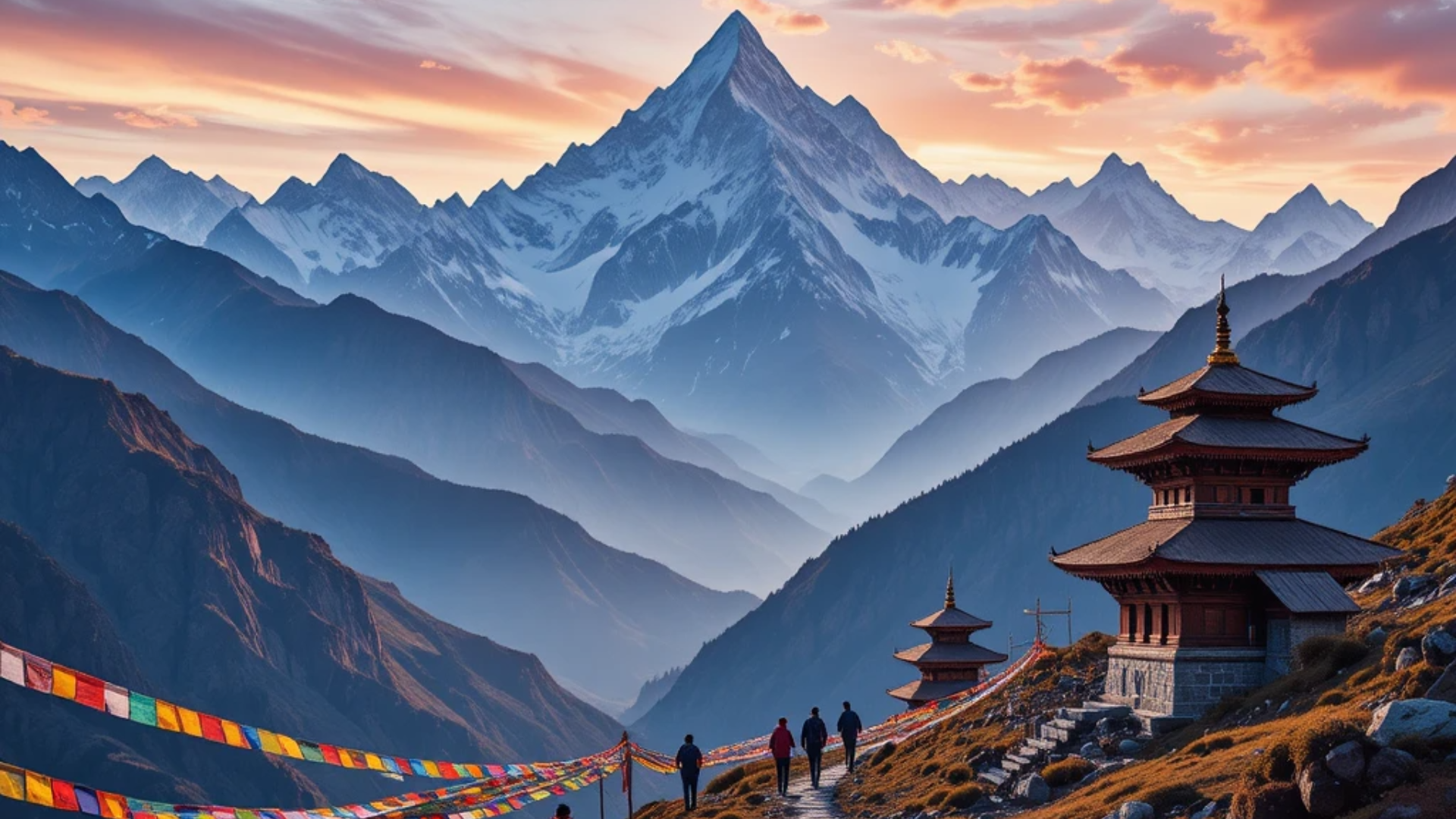
Everything Tourists Need to Know Before Visiting Nepal is Few places on Earth feel quite like Nepal, where misty peaks meet centuries-old traditions in quiet harmony. Nestled between India and China, it draws visitors not with promises, but with real moments – stone pathways winding past prayer flags, monkeys leaping near golden shrines. The country holds Mount Everest, yes, yet much of its magic hides off summit routes – in village courtyards, morning market exchanges, forest trails humming with birdlife. Exploring Kathmandu’s alleys reveals carvings older than memory; stepping into highland valleys brings thin air and sharper clarity. Adventure here isn’t staged – it unfolds slowly, sometimes during shared tea, other times while crossing rivers on swaying bridges. Meaning arrives quietly too, tucked inside gestures, glances, long silences under vast skies. To some, Nepal feels like where quiet faith meets wild trails plus deep-rooted customs. Among busy market lanes, old stone temples stand without hurry. Above calm countryside folds, white mountain heads catch morning light early. Time-worn rituals live on in village courtyards, far from rushed cities. Spiced dishes appear on low wooden tables, shared across generations. People speak slowly here, hands often folded at chests. A single path might lead past prayer flags, then into silence between hills. Some come chasing high passes; others stay for conversations under eaves. The air changes with altitude, also mood. Not every journey needs meaning – some just need dust, sun, voices.
Travel plans start better when visitors get clear on Nepal’s basics first. Visa rules matter – know them early, since entry depends on paperwork done right. Culture shapes daily life there; respect shows up in small gestures, like how you greet or dress. Getting around means buses, planes, sometimes walking – you pick based on time and comfort. Safety? Mostly fine, yet staying aware helps avoid trouble spots or scams. Seasons shift fast in the mountains, so timing your trip right makes hikes possible – or impossible. Each detail fits together, quietly shaping what kind of experience unfolds later. Preparation isn’t about fear – it’s about showing up ready. This overview gives facts without noise, just what matters for those heading into high valleys and old stone towns.
Exploring Nepal’s Landscapes and Traditions
A land packed with sharp contrasts, Nepal fits big changes into a compact space. From the flat green stretches of the Terai, it climbs fast toward sky-scraping Himalayan summits. Rising ground shifts everything – weather, terrain, life forms – with surprising speed. One trip crosses steamy jungles, rich fields, cool high meadows, then sheer rock faces near the planet’s roofline. Away above sea level, the highlands of northern Nepal hold eight of Earth’s tallest summits – Mount Everest among them. Drawn by steep trails and thin air, adventurers arrive here from all corners of the planet. Through valleys near Everest, people follow paths carved by time, eyes wide at views few see. Beyond those slopes, Annapurna opens vast meadows under towering walls of rock. In Langtang, forests give way to open ridges where ancient customs still shape daily life. Between one peak and the next, footsteps meet stories older than maps.
Folks across Nepal carry distinct ways of life, tied closely to long-held roots. Over a hundred different communities spread through hills, valleys, and plains, each holding speech, rituals, and habits all their own. Take the Sherpa, for instance – high mountain trails shape much of how they move through daily routines. Elsewhere, Gurung families gather during festivals that echo stories passed down generations. Down near warmer lowlands, Tharu villages stand strong amid patterns unchanged for ages. Spirituality threads through everyday moments, not set apart or distant. Most people follow either Hindu beliefs or Buddhist teachings, sometimes both at once. Places built for prayer rise up along roadsides, tucked into forests, perched on ridges – silent but always present.
Out here among the hills, Nepal wraps you in bright fabric and song. Life moves to drumbeats during festivals, prayer flags flutter above doorways, people wear patterns that tell stories. Because customs run deep, paying attention brings connection. When travelers pause to notice how things are done, moments grow richer without trying.
When to Go to Nepal?
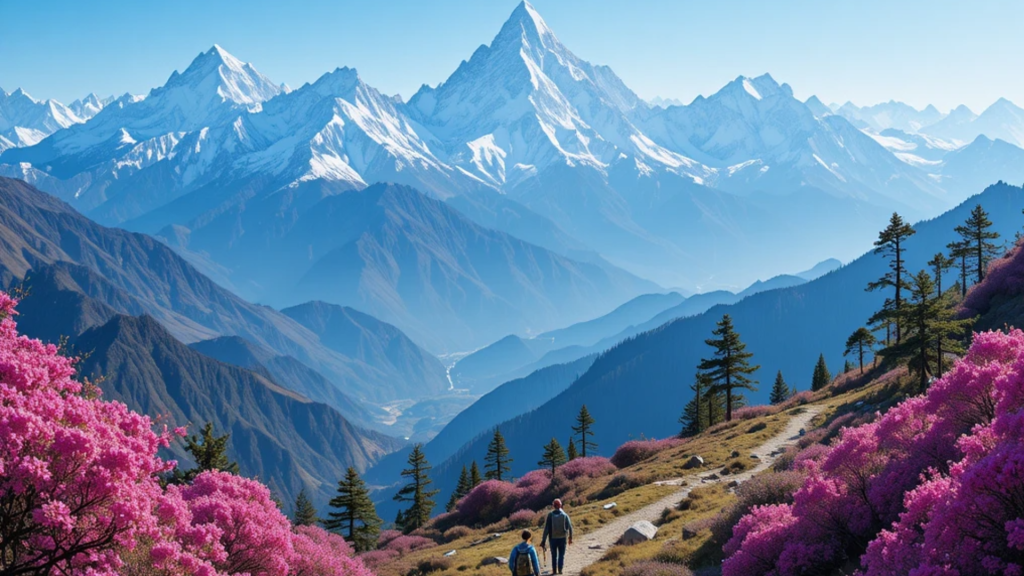
When thinking about a trip to Nepal, the timing really comes down to your kind of adventure. Four distinct times of year shape the country: spring wakes things up, monsoon drenches it midyear, autumn clears the skies, then winter brings sharp cold. Depending on which path you choose, each stretch gives something separate to see or feel. March through May brings gentle warmth to Nepal, making it a favorite stretch for travelers. Hillsides wake up with rhododendrons painting slopes in bright color. Trails feel just right underfoot, while mountain air lifts haze off the high peaks. On Everest and beyond, climbers test their pace against thinning oxygen. Clear skies linger, offering long looks at snowy ridges that cut into blue.
September through November brings cool breezes, making it a top pick for hiking and exploring outside. Once the monsoon finishes washing everything clean, mountains appear clearer, almost like they’re glowing. Skies tend to stay wide open, painted in deep blue, while temperatures hold steady without surprise swings. Celebrations like Dashain and Tihar light up the calendar during these months, giving travelers a front-row seat to Nepal’s vibrant traditions. Fewer clouds mean more daylight hours to wander, watch rituals, or simply breathe crisp air high above sea level.
June through August marks the wet monsoon period across much of Nepal. Rain pours heavily then, soaking hills and valleys alike. Trails grow slippery, making mountain hikes tougher than usual. Yet fields turn bright, vibrant under constant showers. Places like Upper Mustang stay mostly clear of storms. Dry air lingers there, offering clearer paths. Dolpo too escapes the worst rains. These spots keep walking conditions steady when elsewhere gets soaked.
Chilly months settle in from December through February, especially up high. Yet down below, paths stay open for walking. Fewer people show up then, so those who like space might enjoy Nepal during this stretch. Quiet trails wait under crisp skies.
Entry Rules and Visa Details
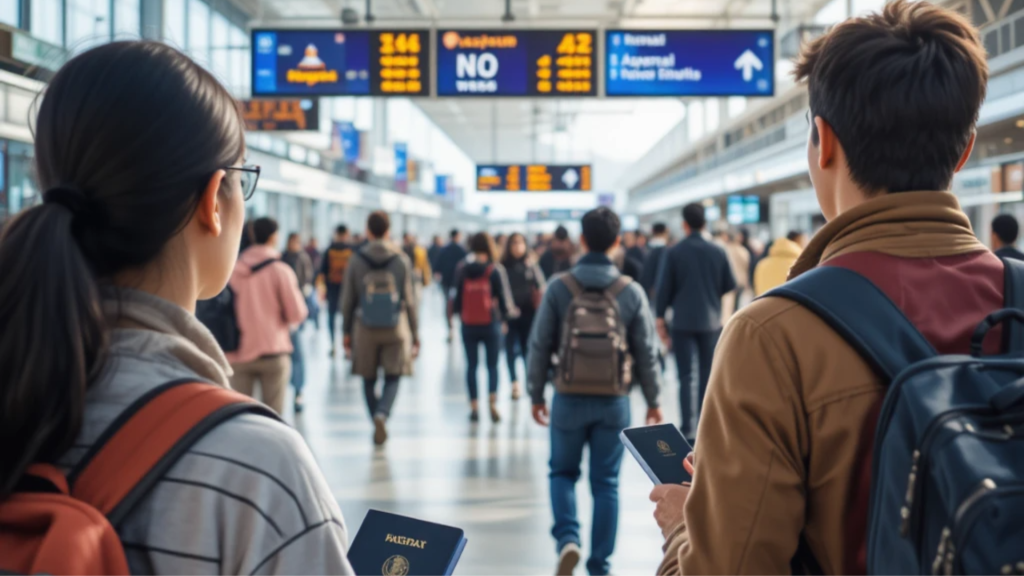
Visa access for most people arriving in Nepal opens right away at Kathmandu’s airport. Getting through usually feels smooth, especially if you’re coming from one of the accepted nations. Instead of fixed choices, lengths shift – pick fifteen days, go up to thirty, even stretch into ninety based on your plans. Getting a visa when you land means having a passport that stays good for more than half a year, along with one small photo. Cash is expected for the fee, often in American dollars or similar strong money. Before stepping off the plane, plenty fill out a web form just to move faster through the terminal. Staying awhile? Visa extensions are handled at Nepali immigration offices. Watch the calendar closely – missing a deadline brings fees. Depending on your passport, extra rules might apply. Always look up current entry policies prior to departure.
Besides handling visa needs, visitors must check their insurance includes protection for mountain hikes or rugged outdoor trips. When climbing above higher elevations, having support for emergency airlifts becomes essential.
Transportation and Getting Around Nepal
Getting around Nepal feels like part of the journey. Rugged mountains shape every trip – beautiful, yet tough. Most people first land in Kathmandu, the bustling center and starting point for most visits. After that, moving across the country happens by small planes, local buses, hired cars, or footpaths through hills. Getting around by air inside the country is fast, especially when heading to far places like Lukla, Pokhara, or Nepalgunj. From above, passengers see stunning sights of the high Himalayas during these trips. Still, bad weather may slow things down – mountain areas face more interruptions than others. Traveling between big towns in Nepal often means hopping on a bus meant for visitors or one used by residents. Though pricier, visitor coaches tend to offer smoother rides over long stretches linking spots like Kathmandu, Pokhara, and Chitwan. Rides arranged for locals cost less yet pack tightly, running without strict schedules.
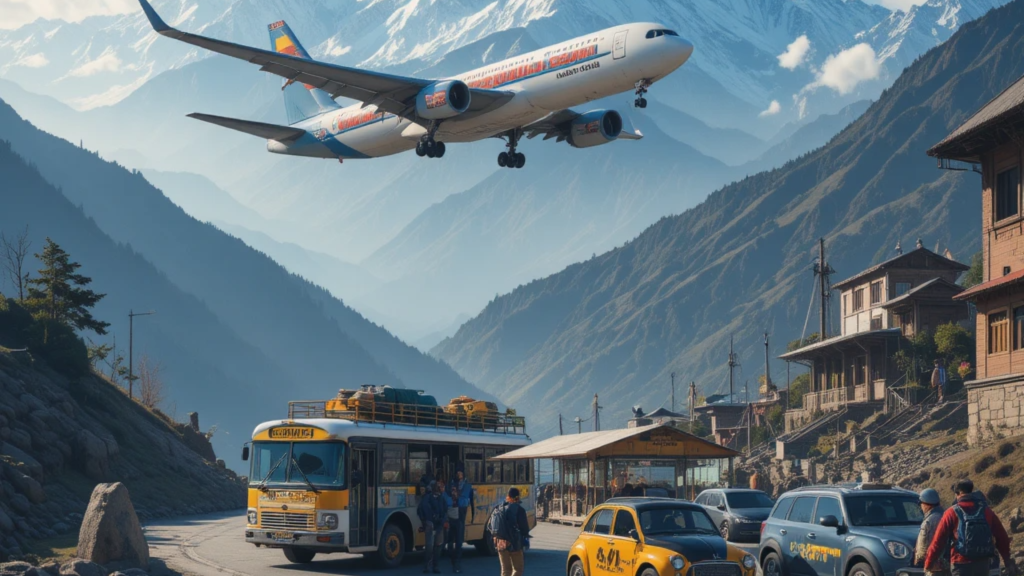
Travelers often pick private cars or jeep excursions, particularly when aiming for distant spots like national parks. Flexibility shows up more here than on buses or shared rides. Comfort finds a better seat too. Finding a taxi or using an app-based ride works well in places like Kathmandu and Pokhara. Walking draws plenty of visitors, especially through spots including Thamel, Durbar Square, and the lakeside part of Pokhara.
Places Many Travelers Visit in Nepal
Out in the hills and beyond, Nepal unfolds with places unlike any other – crowded city corners sit next to quiet mountain folds, while thick forests hum with animal life. First on most itineraries? That stretch of land cupped by ridges where Kathmandu sprawls. Inside this bowl, centuries fold into stone: royal courts once echoing with courtiers now stand still, shrines climb steep alleys, and round stupas wear prayer flags like frayed ribbons – all marking time through devotion and craft. Beautiful lakes define Pokhara, yet it’s the calm vibe that draws folks in. Mountain panoramas rise behind rooftops, impossible to ignore. Starting most journeys into Annapurna? That’s where this place fits in. Paragliding floats above the valley – some choose boats instead, skimming quiet water. Zip lines cut across gorges, sudden bursts of motion amid stillness.
Chitwan National Park draws those who love wild animals, offering a peek into Nepal’s lush southern forests. Through bumpy rides in open vehicles or quiet paddles along rivers, people spot creatures like one-horned rhinos, gharials, and striped tigers living freely where they belong.
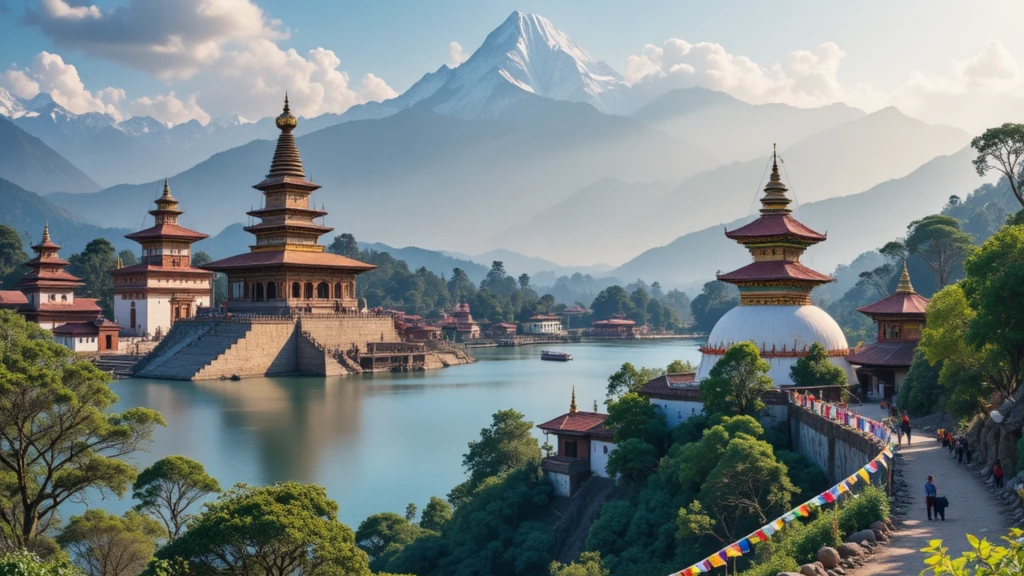
Each year brings crowds to trails like Everest Base Camp, where paths unfold through towering peaks. Moving along the Annapurna Circuit reveals terraced hillsides beside ancient stone homes. The Langtang Valley route winds above rivers, leading past prayer flags fluttering near quiet shrines. Hikers find themselves stepping into scenes shaped by altitude, weather, and long-held customs. From bustling markets to quiet mountain trails, every spot in Nepal crafts its own story. Adventure calls here, yes, but so does calm, depending on where you step. Culture hums through village festivals just as vividly as it shows up in ancient stone temples. Nature spreads wide across valleys, then climbs sharply into peaks that touch clouds. Whether chasing thrills or stillness, travelers find their pace woven into the land.
Food and Cuisine in Nepal
Made from everyday ingredients grown nearby, Nepali food carries flavors shaped by many cultures living together. Steaming rice lands on plates beside a bowl of yellow lentil stew, joined by fresh greens or maybe some spiced meat. A favorite at nearly every household table, this hearty combo fuels people through mountain trails and chilly evenings alike. Out here in city centers and spots where visitors gather, global flavors sit right next to Nepal’s own cooking traditions. Momo turns up everywhere – those steamed pockets stuffed with spiced fillings, veggie or meat. Then there is thukpa, a warm bowl of noodles and broth built for chilly mountain air. You will see folks leaning into it when temperatures drop.
Down alleyways and near bus stops, you’ll spot vendors selling quick bites across Nepali cities. Though tempting smells pull people toward spicy dumplings or steaming griddles, picking spots that look tidy makes a difference. A stall wiped down, with fresh ingredients on display, often means fewer gut troubles later. Crowds gathering at lunchtime might hint – this place moves fast, so food stays fresh.
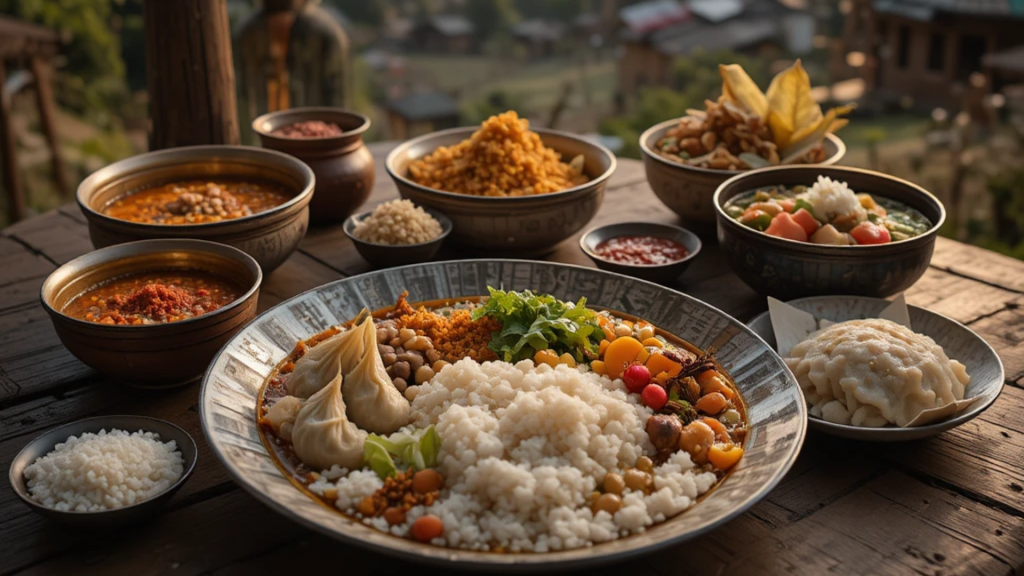
Up in the mountains, people often drink rich butter tea while travelers sip on chang, a homemade rice brew. Coffee lovers find their match in Kathmandu and Pokhara, where beans are roasted just right. Fresh pastries appear beside steaming cups at cozy spots tucked down alleyways. After walking through temples or trails, these corners offer quiet moments wrapped in warmth. Each café holds its own rhythm, shaped by slow mornings and soft chatter.
Safety Tips for Tourists in Nepal
Wandering through Nepal usually feels secure, yet staying alert matters just the same. Though the scenery shifts fast – from peaks to crowded streets – planning ahead helps keep things steady. A calm trip often comes down to small choices made before stepping outside. Staying aware of surroundings tends to quietly protect the curious traveler. Mountains demand respect, cities move quick, so knowing what to expect changes everything. Simple habits, like checking routes or minding weather, add up without fuss. Most who visit leave with stories worth keeping, especially when they pay attention along the way.
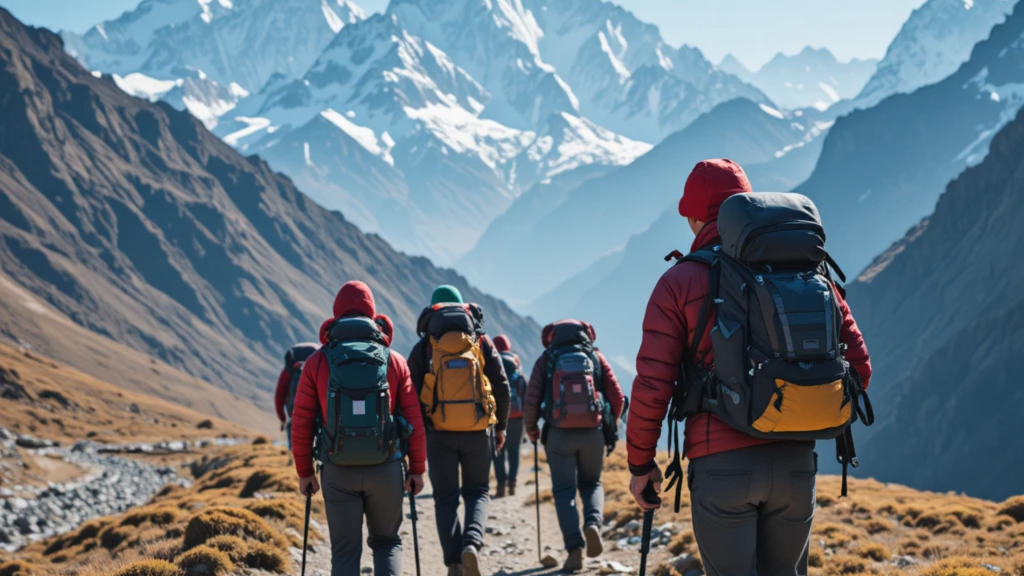
- Stay aware of surroundings check local advisories keep documents secure avoid risky areas use reliable transport
- High up near Everest or Annapurna, your body might struggle if you climb fast. Instead of pushing on, give yourself time to adjust. Staying hydrated helps, so sip water often throughout the day. Some days, stopping makes more sense than moving forward. How you feel matters most when trails rise sharply into thin air.
- When heading into the wild, going with seasoned guides makes a difference. Safety gets stronger when someone who knows the land leads the way instead of guessing paths alone. These helpers step in fast if something goes wrong out where phones don’t reach. Knowing hidden details about weather, trails, or villages often comes from those born nearby. Porters lighten loads so travelers can move easier through tough stretches. With support like that, surprises on the trail feel less sudden.
- Safe storage matters when it comes to key paperwork. Your passport, insurance details, along with any required permits should stay protected at all times. Instead of carrying originals, slip duplicates – scanned versions or physical copies – into another bag. That way, if something vanishes, you are still covered.
- When traveling between cities, pick registered taxis or known tour operators instead of guessing. Mountain roads often bring sharp turns and sudden weather shifts – this makes dependable vehicles a quiet necessity. Tourist buses run set routes, which adds predictability when paths get rough. Safety shows up in small choices, like checking if drivers have proper licenses. Even clear skies can’t fix poor brakes, so vehicle condition matters just as much as the road ahead.
- Travelers heading to Nepal should think about getting insurance that includes trekking coverage. This kind of plan handles accidents too. Emergency helicopter rescue? That’s included as well. It just makes things easier when far from home.
- Watch out when you’re in packed places. Thieves often hang around famous sights and lively market stalls. Your bag should stay close, zipped up, maybe even tucked where it won’t slip away. Cash? Leave most at home – just bring what you truly need.
- Start fresh each time with sealed or cleaned liquids to dodge belly troubles. A different path? Try drops that clean drinks, or reusable jugs with built-in screens. From there, choices open up without risk.
- Different ways of living matter here. Because Nepal holds deep cultural roots, honoring its habits and beliefs opens space for real connection. When travelers follow local rhythms, moments feel more genuine. Tradition shapes daily life, so paying attention shows care. Quiet gestures often speak loudest. Sacred routines deserve patience. People notice when visitors act with awareness. Small choices build trust over time.
- Weather shifts fast in high places. Before setting off, look up the forecast. Local experts often know best – listen to what they say about trail safety.
- Finding your own way through far-off places isn’t always wise. When no one else is around, going it solo might lead to trouble. Sticking with others means someone’s there when things go wrong. A companion or local expert brings experience plus peace of mind. Help arrives faster when more people are present. Walking together changes how challenges unfold.
- With these safety ideas close at hand, exploring Nepal becomes a smoother journey – vibrant towns unfold ahead, then mountain views rise without warning. Each step feels clearer when precautions lead the way instead of fear. Cities hum with life just before trails climb into quiet peaks above clouds.
Cultural Etiquette and Local Customs
A nod goes a long way when meeting someone in Nepal. Because manners matter so much, small gestures like removing shoes before entering a home make an impression. When greeting elders, hands pressed together at the chest speak louder than words. People notice when guests listen more than they talk during meals. Respect shows up not in grand acts but quiet moments – like waiting your turn without rushing. Local traditions gain meaning when approached with curiosity instead of judgment. Smiles spread easily where humility leads the way.
Footwear comes off before stepping inside places of worship, especially temples or monasteries. Modest clothing matters most when walking into these spaces. In some holy spots, taking photos isn’t allowed – better check first. Permission asked ahead of time helps avoid issues later.
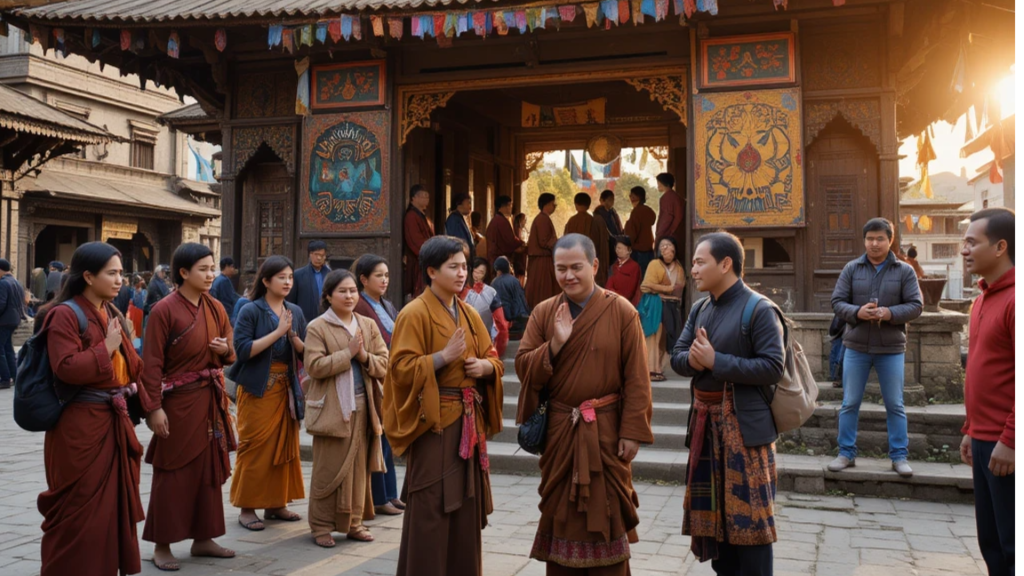
Pressing hands together while saying “Namaste” often greets others respectfully across Nepal. Instead of using both hands, locals tend to pass things with just the right one – since the left holds cultural hesitation around purity.
Life unfolds gently in countryside hamlets and highland settlements. Those who pause to connect thoughtfully with residents tend to uncover richer layers of Nepali heritage.
Conclusion
A journey through Nepal tends to stick with people long after they leave. With rugged terrain, age-old traditions, and welcoming locals, it feels alive in ways few places do. Sacred sites in Kathmandu pull you in just as much as footpaths under massive mountain shadows. Each turn brings something real, never staged, always present.
Ready for a journey? Knowing about local customs, weather patterns, transit options, and entry rules helps shape a richer visit. When visitors come with awareness and curiosity, Nepal’s distinct landscapes and heritage often leave deeper impressions.
Open arms greet travelers in Nepal, whatever brings them – trekking paths, ancient traditions, wild forests, or quiet moments of meaning. Thoughtful preparation plus mindful steps through local ways turns a trip here into something that stays long after it ends.


