
Why Domestic Flights Are Important for Tourism in Nepal
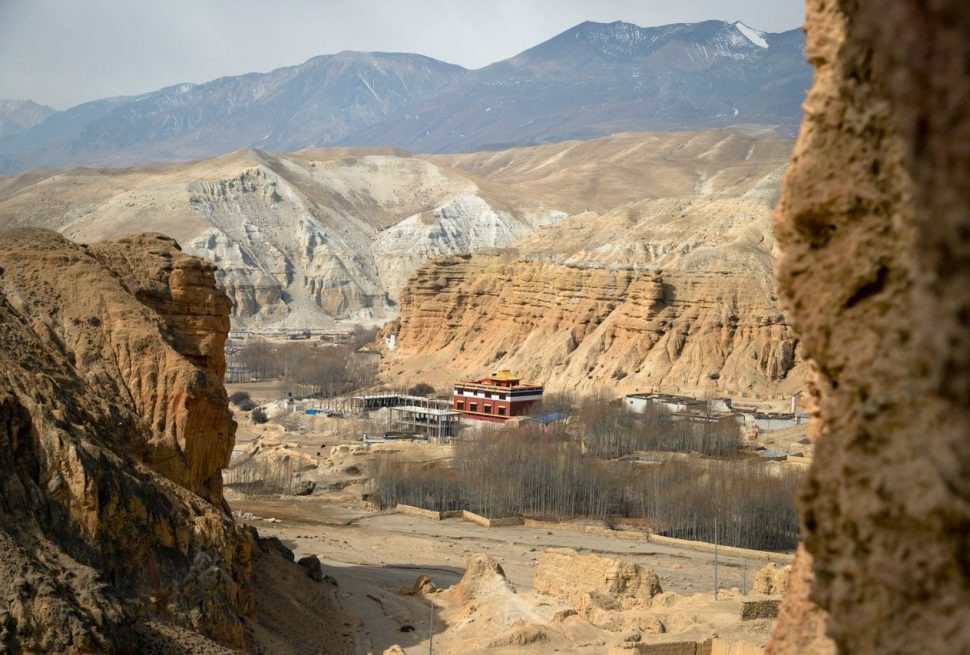
Crossing Nepal feels nothing like moving through any other place on Earth. With eight of the planet’s top fourteen peaks tucked inside its borders, along with steep gorges, stepped farmlands, and warm lowlands, nature here brings wonder – and headaches – for those getting around. Visitors who want to see more than one spot without wasting days find small planes make sense – they save hours, offer jaw-dropping views, plus skip rough roads that twist for endless stretches. Bumpy bus rides might take six hours where a flight takes thirty minutes, so wings beat wheels when clock matters. When mountain treks, temple visits, and tight schedules mix, hopping between cities by air turns from luxury into practical habit. Skies above Himalayan ridges open paths ground cannot match.
Flying Into Kathmandu
Journeys within Nepal often kick off in Kathmandu, where city life pulses alongside deep traditions. Inside Tribhuvan’s domestic wing, crowds move fast – trekkers adjusting packs beside families returning south. Not like sprawling global airports; here everything feels near, almost personal. Paper tickets get stamped without fuss, guards wave you through quickly. You walk straight out onto the runway, boots on pavement, plane steps right ahead under open sky. Mountains rise beyond the airstrip, sharp against morning light. Aboard that small cabin, engine humming beneath, some feel it – the real trip has just started.
Scenic flights with unique aerial views
What stands out about flying inside Nepal is the wild beauty below. Right after leaving the ground, planes climb past patchy green slopes, deep river cuts, and small towns tucked into valleys. When skies stay open, travelers see the full sweep of the Himalayas laid out like a jagged white line meeting the edge of the world. Peaks dusted with snow punch through cloud layers, revealing how massive everything looks when seen from above. Brief hops between cities still deliver snapshots worth keeping, turning each ride into one of those quiet trip memories instead of just seat time.
Kathmandu to Pokhara Top Tourist Path
Flying between Kathmandu and Pokhara ranks among Nepal’s most popular internal trips. Roughly twenty-five minutes long, it cuts what used to be an eight-hour drive down drastically. This city on the lake acts as a starting point for those heading into the Annapurna area. Near landing, many spot Machapuchare towering over green hills like a sharp fin. Instead of spending hours on winding roads, visitors gain time – shifting fast from temple visits to boat rides or mountain trails. Through the window, snow peaks appear suddenly, catching eyes without warning.
The Exciting Journey to Lukla
Up high where the air thins fast, planes drop down toward Lukla like stones skipping across ridges. Touching down at Tenzing-Hillary feels less like landing, more like arriving by dare. A sliver of runway tilted on rock sets hearts racing well before boots hit trail. Because clouds gather quick, flights push off at dawn when shadows still cling to peaks. Through fog-laced windows, glimpses of snow-capped giants flash between breaks in mist. Long after gear gets stowed and cities return, that shaky descent plays again in memory.
Flights to Chitwan Explore the Terai
Flying into Bharatpur from Kathmakhu or Pokhara brings wildlife seekers straight to the edge of Chitwan National Park. Home to rare one-horned rhinos, elusive Bengal tigers, and countless birds, it holds UNESCO status for good reason. Instead of long drives, a brief hop by plane opens quick access to jungle stays, river trips by canoe, and guided rides through wild terrain. Soaring above snowy peaks before descending into green tropical lowlands shows just how much variety fits within one small country. What begins in alpine air ends deep among humid forests teeming with life.
Pilgrimage Routes and Spiritual Tourism
Flying within the country helps people visit sacred places. Many go by plane to see Lumbini, where Lord Buddha was born, yet others head to Janakpur, an important site for Hindus. Since these trips take less time through air travel, older pilgrims manage better, even those coming from abroad on tight schedules. Routes like these let Nepal welcome seekers more easily. Comfort grows when distance shrinks through flight.
Airlines That Fly Popular Vacation Destinations
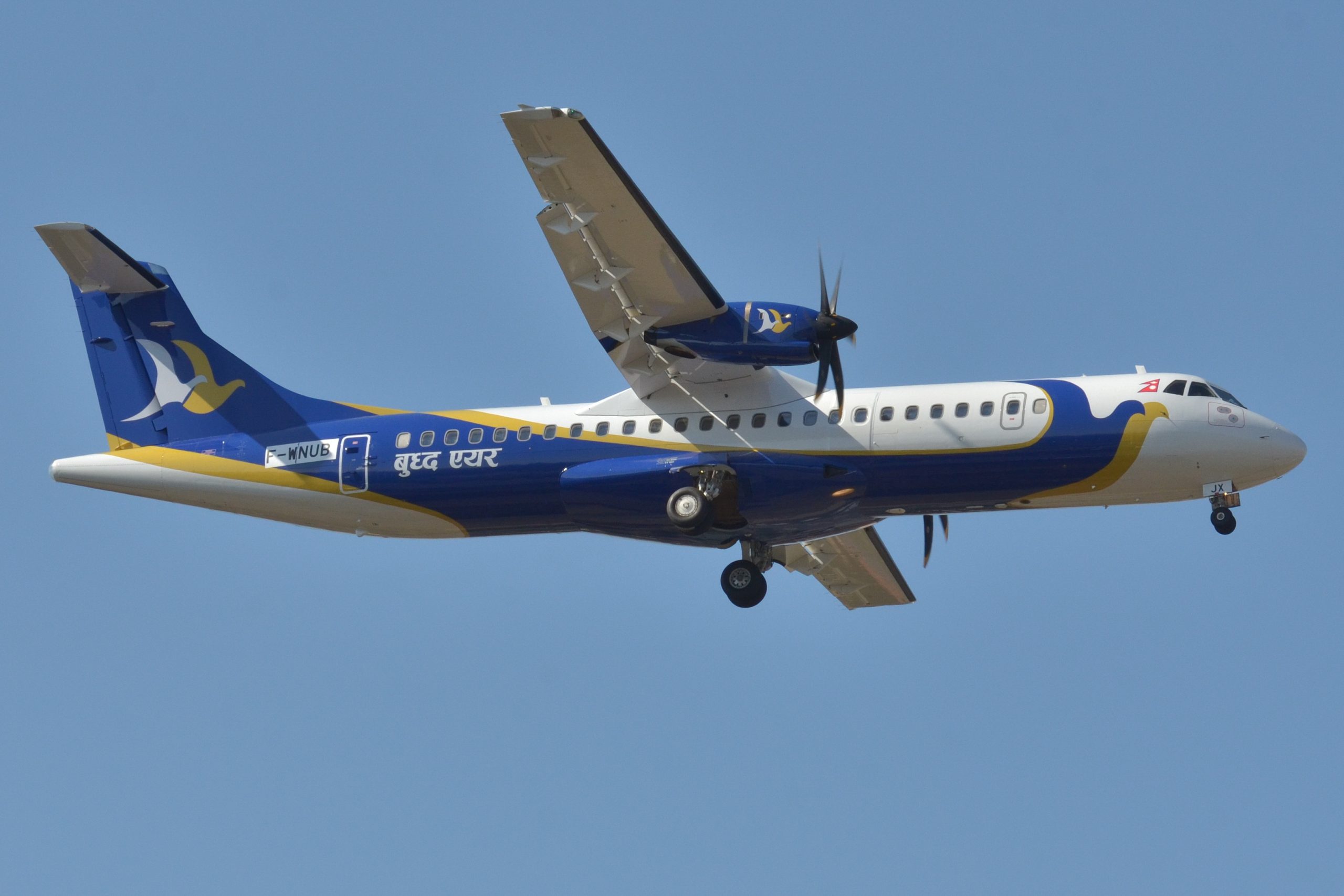
Flying inside Nepal happens through multiple carriers. One of them, Buddha Air, stands out especially between key cities like Kathmandu and Pokhara or Bharatpur – known for steady schedules plus smooth cabins. Not far behind, Yeti Airlines runs many daily flights to central hubs across the country. Where mountains rise sharply, Tara Air steps in with access to steep terrain by air. Smaller zones cut off from roads rely on Summit Air reaching tiny landing strips vital for hikers’ journeys. Most planes used here are propeller-driven models built for brief takeoffs alongside elevated fields.
When to Fly Inside Nepal
Spring brings open skies. Between March and May, clouds stay away. Autumn works just as well. From September through November, the air stays sharp. Views of mountains shine brightest then. Flying in winter? That changes things.
Weather Delays and Staying Flexible When Traveling
Flying inside Nepal saves time, yet mountain views come with risks tied to shifting skies. Though small planes move fast through peaks, sudden fog often hides runways. Winds build quietly – no alerts needed – to shut down airstrips near Everest trails. Lukla’s runway halts all landings when mist thickens past dawn. Smart hikers leave space between local hops and outbound trips abroad. One empty date on your plan softens the blow if storms lock you in place. Calm nerves follow clear options when nature takes control of schedules.
Everest seen from small planes over mountains
Morning flights out of Kathmandu give a rare look at towering peaks for those unable to climb. Because altitude can be tough, these trips float near Everest instead of hiking through it. Aircraft tilt slightly as they trace the spine of the Himalayas just after sunrise. One hour passes quickly while glaciers and snowfields slide beneath the windows. Seeing such heights from a seat feels powerful even when feet stay grounded. The journey skips long walks yet still brings awe face to face. Passengers often sit silent once the mountains fill the view outside. Instead of trails, wings cut quiet paths above frozen ridges and deep valleys. Some find tears come easier here than on any footpath under open sky. After landing, memories hold sharp edges like the summits left behind.
Comparing Air Travel vs. Road Travel
Hugging steep hills, Nepal’s roads keep growing but still bend to nature’s shape. Twisting routes, tight ridges, above sudden slides when rains come – these stretch out drives more than expected. Just getting from Kathmandu to Pokhara? Count on six hours at least, sometimes closer to ten if skies open up or holidays start. Yet hop on a small plane instead, and you land before half an hour ticks past. Seeing villages pass by car builds moments cameras miss; flying skips the wait with sharp precision. Time matters most when days abroad are counted one by one.
Remote trekking areas become more reachable
Getting around Nepal by small plane opens doors to faraway hiking starting points. Instead of weeks on rough roads, travelers reach highland trails fast through short flights. Because of these air links, trips now include areas once too hard to reach. Remote peaks and valleys appear regularly on guided walk schedules thanks to flight networks. Skip the planes, and journeys to famous mountain paths would stretch out, needing extra time and complex arrangements.
Safety Measures and Aviation Standards
Staying safe still drives decisions across Nepal’s air travel sector. Because of steep landscapes, crews train hard in mountain flying while following tight rules for daytime-only flights. Planes on local runs get picked mainly for how well they climb fast and land short. Better navigation tools arrive steadily, alongside updates to daily operations, making things run smoother. Travelers find steadier rides through carriers known for careful upkeep and clear adherence to regulations.
Travel Booking Advice for Visitors From Other Countries
Going up mountains by plane in Nepal? Best to lock down your flight well ahead if you visit between March and May or September to November. Crowds show up then, mostly hikers chasing trails, so seats fill fast on key air paths. Websites usually let you pick a spot days before takeoff, while overseas travel planners might bundle those hops into full trip plans. Weight rules pop up often – especially when hauling climbing gear – because small planes struggle with thin air at high elevation.
Baggage Rules and Trekking Equipment Tips
Flying inside Nepal usually means tight weight rules, particularly where small planes operate. Because trekkers bring heavy packs, sleep systems, or mountaineering tools, checking airline baggage terms early is wise. When loads exceed allowed totals, extra bags might ride later flights – aircraft capacity decides that. Start smart packing ahead of time; mark each item plainly so mix-ups stay rare. Guides frequently step in to sort luggage details, keeping shifts from plane to trail free of hiccups.
Economic and Community Effects of Tourism Flights
Planes flying within Nepal help power an economy built on travelers. Because of flight links, jobs grow in hotels, tour work, driving, and airfield roles. Where roads are scarce, scheduled trips by air keep shops stocked, people employed, and medical aid reachable. When tourists take to the skies, whole villages feel the effect – lives change, towns gain strength.
Domestic Flights in the Nepal Experience
Flying inside Nepal isn’t just about getting somewhere – it’s part movement, part wonder, carried on wings above deep valleys and snow crowns. Reaching Pokhara? The plane dips through morning light, easing you into mountain trails without the long road. Those bound for Lukla rise sharply into thin air, where runways cling to edges and every landing feels earned. Head south instead, and before noon you might touch down near forests humming with elephants and birdsong. Skies here shorten days lost to roads, turning hours into moments saved. Tourists who chase contrast – high ice one day, hot jungles the next – lean on these routes like quiet secrets handed between travelers. In a land shaped by extremes, small planes thread it all together, smooth and unshowy.