

Introduction Preparing for a Trek in Nepal 2027
Nepal is famous for its towering mountains, colorful prayer flags, and incredible views of the Himalayas. But many people don’t realize what goes into making these trips happen. A great trek isn’t just about the walk itself; it’s the product of detailed planning, coordination, and the hard work of a whole team. As Nepal solidifies its position as a leading global trekking destination in 2027, the preparation involved has become more thorough and sophisticated. Everything from planning the route and managing logistics to ensuring safety and protecting the environment is vital to the trekking experience.
This article will explore the hidden efforts behind trek preparation in Nepal, showing what’s needed to create a safe, unforgettable, and impactful adventure in the Himalayas.
1. Knowing the Trek: It’s Not All the Same
Before starting any trek, you need to understand what kind of trip it will be. Treks in Nepal vary a lot. Popular routes like Everest Base Camp or Annapurna Base Camp have teahouses and clear paths. However, places like Dolpo or Upper Mustang need special permits, camping gear, and more detailed planning.
We look at several factors for each trek:
How high it goes and how to handle altitude.
How long it takes and how hard it is.
What the weather will likely be like during the season you plan to go.
How you get there, whether by plane, road, or a mix.
This initial step is very important because it affects everything else, like what you need to pack, how you choose a guide, and what safety steps to take.
2. Planning the Route and Schedule
A good itinerary is key to a successful trek. It’s not just about getting to the end, but doing it safely and with enjoyment.
What goes into planning the itinerary:
- Days for getting used to the altitude.
When hiking at high altitudes, you need to go up slowly. We add days to let your body adjust, which helps prevent altitude sickness.
- How many hours you’ll walk each day.
We plan for balanced walking times, usually 4 to 7 hours a day, so people don’t get too tired.
- Time to rest and flexibility.
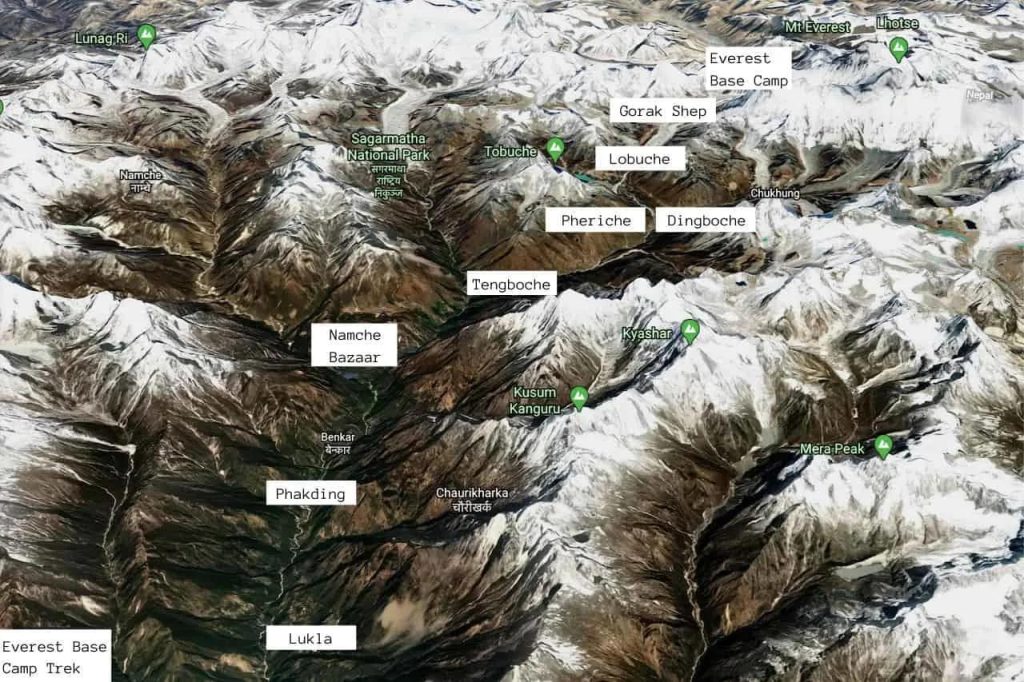
We often add extra days for potential delays due to weather, especially for trips that need flights like those to Lukla or Jomsom.
- Ways to get out in an emergency.
The routes are planned with clear options for evacuation if something goes wrong.
By 2027, trekking companies will likely use GPS, better weather forecasts, and digital tools for planning routes to improve safety and how smoothly things run.
3. Permits and Legal Documents
To trek in Nepal, you’ll need certain permits based on the area you plan to visit. While this process happens without you needing to be directly involved, it’s crucial for making sure your trip is legal and safe.
Usually, you’ll need these permits:
- TIMS (Trekkers’ Information Management System) Card
- Entry permits for National Parks or Conservation Areas
- Permits for Restricted Areas (like Upper Mustang or Manaslu)
These permits are typically arranged ahead of time. This way, you can concentrate on your trek without worrying about paperwork.
4. Assembling the Right Team
The success of a trek largely depends on the team behind it. Skilled and committed professionals are key to a positive trekking experience.
The main team members are:
- Trekking Guides
These certified guides will lead your trek. They manage the route, keep an eye on everyone’s health, and make sure the trek is safe.
2. Porters
Porters carry the necessary equipment, making it easier for trekkers to move along. Their job is physically challenging and earns a lot of respect.
3. Support Staff
For certain treks, especially longer expeditions or camping trips, cooks and kitchen staff are also part of the team.
By 2027, there’s a greater focus on ensuring fair treatment, wages, and appropriate equipment for porters and staff. This shows Nepal’s increasing dedication to responsible tourism practices.
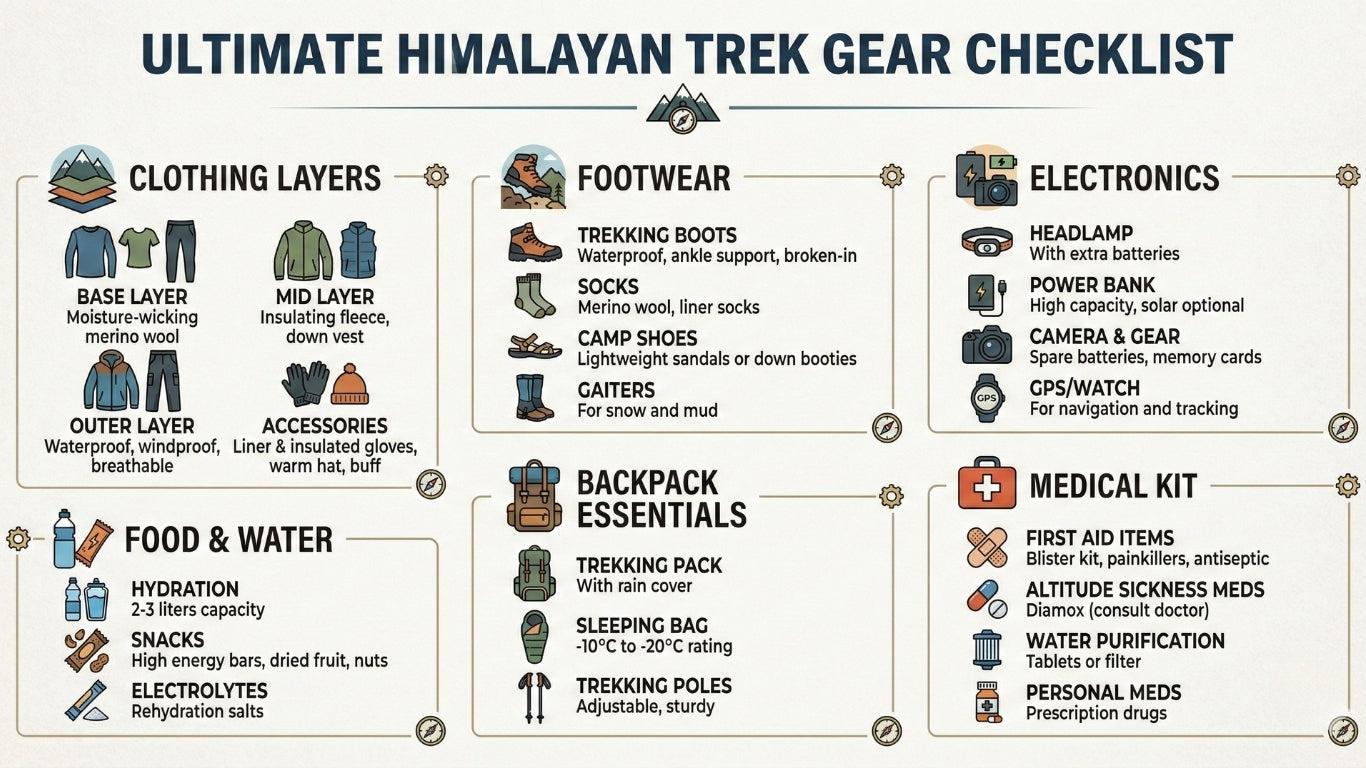
5. Gear Preparation: Every Item Counts
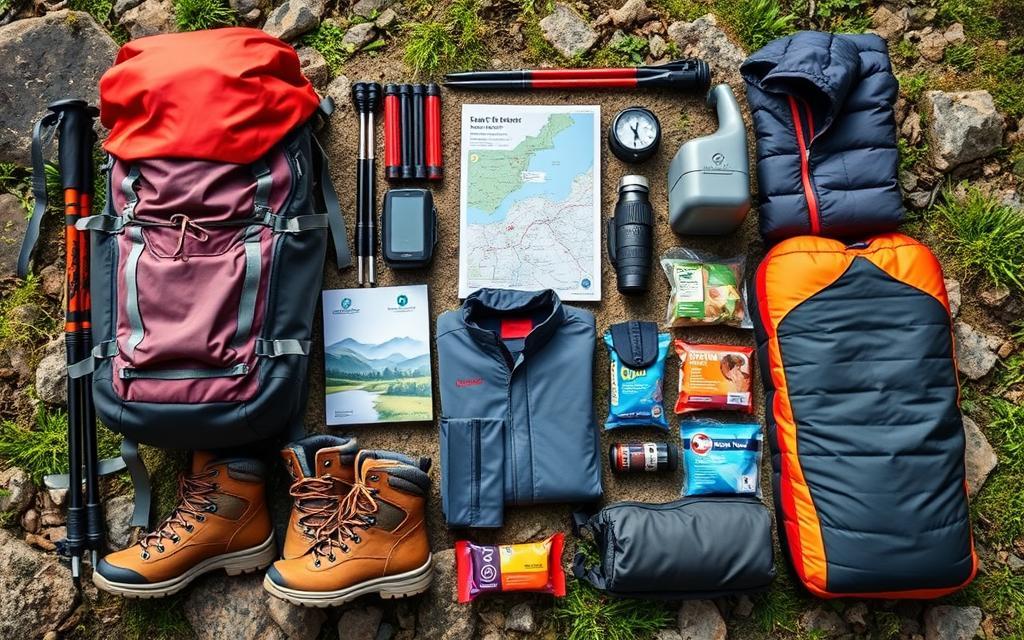
Packing for a Himalayan trek involves careful planning. Every piece of gear you bring needs to have a clear purpose. Carrying extra weight, especially at high altitudes, can make the trek much harder.
Key Gear Types:
Clothing: Use a layering system.
* Base layers help manage sweat.
* Insulation layers keep you warm.
* Outer layers protect you from wind and rain.
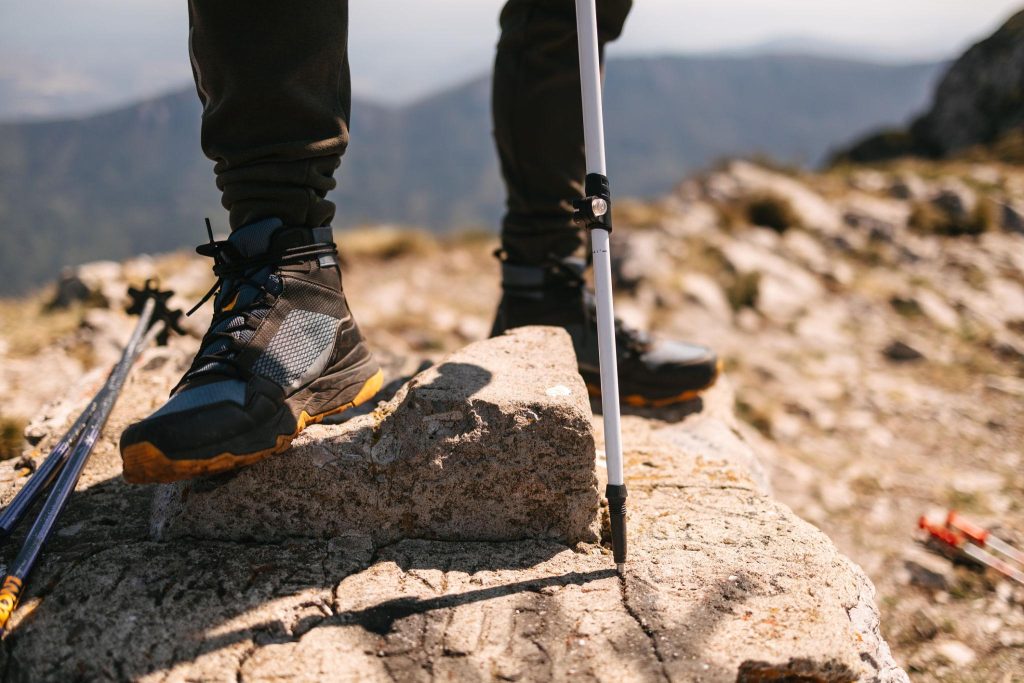
Footwear: You need good trekking boots with solid grip and ankle support.
Sleeping Gear: Even if you stay in teahouses, a sleeping bag is a good idea for warmth and cleanliness.
Other Items:
* Trekking poles help with balance and reduce strain.
* Sunglasses with UV protection are important.
* A headlamp is necessary for visibility.
* Bring gloves and a hat.
Guides usually check everyone’s gear before the trek to make sure nothing important is forgotten.
6. Logistics and Transportation
Getting to the start of a trek can be complicated.
Typical arrangements involve:
* Domestic flights, like flying from Kathmandu to Lukla or Pokhara to Jomsom.
* Jeep or bus rides for treks that are reachable by road.
* Transporting expedition equipment.
Transportation is scheduled to match the trek itinerary. Planners always account for potential delays, especially with flights in mountain areas due to weather.
7. Accommodation and Food Planning
Where you stay depends on the type of trek:
Teahouse Treks: You’ll stay in local guesthouses that offer simple but decent rooms and meals.
Camping Treks: A full camping setup will be arranged, including tents, a dining area, and cooking gear.
Food:
Good nutrition is vital for trekking. Meals are designed to provide:
* Plenty of energy, especially carbohydrates for stamina.
* Warm, comforting food, which is especially nice at high altitudes.
* Hygienic preparation to prevent illness.
Typical meals include dal bhat (rice and lentils), soups, noodles, pasta, and local specialties.
8. Safety and Emergency Plans
Safety is crucial for all trekking activities. Thorough planning is done beforehand to reduce potential dangers.
Important safety steps include:
- Monitoring altitude: Guides regularly check participants’ oxygen levels and watch for any symptoms of altitude sickness.
- First aid: Every trek carries well-stocked medical kits.
- Communication: Satellite phones or radios are used in areas with no other signal.
- Emergency evacuation: Plans for helicopter rescues are made in advance for emergencies.
By 2027, many trekking companies plan to use digital tracking to know where their groups are at all times.
9. Weather and Season Planning
Weather in Nepal, especially in the mountains, can shift quickly. Trekkers must constantly check forecasts as part of their preparations.
The best times to trek are:
- Spring (March to May): The season for blooming rhododendrons with generally stable weather.
- Autumn (September to November): Offers clear skies and good visibility.
- Weather reports are checked daily, and trip plans might be changed based on the conditions.
10. Environmental Care and Sustainable Trekking
Trekking in Nepal today involves more than just adventure; it also means being responsible.
Sustainable practices involve:
- Reducing plastic waste.
- Using refillable water bottles.
- Supporting local people.
- Protecting wildlife and natural environments.
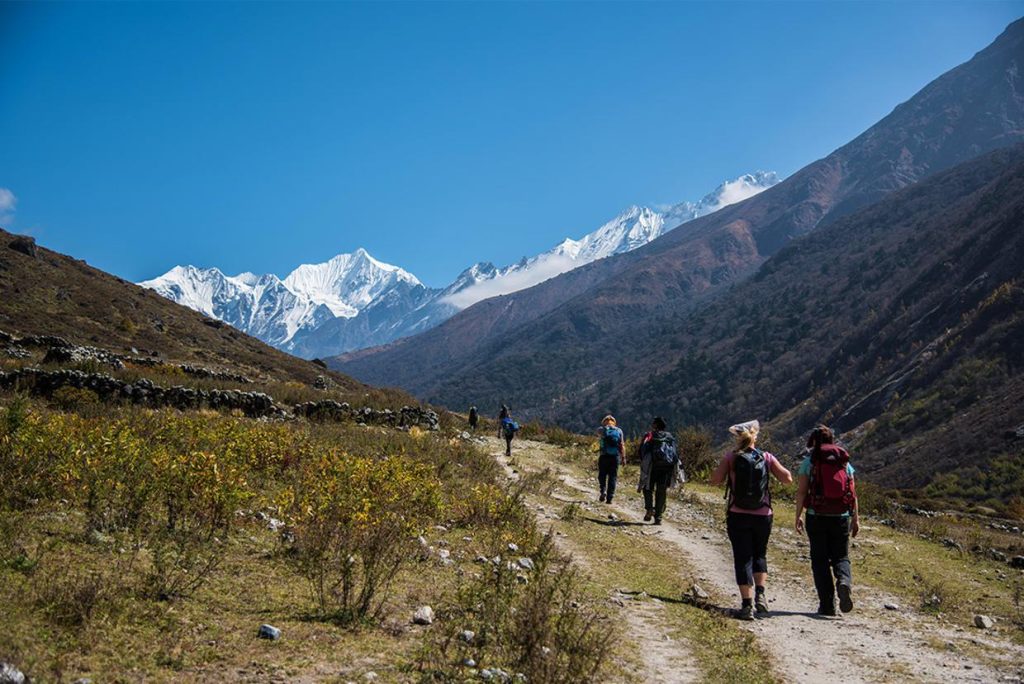
Trek participants are urged to follow “Leave No Trace” guidelines. This helps keep the Himalayas clean for those who come after.
11. Cultural Awareness and Community Interaction
Nepal boasts a wealth of cultural traditions and historical heritage. Trek preparation involves informing trekkers about local customs, etiquette, religious practices, and the importance of respecting monasteries and sacred sites. Interacting respectfully with local communities enriches the trekking experience and helps build genuine connections.
12. Preparing Your Mind and Body
Trekking in Nepal presents both mental and physical challenges. To prepare, engage in regular cardiovascular and endurance exercises, practice hiking with a weighted backpack, and cultivate mental resilience to handle changing conditions, along with patience and adaptability. Being well-prepared allows trekkers to fully appreciate the journey instead of finding it overly difficult.
13. Pre-Departure Briefing
A comprehensive briefing takes place before the trek commences, covering the daily itinerary, safety protocols, emergency plans, and a review of the gear checklist. This ensures all participants begin their trek with sufficient information and confidence.
14. The People Powering Your Trek
The human element is a crucial part of trek preparation. From the administrative staff managing bookings to the guides on the trails and the porters carrying equipment, each individual contributes significantly. Their commitment, expertise, and collaborative efforts are instrumental in turning a standard trek into a memorable adventure.
Looking Ahead: Trekking in Nepal in 2027 and Beyond
As 2027 progresses, trekking in Nepal is seeing changes due to improvements in technology, safety measures, and sustainable tourism.
Trekkers can anticipate:
- Improved infrastructure in trekking areas.
- Upgraded safety and communication tools.
- More environmentally friendly trekking choices.
- Customized and adaptable travel plans.
Despite these developments, the natural splendor of the Himalayas and the spirit of adventure they evoke remain constant.
Conclusion
Every stunning photograph from the Himalayas captures a story of careful planning, commitment, and collaboration. Trekking in Nepal involves more than just reaching a summit; it encompasses the journey, the interactions with people, and the work required to make it happen. From charting routes and managing logistics to prioritizing safety and environmental respect, each element is significant. Acknowledging the efforts behind the scenes helps trekkers gain a richer appreciation for the experience.
Therefore, the next time you walk a Himalayan path, keep in mind that you are not merely traversing mountains. You are engaging in a thoughtfully organized adventure, shaped by enthusiasm, skill, and a deep affection for the mountains.
This dedication is what makes trekking in Nepal exceptionally remarkable.


