
If you’ve ever stared at photos of the Himalayas, dreaming of crisp mountain air, towering snow-capped peaks, and trails that feel like a step back in time, it’s easy to get overwhelmed by the sheer number of options in Nepal. Everyone talks about the Everest Base Camp or the Annapurna Circuit. But if you’re looking for something that captures the pure, raw magic of the Himalayas without the tourist traffic jams, let me introduce you to the Langtang Valley Trek.
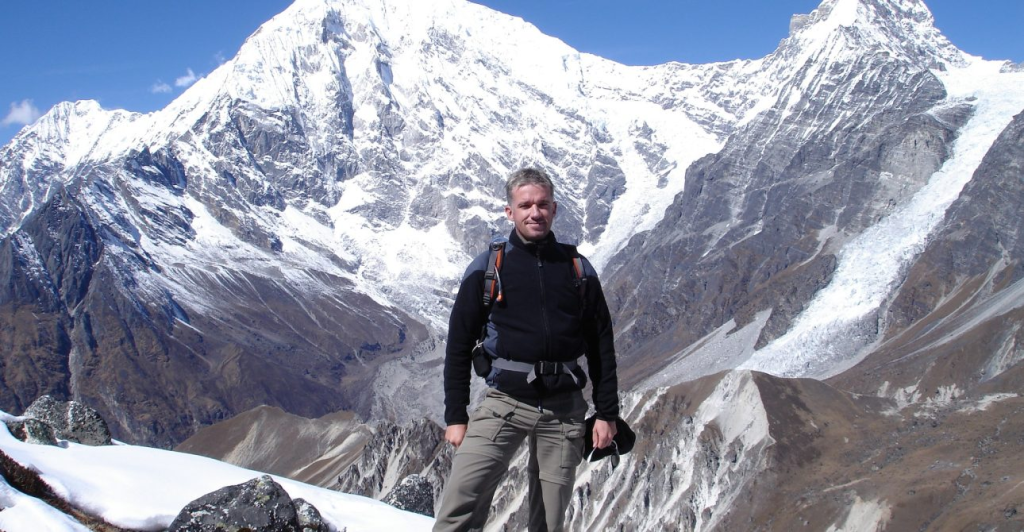
Often called “the valley of glaciers,” Langtang is one of Nepal’s best-kept secrets. It sits closer to Kathmandu than most other major treks, yet it feels worlds away. Whether you are a seasoned trekker looking for a fresh perspective or a first-timer ready to take your first steps into high-altitude territory, here are five reasons why Langtang deserves a spot at the very top of your travel bucket list.
1. Spectacular Himalayan Views (Minus the Struggle)
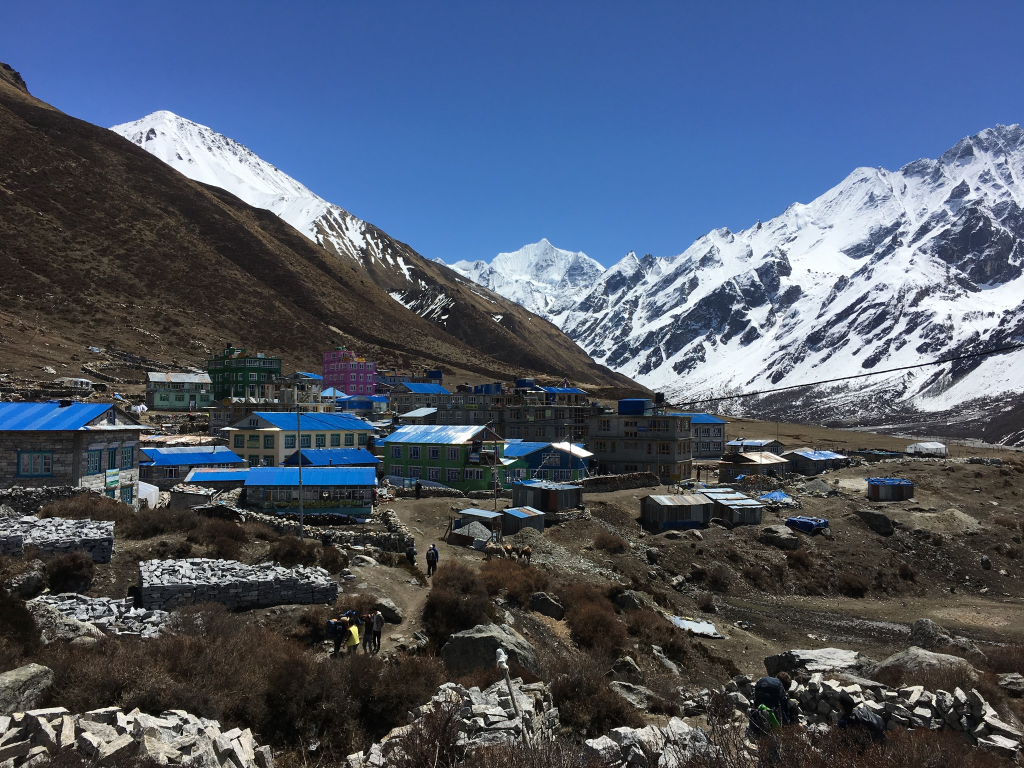
Let’s be honest: we go to the Himalayas to see mountains that defy belief, and Langtang absolutely delivers. As you ascend the valley, the landscape shifts dramatically from lush green foothills to a colossal amphitheater of ice and rock.
You’ll find yourself walking under the shadow of Langtang Lirung ($7,234\text{m}$), a mountain so massive it dominates the skyline for days. You’ll also catch stunning glimpses of Ganesh Himal and Dorje Lakpa. The ultimate reward comes when you hike up to Kyanjin Ri or Tserko Ri—viewpoints that place you right in the middle of a panorama of frozen glaciers and sharp, snowy peaks. It’s the kind of scenery that makes you stop in your tracks, pull off your beanie, and just stare in absolute awe.
2. Authentic Tamang Culture
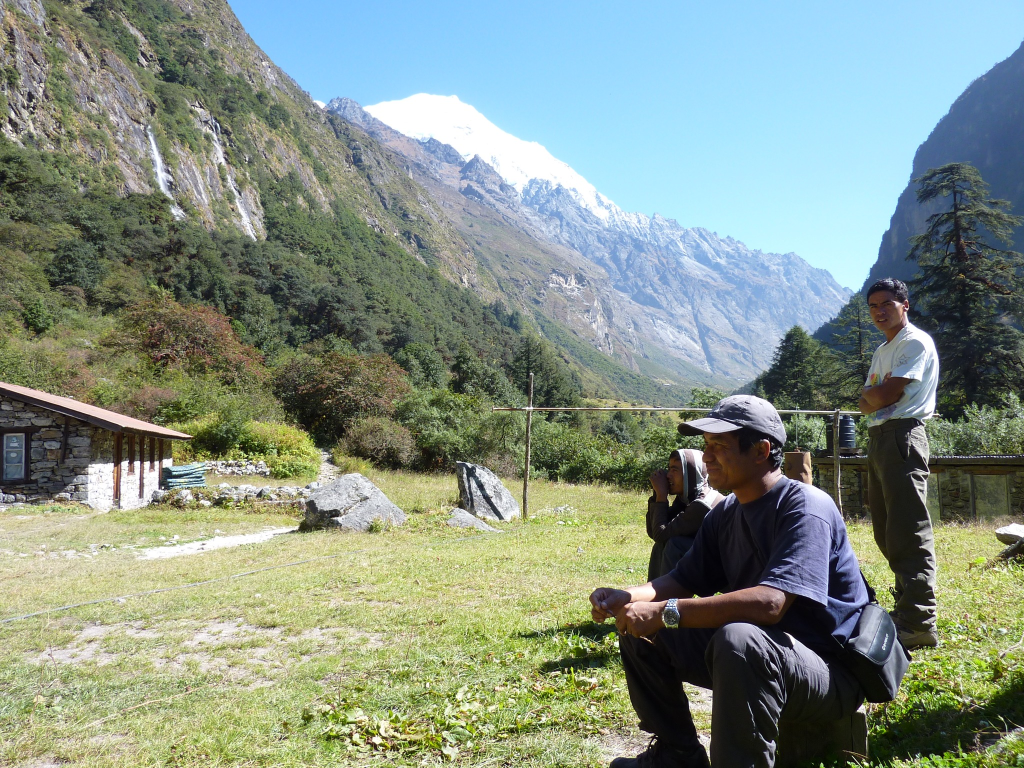
A trek in Nepal is never just about the mountains; it’s about the people who call them home. The Langtang region is the heartland of the Tamang community, whose culture is heavily influenced by Tibetan Buddhism.
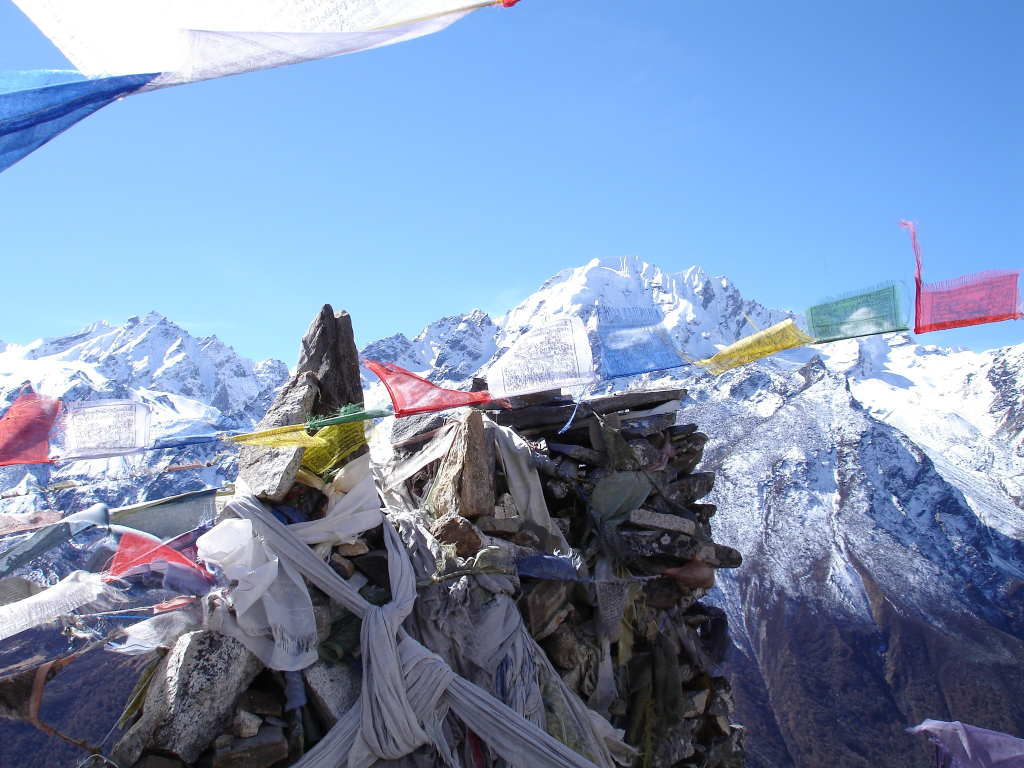
Walking through these villages isn’t a passive experience. You’ll find yourself stepping around intricately carved mani walls, passing beneath arches of fluttering, colorful prayer flags, and hearing the distant spin of prayer wheels. The local people are incredibly resilient—having completely rebuilt their lives and villages after the devastating 2015 earthquake—and their warmth is unmatched. Sitting by a wood-burning stove in a local teahouse, sipping hot sea buckthorn juice or butter tea while sharing stories with your hosts, is where the real magic of this trek happens.
3. Beautiful Forests and Diverse Wildlife
Because the trail cuts right through Langtang National Park (Nepal’s first Himalayan national park), the biodiversity here is staggering. You start your journey walking through dense, mossy forests of oak and maple, listening to the roar of the Langtang Khola river below.
If you time your trek for the spring (March to May), the entire valley erupts into a sea of red, pink, and white rhododendrons. It feels less like a rugged mountain trail and more like a fairytale forest. Keep your eyes peeled and your camera ready, too. While elusive, the park is a sanctuary for the endangered red panda, Himalayan black bears, musk deer, and troops of playful grey langur monkeys swinging through the canopy.
4. Less Crowded, More Peaceful
On some of the more famous routes in Nepal, you sometimes spend more time dodging other trekking groups and yak trains than actually soaking in the wilderness. Langtang is different.
It offers a much more intimate, introspective trekking experience. There are moments on the trail where you’ll look ahead and behind, realizing you have the entire Himalayan valley to yourself. It’s just you, the crunch of your boots on the dirt, the whistling wind, and the soaring eagles above. If you want a journey that allows you to genuinely disconnect from the noise of modern life and reconnect with nature, this is your sanctuary.
5. Perfect for a Short Himalayan Adventure
Not everyone has three full weeks to commit to a trek, and that’s where Langtang truly shines. A standard itinerary takes just 7 to 10 days, making it incredibly accessible for people with limited vacation time.
Even better? It requires zero domestic flights. Unlike the Everest region, where you have to pray for clear weather to fly into the notoriously tricky Lukla airport, Langtang is reached by a scenic (and bumpy!) overland drive from Kathmandu to the trailhead at Syabrubesi. You save money, avoid flight delays, and get to see the beautiful, terraced countryside of rural Nepal along the way.
A Quick Look at the Trek Logistics
| Feature | What to Expect |
| Duration | 7 to 10 days |
| Maximum Altitude | 3870m |
| Difficulty | Moderate (Good fitness required, but no technical climbing) |
| Best Time to Go | Autumn (Oct–Nov) for clear skies; Spring (Mar–May) for flowers |
| Accommodation | Cozy, locally-run mountain teahouses |
Final Thoughts
The Langtang Valley Trek isn’t just a substitute for the busier routes; it’s a premier destination in its own right. It hits the perfect sweet spot: it’s short enough to fit into a tight schedule, gentle enough for determined beginners, yet spectacular enough to blow away even the most cynical world travelers.
By trekking here, you’re also directly supporting local communities that r, ,lk
ely heavily on sustainable tourism. If you are looking for an authentic, peaceful, and fiercely beautiful Himalayan adventure, Langtang is waiting for you with open arms.