

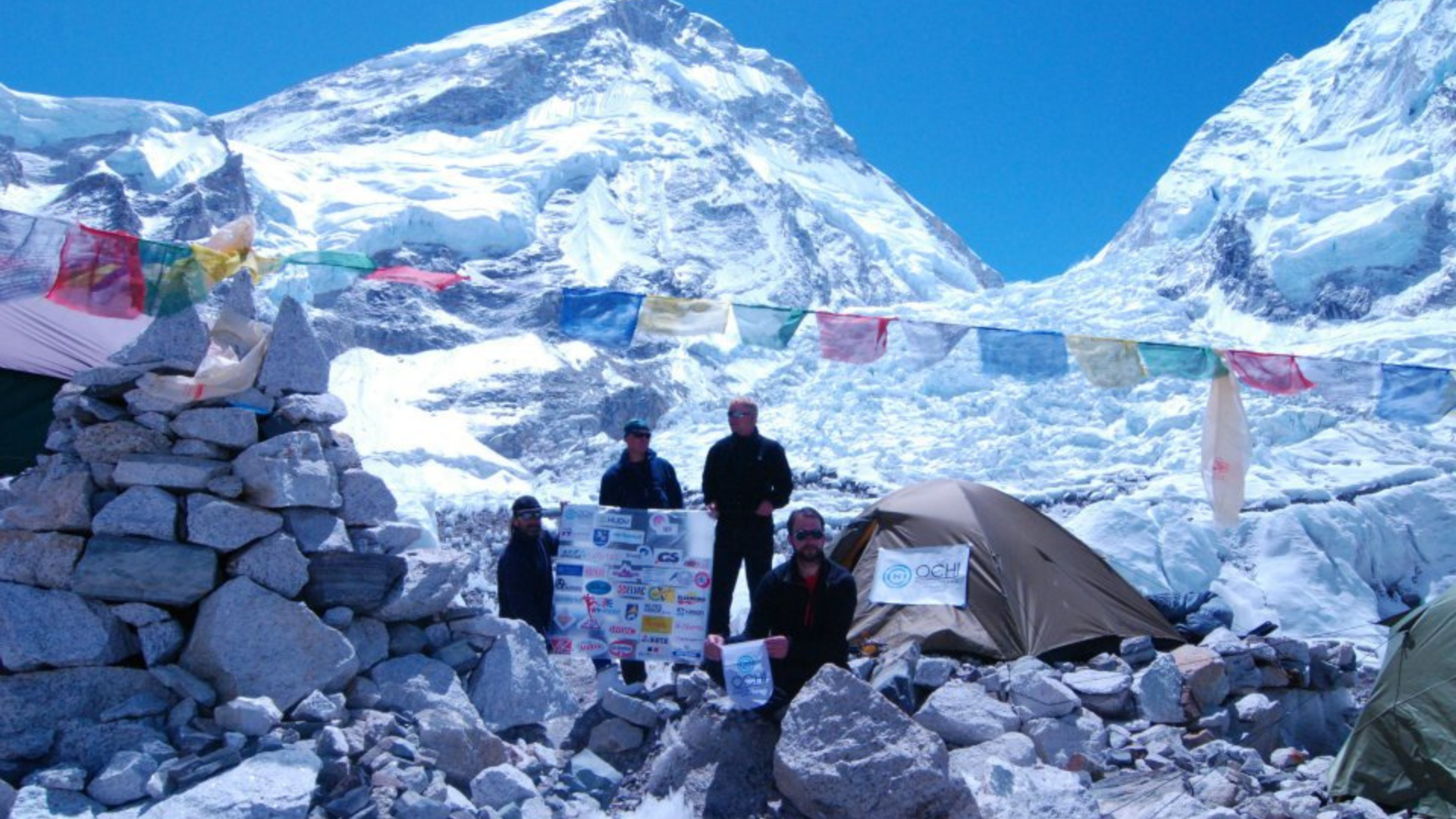

Overview Mount Lhotse Expedition
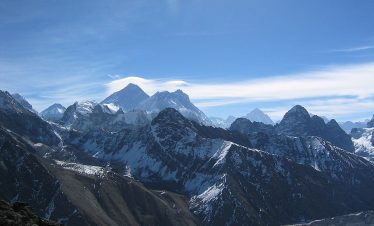
Mt. Lhotse, often referred to as the “South Peak,” is the fourth highest mountain in the world, standing at an elevation of 8,516 meters (27,940 feet). It is part of the Everest massif, making it an iconic mountain in the Himalayas. Located in the Mahalangur Range of Nepal, Lhotse shares a deep historical and geographical connection with its neighboring giant, Mount Everest.
2. The Lhotse Summit
Lhotse has three summits, each unique and remarkable in its own right. The main summit is at 8,516 meters and is the focus of most climbers’ efforts. The other two peaks are the Lhotse Middle (East) at 8,414 meters and Lhotse Shar at 8,383 meters. The first successful ascent was made in 1956 by Ernst Schmied and Fritz Luchsinger, making it a significant milestone in mountaineering history.
3. Lhotse’s Proximity to Everest
Lhotse’s location near the mighty Mount Everest is a major reason why it garners attention from climbers worldwide. Many mountaineers ascending Everest use the same standard route that leads through Lhotse’s northwest face. As climbers ascend, they pass through some of Lhotse’s most dangerous and steep sections, especially the area leading to the South Col.
4. The South Face of Lhotse
One of Lhotse’s most striking features is its South Face, which is considered one of the most dangerous and challenging mountain faces in the world. Rising 3.2 kilometers vertically over just 2.25 kilometers of horizontal distance, it makes for an almost impossible climb. The extreme steepness and technical difficulty make it a rare attempt, only taken on by the most experienced climbers. Despite its proximity to Everest, the South Face is a challenge on its own.
5. The Steepest Mountain Face
The South Face of Lhotse is regarded as one of the steepest mountain faces on Earth. With a 3.2 km vertical rise in a horizontal distance of just 2.25 km, this face is incredibly difficult to scale. It has been called “The Everest of south faces” due to its sheer verticality. The face has an average gradient of more than 50 degrees, demanding extreme technical climbing skills.
6. Difficulty and Rarity of the Climb
Climbing the South Face of Lhotse is considered one of the most difficult and perilous mountaineering challenges in the world. Due to its extreme gradient, technical difficulty, and the unpredictable weather patterns, it remains a rare climb attempted only by seasoned mountaineers. Those attempting this route must be prepared for harsh conditions, altitude sickness, and the peril of avalanches, rockfalls, and icefalls.
7. Lhotse’s Prominence
Lhotse is known for having the smallest prominence among all the 8,000-meter peaks. With a prominence of only 610 meters, it is much less pronounced than other 8,000-meter mountains. Prominence refers to the height of the summit above the lowest contour line that encircles it and no higher summit. Despite its relatively low prominence, Lhotse’s towering presence on the Himalayas cannot be understated.
8. The Connection Between Lhotse and Everest
Lhotse’s connection to Mount Everest extends beyond proximity. Climbers on the standard route to Everest pass through Lhotse’s northwest face, which connects both peaks. Lhotse and Everest are linked by the South Col, a crucial point in the ascent to Everest. As a result, many climbers gain experience on Lhotse before attempting the challenging summit of Everest.
9. Lhotse’s Technical Aspects
Lhotse is often regarded as a technical climb due to its steep gradients, treacherous terrain, and the need for advanced mountaineering skills. Climbers require a high level of proficiency in ice climbing, rock climbing, and navigation under extreme conditions. The technical challenges presented by the South Face make Lhotse a peak that demands the utmost respect and expertise.
10. The Future of Climbing Lhotse
Though Lhotse is not as frequently climbed as Everest, its allure remains for experienced mountaineers. The South Face remains a coveted and highly challenging route, and future attempts at its ascent are expected to continue. With advancements in mountaineering technology, improved weather forecasting, and growing experience among high-altitude climbers, the future of Lhotse’s South Face may see more successful climbs. However, it will always retain its reputation as one of the most difficult feats in the climbing world.
Mount Lhotse Expedition Trip Highlights
- Fourth Highest Mountain: At an altitude of 8,516 meters (27,940 feet), Lhotse is the fourth highest peak on Earth, located near the Everest massif in the Himalayas.
- Three Summits: Lhotse has three distinct summits: the main summit (8,516m), Lhotse Middle (East) at 8,414m, and Lhotse Shar at 8,383m.
- The South Face: Known for being one of the steepest and most difficult mountain faces in the world, Lhotse’s South Face rises 3.2 km vertically over just 2.25 km of horizontal distance, making it a rare and challenging climb.
- Climbing Proximity to Everest: Lhotse is often tackled by climbers on the Everest route, as climbers ascend the standard Everest route through Lhotse’s northwest face before reaching the South Col.
- Smallest Prominence: Lhotse holds the distinction of having the smallest prominence (610 meters) among all the 8,000-meter peaks, yet its dramatic presence remains one of the most remarkable in the Himalayas.