


Overview
Gokyo Cho-La Pass Trek is an exhilarating adventure in the Everest region, offering breathtaking mountain views, diverse landscapes, and iconic trekking routes. This journey takes you through the stunning Gokyo Valley, past the mesmerizing turquoise Gokyo Lakes, and up to Gokyo Ri, where trekkers can witness panoramic views of Everest, Lhotse, Makalu, and Cho Oyu.
Following the beauty of Gokyo, the Gokyo Cho-La Pass Trek continues across the challenging Cho-La Pass (5,420m), which connects Gokyo to the Khumbu Valley. From there, the route leads to the legendary Everest Base Camp (5,364m) and Kala Patthar, a renowned viewpoint offering stunning sunrise views over Mount Everest.
This trek is perfect for those seeking to experience the best of the Everest region. Along the way, travelers encounter diverse landscapes, traditional Sherpa villages, and a rich Tibetan-influenced Buddhist culture. The route includes popular stops like Namche Bazaar, the vibrant hub of the Khumbu, and Tengboche, home to the revered Tengboche Monastery.
Crossing the Cho-La Pass presents a challenging yet rewarding experience, requiring trekkers to traverse glaciers and rocky terrain before descending toward Everest Base Camp. Cozy teahouses and lodges along the way provide warm hospitality, making the trek even more memorable.
This trek is highly recommended for adventure enthusiasts seeking an unforgettable Himalayan experience. Due to the high altitude and demanding terrain, proper acclimatization, good physical fitness, and thorough preparation are essential. The journey promises breathtaking views, rich cultural encounters, and the ultimate Himalayan adventure.
Best Time to Visit
The ideal seasons for the Gokyo Cho-La Pass Trek via Everest Base Camp are spring (March to May) and autumn (September to November). These periods offer the best weather conditions and spectacular views of the Himalayas.
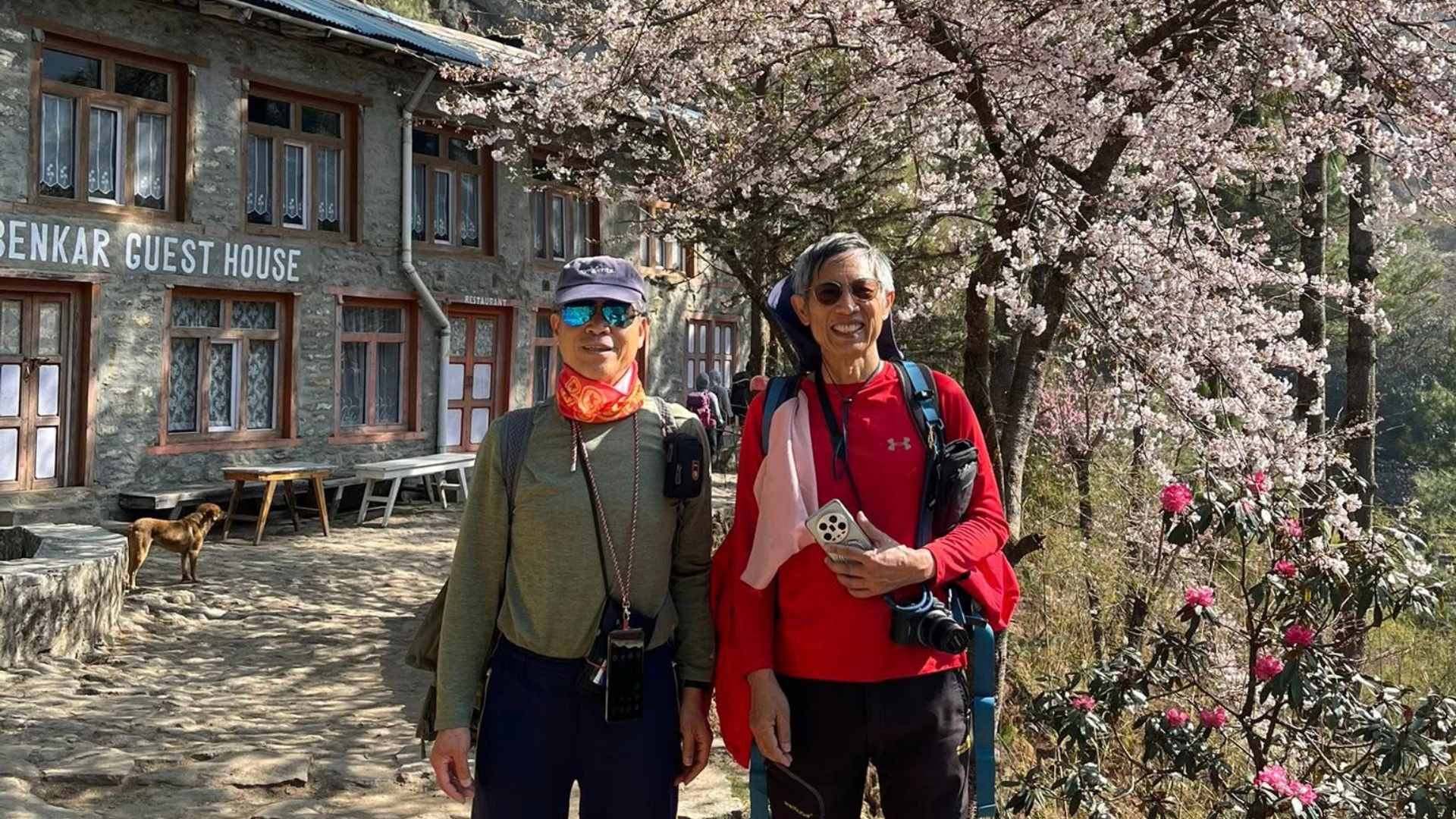
- Spring (March to May): This season brings stable weather, mild temperatures, and longer daylight hours. The trails are vibrant with blooming rhododendrons and lush greenery, enhancing the trekking experience.
- Autumn (September to November): A post-monsoon season marked by clear skies, comfortable temperatures, and breathtaking landscapes. The hills turn golden and red with autumn foliage, creating picturesque scenery.
- Winter and Monsoon: Less favorable due to extreme conditions. Winter brings heavy snowfall and freezing temperatures, making passes difficult to cross. Monsoon rains cause slippery trails, making trekking hazardous.
What to Expect on the Trek
The combined trek through Gokyo, Cho-La Pass, and Everest Base Camp is a thrilling adventure through the Khumbu region. The journey starts with a flight to Lukla, followed by gradual ascents through Namche Bazaar and Dole before reaching Gokyo Valley. Trekkers witness the stunning Gokyo Lakes and ascend Gokyo Ri (5,357m) for panoramic mountain views.
The most demanding section is crossing Cho-La Pass, requiring endurance as it involves trekking on a glacier and steep rocky terrain. Descending towards Lobuche, the trail merges with the classic Everest Base Camp route.
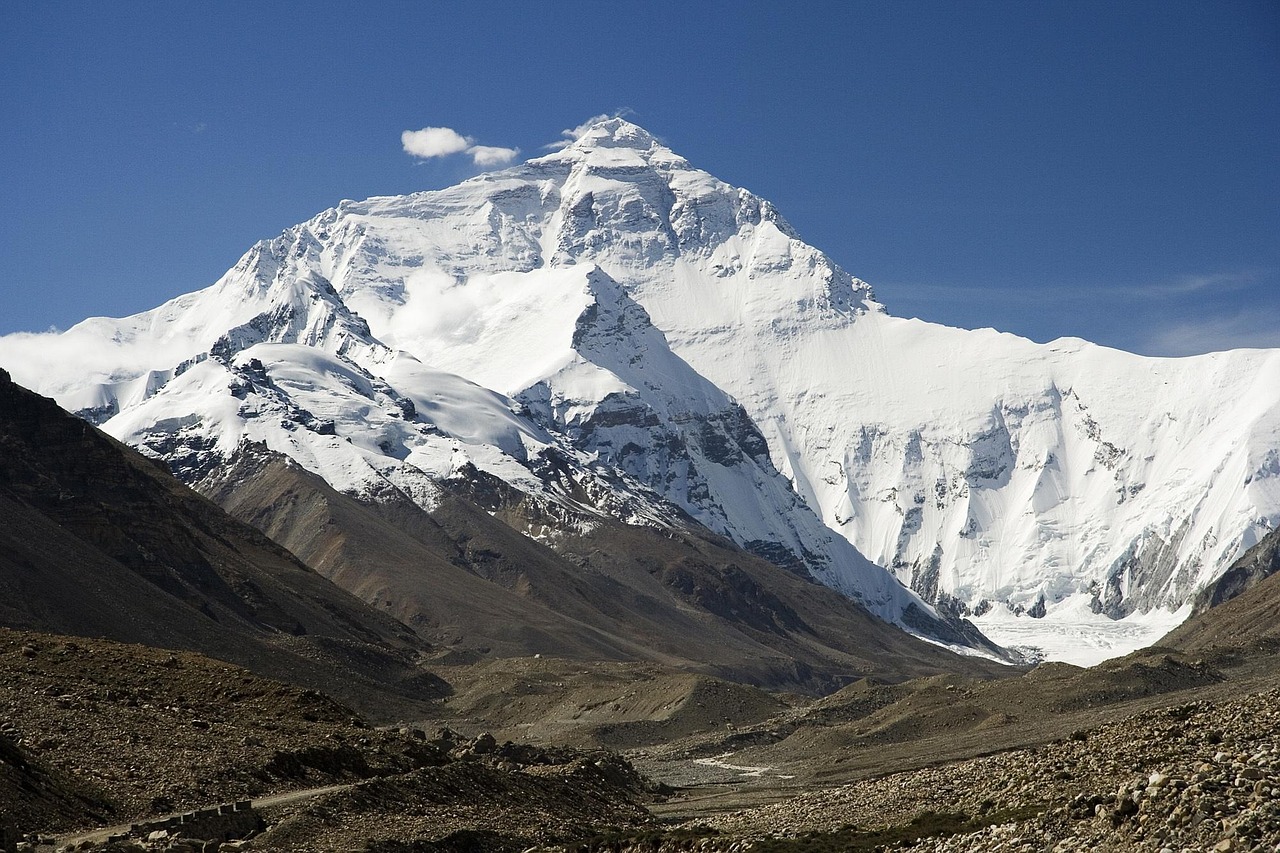
Upon reaching Everest Base Camp, trekkers stand at the foot of the world’s highest peak, surrounded by ice formations and the Khumbu Glacier. Kala Patthar (5,545m) offers the best sunrise views of Everest. The return follows a descent through Pheriche and Namche Bazaar, eventually completing the loop in Lukla.
This high-altitude trek demands physical stamina and preparation, but the rewards include breathtaking landscapes, Sherpa culture, and some of the world’s most stunning mountain vistas.
Altitude Sickness Awareness
Rapid ascents can cause altitude sickness, with symptoms such as nausea, headaches, shortness of breath, and increased heart rate. If symptoms persist, trekkers should immediately inform their guide. To minimize risks:
- Rest and acclimatize before ascending higher.
- Stay hydrated.
- Avoid smoking, alcohol, and excessive exertion.
Accommodation and Food
Teahouses along the route offer basic accommodations with shared bathrooms. Rooms typically include a bed with a mattress, pillow, and blankets. Hot water is available at an additional charge.
Meals are hearty and diverse, including Nepali, Indian, Tibetan, Italian, and continental cuisine. Locally sourced ingredients add an authentic taste to the meals, ensuring energy for the trek.
Travel Insurance
Trekking at high altitudes involves risks, making travel insurance essential. Policies should cover:
- High-altitude trekking
- Medical expenses
- Emergency evacuation (helicopter rescue)
- Trip cancellations and loss of personal belongings
Additional coverage for adventure sports may be beneficial. Always read policy details carefully before purchasing.
Required Permits
Trekkers need the following permits:
- Sagarmatha National Park Entry Permit
- Trekker’s Information Management System (TIMS) Card
Hiring a Guide and Porter
Hiring a guide and porter enhances the trekking experience. Guides provide valuable insights into Sherpa culture, traditions, and history, while also ensuring safety on the trails. Porters ease the burden by carrying heavy backpacks, allowing trekkers to focus on the journey.
Join us to hire experienced, licensed trekking guides and porters who are knowledgeable, friendly, and insured, ensuring a smooth and enjoyable trekking experience.
TRIP HIGHLIGHTS
- Passes through diverse landscapes, including glacial moraines, dense forests, high- altitude settlements, and lush valleys
- Breathtaking views of snow- capped peaks like Ama Dablam, Lhotse, and Mount Everest
- Opportunity to experience the unique culture of the Sherpa people and their warm hospitality
- Visit Gokyo valley and its mesmerizing lakes
- Crossing the Chola Pass offers stunning panoramic views of the Everest region
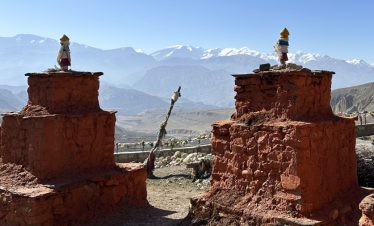
- Witness colorful Buddhist monasteries and prayer flags along the trekking route
- Experience Sherpa culture deeply influenced by Tibetan Buddhists traditions
- Stunning views of Cho Oyu, the world’s sixth- highest mountain
- Gokyo Ri, a viewpoint that offers panoramic vistas of the Everest region, including Mt. Everest itself
- Climb to the summit of Kala Pattha, a renowned viewpoint