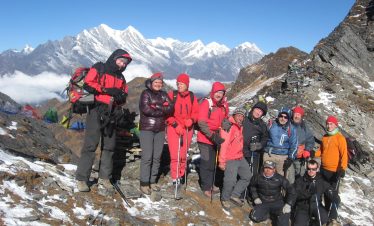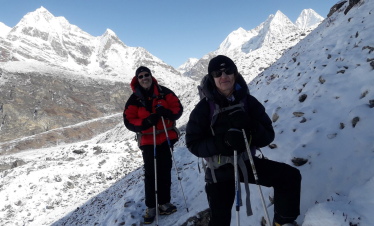


The Langtang trek to Kyanjin Gompa is one of Nepal’s most rewarding short treks, perfect for those eager to explore high Himalayan beauty without tackling extreme altitudes. Nestled in the central Himalayas, this 10-day journey winds through the scenic Langtang Valley, a stunning yet less-traveled region. From day one, the trek captivates adventurers with snowcapped peaks, peaceful trails, and warm village hospitality.
Trekking Through Langtang National Park
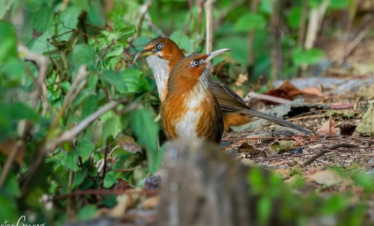
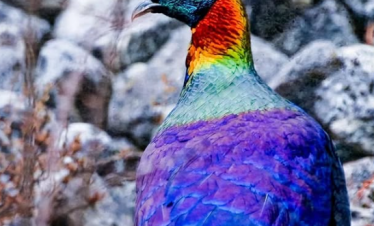
The journey begins in Syabrubesi, the gateway to the Langtang region. Trekkers then ascend through Langtang National Park, a protected area rich in diverse flora and fauna. Along the Langtang Valley to Kyanjin Gompa Trek, expect to pass dense pine, oak, and rhododendron forests, home to red pandas, Himalayan black bears, and langurs. According to the Nepal Tourism Board, this area is one of Nepal’s biodiversity hotspots, adding ecological richness to your adventure.
Cultural Encounters and Local Life
What truly sets the Langtang Valley to Kyanjin Gompa Trek apart is its deep cultural immersion. The trail passes through villages inhabited by Tamang and Sherpa communities, whose Tibetan Buddhist traditions are vibrant and enduring. Charming stops at Lama Hotel, Langtang Village, and Mundu provide chances to engage with locals, savor traditional meals, and witness daily mountain life firsthand.
The Beauty of Kyanjin Gompa and Beyond
The highlight of the trek is Kyanjin Gompa, a serene monastery perched at about 3,870 meters. It’s a tranquil spot for rest and spiritual reflection, surrounded by majestic Himalayan giants. Nearby day hikes to Kyanjin Ri and Tserko Ri reward trekkers with spectacular views of Langtang Lirung, Dorje Lakpa, and other peaks. The monastery’s peaceful energy and stunning vistas make Kyanjin Gompa unforgettable.
Langtang Lirung (7,227 m / 23,711 ft)
The highest peak in the Langtang Himal, towering above the valley and dominating views from Kyanjin Gompa. Its steep icefalls and massive glaciers make it one of the most dramatic mountains in central Nepal.
Dorje Lakpa (6,966 m / 22,854 ft)
A pyramid-shaped peak often glowing golden at sunrise. Located at the eastern end of the Langtang Himal, near the Nepal–Tibet border, it’s a prominent sight from higher viewpoints like Tserko Ri.
Gangchempo (6,388 m / 20,958 ft)
A sharply ridged, unclimbed peak that adds striking contrast to the Langtang skyline. Its dramatic pyramid shape makes it especially photogenic from Kyanjin Gompa.
Yala Peak (5,520 m / 18,110 ft)
A trekking peak popular with beginners, offering a non-technical climbing experience. Often used for training climbs, it provides sweeping views over Langtang Lirung, Shishapangma, and Dorje Lakpa.
Naya Kanga / Ganja La Chuli (5,846 m / 19,179 ft)
Situated near the Ganja La Pass, this mountain is a favorite among climbers due to its accessibility. Its ridges and slopes provide excellent climbing challenges with rewarding views of the Langtang range.
Tserko Ri (5,033 m / 16,512 ft)
A trekking summit near Kyanjin Gompa. Though not a major Himalayan giant, it’s one of the best viewpoints in the region, offering panoramic vistas of Langtang Lirung, Dorje Lakpa, and even Shishapangma on clear days.
Kyanjin Ri (4,773 m / 15,659 ft)
A closer trekking peak above Kyanjin Gompa. Easier to climb than Tserko Ri, it gives stunning views of surrounding glaciers and towering peaks.
Shishapangma (8,027 m / 26,335 ft)
Visible from high points like Tserko Ri, this is the 14th highest mountain in the world and the only 8,000-meter peak located entirely in Tibet. On clear days, its white dome stands out beautifully against the skyline.
Best Time for the Langtang Valley to Kyanjin Gompa Trek
The trek is doable year-round, but the prime seasons are spring (March–May) and autumn (September–November). These months offer stable weather, clear skies, and unobstructed mountain views. Spring boasts blooming rhododendrons, while autumn showcases golden forests and crisp air. The trail presents a moderate challenge, making it ideal for both beginners and seasoned trekkers.
Permits, Safety & Responsible Trekking
Trekking requires a TIMS card and a Langtang National Park permit. Since the 2015 earthquake, the region has recovered well, and the trails are safe and well-maintained. Hiring a guide enhances your experience and supports the local economy. For updated travel info and safety, check the Trekking Agencies’ Association of Nepal (TAAN). The Langtang Valley to Kyanjin Gompa Trek supports sustainable, community-focused tourism.
Why Choose the Langtang Valley to Kyanjin Gompa Trek?
Whether you’re short on time or seeking a soulful Himalayan journey away from Everest and Annapurna’s crowds, the Langtang Valley to Kyanjin Gompa Trek delivers. It’s less commercial, more intimate, and packed with natural beauty and cultural richness. Every step through the forests, every sunrise over snow peaks, and every friendly smile from villagers proves why this trek is one of Nepal’s most beloved.
Trip Info
-
airport pickup private vehicle and kathmandu-Syabrubesi-kathmandu public bus
-
Minimum 2, maximum 12 participants.
-
3,870 meters (Kyanjin Gompa)
-
Tea houses and lodges.
-
Moderate, suitable for trekkers with average fitness.
-
TIMS Card, Langtang National Park Permit.
-
Kathmandu, Nepal
-
Kathmandu, Nepal
-
Spring (March to May) and autumn (September to November).
-
Professional local guide.
-
Trekking adventure.
-
English and Other Language can also be manage.
-
All Standard Meal
Overview
Trip Highlights
- Scenic trek through the lush Langtang Valley and alpine meadows.
- Stunning views of Langtang Lirung, Dorje Lakpa, and other Himalayan peaks.
- Visit to the historic Kyanjin Gompa monastery.
- Cultural encounters with Tamang and Sherpa communities.
- Opportunity to explore ancient forests and diverse wildlife.