


Trip Info
-
Domestic flights / Private Vehicle
-
Minimum 2 to Maximum 12 trekkers
-
4,200 m
-
Standard Hotel
-
Moderate
-
Kathmandu, Nepal
-
Kathmandu, Nepal
-
Spring and Autumn
-
English-Speaking guided / other on request
-
Adventure and pilgrimage trekking
-
Not included (can be arranged on request)
-
Full board meals (breakfast, lunch, dinner) during the trek
-
Restricted Area Permit for Bajura district, TIMS,
Overview Badimalika Trek - 12 Days
Badimalika Trek is one of Nepal’s most untouched and spiritually rich trekking experiences, located in the far-western region of Bajura. This journey leads adventurers to the revered Badimalika Temple, a major pilgrimage site perched at 4,200 meters, set against the backdrop of the majestic Api and Saipal Himalayas. The trail winds through remote villages, pristine forests, terraced hills, alpine meadows, and sacred riverbanks, offering a rare blend of natural beauty, cultural authenticity, and spiritual immersion. Unlike the more commercial trekking routes in Nepal, this trail remains unspoiled and peaceful, offering a true sense of wilderness. You’ll encounter ancient shrines, colorful festivals, and the heartfelt hospitality of local communities rooted in age-old traditions. Whether you’re seeking solitude, cultural depth, or panoramic mountain views, Badimalika offers a pilgrimage of both body and spirit. With well-planned camping support, experienced local guides, and scenic flights from Kathmandu to Dhangadhi, this 12-day journey is an adventure into Nepal’s hidden western frontier.
Best Time to Visit Badimalika Trek?
Summer’s end brings steady paths under soft skies, perfect for walking. Come August, pilgrims pour into the hills as Janai Purnima lights up the temple grounds. Festive chants echo through valleys where prayer flags flutter above busy footpaths. Clouds lift by late autumn, revealing sharp peaks framed in crisp air. Those who wait past monsoon crowds find calm mornings and open trails. Busy weeks give way to quiet stretches beneath still-warm sun. Fewer people walk these stones once festival echoes fade. Clear skies follow the monsoon downpours, painting the hills in vivid greens while sharp views stretch far across the landscape.
Blooms light up rhododendron woods during spring – think April or May – with colors echoing what you’d spot near Ghorepani or deep in Langtang Valley. Cold grips everything in winter, especially from December through February, when thick snow often shuts off upper trail stretches. June to early September drenches the region; plants thrive yet trails grow slick, sometimes giving way to sudden landslides. Most favor October – it strikes a middle ground where weather holds steady, scenery peaks, and walking stays reliable.
Badimalika Trek Height?
Badimalika Temple sits high atop a wide green meadow, marking the peak of the trek at about 4,200 meters. From up there, mountain ranges stretch far beyond rolling slopes, open and wild. Even though it stands below Everest Base Camp, its height demands slow movement upward, body needing time to adjust. Because air grows thinner, some feel light-headed, tired, or notice breathing changes when climbing fast. Still, compared to Annapurna Base Camp, it rises just slightly higher, yet carries equal weight in effort. Sharp winds sweep across the plateau where prayer flags flap against cold skies. Each step near the top takes more energy, lungs working harder without warning. Yet the space feels calm, untouched, silent except for distant echoes of wind. This place pulls people in, not because of records, but quiet strength held within stone walls.
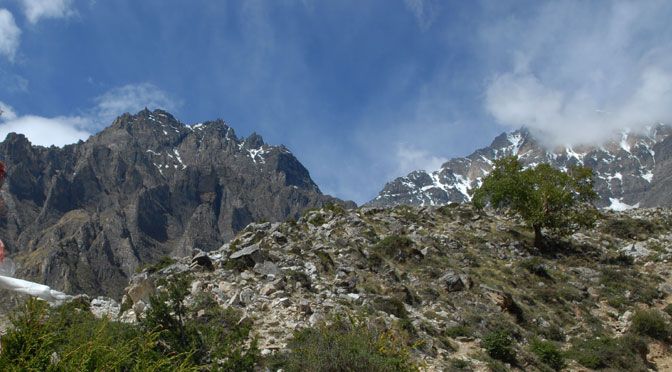
Despite lower numbers on maps, thinning oxygen reminds everyone – respect comes first. Even though the path climbs slowly across multiple days, serious altitude issues rarely happen here, unlike tougher peaks deeper in the Himalayas. Wide green meadows stretch through the shrine zone instead of sharp ice slopes, so the scenery hits hard without needing advanced skills. From up there, dawn and dusk paint the Api and Saipal mountain walls in bold colors, giving strong reason to make the ascent. Although thin air stays present, moving at a steady rhythm, drinking plenty, and pausing often keep things secure and satisfying for nearly everyone who goes.
Badimalika Trek Difficulty Explained?
Starting off deep in western Nepal, the Badimalika Trek isn’t hard because of steep cliffs or ropes, but more so due to how isolated it feels. Far from busy routes like Everest Base Camp or Annapurna Circuit, this path runs through areas where help is distant and supplies stay simple. Instead of smooth roads, feet meet uneven ground – up rocky slopes one moment, down muddy forest trails the next. Ridges stretch wide under open sky, often traveled without shade or shelter nearby. Because schedules shift with storms or slow progress, some days push past seven hours on foot. Though skill demands stay low, stamina matters most when rest spots grow thin along the way.
Up there near Badimalika Temple, the trail gets tough – long stretches of rising ground through open meadows that test your rhythm. Instead of hotels, you might sleep in local homes or under canvas, simply because roads stop where nature begins. Though the air isn’t dangerously thin like higher peaks, surprise storms and far-flung villages stretch what it means to be self-reliant. Being strong helps, sure – but knowing how to pace yourself matters just as much. Even without extreme elevation, rough trails and sudden cold keep things real. People used to walking hills back home often manage fine, provided they respect the land and come ready. This trek doesn’t shout for attention; it waits quietly for those okay with dust, silence, and slow mornings.
Ways to Get to Badimalika?
Getting to Badimalika means heading deep into western Nepal, nestled within the Bajura District. Start from Kathmandu – that’s where most trips unfold. Instead of flying, some choose a long bus ride; others catch a small plane to Dhangadhi. Once there, movement shifts – jeeps or shared rides carry travelers forward. The path rolls on toward Martadi, seat of power for Bajura’s administration. Bumpy roads slow things down, sometimes adding many hours because of steep hills. Starting out from Martadi or the area around Budhiganga marks the real beginning of the journey on foot. Winding paths go past old-style villages, step-like fields carved into slopes, thick woods, then stretch across wide grassy uplands toward Badimalika Temple. Without much support along the way, getting ready ahead of time really matters.
Some walkers rely on small local companies that handle travel details, paperwork, helpers, and gear for sleeping outdoors. Hard to get to, sure – yet that’s exactly why Badimalika feels so real. What begins as a long trek soon turns into something deeper, simply because it takes effort to arrive. Each stage of movement pulls you further from noise, straight into quiet significance.
History and Significance of Badimalika
Hidden among tall mountains and green slopes, the Badimalika area sits in southeast Bajura District of Nepal. Far from busy cities, this corner of Sudurpashchim Province draws visitors who value quiet paths and real traditions. Forests wrap around fields shaped like steps, leading up to open meadows beneath snowy summits. Though few come here, those who do often follow ancient trails tied to deep beliefs. Peaceful woods and unspoiled hills offer long walks without crowds. People curious about journey times, path details, or what such a trip includes usually find more than just scenery – they discover places where faith meets wild terrain. Instead of tourist hubs, this land holds moments of stillness under vast skies.
Right in the middle of the area stands the well-known Badimalika Temple, honoring the goddess Bhagwati, deeply respected across Hindu tradition. Because of what happened to Sati Devi, legend says the site became sacred. Daksha Prajapati, her father, left out her husband, Lord Shiva, from a holy ritual called Yagya. That slight cut deep – she stepped into the ceremonial flames. Afterward, grief turned to fury; Lord Shiva unleashed warriors like Birbhadra, along with divine forces, to tear apart Daksha’s gathering and make things right. Where Sati Devi’s body touched earth turned holy, shaping Badimalika’s deep spiritual role. Pilgrims arrive by the thousands each year, drawn particularly at Malika Chaturdashi time, showing how firmly rooted this site remains in faith and tradition.
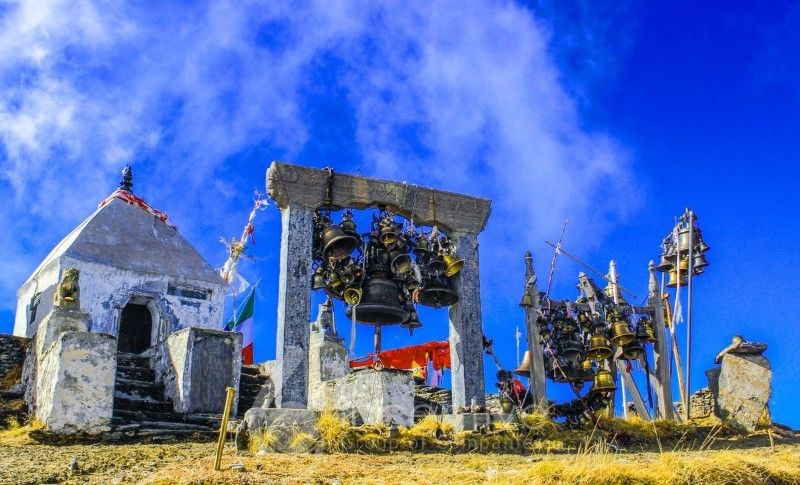
One priest comes from Kalikot, while another arrives from Bajura to care for the Badimalika Temple, built in a timeless Nepali roof style with tiered eaves. Carved wooden panels wrap around its frame, joined by sculptural details and tucked-away shrines scattered across the grounds. Close by, still pools serve those seeking cleansing before prayer, deepening the sense of quiet reverence. Reaching it on foot often becomes the peak moment for hikers, after days crossing old villages, thick woods, open grasslands, and elevated grazing land along the trail. As people walk through these remote hills, they meet both sacred practice and unshaped natural scenery face to face. Anyone thinking about the journey might want details on how far the Badimalika trek stretches and what each day involves. Some paths stretch longer, some feel tougher – each one shapes time spent walking differently. Getting a sense of cost helps too; people often check pricing along with full arrangements covering rides, places to sleep, someone who knows the way, plus official clearances. When the path winds into isolated zones, having a visual guide becomes key – the layout of the trail matters most where signs fade and choices blur.
More than just ancient trails and temple echoes, Badimalika holds wildflower valleys tucked beside weathered stone homes. While walking through thin mountain air, paths wind past grazing yaks and prayer flags fluttering above treeless ridges. Because each turn reveals something different – villagers trading barley, sudden cliffs opening to misty views – the journey stays vivid. Although information on duration or trail markers matters, what sticks is how silence spreads at dusk across the plateau. Even pricing details fade behind moments like watching sunrise paint snow peaks gold from a rocky outcrop.
Highlights
- Explore one of Nepal’s most sacred pilgrimage sites—Badimalika Temple (4,200m), surrounded by alpine meadows.
- Discover the legends of Triveni and Khetibeti, where mythology meets nature.
- Visit Natyashwori and Shaileshwari temples, important religious landmarks of western Nepal.
- Camp near the serene and sacred Dhawalpur Lake (2,556m), hidden within dense forests.
- Participate in Janai Purnima festivals, where hundreds of pilgrims gather at Triveni to worship.


