

Overview
Gangapurna Expedition is an extraordinary journey that takes climbers to the summit of Gangapurna height is 7,455 meters, a majestic peak in Nepal’s Annapurna region. This adventure is a perfect blend of high-altitude mountaineering, breathtaking landscapes, and cultural exploration. The expedition challenges climbers with its technical terrain, demanding physical endurance and mental resilience.
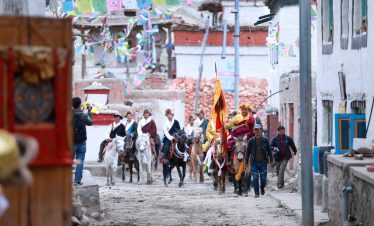
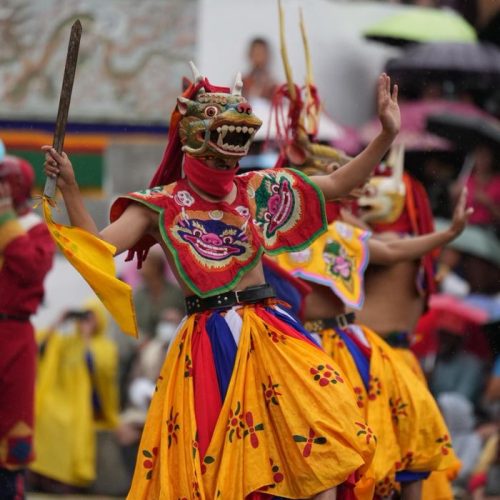
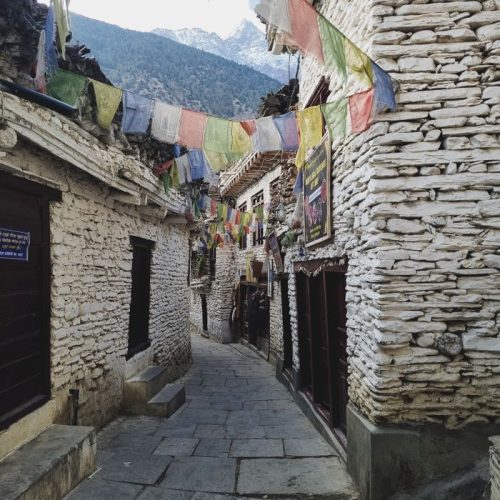
The journey begins in Kathmandu, where climbers undergo final preparations, including gear checks and permit formalities. From there, they travel to the Annapurna region, trekking through picturesque valleys, dense forests, and traditional villages before reaching Gangapurna Base Camp. Along the way, climbers experience the rich culture of the Gurung and Manangi people, whose Tibetan-influenced traditions have been preserved for centuries.
Ascending Gangapurna is a demanding endeavor, requiring expertise in ice, snow, and rock climbing. The route consists of steep ice slopes, crevassed glaciers, and exposed ridges, making it a technically challenging climb. Proper acclimatization is crucial, and climbers establish multiple high-altitude camps to adapt to the extreme environment. The final summit push is the most strenuous part of the expedition, requiring strong determination and endurance.
Throughout the climb, an expert team of guides, Sherpas, and porters provides essential support, ensuring safety and logistical coordination. The team assists with route setting, weather monitoring, and high-altitude assistance, allowing climbers to focus on their ascent. Their experience and knowledge of the mountain play a crucial role in a successful expedition.
The climb offers breathtaking panoramic views of the Annapurna Massif, including Annapurna I, Annapurna II, Machapuchare, and Tilicho Peak. The stunning scenery and sense of achievement at the summit make the challenging journey worthwhile. The descent requires careful navigation, as fatigue and changing weather conditions can add complexity to the return route..
The Gangapurna Expedition is an ultimate test of skill, endurance, and perseverance. For experienced climbers, it presents an opportunity to push their limits while immersing themselves in the natural beauty and cultural richness of the Himalayas. Summiting Gangapurna is not just an achievement but an unforgettable experience that leaves a lasting impression on every adventurer.
Best Time for Gangapurna Expedition and Lake
The best time for a Gangapurna Expedition or a visit to Gangapurna Lake in 2026 would be spring (March to May) and autumn (September to November), when the weather is clear and stable, and the trails are dry, making it suitable for trekking and climbing, with temperatures ranging from mild to warm during the day at lower altitudes and cold but not extreme at higher altitudes. Spring would be the best time with rhododendrons in bloom, more daylight hours, and a colorful landscape, making it suitable for acclimatization treks to the lake and pre-monsoon summit climbs on the peak, while autumn would be the best time with post-monsoon clarity, cultural events, and clear Himalayan views, although the trails would be more crowded.
The monsoon season (June to August) would be avoided because of the rain, slippery trails, and avalanche risks, and the winter season (December to February) because of the extreme cold and possible snow blockages, although experienced climbers could attempt the climb during this time with appropriate equipment; since February 2026 has already begun, spring dates are quickly approaching.
Gangapurna Lake
Gangapurna Lake, a beautiful glacial lake, is located at an altitude of about 3,540m in the Manang district of Nepal’s Annapurna Conservation Area, and it is created by the meltwater of the Gangapurna Glacier and surrounding peaks such as Gangapurna (7,455m), Annapurna IV (7,525m), Khangsar Kang, and Glacier Dome. The lake provides a beautiful turquoise-colored body of water that contrasts sharply with the harsh Himalayan landscape. The lake can be reached after a short and easy acclimatization trek of about 1-2 hours from Manang village (3,540m), and the trail is well-defined, relatively flat, and easy, making it perfect for trekkers on the Annapurna Circuit who want to acclimatize while taking in the breathtaking views of the Annapurna Massif, icefalls, and glacier backdrop.
This isolated area, which takes about a week’s trek from the main trailheads, is the epitome of the harsh beauty of the region and is best visited in the early morning hours when the winds are calm and the conditions are clearer, making it a popular side trip destination for nature lovers who want to experience solitude amidst snow-capped mountains.
Trip Highlights
- Majestic Peak – Gangapurna (7,455m) offers a thrilling high-altitude challenge in the Annapurna region.
- Scenic Trek – The route passes through lush valleys, forests, and traditional villages.
- Technical Climb – Steep ice slopes, glaciers, and ridges require advanced mountaineering skills.
- Stunning Views – Panoramic sights of Annapurna, Machapuchare, and Tilicho Peak.
- Cultural Experience – Immersion in Gurung and Manangi traditions along the journey.
- Expert Support – Guided by experienced Sherpas, ensuring safety and logistics.
- Best Seasons – Ideal climbing conditions in spring (April–May) and autumn (Sept–Nov).