Overview
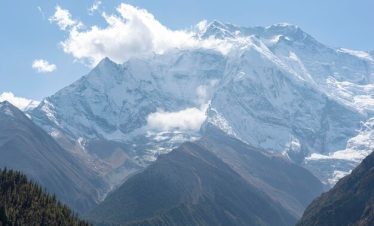
Gangapurna Expedition is an extraordinary journey that takes climbers to the summit of Gangapurna (7,455 meters), a majestic peak in Nepal’s Annapurna region. This adventure is a perfect blend of high-altitude mountaineering, breathtaking landscapes, and cultural exploration. The expedition challenges climbers with its technical terrain, demanding physical endurance and mental resilience.
The journey begins in Kathmandu, where climbers undergo final preparations, including gear checks and permit formalities. From there, they travel to the Annapurna region, trekking through picturesque valleys, dense forests, and traditional villages before reaching Gangapurna Base Camp. Along the way, climbers experience the rich culture of the Gurung and Manangi people, whose Tibetan-influenced traditions have been preserved for centuries.
Ascending Gangapurna is a demanding endeavor, requiring expertise in ice, snow, and rock climbing. The route consists of steep ice slopes, crevassed glaciers, and exposed ridges, making it a technically challenging climb. Proper acclimatization is crucial, and climbers establish multiple high-altitude camps to adapt to the extreme environment. The final summit push is the most strenuous part of the expedition, requiring strong determination and endurance.
Throughout the climb, an expert team of guides, Sherpas, and porters provides essential support, ensuring safety and logistical coordination. The team assists with route setting, weather monitoring, and high-altitude assistance, allowing climbers to focus on their ascent. Their experience and knowledge of the mountain play a crucial role in a successful expedition.
The climb offers breathtaking panoramic views of the Annapurna Massif, including Annapurna I, Annapurna II, Machapuchare, and Tilicho Peak. The stunning scenery and sense of achievement at the summit make the challenging journey worthwhile. The descent requires careful navigation, as fatigue and changing weather conditions can add complexity to the return route.
The best time to attempt the Gangapurna Expedition is during the spring (April–May) and autumn (September–November) seasons, when the weather is most stable. Climbers must be well-prepared, both physically and mentally, to withstand the harsh conditions at high altitudes. Training in glacier travel, ice climbing, and endurance is essential for success.
The Gangapurna Expedition is an ultimate test of skill, endurance, and perseverance. For experienced climbers, it presents an opportunity to push their limits while immersing themselves in the natural beauty and cultural richness of the Himalayas. Summiting Gangapurna is not just an achievement but an unforgettable experience that leaves a lasting impression on every adventurer.
Trip Highlights
- Majestic Peak – Gangapurna (7,455m) offers a thrilling high-altitude challenge in the Annapurna region.
- Scenic Trek – The route passes through lush valleys, forests, and traditional villages.
- Technical Climb – Steep ice slopes, glaciers, and ridges require advanced mountaineering skills.
- Stunning Views – Panoramic sights of Annapurna, Machapuchare, and Tilicho Peak.
- Cultural Experience – Immersion in Gurung and Manangi traditions along the journey.
- Expert Support – Guided by experienced Sherpas, ensuring safety and logistics.
- Best Seasons – Ideal climbing conditions in spring (April–May) and autumn (Sept–Nov).
Itinerary
Upon arrival at Tribhuvan International Airport, you will be greeted by our representative and transferred to your hotel in Kathmandu. After checking in, a pre-trip briefing will be conducted, where you will meet your expedition team and go over the details of the climb. The rest of the day is free for you to explore the bustling streets of Thamel, a popular tourist hub.
A full-day guided tour takes you to some of Kathmandu’s most famous UNESCO World Heritage Sites, including Swayambhunath (Monkey Temple), Pashupatinath Temple, Boudhanath Stupa, and Kathmandu Durbar Square. After the sightseeing tour, the afternoon is spent preparing for the expedition—checking gear, arranging permits, and making final purchases.
Leaving Kathmandu, we embark on a scenic drive to Besisahar, the starting point of our trek. The journey passes through terraced farmlands, rivers, and charming villages, offering stunning views of the Nepalese countryside. Upon arrival in Besisahar, we settle into a lodge and prepare for the next day's drive.
We continue our journey with a jeep drive to Dharapani, following a rugged mountain road along the Marshyangdi River. This route takes us through dense forests, waterfalls, and suspension bridges, offering glimpses of snow-capped peaks. Dharapani, a key stop on the Annapurna Circuit Trek, is a beautiful village with Tibetan-influenced culture.
Our first day of trekking takes us through dense pine forests, rocky trails, and charming villages. As we ascend, the temperature drops, and we start seeing Annapurna II and Lamjung Himal in the distance. Chame, the headquarters of Manang District, is known for its natural hot springs, where trekkers can relax after a long day.
Today’s trail takes us through narrow gorges and alpine forests, with spectacular views of Pisang Peak and Annapurna II. We cross a long suspension bridge over the Marsyangdi River before reaching Pisang, a beautiful village divided into Upper and Lower Pisang. The Tibetan-influenced architecture and monasteries here provide a glimpse into the unique culture of the region.
The trek continues with a gradual ascent toward Manang, passing through Humde Airport (one of the highest airports in Nepal) and Bhraka village, home to an ancient monastery. The landscape becomes more barren as we move deeper into the rain shadow of the Annapurna range. Manang is a major acclimatization stop, with stunning views of Gangapurna, Tilicho Peak, and Annapurna III.
To prevent altitude sickness, we spend the day acclimatizing in Manang. Short hikes to Gangapurna Lake or Bhojo Gompa help the body adjust to the altitude. Manang is a fascinating village with stone-built houses, yak pastures, and Buddhist monasteries. Trekkers can explore local bakeries, which are popular in this region.
Leaving Manang, we ascend toward Gangapurna Base Camp, trekking through rocky terrain and glacial moraines. The scenic views of Annapurna IV, Tilicho Peak, and the Gangapurna Glacier are breathtaking. Upon reaching Base Camp, we establish our tents and prepare for the climbing phase.
Over the next 18 days, we follow a structured climbing schedule, setting up Camp I, Camp II, and Camp III. The climb involves steep ice sections, technical ridges, and glacier crossings. Proper acclimatization and strategic rotations between camps increase the chances of a successful summit. The final push to the Gangapurna summit (7,455m) offers a breathtaking 360-degree view of the Annapurna and Dhaulagiri ranges. After a successful summit, we descend back to Base Camp.
After completing the expedition, we spend the day packing up the campsite, collecting waste, and preparing for the descent. It is also a day to celebrate the successful climb with the team.
We retrace our steps back down to Yak Kharka, a beautiful high-altitude pastureland where yaks graze against a backdrop of towering peaks. The descent is easier, but caution is needed to avoid altitude-related fatigue.
Today, we hike toward Thorong Phedi, the last stop before crossing the Thorong La Pass. The trail is rugged, and the air becomes thinner, requiring a slow and steady pace. Some climbers may choose to stay at High Camp (4,880m) for an easier climb the next day.
We begin the steep ascent to Thorong La Pass (5,416m) early in the morning, crossing one of the highest trekking passes in the world. The summit of the pass provides incredible views of Dhaulagiri and Mustang Valley. The descent to Muktinath (3,710m) is long but rewarding, as we reach the famous Muktinath Temple, a sacred pilgrimage site for Hindus and Buddhists.
Descending through desert-like landscapes and ancient villages, we pass through Kagbeni, the gateway to the mystical region of Upper Mustang. After exploring Kagbeni, we continue to Jomsom, a windy town famous for its apple orchards and strong mountain winds.
A 20-minute scenic flight takes us from Jomsom to Pokhara, offering aerial views of the Annapurna and Dhaulagiri ranges. After checking into a hotel, we spend the day exploring Lakeside Pokhara, visiting Phewa Lake, Davis Falls, and the World Peace Pagoda.
We return to Kathmandu by a 6-7 hour drive or a 25-minute flight. Upon arrival, you can relax at the hotel or explore the city further.
This is a buffer day in case of flight delays or unexpected weather conditions. You can spend the day shopping for souvenirs or revisiting cultural sites.
After an unforgettable expedition, you will be transferred to Tribhuvan International Airport for your departure, carrying memories of an extraordinary Himalayan adventure.
Includes/Excludes
Cost Includes
- Arrival and Departure: All ground transport in a private vehicle, including airport and hotel transfers.
- Hotel Accommodation in Kathmandu: Options ranging from 3-star to premium, such as Hotel Holy Himalaya (standard), Hotel Mulberry (deluxe), Kathmandu Marriott Hotel (luxury), and Dwarika's Hotel (premium).
- Hotel Accommodation in Pokhara: Options ranging from 3-star to premium, such as Hotel Lake Star (standard), Mount Kailash Resort (deluxe), Temple Tree Resort & Spa (luxury), and The Pavilions Himalayas (premium).
- Cargo Clearance: Assistance for cargo clearance in Nepal’s Customs Department, clearance costs subject to charge.
- Permits: Expedition royalty and permit for Gangapurna, TIMS Card, Annapurna Conservation Area entry permit & fee.
- Liaison Officer: A Government Liaison Officer with full equipment, salary, and accommodation.
- Garbage Deposit: Fees for garbage deposit during the expedition.
- Staff Insurance: Medical & emergency rescue insurance for Nepalese staff.
- Map: Trekking and climbing map provided.
- Member Transportation: Drive from Kathmandu to Chame as per the itinerary.
- Climbing Equipment Transportation: All necessary equipment transported from Kathmandu to Chame (by drive), then to Base Camp (by porters/mules), and return from Base Camp to Jomsom (by porters/mules).
- Member Luggage: Up to 30kg per member for personal baggage carried by porters or mules.
- Foods & Lodging: Three meals daily (BDL, including tea and coffee) and accommodation at hotels, lodges, tea houses, or camps during the trek and base camp.
- Camping Equipment: All necessary equipment for camping during the trek.
- Porters: One porter per member up to Base Camp from Chame, and porters for the return from Base Camp to Pokhara.
- Base Camp Staff: Experienced and well-trained base camp cook and kitchen helpers.
- Staff Salary & Allowance: Daily wages, equipment, food, and clothing for Nepalese staff and porters.
- Base Camp Tent: Individual Yak Mountain or Kailas tents for each member.
- Base Camp Equipment: Dining tent with tables and chairs, kitchen tent, toilet tent, and necessary cooking gear.
- Heater: Heater for the base camp dining and other necessary camps.
- Light: Necessary lighting in the dining and kitchen tents.
- High Altitude Climbing Sherpa: Veteran and government-licensed climbing guide.
- Climbing Sherpa Salary & Allowance: Salary, equipment, food, and clothing for climbing Sherpas.
- Oxygen Bottle (O2): Oxygen bottles available at Base Camp in case of emergency (additional charge).
- Oxygen Mask & Regulator: One set of summit oxygen masks available at Base Camp in case of emergency.
- High Camp Service: High altitude tents, cooking EPI gas, cooking pots, high food, and all necessary climbing and cooking crew at Camps 1, 2, and 3.
- Walkie-Talkie: Walkie-talkie for communication from Base Camp to the mountain and vice versa.
- Walkie-Talkie Permit: Satellite phone and walkie-talkie permits for all members and staff.
- Medical Kit: A comprehensive medical kit for the group.
- Weather Forecast: Weather forecast reports during the entire expedition.
- Summit Certificate: Mt. Gangapurna climbing certificate issued by MoCTCA after a successful summit.
Cost Excludes
- International Airfare: International flight airfare (from and to Kathmandu).
- Nepal Visa Fees: US$ 40 for 30 days (or US$ 100 for 60 days).
- Lunch & Dinner: Lunch & dinner during stay in Kathmandu & Pokhara (if returning early from the trek).
- Extra Nights in Kathmandu & Pokhara: Accommodation fees for extra nights due to early arrival, late departure, or early return.
- Insurance: Travel, high altitude insurance, accident, medical, and emergency evacuation.
- Rescue Evacuation: Medical insurance and emergency rescue costs (rescue, repatriation, medication, tests, hospitalization).
- Personal Expenses: Costs for telephone, internet, toiletries, battery recharge, hot showers, laundry, soft drinks, and alcoholic beverages.
- Personal Equipment: Costs for personal clothing, packing items, medical kit, and trekking/climbing gear.
- Toiletries: Items such as soaps, shampoos, toilet tissue, and toothpaste.
- Filming: Special filming, camera, and drone permit fees.
- Internet Service: Internet access is not included.
- Summit Bonus: Bonus for climbing Sherpa.
- Tips: Gratuities for basecamp staff.
- Extra: Any other services or activities not mentioned in the itinerary.
Equipment Checklist
Personal Protection
- High-Altitude Mountaineering Boots
- Double or triple boots rated for 7000m+
- Must be well broken in before expedition
- Recommended: La Sportiva Olympus Mons or Scarpa Phantom 8000
- Crampons
- Technical mountaineering crampons with anti-balling plates
- Stainless steel preferred for durability
- Must be perfectly fitted to boots before departure
- Climbing Harness
- Alpine harness with adjustable leg loops
- Must accommodate multiple layers of clothing
- Minimum 4 gear loops
- Helmet
- Lightweight but durable
- Must fit over warm hat/balaclava
- Rated for both rock and ice impacts
Rope & Technical Tools
- Ice Axes
- 1 technical ice tool
- 1 traditional mountaineering axe
- Both should have leashes and rubber grips
- Carabiners
- 6 large locking carabiners
- 10 non-locking carabiners
- Mix of aluminum and steel recommended
- Ascending/Descending Devices
- Figure 8 descender
- Mechanical ascender (Jumar or equivalent)
- Backup prussik cords
High-Altitude Clothing System
Base Layers
- Thermal Underwear
- 2 sets lightweight for lower altitudes
- 2 sets expedition weight for high camps
- Merino wool or synthetic materials only
- No cotton at any time
- Liner Socks
- 4 pairs thin liner socks
- Moisture-wicking synthetic material
- Fresh pair for each camp rotation
Mid Layers
- Fleece/Soft Shell Layers
- 2 fleece jackets (200 & 300 weight)
- Soft shell pants with full-length zippers
- Soft shell jacket with hood
- All pieces should be loose enough for layering
- Insulation Layer
- Down or synthetic puffy jacket
- Insulated pants
- Both rated for -20°C/0°F
Outer Shell
- Summit Suit
- One-piece down suit or separate jacket/pants
- Must be rated for 8000m peaks
- Multiple external/internal pockets
- Full-length side zippers on pants
- Hard Shell
- Gore-Tex or equivalent jacket with hood
- Waterproof pants with full-length zippers
- Both pieces must fit over all other layers
Extremities Protection
- Gloves/Mittens
- Liner gloves (2 pairs)
- Medium weight climbing gloves
- Summit mittens with removable liners
- Hand warmers (20+ pairs)
- Head Protection
- Balaclava (2)
- Warm beanie/hat (2)
- Neck gaiter/buff (2)
- Sun hat with neck protection
Camping Equipment
Sleep System
- Sleeping Bags
- Base camp bag (-20°C/0°F)
- High altitude bag (-40°C/-40°F)
- Compression sacks for both
- Sleeping Pads
- Inflatable full-length pad
- Closed-cell foam pad
- Both used together for maximum insulation
Personal Equipment
- Backpacks
- Large expedition pack (85-95L)
- Summit pack (40-50L)
- Multiple dry bags for contents
- Lighting
- Headlamp with extra batteries
- Backup headlamp
- Several sets of lithium batteries
Medical & Safety
Personal Medical Kit
- Medications
- Diamox for acclimatization
- Antibiotics (broad spectrum)
- Pain relievers/anti-inflammatories
- Altitude sickness medications
- Personal prescriptions
- First Aid Supplies
- Blister treatment kit
- Athletic tape
- Bandages and gauze
- Antiseptic wipes
- Small scissors
Safety Equipment
- Avalanche Gear
- Avalanche beacon with fresh batteries
- Collapsible probe
- Lightweight aluminum shovel
- Must be practiced with before expedition
- Communication
- Satellite phone with spare battery
- Radio for team communication
- Emergency location beacon
- Waterproof cases for all electronics
Miscellaneous Essentials
Documentation
- Required Papers
- Passport with 6+ months validity
- Nepal visa
- Climbing permits
- Travel insurance documents
- Emergency contact information
- Copies of all documents (physical and digital)
Personal Items
- Toiletries
- Sunscreen (SPF 50+)
- Lip balm with SPF
- Personal hygiene items
- Hand sanitizer
- Wet wipes
- Glacier Glasses/Goggles
- Category 4 glacier glasses
- Ski goggles for storm conditions
- Spare pair of each
Notes
- Test all equipment before departure
- Break in boots with at least 50km of hiking
- Check all batteries week before departure
- Pack items in waterproof stuff sacks
- Label all personal equipment
- Create detailed gear repair kit
- Practice using all technical equipment
- Double-check sizes and compatibility of all layers
Remember: This is a high-altitude expedition in one of the world’s most challenging environments. Quality equipment is essential for both comfort and survival. Don’t compromise on critical items, and ensure everything is tested before departure.
Fixed Departure
The Gangapurna Expedition offers fixed departure dates in 2025 for climbers looking to embark on this thrilling adventure. The first fixed departure is on April 15, 2025, followed by another on May 10, 2025. These dates provide climbers with a set schedule for the expedition, ensuring a well-organized and guided experience in the beautiful Annapurna region.
Essential information
The Gangapurna Expedition is an extraordinary adventure that takes climbers to the majestic summit of Gangapurna, standing at an impressive 7,455 meters. The journey is designed for those with high-altitude trekking experience and an excellent fitness level, as it involves climbing to extreme altitudes where oxygen levels are significantly lower. The expedition is planned with two fixed departure dates in 2025: April 15 and May 10, giving climbers a structured schedule with experienced guides, ample preparation time, and an exciting challenge ahead.
The entire journey spans approximately 35-36 days, starting with trekking through stunning landscapes, acclimatization stops, and progressing to the base camp before the summit attempt. Accommodation along the trek is provided in comfortable tea houses and lodges, but once at the base camp, climbers stay in individual tents that are part of a well-organized setup, including kitchen and dining tents. The trek itself will provide a variety of experiences, from lush forests to barren high-altitude terrain, and you’ll experience the true beauty of the Annapurna region.
Reaching the peak of Gangapurna is not just about the physical challenge; it’s about experiencing the stunning Himalayan environment and the camaraderie of fellow climbers. However, it’s important to have previous climbing experience in the high-altitude regions, as climbers need to be prepared for the physical and mental demands of the expedition. The trek involves a significant elevation gain, with a maximum altitude of 7,455 meters, where the climbing conditions are more demanding and the risks are higher.
Before setting out, climbers must secure the necessary permits. These include the Gangapurna expedition permit, TIMS card, and Annapurna Conservation Area entry permit, all of which are required for a safe and regulated climbing experience. Once these are in place, the adventure can begin, knowing that the expedition is in compliance with Nepal’s regulations for safety and environmental protection.
The best time to join the Gangapurna Expedition is during the spring (March-May) or autumn (September-November) seasons. These periods offer the best weather conditions for trekking and climbing, with clear skies, stable temperatures, and the ideal conditions for reaching the summit. Climbers can expect breathtaking views of the Annapurna range, including peaks like Annapurna II, Gangapurna, and the surrounding peaks, offering a truly unforgettable experience.
For those interested in the Gangapurna Expedition, it offers a fantastic opportunity to challenge oneself in the world’s highest mountain range while also benefiting from expert guidance, well-planned logistics, and a memorable adventure in one of the world’s most iconic climbing destinations.
FAQs
The best time to undertake the Gangapurna Expedition is during the spring (March-May) and autumn (September-November) seasons when the weather is stable, and the conditions are ideal for climbing.
Yes, previous high-altitude trekking and climbing experience is recommended as this expedition reaches altitudes of over 7,000 meters. A good fitness level and preparation are essential.
You will need several permits, including the expedition royalty and permit for Gangapurna, a TIMS card, and an Annapurna Conservation Area entry permit.
The entire Gangapurna Expedition lasts approximately 35-36 days, including trekking, acclimatization, the climbing period, and return to Kathmandu.
During the trek, you will stay in lodges and tea houses. At the base camp, camping tents are provided, with individual tents for each member and necessary facilities like dining and kitchen tents.