


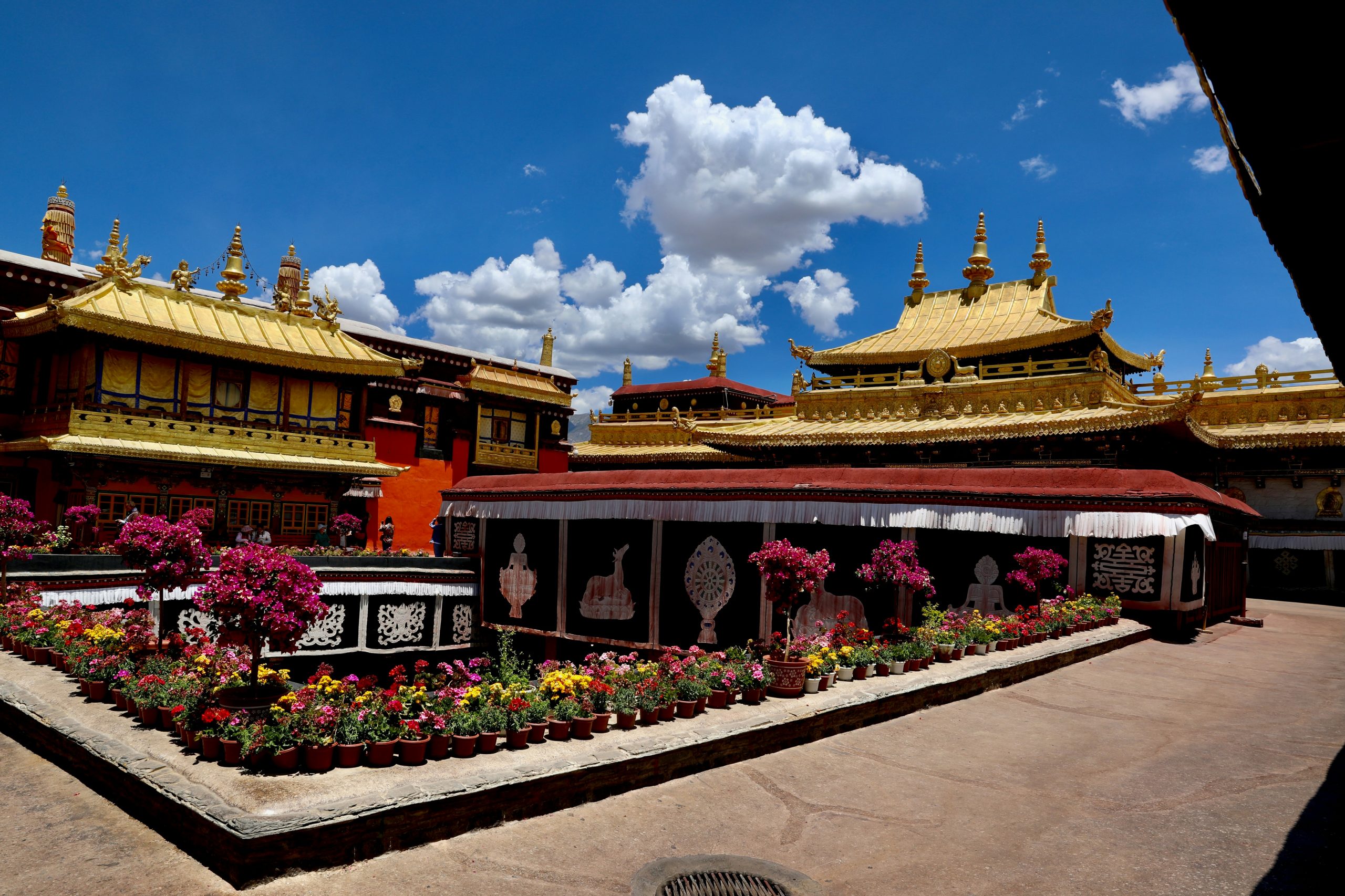
Overview 5 Days Lhasa Cultural Tour
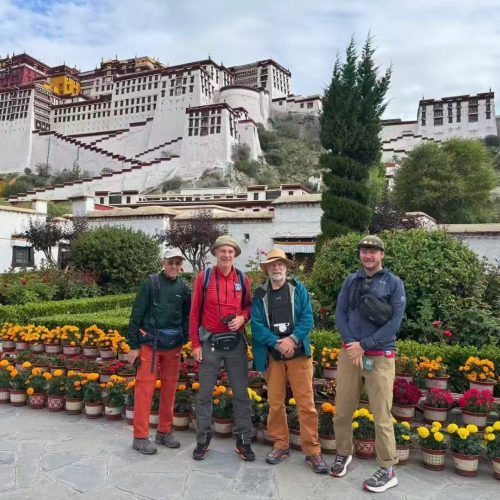
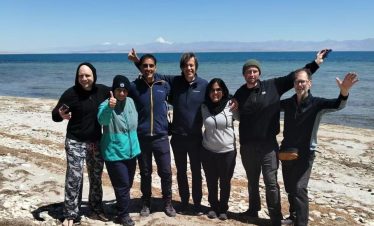
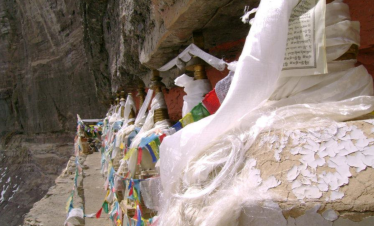
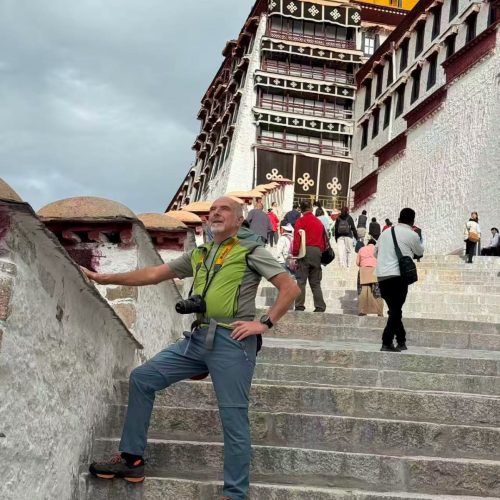
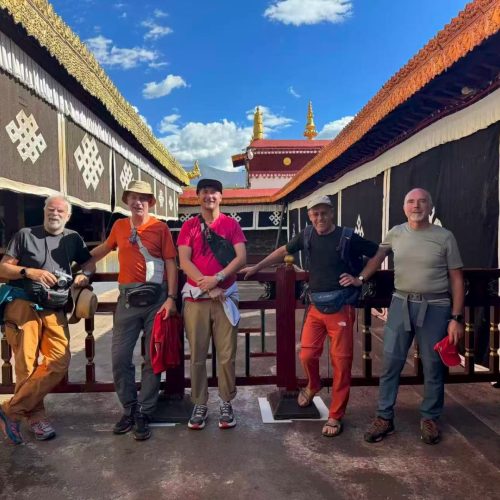
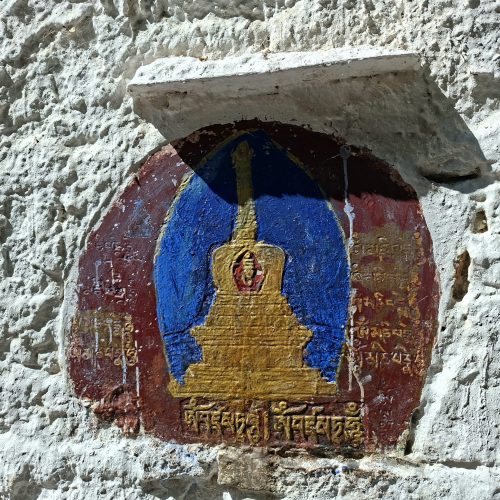
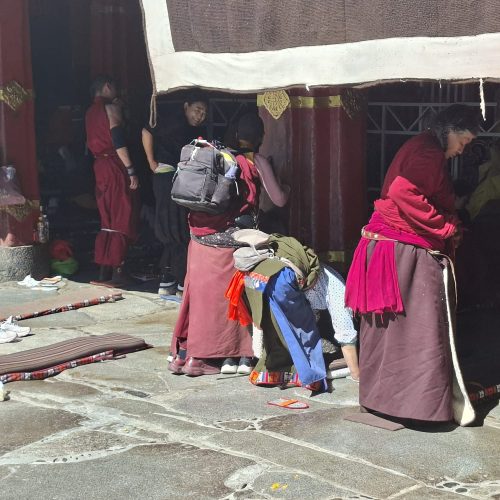
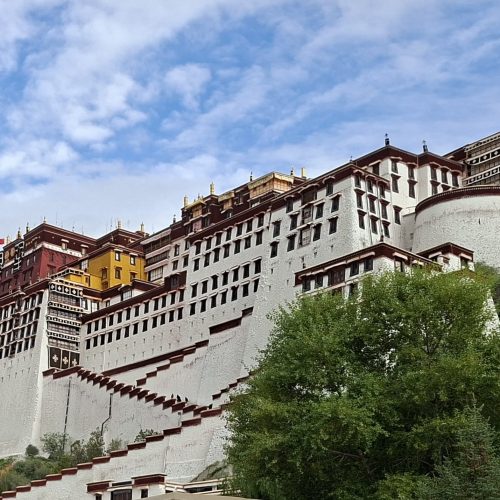
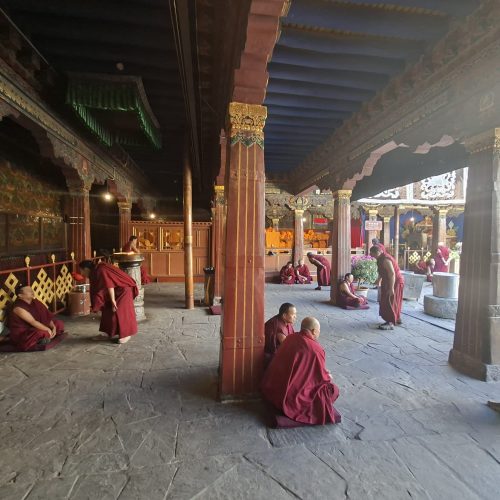
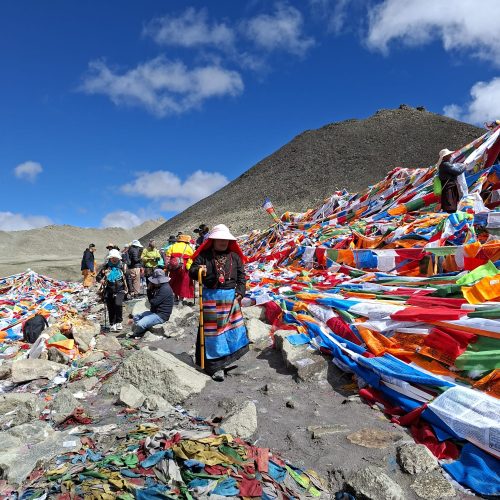
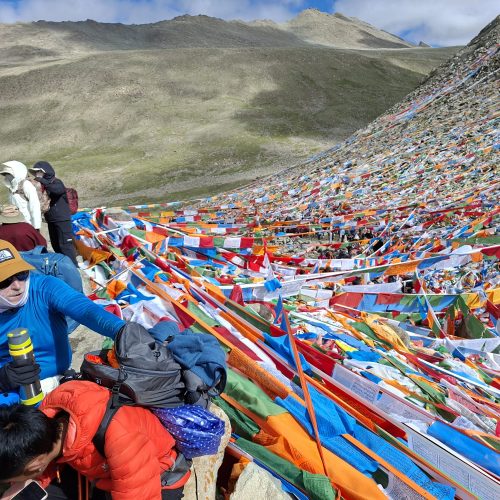
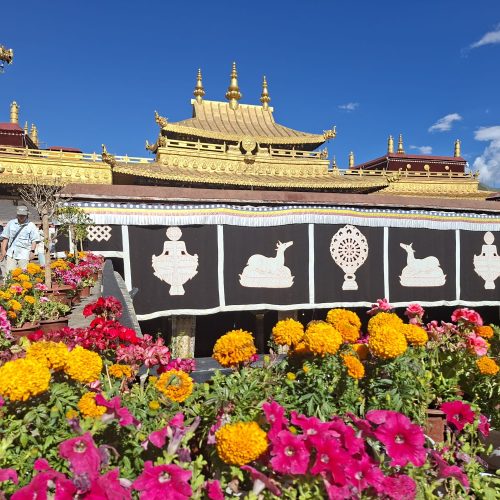
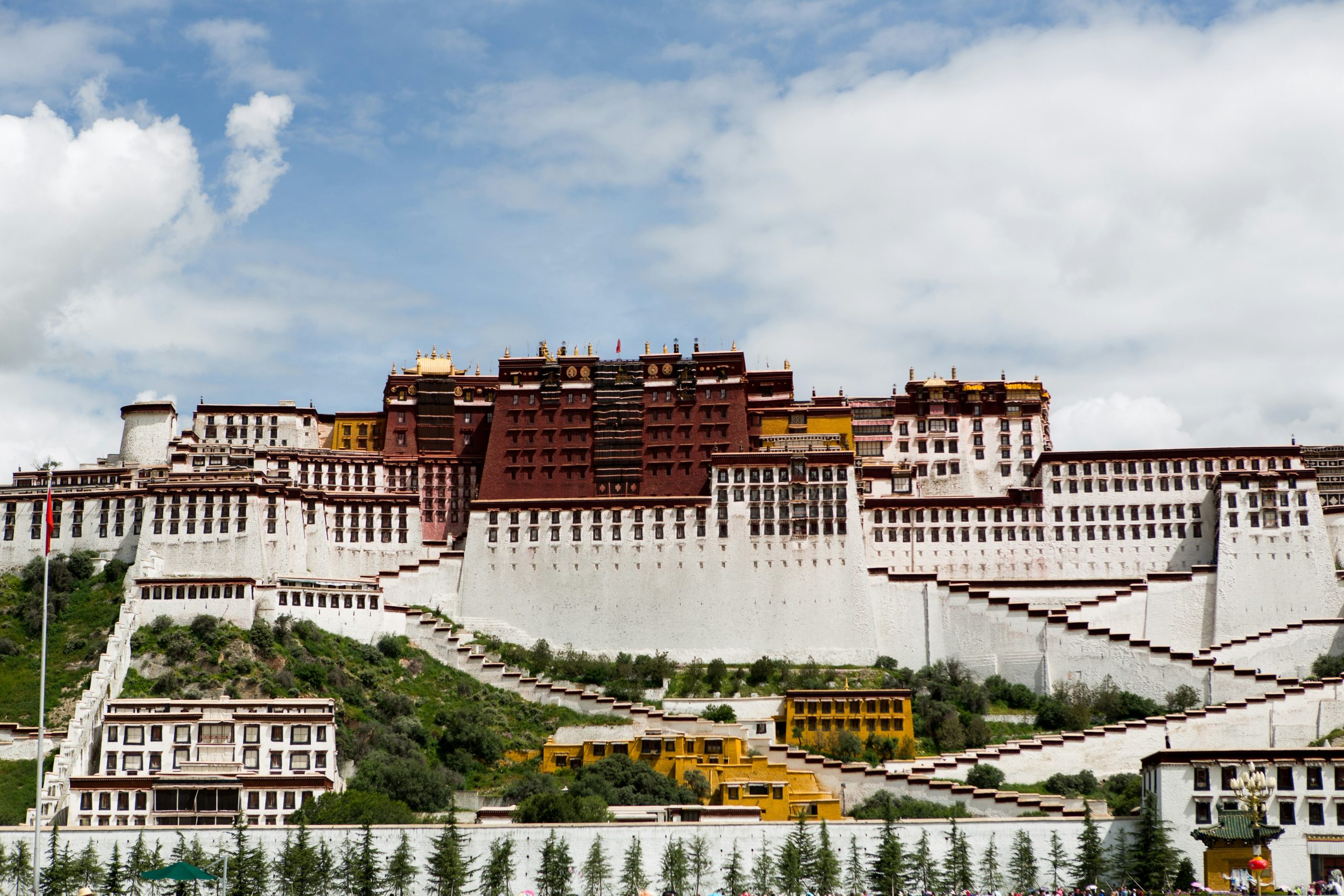
5 Days Lhasa Cultural Tour is an unfolds slowly over five days filled with quiet temples, winding alleys, and mountain air thick with stories. Among prayer flags fluttering above golden roofs, visitors walk paths worn by centuries of pilgrims. Altitude wraps around you here – just under 3,700 meters up – making each step deliberate, each breath measured. Instead of rushing, mornings unfold gently, letting bodies adjust without fuss or strain. From Potala Palace rising like stone scripture to Jokhang Temple humming with whispered mantras, moments pile up quietly. Lakes mirror skies so clear they seem unreal, tucked between ridges where wind carries more than silence. No checklist rules the hours; rather, rhythm builds through presence, one courtyard, one incense coil at a time. Monks pass by in maroon robes, their routines unchanged even as footsteps echo across courtyards paved long ago. Mountains do not hurry – neither does this trip – which makes space for noticing small things: butter lamps flickering, stones carved letter by letter. What stays isn’t just sightseeing but something felt deeper, beneath skin, beyond words. Starting off, the journey moves toward Lhasa’s well-known spots – first, the grand Potala Palace stands tall, once home to the Dalai Lama during colder months, built strong with deep meaning in every stone. Rising high, its thick outer walls guard detailed paintings inside along with rooms held holy through time. From there, attention turns to Jokhang Temple, resting at the city’s core like a quiet pulse felt by those who come near. Pilgrims circle it slowly, voices low with repeated mantras woven into each step they take. Around this sacred space, Barkhor Street hums with motion: stalls burst with handmade wares, daily routines unfold openly, and smoke from burning herbs drifts between buildings. In the coming days, the journey moves on to key monasteries – Sera and Drepung among them – where guests observe monks at work, study, and lively debate; these exchanges at Sera reveal how deeply thought shapes spiritual life in Tibet. Ahead lies time near lakes too: Yamdrok, then Namtso, both ringed by high mountains dusted with snow, their still surfaces mirroring the sky, inviting photos or just silent pauses by the shore.
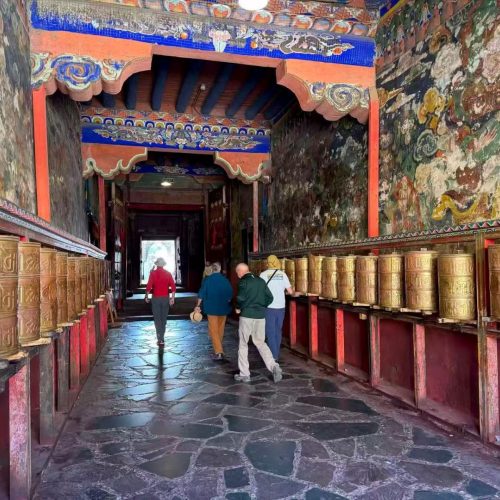
Step by step, travelers begin noticing how daily rituals shape life across the plateau. Moving slowly helps bodies adapt, while minds absorb chants echoing from ancient temples. Meals unfold with butter tea poured carefully beside barley bread. Each pause between hikes brings quiet moments near prayer wheels spinning in cool mountain air. Stone paths lead past homes painted white with crimson trim, where elders sit outside weaving stories more than cloth. A morning visit to a rooftop reveals rooftops below and mountains beyond, silent and vast. Footsteps carry people through courtyards where monks chant in low unison under golden roofs. On the last afternoon, something shifts – views turn inward as much as outward, shaped by days spent watching sky touch earth without borders.
Start here if you want to feel Tibet beyond just sights. A week unfolds where ancient chants meet mountain silence. Not every path follows temples – some lead through quiet valleys breathing thin air. First timers touch traditions alive in alleyways and rooftops. Even returning visitors spot new details painted on old walls. Moments pile up: butter lamps flicker, prayer flags snap, footsteps slow on worn stone. High ground changes how you see things. This route mixes pause and pace without rushing any part. Memories stick like dust on boots after rain.
Best season for a 5 Days Lhasa Cultural Tour
Clear weather shows up most often when April rolls into June, then again come September through October – perfect timing for a five-day look at Lhasa’s culture. Sunshine stays steady, rain hardly appears, plus the air feels mild enough to wander without effort. Flowers start glowing in spring – rhododendrons pop open, apricot trees burst with color – as if the whole place wakes up just for visitors. Daytime heat sits between 10°C and 20°C, so moving on foot fits naturally into temple stops, market lanes, quiet alleyways. What stands out isn’t just warmth, but how light falls across old walls and busy streets alike.
Fall brings sharp, clear skies where the Himalayas stand out like drawings against glass. With sight lines wide open, landmarks such as the Potala Palace and Jokhang Temple appear untouched by mist that often hangs in summer months. Temperatures stay between 15°C and 22°C when the sun’s up; after dark it cools down – enough to need a jacket, not enough to drive you inside. Evenings become chances for slow walks along Barkhor Street or watching local music shows under dim lights. Unlike the soaked days of monsoon time, or the frozen stretch from November through March, these milder seasons keep movement easy, steps steady outside.
Spring brings lively moments across Tibet, when ceremonies unfold under fluttering banners tied to ancient practices. Festivals light up villages just as the snow thins, offering raw views of devotion woven into daily life. Come autumn, fields shift tones alongside gatherings rooted in thanksgiving and shared meals. These times drape the landscape in sharp clarity, air crisp without bite. A 5 Day Lhasa Cultural Tour slips easily into rhythm here – temples hum, paths stay clear, skies hold steady. Moments slow enough for photos, yet move with purpose through alleys and courtyards. Culture isn’t staged; it breathes in chants, gestures, offerings at stone walls. Comfort finds its way into each step, each pause. Memory sticks not because of spectacle, but presence – seasons aligning quietly beneath high sun.
Trip Highlights
- Explore the awe-inspiring Potala Palace, a UNESCO World Heritage Site.
- Visit Norbulingka, the summer residence of the Dalai Lamas
- Day excursion to the pristine Yamdrok Lake, one of Tibet’s three holy lakes
- Discover Tibet’s major monastic centers: Drepung and Sera Monasteries
- Take in panoramic views of Lhasa City from hillside temples