

Trip info
-
Private vehicle | International Flight
-
2–16 people
-
5,220 m (Gyatchu La Pass)
-
Hotel and guesthouse
-
Moderate
-
Kathmandu
-
Lhasa, Tibet (or reverse)
-
April to October
-
Breakfast in Tibet
-
Tibet Travel Permit, Chinese Group Visa, Travel Permit
-
English-speaking guide
Overview
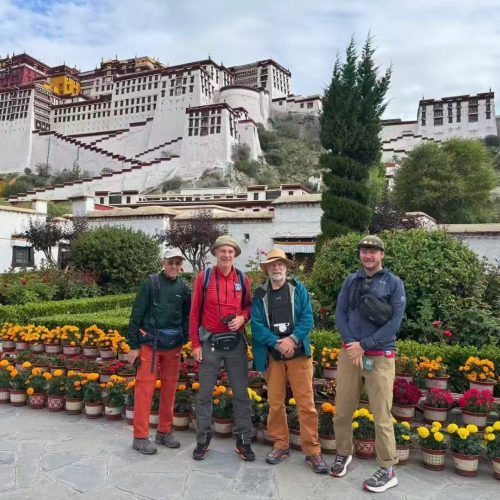
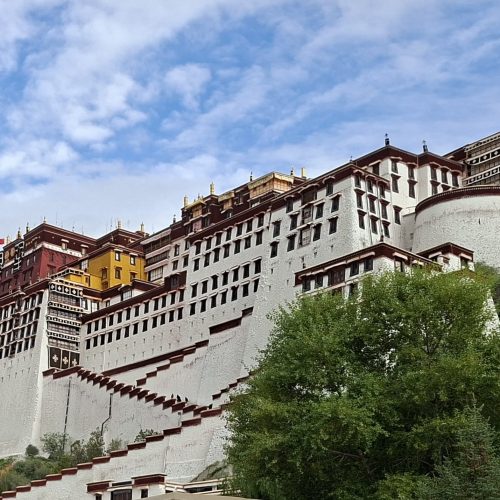
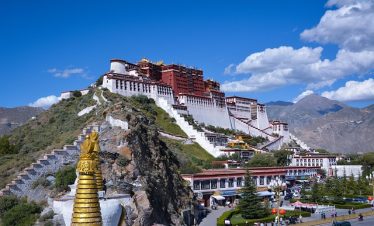
Kathmandu to Lhasa Overland Tour – 8 Days is an adventure takes you from the vibrant city of Kathmandu across the Himalayan highlands into the heart of Tibet. Journey through dramatic landscapes, sacred lakes, ancient monasteries, and cultural heartlands, culminating in the majestic city of Lhasa. It’s a once-in-a-lifetime experience across the “Roof of the World.” What draws people in is seeing famous sights such as the Potala Palace – a UNESCO site, steeped in history, standing tall as Tibet’s heart. Woven through the trip are visits to holy temples, old villages, glimpses of customs alive for centuries, giving depth to every step taken. That sense of connection? It’s what leads so many toward choosing an overland route from Kathmandu to Lhasa instead of alternatives. Starting from Nepal, some choose to fly into Tibet, yet others favor driving since going slow helps bodies adjust to thin air. Moving step by step through mountain passes makes sickness less likely, plus views unfold gradually. Most who plan this journey look up how much a land-based tour costs, checking what is included when heading from Kathmandu to Lhasa. Price details matter because the mix of culture, landscape, and pace feels worth the effort. Overall, the Kathmandu to Lhasa overland tour is famous for blending spirituality, adventure, and stunning Himalayan beauty into one extraordinary journey.
Best Season for Kathmandu to Lhasa Overland Tour – 8 Days
Springtime brings bright days through April to June. Clear paths wind across high passes when the snow softens just enough. Most groups move then because wheels grip better on steady ground. Skies stay open showing peaks without hiding behind clouds. Autumn returns calm light from September onward until leaves fall. Roads settle after summer rains stop messing with gravel and mud. Warm layers work well under cool morning air during those months. Flowers pop beside trails near Nepali villages in early warmth. Green shoots climb hillsides where yaks graze slowly uphill. Tibet stays thirsty but sharp, its flat lands breathing cold clarity. Mountain lines cut clean against pale horizons far beyond roads. Tour plans fill fast simply because timing fits motion better. Schedules match nature’s pause between extremes of heat and ice. Fewer storms mean fewer stops nobody wants anyway. Views stretch longer when dust does not rise from dry winds. This moment suits travelers hunting for solid worth on a Kathmandu to Lhasa land journey – the northward sight of peaks such as Everest tends to be breathtaking. Right after monsoon clears, skies sharpen during autumn, drawing many visitors. Crisp horizons unfold across mountain spans, offering rich chances for photos, temple visits, quiet moments in alleyways.
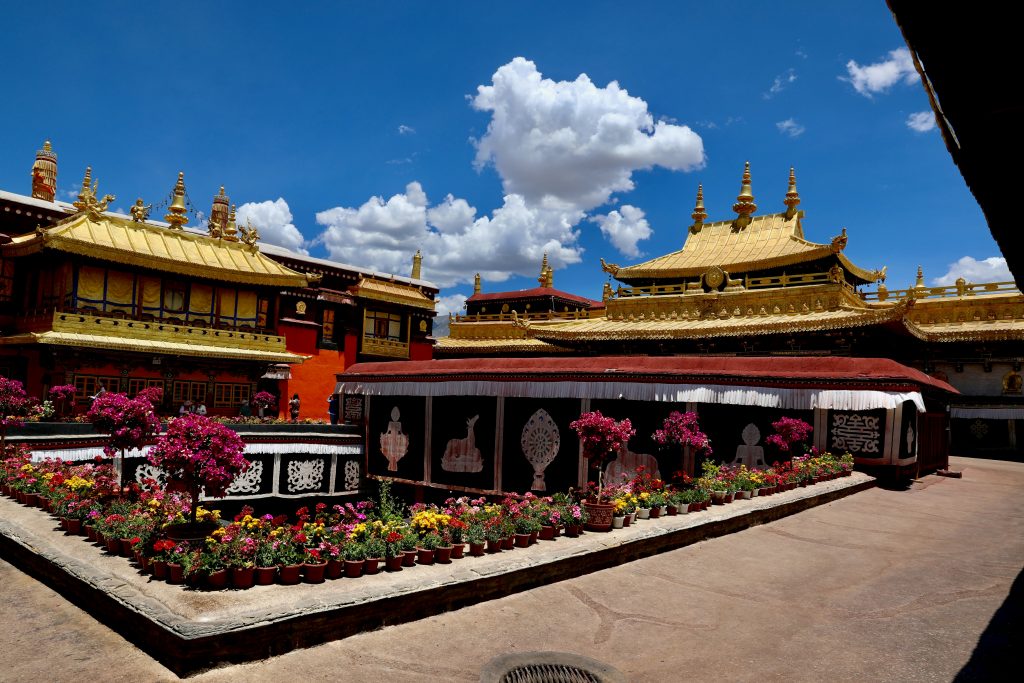
Some visitors weigh flying from Kathmandu to Lhasa against traveling by land, yet the ground route often stands out then because of sweeping views and easier adjustment to height. Although December through February gets bitterly chilly, and July plus August tend toward downpours along with rougher paths, it’s springtime or fall that most prefer. Then again, those months just feel right.
Finding the best time to travel shapes your experience when heading out on a Kathmandu to Lhasa journey by road. Instead of focusing only on how much it costs, think about weather patterns that affect mountain routes. While some travelers prefer spring’s mild days, others pick autumn for clearer skies. Each season brings different challenges – cold winds in winter, heavy rains during monsoon. Yet smooth roads and open passes often come with summer’s end. Because safety matters most at high altitudes, timing plays a quiet but strong role behind every successful trip.
What Makes Kathmandu to Lhasa Overland Tour So Famous?
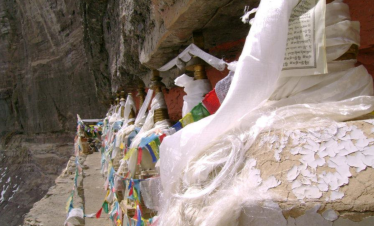
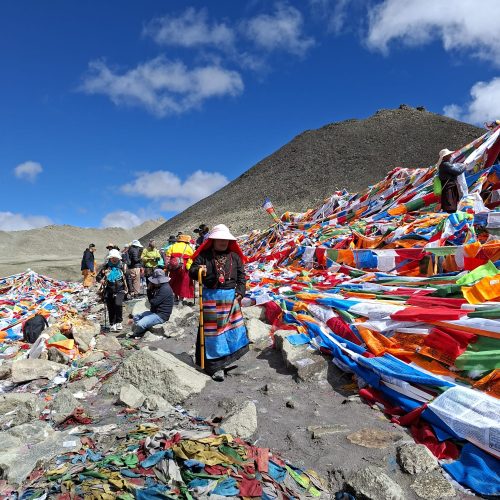
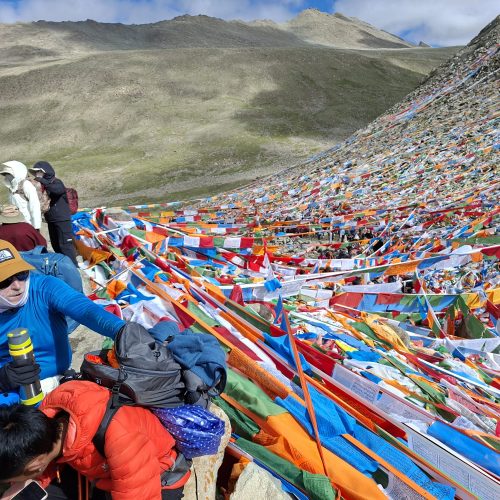
Over the hills and into the clouds, moving from Kathmandu toward Lhasa feels like stepping through worlds. Roads twist beyond green valleys up into rocky heights where wind shapes silence. What catches most people is not just the destination but what unfolds between start and finish. Instead of rushing by air, those who go by land trade speed for depth. High above sea level, wheels roll across plateaus stretched wide beneath endless sky. Along the way, prayer flags flutter beside trails worn by centuries of footsteps. Some come looking for peace, others simply want to see how earth meets heaven. Through villages perched on slopes, life moves slowly, shaped by altitude and tradition. Rather than a single moment, it’s the chain of images that stays – the sunrise over snowcaps, yaks grazing near remote monasteries, sudden views of peaks glowing at dusk. Though many plan around landmarks, they remember faces more vividly. Because of elevation shifts, each day brings new tests, yet also clarity found nowhere else. Between Nepal’s bustle and Tibet’s stillness lies a path few forget.
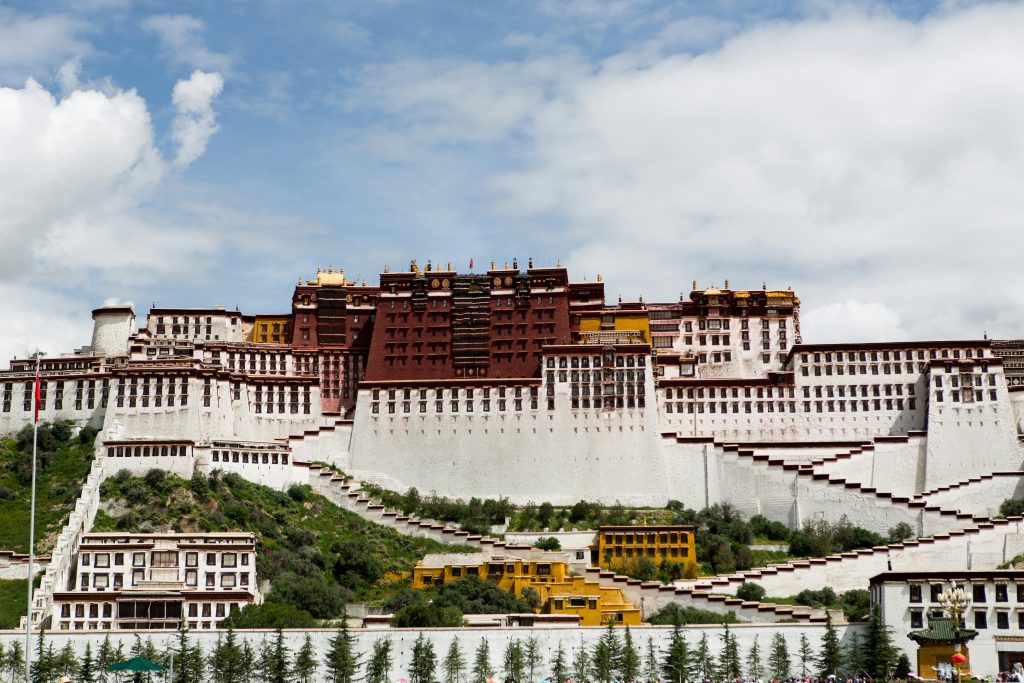
A different view draws many travelers – glimpsing Everest from Tibet’s vast plains. Near the northern base camp, wheels slow on rugged trails, revealing a sight few get close to. Beyond that giant peak lies shimmering water, cold and bright blue, resting in high valleys. Expanses stretch far beyond roads, folding into silence, holding colors that stay long after leaving.
Trip Highlights
- Cross the Nepal-Tibet border via scenic Kerung Pass
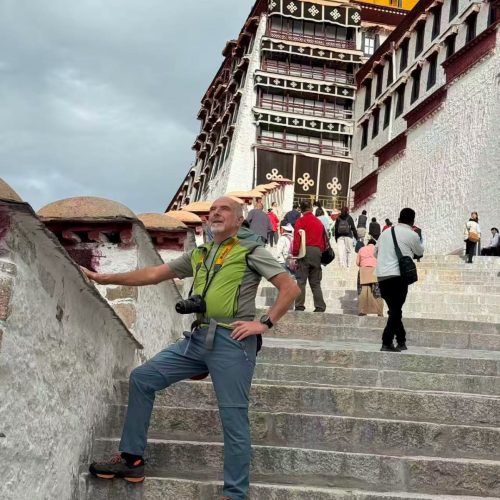
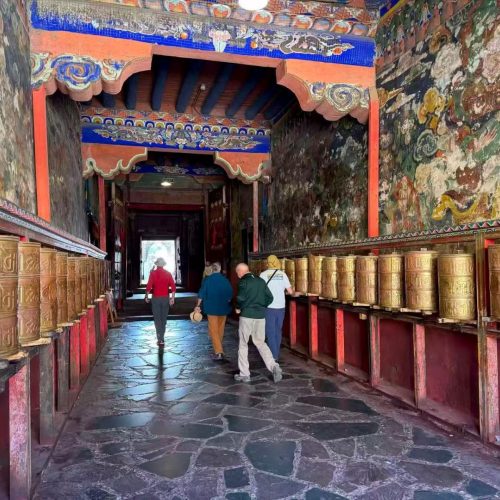
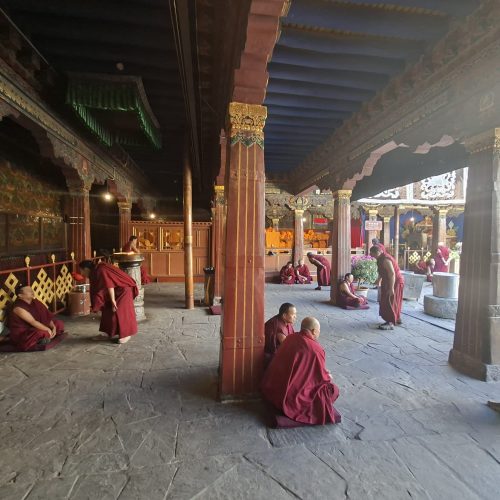
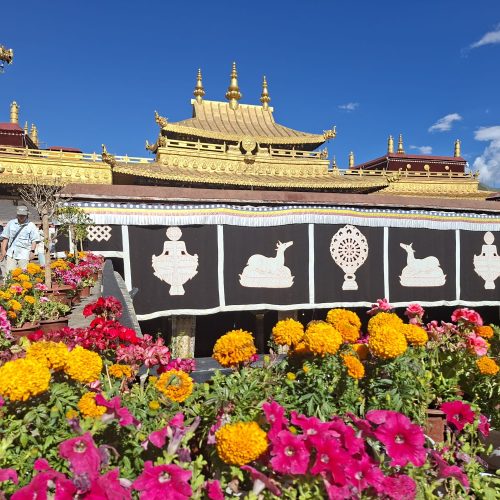
- Discover the spiritual capital Lhasa with visits to Potala Palace, Jokhang Temple, Sera, and Drepung Monasteries
- Cultural immersion in local Tibetan towns and villages
- Visit the historic Gyantse Kumbum Stupa and Phalkor Monastery
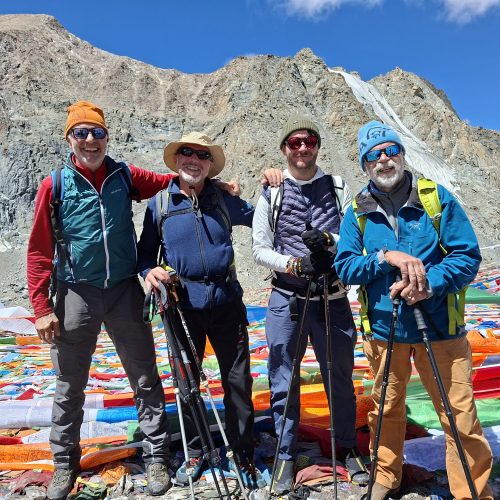
- Admire the stunning views of Yamdrok-Tso Lake, Karola Glacier, and high passes
- Explore the sacred Tashilhunpo Monastery in Shigats