

-
Domestic flights / private vehicle
-
2 -12 participants
-
5,143 m
-
Standard Hotel
-
Hard
-
Kathmandu
-
Kathmandu
-
Spring and Autumn
-
Professional licensed guide & porter
-
Trekking adventureg
-
English and Other Language can also be manage.
-
All Standard Meal
-
KCAP + Restricted Area Permit + TIMS
Kanchenjunga North Base Camp Trek Overview
Kanchenjunga North Base Camp Trek is one of Nepal’s most remote and adventurous trekking routes, leading you to the foot of the world’s third-highest mountain, Mt. Kanchenjunga (8,586 m). This less-traveled journey weaves through pristine alpine forests, highland villages, deep valleys, and glacier-carved landscapes within the Kanchenjunga Conservation Area. The trail takes you through diverse ethnic settlements of Rai, Limbu, Sherpa, and Tibetan-influenced communities, offering not just natural beauty but also cultural richness and solitude. With limited infrastructure and far fewer trekkers compared to popular routes, this trek offers a true wilderness experience for serious adventurers.
Beginning with a scenic flight to Bhadrapur and a long drive to Taplejung, the journey transitions from subtropical lowlands to icy alpine heights. It includes acclimatization days in Ghunsa and Khambachen before reaching Pangpema (5,143 m), the Kanchenjunga North Base Camp. Surrounded by towering ice walls and the peaks of Kanchenjunga, Jannu, and more, the destination rewards you with breathtaking views and a sense of spiritual isolation that only the Himalayas can provide. This trek demands physical fitness, high-altitude experience, and mental resilience—but for those prepared, it is a life-changing journey into the wild heart of eastern Nepal. Looking into things, folks might type in stuff like Kanchenjunga north base camp trek map, followed by how long the hike takes or just how far it stretches – usually somewhere near 200 to 220 kilometers, give or take based on path choices.
Spanning roughly 18 to 22 days, a typical schedule kicks off with a plane ride to Bhadrapur, then a lengthy road trip ending in Taplejung. People tend to weigh options by checking both Kanchenjunga north base camp trek price and what others quote as total expense; numbers hover between 1800 and 3000 U.S. dollars, shaped by service levels, team size, and behind-the-scenes planning. Up top, the trail climbs to about 5,143 meters at a spot called Pangpema – this high point puts you face-to-face with the planet’s third-tallest mountain. For locals heading out, the Kanchenjunga Base Camp trek cost for Nepali citizens drops sharply, particularly if going solo or hiring homegrown guides.
Season for trekking to Kanchenjunga North Base Camp
Springtime brings steady winds, bright days. March through May warms the path gently; flowers open along forest edges, colors spread underfoot. Rhododendron trees bloom wildly then – pink, red, white – all while mountain ridges stand sharp against clean skies. Hikers find footing sure on sun-dried earth, breath smooth in cool but kind air. Pangpema waits high above, reachable without struggle when clouds stay back. Views stretch far, unbroken by haze. Cameras catch stillness easily here. Nature moves slowly now, seen clearly.
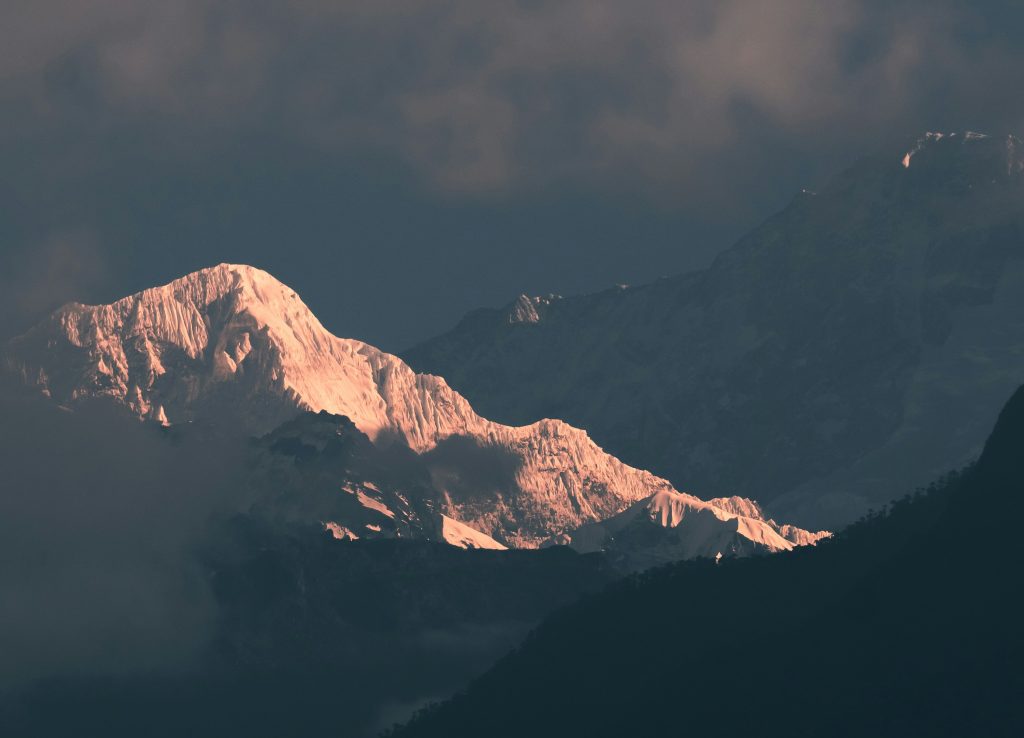
Come September, rain ends. Skies rinse themselves clear again. October lifts mist away completely, reveals stone peaks in full frame. Trails harden after monsoon washouts, become safe once more. Crisp mornings give way to calm afternoons, predictable each day. Few storms rise during these months. Snow stays where it belongs – far up, not blocking paths. Trekkers move freely across passes, pause often just to look. The big wall of Kanchenjunga shows every ridge, every shadow. Light hits differently now, sharper than before.
Can You Do the Kanchenjunga North Base Camp Trek?
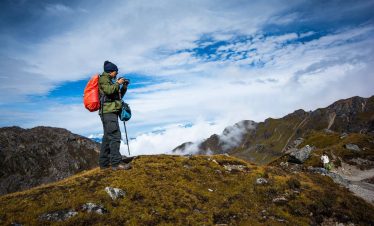
Only seasoned hikers need apply when it comes to the Kanchenjunga North Base Camp Trek – fitness matters, yes, but so does mental stamina and a hunger for untouched corners of Nepal’s high mountains. Far from trails packed with Langtang Ri Trekking And Expedition, this journey stretches across wild landscapes where each day brings six to eight hours on uneven ground, sometimes without another soul in sight. At heights surpassing 5,100 meters, breathing thins out fast; bodies must adjust slowly, ideally after having spent time at such elevations before. Solitude becomes your companion here, along with sweeping views and real village life off the tourist conveyor belt. While cozy teahouses and quick exits don’t exist nearby, those seeking depth over comfort might find something rare: a trek that feels more like discovery than destination.
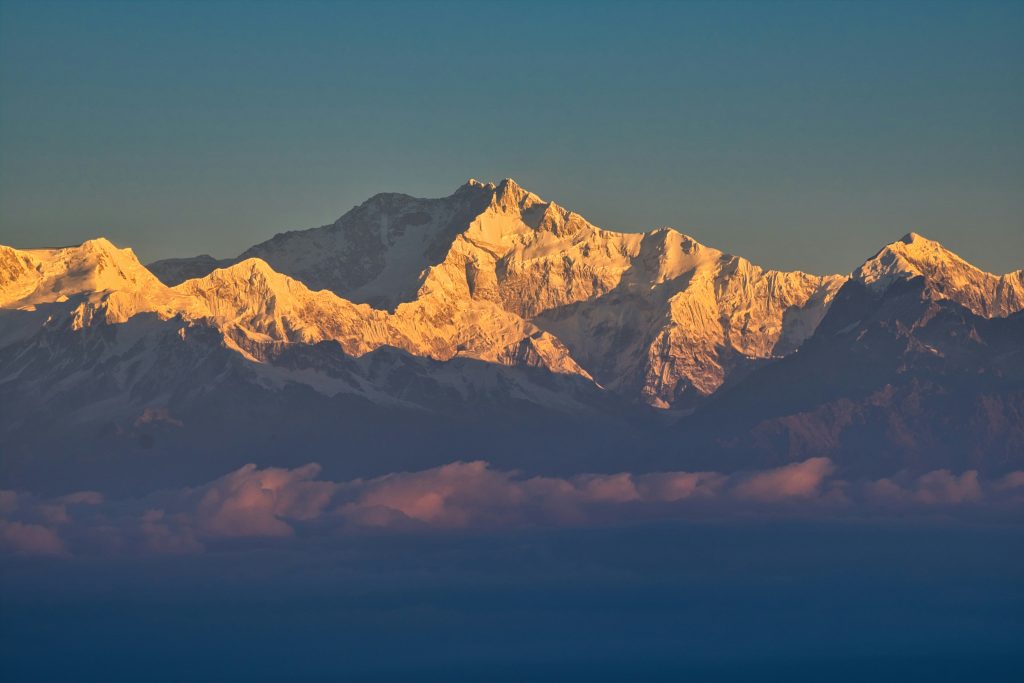
Adventure lovers who crave raw nature will find this trail fits just right – expect minimal services and spotty signals along the way. Teahouses with few comforts await, food stays humble, and storms might show up without warning. Staying calm when plans shift matters here, since roads and transport often come with delays. What shows up in exchange? Vistas of Kanchenjunga that stick to memory, untouched terrain, and a quiet pride that builds step by step. Those drawn to remote paths and long uphill walks will feel at home on this route. Tough days shape it, yet so does the reward.
Getting Ready for the Kanchenjunga North Base Camp Hike
- A solid routine begins well before the journey – think two or three months out. Hiking helps build stamina, while running pushes endurance further. Cycling adds another layer of cardiovascular prep, not just leg power. Core work ties it together, giving stability when terrain gets rough. Legs need focused effort too, since they carry everything forward.
- Starting at higher elevations? Try walking long distances between 3,000 and 4,000 meters before attempting tougher climbs. That kind of trip shows what happens when thin air hits your breathing. Some people adjust fast; others feel it more. Being up there ahead of time helps spot warning signs early. It’s less about fitness, more about how oxygen levels shift in your system. Past trips above that range give real clues – no guesswork needed.
- Start smart when hitting trails – warm layers matter, plus a reliable sleeping bag. Waterproof outerwear helps if skies turn, while solid boots support each step along rough paths. Bring trekking poles for balance, especially on uneven stretches. Good clothing keeps you steady in changing weather, just like proper footwear eases long climbs. A dependable jacket blocks wind and rain, making rest stops more comfortable. Quality matters most when temperatures drop after sunset.
- Ahead of travel, secure the required paperwork – a Restricted Area Permit along with entry clearance for Kanchenjunga Conservation Area, always through an officially listed guide. Paperwork like this won’t go through without proper representation. Expect checks at multiple points, so having everything lined up ahead matters. Guides handle filings, but confirmation rests on your preparation. Nothing moves forward until both permits are confirmed.
- A single traveler won’t do here – local rules demand company of at least two people plus a certified guide. Because of that, sorting out details early isn’t optional. Arrangements must be locked down well before arrival.
- Just check that your travel coverage includes treks at high elevations. It should handle rescue by helicopter if needed, all the way up to 5,500 meters. Some plans skip these details – yours shouldn’t. Altitude brings risks, so make sure you’re protected beyond basic trips. Policies differ, but yours must stretch as far as the terrain does.
- Rest is built into smart travel schedules. A climb spread out over time helps your body adjust. Slower progress means fewer problems breathing high up. Taking it step by step gives strength. Pausing along the way keeps energy steady. Body changes happen when pace stays low. Time spent at each level counts more than speed.
- A small medical pack helps when things go sideways on the trail. See a physician ahead of time – this matters more if your body has existing limits.
- Expect rough spots when you’re out there – spotty Wi-Fi, meals that are plain, hours on foot each day. Get your head right before heading into those quiet backcountry stretches.
- Few places out there have banks or stores, so pack your money ahead of time. Snacks help when hunger hits and no food is nearby. Personal items? Bring what you need – none of that stuff will be on shelves once you’re off the grid.
Trip Highlights
- Explore one of the most remote and wild Himalayan trails in Nepal.
- Reach Kanchenjunga North Base Camp at 5,143 meters.
- Cultural encounters with the Rai, Limbu, and Tibetan-influenced communities.
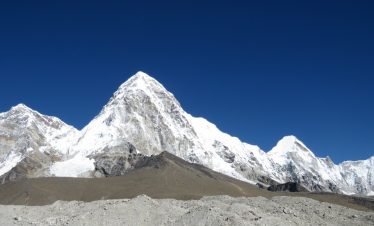
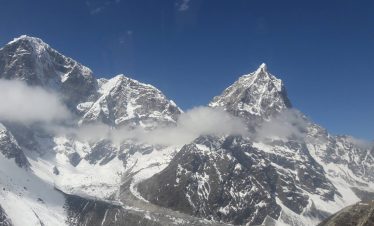
- Panoramic views of Mt. Kanchenjunga, Jannu, Pyramid Peak, and more.
- Trek through lush rhododendron and oak forests to glacier moraines.
- Chance to spot elusive wildlife such as blue sheep and snow leopards.