
Introduction
Explore Unforgettable Kanchenjunga national park 2026 is a distant from worn footpaths. The land cradles the lower slopes of a mountain that stands 8,586 meters tall – Earth’s third-highest summit rests just above. Other hikers stream toward Everest, looping around Annapurna instead. Here, stillness stays unbroken; people rarely step through. Sound doesn’t tear through air. Wide hollows run into sharp cliff edges. Everything shifts slow. When dusk settles, visitors meet a quiet like nowhere else. Created in 1997, this place covers more than two thousand square kilometers. From warm forest floors it climbs fast into frozen ice fields and high-altitude grasslands. Such steep change packs many different homes for life together, turning it into one of Nepal’s most alive wild zones. Walkers, adventurers, watchers of birds, plant hunters – each finds paths that push hard yet pull deep into rugged, unshaped wilderness. Away from busy paths, Kanchenjunga hits differently than most spots. Moving through this space isn’t just about seeing sights. With each stride, rugged terrain opens up ahead.
Time spent near locals happens slow, unforced. Understanding builds even when silence fills the air. Time bends where peaks rise, water cuts through stone, yet trees stand thick and quiet. If you want wild spaces, alone moments, or paths that test your stride, then this place near Kanchenjunga answers – hard, raw, never forgotten.
Where Wilderness Meets the Himalayas?
High up in northeast Nepal, Kanchenjunga National Park fills much of Taplejung District within Province One. It stretches right to the edges of both Sikkim in India and Tibet in China. Getting there takes time – several days unfold before visitors arrive, mixing short flights with winding road trips and footpaths carved into steep land. Distance protects it; few reach these parts, so nature stays untouched here.
High up, snow-draped ridges rise sharply into view. Lush river valleys give way to thick forests as elevation climbs. Deep valleys take shape where the Tamor River winds slowly below. Life thrives near its banks, fed by steady currents. Alpine meadows appear suddenly between rocky slopes. Glaciers cling tightly to shaded slopes without warning. Towering peaks loom ahead after miles of gradual ascent. Cliffs drop away abruptly, revealing still glacial lakes below.
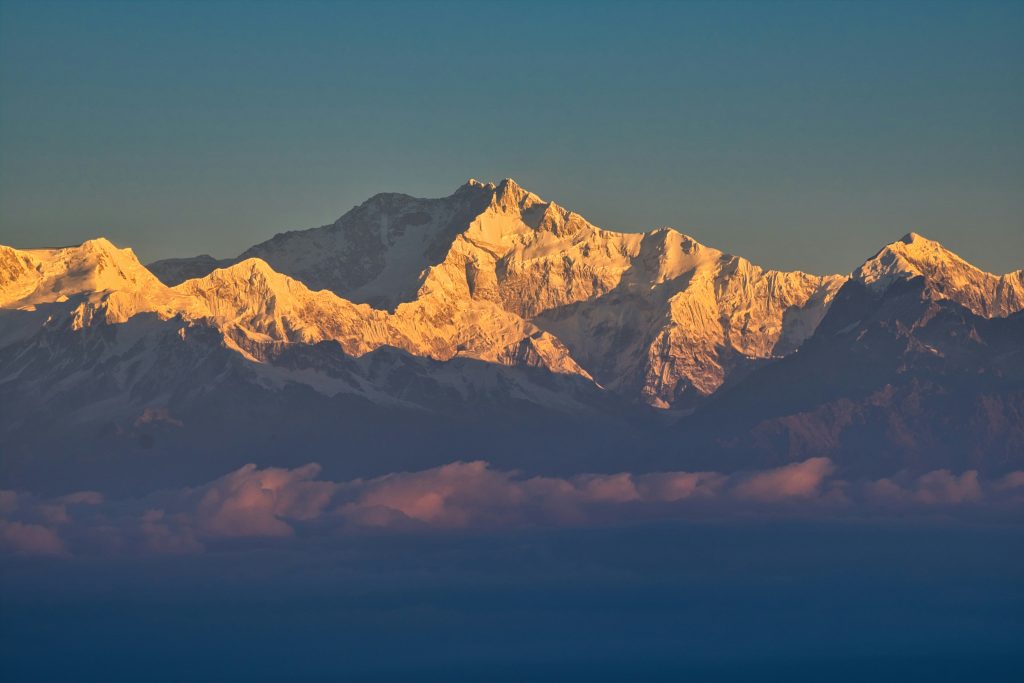
Right in the middle of the park rises Mount Kanchenjunga, held holy by people living nearby. Its name means “Five Treasures of Snow,” because it has five major summits. Because of its size, it affects weather patterns across the area. With height comes influence – on forests, rivers, even traditions followed for generations. Though silent, the peak speaks through stories told around fires and paths shaped by ancient footsteps.
Biodiversity Home to Rare and Endangered Species
Home to countless plant and animal species, some seldom seen anywhere else, Kanchenjunga National Park stands out in Nepal’s natural landscape. Rare creatures move through dense forests where few humans tread. Life thrives here in ways not found beyond these high valleys. This stretch of wilderness holds value far beyond its borders. Plants grow wild in patterns shaped by altitude and shadow. Few places on the planet host such a mix of living things in one mountain realm. Endangered beings find shelter among rocky slopes and hidden streams. Nature works quietly but powerfully within this protected space. Species cling to existence where conditions change sharply with height. Protection matters deeply because so much depends on survival here.
Beneath the higher slopes, thick woods thrive where oak trees stand beside pine and rhododendron. When you climb higher, those green stretches fade into open mountain fields dotted with grasses. Above that zone, rock and ice take over under cold winds and thin air. Different animals find their place because of how much the land shifts across levels. Shy red pandas slip through thick bamboo stands, one of the park’s best-known residents. Snow leopards stalk higher slopes, while farther down, Himalayan black bears root in the undergrowth. Musk deer move quietly between trees, their presence often sensed more than seen. Blue sheep perch on rocky bluffs, silhouetted against pale morning light. Up above, wings cut across crisp air – pheasants, finches, eagles – all part of a rich web of high-altitude life.
Out here, life thrives simply because few have come through. Far from busy roads, the land stays quiet – giving animals room to move, feed, grow. Distance does what rules sometimes cannot: keeps harm away. Wild things live much like they always did, unseen, uninterrupted.
Cultural Heritage in the Himalayas
Hidden among the peaks, Kanchenjunga National Park holds more than just scenery. Life here pulses through many cultures, not one alone. Communities like the Limbu settle into the hillsides, while the Rai farm lower slopes. Up higher, the Sherpa move with seasons, their traditions shaped by altitude. Tibetan families live close to ancient ways, keeping rituals alive across generations. Together, these groups weave something distinct – a blend stitched quietly over time.
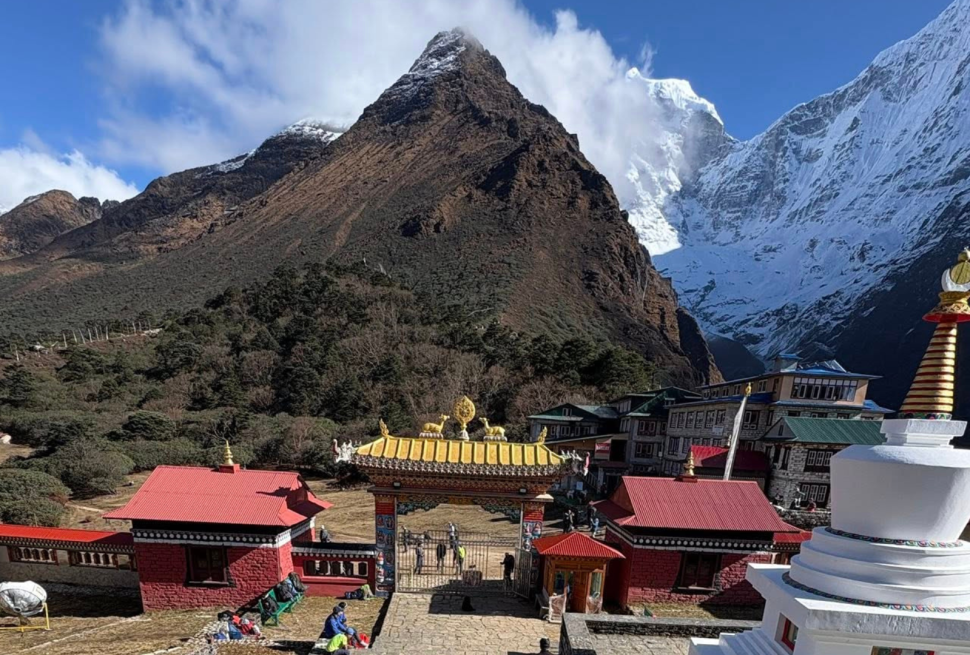
Out here, small villages dotting the landscape show daily life shaped by old Himalayan ways. Earning a living mostly means working fields, tending animals, or trading goods. Even with how hard it can be so far from cities, people hold tight to who they are through customs that run deep. Up high on the trails, you will spot prayer wheels beside quiet monasteries. Mani walls stretch through rocky passes where wind carries whispers of chants. Spirit shapes routine here – festivals unfold under open skies. Mountains watch over prayers spoken each morning.
Walking into the park often brings travelers face to face with nearby villages. Because of this, they pick up stories, traditions, and ways of life directly from residents. Through shared meals or quiet conversations, understanding grows slowly. These moments turn movement across land into something more than sightseeing. Instead of just passing through, people begin to feel connection. That shift – small but real – changes how the whole place is seen.
Trekking Kanchenjunga National Park
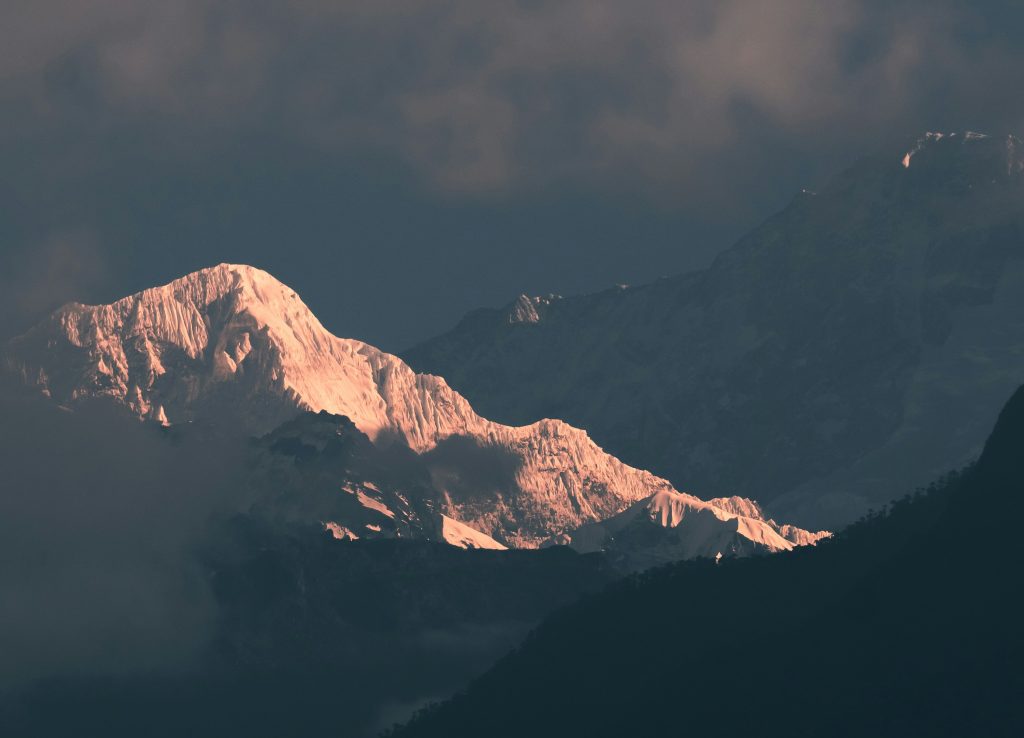
Winding paths cut through Kanchenjunga National Park, making foot travel the main path into its heart. With fewer people around compared to busier zones, each step feels quiet, almost private. Though some areas draw crowds, this place holds back, opening up slowly to those who walk it. One way to reach Kanchenjunga’s base camps is by following the northern trail, another chooses the southern path – both common choices that sometimes link into one extended loop. Through thick woods at first, then upward past rocky ridges, each step shifts the view bit by bit. Glaciers appear later, cold and slow-moving, after days spent walking under changing skies.
Walking for hours across wild paths tests your body, yet pushes you forward. Trails far from towns plus simple places to sleep call for planning, strength too. Still, wide mountain vistas meet village voices along quiet moments alone. Each tough step fades when silence wraps around distant peaks at dusk. Effort fills the legs; beauty fills the mind – both stay long after. Deep inside Nepal’s wild corners, walking through Kanchenjunga National Park pulls you far from routine. Paths wind past quiet forests where few footsteps reach. Each turn reveals peaks that seem untouched by time. Instead of crowds, there are only birdsong and shifting clouds above rocky ridges. This is movement without hurry, thought without noise.
Kanchenjunga National Park is famous for which animal
High up among misty slopes lives a creature few ever spot – the red panda. Hidden within thickets of bamboo, it chews slowly on fresh green leaves, finding meals just where the air turns thin. This place, far from roads and noise, gives shelter without disturbance. Though shadows move with snow leopards, or bears climb rocky ridges nearby, attention always drifts back to the quiet climber in the trees. Visitors come hoping, often leaving only footprints and wonder behind.
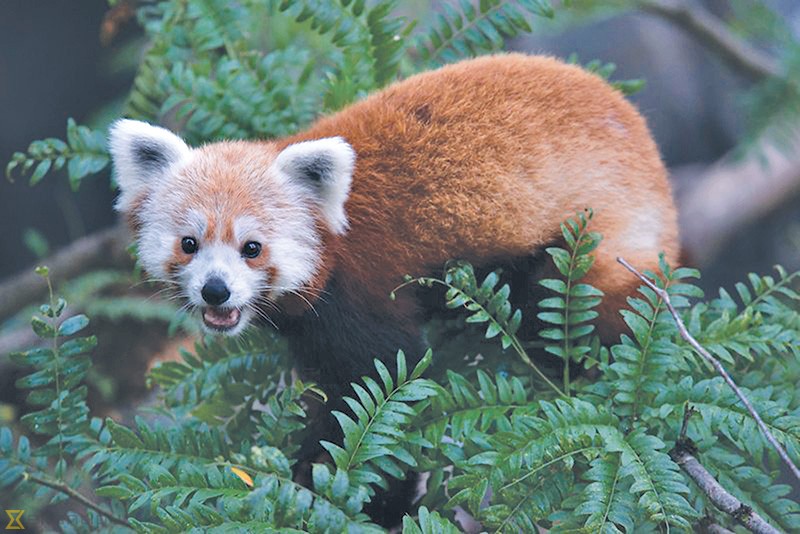
A rare blend of wildlife conservation, local culture, and breathtaking mountain beauty—where the elusive red panda becomes the heart of the celebration.
Flora A Botanical Wonderland
High up on the slopes, Kanchenjunga National Park bursts with different kinds of plants. Because elevation shifts so much here, forests give way to alpine meadows without warning. Life clings tightly at every level, thriving under rugged conditions. Botanists keep returning, drawn by what grows where few expect.
Down low, thick stands of sal along with oak and chestnut cover the ground heavily. Higher up, spruce woods appear together with clusters of rhododendron that burst into bright color when spring arrives.
Blossom-packed alpine meadows climb higher into view, painting bright splotches across jagged peaks. Alongside them grow numerous medicinal herbs – long trusted by nearby villagers for age-old remedies.
A wide range of plant life brings color and depth to the park, while giving animals what they need to thrive.
Wildlife Encounters Beyond the Ordinary
Out here, where few tread, life moves freely beneath thick canopies and quiet ridges. Kanchenjunga’s untouched corners give creatures space – room to roam, feed, rest, without interruption. Wild things live as they always have, shaped by cold winds and steep trails rather than human paths.
Though spotting wildlife isn’t certain, many travelers catch glimpses of blue sheep near steep cliffs or hear high-altitude birds echoing far off. Now and then, someone fortunate might glimpse a snow leopard – shy, fleeting, almost ghostlike.
Wildlife like red pandas gives the place its quiet magic, since sightings happen almost nowhere else. A moment watching them here sticks, simply because nature feels untouched. What stays with visitors is not just what they saw, but why it matters.
Best Time to Visit
Spring brings steady days, plus crisp air that lifts haze from the peaks – March through May stands out. September to November does much the same, with open views and calm winds shaping quiet trails.
Fresh green leaves pop when spring arrives, painting the hillsides bright with rhododendrons. Yet by fall, cooler breezes roll in while wide-open vistas stretch across every ridge.
When winter comes, getting around gets tough – cold air and snow make things slow. Heavy downpours during monsoon time turn paths into mud, so most people stay away then.
Permits and Regulations
Inside Kanchenjunga National Park lies land kept apart, guarded by rules that block easy access. Getting through demands paperwork – specifically one known as RAP, another called KCAP. Without these slips in hand, stepping past boundaries becomes impossible. Each traveler faces the same steps; no exceptions appear allowed. Permits open gates otherwise locked tight.
Folks hiking these trails must stick together, moving as a team alongside someone officially certified to lead. Safety improves when people move in pairs or squads, guided by those who know the land. Protecting both nature and traditions becomes easier under such rules, simply because oversight stays strong.
Starting with a registered trekking agency makes sorting everything far easier. One wrong step can complicate things fast. Smooth handling of details often comes from using someone already approved. Getting it right means less stress later on. Fewer surprises happen when experience guides the way.
Accommodation and Food
Inside Kanchenjunga National Park, places to stay keep things straightforward yet cozy. Along village paths, tea houses pop up regularly – small rooms, home-cooked food. When trails wind farther out, tents often become the only option. Folks usually eat classic Nepali fare – dal bhat shows up a lot, along with noodles, steaming bowls of soup, even flatbreads from Tibet. Choices might feel slim at times, yet every bite packs fuel good for long hikes.
What stands out is how basic lodging and meals feel just right, making it easier to blend into daily life here. A slower pace lets people notice small details in nature around them. Staying close to the ground keeps things real, without distractions pulling attention away.
Exploring Kanchenjunga National Park
A quiet path into the wild begins here, where few have wandered in the high reaches of the Himalayas. Beauty shaped by ice and time meets traditions carried through generations, unfolding slowly beneath sharp peaks. Adventure slips in without warning – through forest trails, ancient monasteries, still lakes. This place stays apart, held back from change by distance and deep valleys. Each step reveals what remains when the world moves slower.
Alone time draws some people here, where real moments wait off beaten paths. Pushing your body comes first – then wide views open up, along with quiet meetings that stick.
A walk through Kanchenjunga National Park pulls you far beyond sightseeing – suddenly it becomes less about paths, more about quiet moments that shift something inside. Instead of checking landmarks off a list, time slows beneath thick forest canopies where silence speaks louder than plans ever could. Because nature here does not perform; rather, it reveals itself only when approached without expectation. So movement between peaks and streams turns into an unspoken conversation – with every step, clarity grows quietly alongside moss on ancient stone.
Adventure to Explore Kanchenjunga National Park and Wildlife
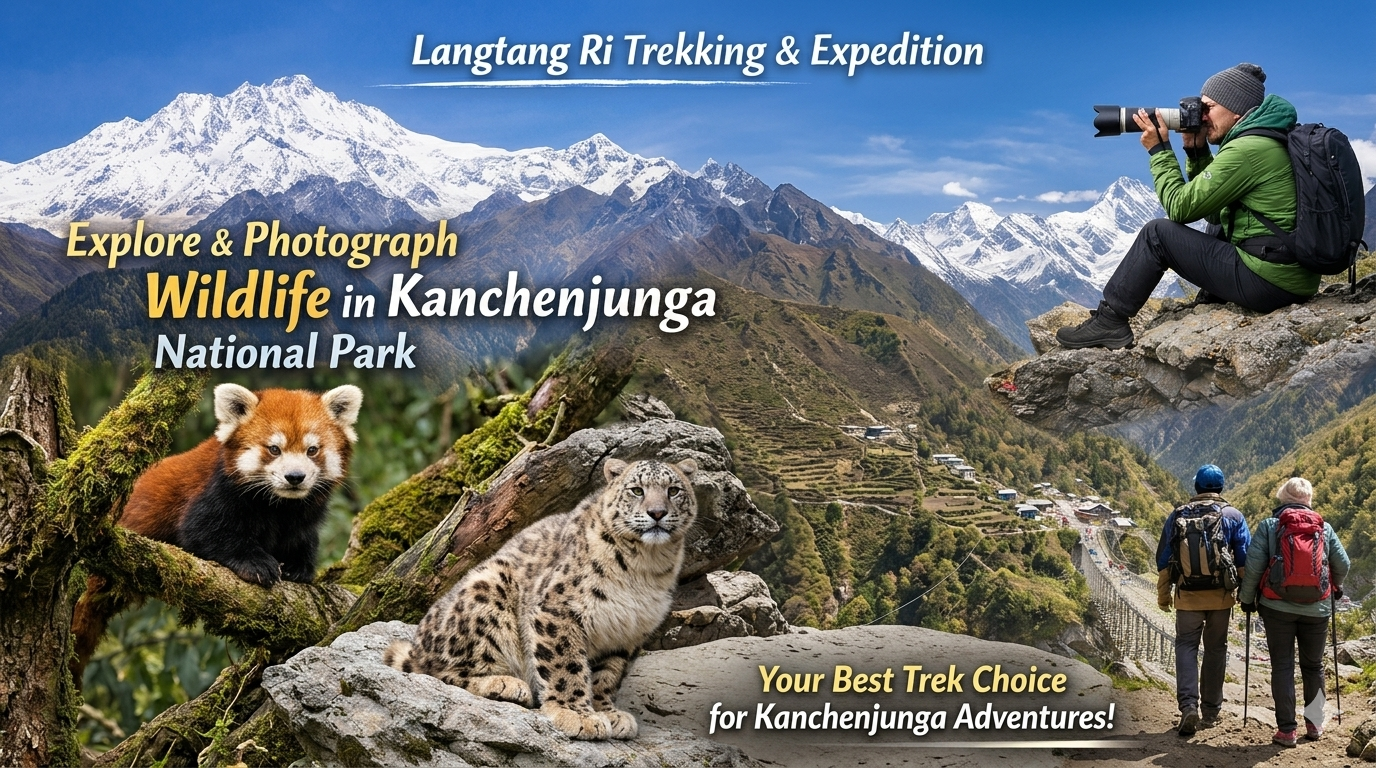
Adventurers after something different in the Himalayas might find their match in Langtang Ri. This trail brings steep paths along wide-open skies, while offering glimpses of animals rarely seen elsewhere. Some who pass through later head toward Kanchenjunga National Park. Though known for sweeping mountain scenes, this route does more than feed the eyes. It builds strength and focus needed when stepping into untouched areas far from roads. There, silence grows thick, creatures move unseen, and terrain stays wild. Picking Langtang Ri on your trek opens quiet paths where few footsteps go. Unlike busier trails near Everest or Annapurna, these routes let you walk without crowds pressing close. Through green thickets and open mountain fields, the land changes shape beneath your boots. Glaciers carved deep valleys that now host shy animals and sudden bursts of color in blooming shrubs. Red pandas slip between trees just as they do farther east in Kanchenjunga’s protected stretch. Musk deer pause at dawn, while bird wings cut across sharp ridges above. Each step offers moments worth capturing, not because it feels grand, but because life moves freely here.
Langtang Ri isn’t just about sweeping views – villages tucked into high valleys let you walk through daily life shaped by mountain rhythms. Meeting people there adds depth, so when later you step toward Kanchenjunga National Park, things feel familiar. Pictures come alive here: icy summits rise above clear streams; trees blaze with color – all practice for what lies ahead. With every climb, strength grows quietly, matched by growing ease among steep trails and thin air. Adventure finds balance on this path – not too gentle, never reckless.
Truth is, few trails match Langtang Ri when visiting Kanchenjunga National Park. Adventure meets culture here – wildlife sightings come along for those patients enough to wait. Each turn reveals raw landscapes, perfect for capturing Nepal’s remote corners without filters or fuss.
Conclusion
Hidden away in Nepal’s highlands, Kanchenjunga National Park waits quietly for travelers ready to step beyond common trails. Rugged terrain meets rare wildlife, while local traditions unfold without hurry or show. A visit here stirs effort, yet returns moments thick with meaning. Fewer footprints mean more space for discovery – raw, slow, real.
If you have trekked many times before, love wild landscapes, or just want something different – Kanchenjunga National Park sticks with you long after you leave. Here, trees seem to whisper, quiet moments feel deep, each footfall pulls you into the heart of the mountains.
FAQs
Why is Kanchenjunga National Park Famous?
Deep within the Himalayas lies a quiet stretch of wild land where few footsteps wander. Home to Mount Kanchenjunga, standing tall as Earth’s third loftiest summit, it wears its silence like armor. Life thrives here in hidden corners – red pandas curl on mossy branches while snow leopards move like shadows across stony ridges. Different people live nearby, each carrying ways shaped by cold winds and steep trails. Far from crowds, narrow paths wind through forests and high meadows without signposts or noise. This place does not shout; instead, it waits, covered in mist and stillness.
How do I go to Kanchenjunga National Park?
A journey toward Kanchenjunga National Park often starts with a flight from Kathmandu – landing at either Bhadrapur or Biratnagar comes next. After that, wheels move east through winding roads until Taplejung appears, serving as the usual entry point. Once there, paths branch off into the reserve, following trails near settlements such as Lelep or sometimes Sarding, based on which way feels right.
Can Kanchenjunga be seen from Nepal?
Over by eastern Nepal, Mount Kanchenjunga comes into view – clear and tall – from spots inside Kanchenjunga National Park. Places such as Taplejung and Ilam give sharp glimpses of the third-tallest mountain on Earth. Up close, it stands out without effort.
Why is Kanchenjunga called Sleeping Buddha?
Over by eastern Nepal, Mount Kanchenjunga comes into view – clear and tall – from spots inside Kanchenjunga National Park. Places such as Taplejung and Ilam give sharp glimpses of the third-tallest mountain on Earth. Up close, it stands out without effort.