


-
Pick-up and drop by Private Vehicle / Domestic Flight Kathmandu → Lukla
-
2–12 persons
-
3,870 m / 12,694 ft (Tengboche Monastery)
-
Standard Hotel
-
Moderate
-
Kathmandu, Nepal
-
Kathmandu, Nepal
-
October – November (festival season), May – June (pre-monsoon)
-
Professional local trekking guide
-
Cultural & Festival Trekking
-
English Guide (Other guide on the request)
-
Breakfast included; Lunch and Dinner optional or package dependent
-
Sagarmatha National Park Permit (SNP), TIMS Card
Overview
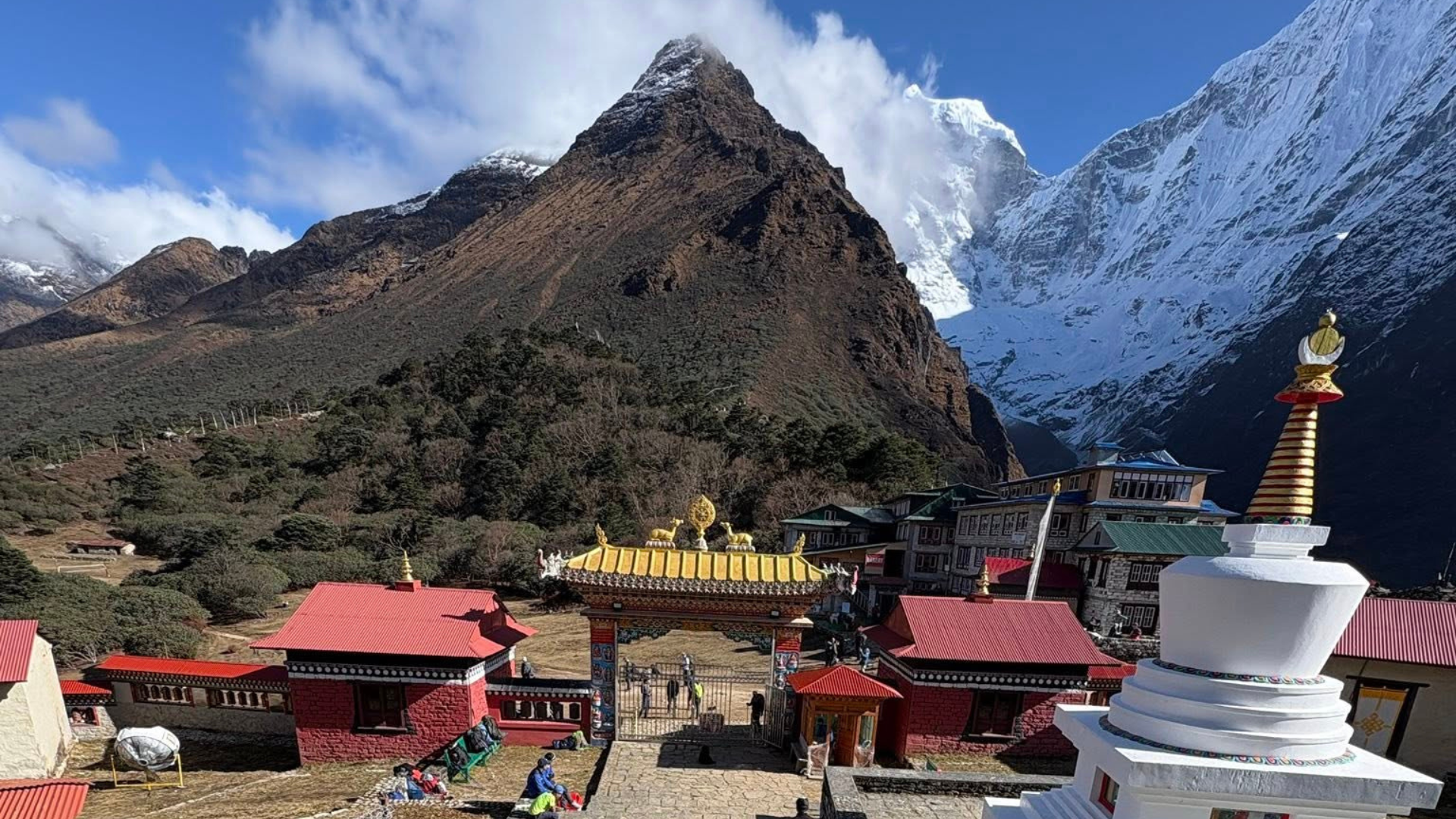
Mani Rimdu Festival Trek is a unique blend of Himalayan adventure, Sherpa culture, and spiritual immersion. Held annually at the iconic Tengboche Monastery in the Everest region, this colorful Buddhist festival brings monks and local communities together for sacred masked dances, rituals, blessings, and vibrant celebrations. The trek itself follows the classic trail through Lukla, Namche Bazaar, and Tengboche—giving you the perfect opportunity to experience the region’s dramatic landscapes, warm Sherpa hospitality, and panoramic views of Everest, Ama Dablam, Thamserku, and Lhotse.

The journey is a great opportunity to observe one of the most important festivals in Sherpa Buddhism, as well as the traditional way of life, centuries-old monasteries, and spiritual practices that define the Khumbu region. The Mani Rimdu Festival Trek is ideal for trekkers who seek cultural depth along with moderate adventure, promising a rare atmosphere of spirituality, remarkable Himalayan scenery, and an unforgettable insight into the living Buddhist traditions of Nepal.
Chham – The Sacred Masked Dances
The atmosphere becomes really mystical at Tengboche Monastery on the second day of the Mani Rimdu Festival, when the sacred Chham dances start. These ritual dances represent the victory of wisdom and compassion over chaos: demons being subdued, purified, or transformed into protectors of the Dharma. The masks used, the drama in the movements, and the deep spiritual expression present Buddhist teachings on many layers, from simple moral lessons to profound philosophical insights.

During Chham, it is believed that the dancing monks take on divine energies, thus allowing the audience to witness a living link between the physical and spiritual worlds. These dances are not staged for entertainment but are sacred ceremonies, performed only during Mani Rimdu, thus keeping their purity, meaning, and cultural significance within the Sherpa Buddhist tradition.
Fire Puja (Jinsak)
The day after the sacred dances, the Jinsak, or Fire Puja, takes place in the monastery courtyard-one of the most profound rituals of Mani Rimdu. This ritual is offered to Agni, the god of fire, and to the protective gods of the mandala. As part of this offering, practitioners symbolically dissolve all negativity and obstacles, imagining them as grains to be burnt along with clarified butter by the fire.
Once the ritual is complete, the elaborately constructed sand mandala in the monastery is respectfully disassembled. The blessed sand is then made available to the Nagas, serpent deities, to symbolize dispersal of positive energy and restoration of harmony to nature. An act signifying impermanence and that creation and dissolution is an ongoing cycle according to Buddhist thinking.(cont’d) Chhingpa – The Dance of the Four Protectors
One of the most fascinating performances during Mani Rimdu is that of the Four Protecting Ghings, strong guardian beings who protect the Buddhist teachings from the forces that might disrupt it. The dancers wear brightly colored paper masks, each with a serene, smiling expression that conceals the identity of the performer. Their energetic hopping steps ring out in the courtyard to the crash of cymbals. During the act, the masked dancers often make playful rushes toward young spectators, creating both excitement and laughter in the audience.
The Dakini Dance – Grace and Devotion
In contrast to the vivid Chhingpa display, the Dakini dance is performed with gentle elegance. Five young monks, representing female enlightened spirits, move in slow, precise steps that match the delicate rhythm of bells and soft drumbeats. Without masks, their calm expressions embody the divine feminine qualities associated with the spiritual companions of Padmasambhava. These figures are believed to descend from the sacred realm of Shangdok Palri, signaling the approaching appearance of Guru Rinpoche during the festival. Two dancers carry cymbals while the others hold small ceremonial drums—symbolizing the harmonious balance of method and wisdom on the Buddhist path.
The Torma – A Symbol of Enlightenment At the center of the ceremonial display, always sits a beautiful offering, the torma-a piece of artwork constructed from barley flour and often adorned with bright butter images. From its original character as the physical form of a deity, the meaning of torma shifts during the course of the ritual. At the culmination of the ceremonies, it represents full enlightenment. Placed facing the intricate sand mandala on its own sacred shrine, the torma forms a very strong reminder of spiritual change and the goal of the festival’s ritual activity.
Mani Rimdu Festival Trek 2026 Packages
The Mani Rimdu Festival Trek 2026 packages have been developed to offer a unique blend of cultural experiences and traditional Himalayan trekking adventures in Nepal. Almost all packages come with domestic flights from Kathmandu to Lukla, professional trekking guides, teahouse stays, and meals during the trekking adventure. In addition, the packages include permits and a carefully planned trekking itinerary that culminates at the Tengboche Monastery, which is the spiritual hub where the Mani Rimdu religious rituals are performed. Depending on the duration of the trekking adventure, the itinerary will follow the Everest Base Camp trek route that passes through Sherpa settlements, monasteries, and observation points before synchronizing with the major days of the festival.
Best Time for Mani Rimdu Festival Trek
The best time to undertake the Mani Rimdu Festival Trek is during the autumn season, which normally occurs between the months of October and November. It is during this time that the Mani Rimdu Festival is observed as per the Tibetan calendar. The weather is relatively stable, with clear skies and good visibility of the mountains in the Everest region, making it the best time to undertake this trek. The climate is also cool but not cold, making it ideal for trekking. Additionally, the autumn season ensures that the views of the Himalayas are clear, and the atmosphere surrounding the monastery is lively during the festival.
The Mani Rimdu Festival trekking itinerary will take you deep into the Everest region of Nepal, where you can experience the Himalayan trek and the most sacred Buddhist festival at Tengboche Monastery. Adventurers looking for the Mani rimdu festival trek map will be able to find trekking routes that generally follow the traditional Everest Base Camp trek route until you reach Tengboche, where monks will conduct masked dances and rituals.
There is also a growing interest in Mani Rimdu Festival 2026, Mani Rimdu Festival 2026, and even in previous events such as rimdu festival 2027, as adventurers plan their cultural treks around the lunar calendar. Some visitors also look for Mani rimdu festival in nepali traditions so that they can understand the spiritual significance of the rituals.

For future planning, questions like rimdu festival trek 2026 dates, Mani Rimdu Festival 2025 dates, and Mani rimdu festival trek 2026 packages are also gaining popularity among international adventurers who want to book their guided treks and accommodations well in advance.
What is the spiritual purpose of the festival?
Every now and then, a quiet moment turns into something larger than itself. Guru Rinpoche’s arrival in Tibet marks what people honor when they gather for Mani Rimdu. Though unseen, forces shift through prayer and gesture during these days. Victory isn’t shouted – it shows up in masks, dances, old words spoken just once a year. Bon traditions fade behind movements that carry new meaning forward. Sound carries belief: Om Mani Padme Hum repeats like breath across valleys. Tiny pills, blessed and handed out by hand, take their name from the syllables floating in air. What began long ago lives on without needing to explain itself.
How early should I plan or book 2026/27?
Festival time hits just when October trails get busiest, so Tengboche’s teahouses book out long before autumn arrives. Staying indoors means reserving a spot well before summer ends.
What is the “Sand Mandala” and why is it destroyed?
Out of stillness comes a burst of color, grain by tiny grain. Monks move like breath held too long, placing each speck with purpose older than memory. Not art for eyes – this grid becomes a dwelling place when ceremony calls. Lines do not wander, colors obey unseen rules etched in old chants. What looks fragile holds strict order beneath, shaped so precisely that only trained hands may build it right. After days without word or pause, the form stands complete: a house meant for something beyond seeing. Then soon after, swept away as if never there. When the festival peaks and blessings finish, everything turns quiet. Morning light fades as the Rinpoche or elder monks take up a ceremonial tool. With one motion they draw the colored grains inward – sweeping away hours of careful work in moments. What stood so precisely now blurs into itself without warning. This sudden undoing strikes deep – it shows how little lasts, not objects, efforts, or bodies. The sand collects gently, carried later to a flowing river. As it spills into water, the design spreads beyond sight, giving its energy outward simply by vanishing.
Trip Highlights
- Attend the sacred Mani Rimdu Festival at Tengboche Monastery, featuring vibrant masked dances and religious ceremonies.
- Trek through the heart of the Everest region with views of Mt. Everest, Ama Dablam, Lhotse, and other majestic peaks.
- Explore the Sherpa capital Namche Bazaar, filled with culture, markets, and traditional charm.
- Visit Tengboche Monastery, the spiritual center of Khumbu, beautifully located above the Dudh Koshi valley.
- Scenic mountain flight from Kathmandu to Lukla and back.
- Experience Sherpa Buddhist rituals, prayers, chants, and blessings.
- Stay in cozy mountain lodges and enjoy warm Sherpa hospitality.
- Hike through rhododendron forests, river valleys, and suspension bridges.