

Trip Info
-
Private vehicles
-
2 to 10 people
-
5,416 m
-
Standard Hotel
-
High
-
Kathmandu, Nepal
-
Kathmandu, Nepal
-
March–May and September–November
-
Professionally English-Speaking guided
-
Cycling Expedition (Adventure, Lodge-based)
-
English-speaking guides (other languages on request)
-
Full-board during trek; BB in cities
-
Annapurna Conservation Area Permit (ACAP), TIMS, Thorong La Pass permit
Overview Annapurna Circuit Cycling Adventure
Annapurna Circuit Cycling Adventure – 14 Days is regarded as the “Holy Grail” of high-altitude mountain biking adventures, and this 14-day journey into the heart of the Nepalese Himalayas is an experience that is not just a bike tour but an expedition that takes one through the most extreme geographical extremes of the world, from the subtropical jungles of 800m to the barren, moon-like topography of the Tibetan Plateau. As one embarks on the Annapurna circuit cycling adventure 14 days route map, one passes through a “living museum” of Hindu and Buddhist traditions, pedaling past ancient mani walls, prayer wheels, and white-washed teahouses that have been welcoming travelers for centuries.
Tailored for adventure enthusiasts with a solid fitness level, this route takes you through various ecological zones, from subtropical forests to alpine terrain. Along the way, you’ll interact with local communities, stay in traditional teahouses, soak in natural hot springs at Tatopani, and cycle through the world’s deepest gorge. Supported by experienced guides and a dedicated crew, this cycling trip is ideal for those who seek challenge, culture, and breathtaking Himalayan adventure on two wheels.
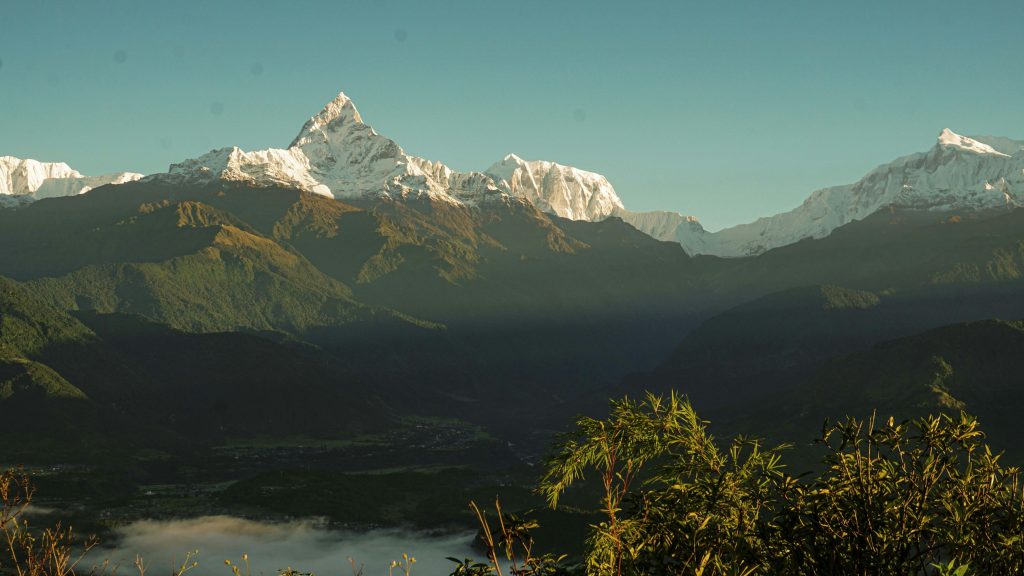
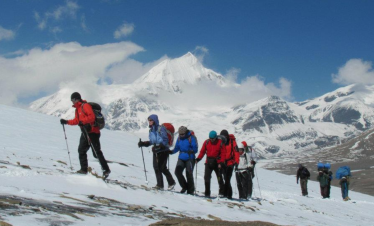
For those planning an Annapurna circuit cycling adventure 14 days review, it is a fact that is widely agreed upon that it is a challenge of both physical and mental endurance. The highlight of this adventure is the crossing of the Thorong La Pass (5,416m), which is one of the highest rideable mountain passes in the world. This is achieved after a careful mix of acclimatization and strength, which sometimes includes hike-a-bike trails where the altitude is low but the passion is high. The payoff for this is the famous descent into the Mustang area, where the cost of the Annapurna circuit cycling adventure is well worth it in terms of singletrack and gravel descents.
Annapurna Circuit Cycling Adventure Itinerary & Route Map
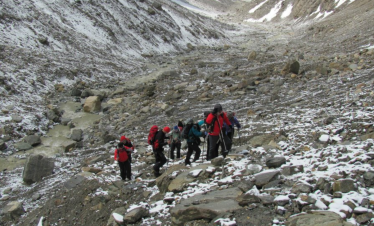
The trek usually starts with a car ride from Kathmandu to Besisahar, which marks the entry point into the trek. The route takes a combination of jeep trails and singletrack trails through villages such as Chame and Manang (3,540m), where a day of acclimatization is required. The “crux” of the route map comes in the form of the climb from Thorong Phedi to the Thorong La Pass (5,416m), which is the highest ridable pass in the world.
After the arduous climb, which sometimes includes carrying the bike, the route treats cyclists to a famous 1,600m descent to the temples of Muktinath, which are considered sacred. The final stretch takes cyclists through the world’s deepest gorge in the Kali Gandaki Valley, passing through the apple capital of Marpha and the hot springs of Tatopani, to the lakeside city of Pokhara.
Cost, Price, and Logistics
The cost of a professionally guided 14-day Annapurna Circuit cycling trip can vary between $1,999 USD, depending on the level of support and group size. This cost will include all necessary permits such as the ACAP (Annapurna Conservation Area Permit) and TIMS card, as well as teahouse lodging, meals, and a professionally guided mountain bike guide.
In the case of self-supported bikepacking, the cost per day can be lower (approximately $30-$50 for food and lodging), but one must also consider the cost of high-end mountain bike rentals (approximately $30-$60 per day) if they are not brought along. High-altitude bike support and emergency evacuation insurance are essential components of any budget.
Technical Difficulty and Reviews
Annapurna Circuit cycling tour has been reviewed as a “Level 5” or “Strenuous” experience in all reviews. Although the development of mountain roads has improved the trail to the extent that it is now ridable on more of it, the elevation factor still makes it a tough adversary. The riders will have to face steep slopes, loose gravel, and rocky “staircase” sections that demand expert bike handling skills. However, the reviews are all extremely positive, and most of them have described the descent from Thorong La to Muktinath as the most thrilling experience of their cycling careers.
Cultural Immersion and Scenic Highlights
Not just about climbing on a bike, riding the Annapurna Circuit drops you deep into Nepal’s many worlds. Along the route, old stupas rise beside trails while prayer flags snap in air too light to feel full. Once past the green tree cover, the land dries out fast – dry rock, open sky, silence takes over. Instead of leaves and mist, now there are stone houses built low against wind, walls painted white like those across Tibet. Each turn reveals how people live close to earth here, shaped by altitude, weather, long winters.

Walking here lets you meet the Gurung, Manangi, and Thakali communities up close. Their customs unfold slowly, one village at a time, shaped by altitude and old trade routes. Instead of rushing through, some travelers veer off toward Tilicho Lake when legs still have fire. Up there, air thins sharply, yet the water holds a deep blue calm against jagged peaks. Though claims shift now and then, many say it stands as Earth’s loftiest lake – quiet, cold, set between stone giants.
Sleep happens in old-style teahouses, yet rest is only part one. Inside those shared shelters, talk flows between visitors and villagers alike. Meals at dusk usually center on Dal Bhat – lentils and rice fueling tomorrow’s uphill ride. A sip of crisp apple drink from the mountains might lead to laughter late into the night. Heat from burning wood pulls people close, turning effort into something quieter, closer to discovery among Annapurna and Dhaulagiri peaks.
Best Time to Cycle
Few trails match Annapurna Circuit when it comes to high-altitude biking drama; getting the timing right makes all the difference. Though riders can attempt it across many months, autumn brings crisp skies from October through November, whereas spring rolls in warmer days between March and early June. Each season shapes the ride in unique ways, giving cyclists contrasting tastes of the mountains. One leans into cool clarity, the other unfolds amid thawing paths and blooming slopes.

When autumn arrives, riding bikes through the Himalayas becomes something special. After monsoon rains fade away, the air loses its grit and fog, leaving skies sharp and steady. Because of this shift, conditions turn dependable – helpful when aiming for Thorong La Pass, perched high at 5,416 meters, where less snow means fewer surprises on steep climbs. What you see while pedaling now feels almost unreal, stretched out in every direction like painted scenes come alive. High peaks such as Annapurna I and Dhaulagiri cut clearly into the bright sky above. With little moisture below, grip stays strong on steep downhill stretches – this means cyclists move freely through Mustang and Manang, their wheels finding hold where rough land might slow others. Dry earth keeps things steady underfoot.
Spring paints the mountains in gentler hues, waking them up slowly. When winter’s grip loosens, life surges through lowland trails near Ghorepani and along the Marsyangdi’s green riverbeds, brightened by blooming rhododendrons. Cooler days suit travelers who find autumn’s sharp evenings too harsh. Yet each advantage comes shadowed by trade-offs during this time. Heavy moisture hangs in the atmosphere, so cloud layers often gather by late day, hiding the tallest summits. By late May, sudden rains arrive before the monsoon hits – paths turn wet under tires, adding effort to every pedal stroke.
Even when snow lingers or flowers bloom, each window delivers what climbers need – places to rest stay open, paths hum with travelers. One picks frost sharp skies, still air, the kind that cuts breath, or else softer days where sun warms stone and rhododendrons flare red and pink. Neither stretch feels small. Each journey pushes hard yet answers back with views so vast they quiet thought. Peaks rise like bone from earth, visible only at these times.
Note: Monsoon season (June to August) is to be avoided because of leeches and landslides, while the deep winter months (January to February) are not ideal as the Thorong La Pass may be choked with heavy snow.
Highlights
- Cross the Thorong La Pass (5,416m), one of the highest cycling routes in the world
- Enjoy an epic downhill ride from the high Himalayas to the Kali Gandaki Valley
- Explore vibrant mountain villages like Manang, Marpha, and Muktinath
- Relax in natural hot springs at Tatopani after long rides
- Enjoy cultural interactions with Gurung, Thakali, and Tibetan-influenced communities
- Cycle alongside rivers, waterfalls, deep gorges, and panoramic Himalayan peaks