

Trip Info of Naya Kanga Peak Expedition
-
Private Pickup and Drop/Public jeep to Syabrubesi
-
2–12 participants per group
-
5,863-metre (19,236-foot)
-
Standard Hotel
-
Moderate to high
-
Kathmandu, Nepal
-
Kathmandu, Nepal
-
Spring (Mar–May) & Autumn (Sep–Nov)
-
Trekking Peak / Expedition
-
Experienced Mountain Guide and Sherpa Support
-
English ( on the request)
-
Breakfast, Lunch, Dinner included on trek; breakfast in Kathmandu
-
Naya Kanga Climbing Permit + Langtang National Park Permit
Naya Kanga Peak Expedition - About
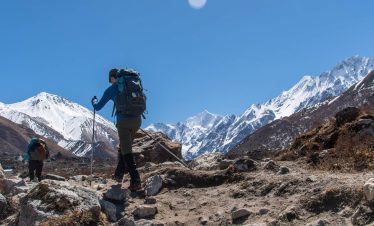
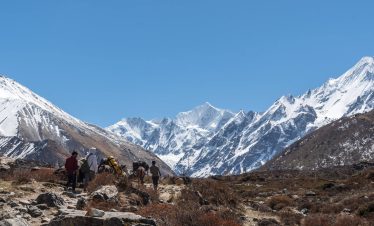
Naya Kanga Peak Expedition is an exciting high-altitude climb in Nepal’s Langtang area. It’s made for walkers and climbers who want something hard but worthwhile. Naya Kanga Height is 5,844 meters (19,173 feet) high and has great views of the Langtang Himal, Ganesh Himal, and even Shishapangma peaks in the far distance. This trip has both walking through green valleys, forests, and high-up areas, plus mountain climbing. So, it has adventure, pretty scenery, and a feel for the local culture. Walkers can see Tamang and Sherpa towns, temples, and quiet places such as Langtang Village and Kyanjin Gompa. This is a way to learn about the Himalayan culture and how people live there.

Moving slow helps bodies adjust to thin air. Some days stay around mid-level slopes, with short climbs like Tserko Ri to build strength. Instead of rushing, teams rise step by step – base camp first, then higher spots – all routes checked by seasoned guides. Peaks here blend learning, movement, scenery. For anyone drawn to quieter summits, picking up skills along the way matters more than crowds; reaching the roof of a still Himalayan giant brings its own quiet thrill.
A sharp rise called Naya Kanga – some call it Ganja La Chuli or Gyanja La Peak – asks for steady effort but not expert skill. Snow stretches across its face, icy patches cling to slopes, while steeper zones appear without warning, so gear like ropes and crampons becomes necessary. For those new to climbing, it offers real practice: moving up firm snowfields, learning balance on narrow ridges. North-northeast of Kathmandu, roughly 55 kilometers out, it stands high above Langtang Valley inside the protected stretch of Langtang National Park. Water flows down the northern slopes into the Trishuli via Lantan Khola; on the opposite flank, runoff slips toward the Indravati using Yangri Khola. Climbers often see Naya Kanga as somewhere between moderate and tough, leaning into Alpine PD+. Though not as steep as certain six-thousanders, it still asks for real effort – far beyond walking. To stand atop means moving through Langtang’s sweeping valley first, then rising across thin air near the roof of the world.
Best Season Naya Kanga Peak Expedition
Early each year, from March through May, works best for the Naya Kanga Peak climb- elevation 5,844 meters – sometimes called Ganja La Chuli. Then again, late in the season, between September and November, brings similar advantages. Weather settles into a steady rhythm during these times, making summit attempts more predictable. Moving upward feels smoother when skies stay clear and temperatures remain stable. The surroundings in Langtang shine under such conditions, rich with contrast and detail. Safety improves not because of rules, but due to nature’s temporary calm. Each step gains meaning when altitude doesn’t overwhelm too quickly. Fewer storms mean fewer surprises. That quiet stretch between monsoon and winter opens space for focus. Mountains appear sharper when air clears after rain. This part of Nepal rewards patience shown at the right moment.
Warmer days start showing up in spring, particularly down low, so moving through the mountains feels easier on foot. Mornings tend to be open and bright, revealing sharp outlines of peaks such as Langtang Lirung cutting across the skyline. What stands out most? Rhododendrons lighting up the path with bursts of red, pink, and white. Up high, snow packs itself more firmly now, giving those crossing icy slopes a steadier base underfoot.
Fall draws big crowds, yet plenty say it beats every other time to climb. Once the monsoon stops drenching everything, skies clear out, washing away haze so peaks stand sharp against bright air. Cooler but not cold, days hold steady without surprise blizzards lurking around corners. With fewer wild shifts in weather, reaching the top feels more predictable, minds stay focused on each step upward.
Winter months pile up deep snow while freezing air bites hard, turning ascents into slow battles against nature’s grip. Rain pours without pause through June until August, soaking every path until footing turns treacherous beneath boots. Trails vanish under fog when skies refuse to clear during wet spells. Spring light softens ice edges just enough for steady progress uphill. Autumn mornings arrive crisp and cloudless, opening wide corridors across mountain spines. Cold snaps still snap at dawn yet fade behind golden afternoons perfect for high passes. Fewer storms mean fewer surprises on exposed ridges above tree lines. Clear windows between seasons frame distant peaks like rare postcards handed down by chance.
Naya Kanga Peak’s Difficulty and Routes
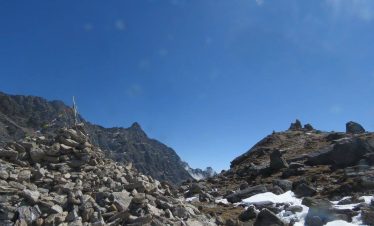
Naya Kanga Peak, in Nepal’s Langtang Valley, is a very attractive trekking destination. Even though it’s labeled a trekking peak and thought to be fairly easy, reaching the top calls for good physical shape, stamina, and resolve. The climb goes through valleys, meadows, moraines, and rocky ridges, and it ends with a high-altitude part where you have to use basic gear like crampons and an ice axe. With good guidance, most climbers can handle the route. About 90% of prepared climbers reach the top.
Spring Climbing Season
Spring (March to May) is when most people try to climb Naya Kanga. The temperatures are milder then, there’s less snow, and the ice is solid enough for crampons. During the day, you can expect warm, pleasant weather, but it will still get cold at night. The skies are usually clear, so you can see all the peaks around you and amazing views of the Himalayas. Spring has the best weather for climbing to the top, so it’s the most common choice.
Climbing Naya Kanga in Autumn
Fall ((September to November)is also a good time to climb Naya Kanga. Nights and early mornings might be colder than in spring, but the days are usually nice, and the skies are clear, with great mountain views from the top. Fall has steady weather, which is good if you like cooler temperatures and clear air. The trails are used a lot during this time, and many climbers pick it because the conditions are reliable for getting to the summit.
Permit Costs
The cost of climbing permits for Naya Kanga changes based on when you go:
Spring (March–May): $250 per person Fall (September–November): $125 per person Summer (June–August) & Winter (December–February): $70 per person Besides the permit, climbers must pay a $500 garbage fee, as required by the Nepal Mountaineering Association. You get this back after your trip if you follow all the rules about keeping the environment clean and disposing of waste properly. This helps promote careful and sustainable climbing.
Trip Highlights
- Summit Naya Kanga Peak (5,863-metre (19,236-foot) with panoramic Himalayan views.
- Trek through Langtang Valley with rhododendron forests, alpine meadows, and terraced villages.
- Explore Kyanjin Gompa, a serene Himalayan settlement with monastery and cheese factory.
- Optional side hike to Tserko Ri (4,984m) for acclimatization and photography.
- Experience Tamang and Sherpa culture, local cuisine, and traditional village life.
- Ideal combination of trekking, mountaineering, and adventure photography.
- Traverse through diverse terrains: riversides, moraines, glaciers, and ridges.