

-
Private pick-up and drop-off
-
2 Maximum- 12 participants
-
3,800 m (Muktinath Temple)
-
Standard hotel
-
Easy
-
Kathmandu, Nepal
-
Kathmandu, Nepal
-
Autumn (September–November) & Spring (March–May)
-
Professional English-speaking guide
-
Spiritual/Cultural Pilgrimage Tour
-
English (guiding available in other languages upon request)
-
Breakfast daily
-
No special trekking permits required. Standard travel documents (passport, visa) needed.
Overview
Nepal Hindu Tour is an 11-day spiritual journey across some of Nepal’s most sacred and historically significant Hindu pilgrimage sites. This tour combines devotion, culture, and scenic beauty, giving travelers a chance to explore ancient temples, holy rivers, and cultural heritage while experiencing the warmth of Nepali hospitality.
Starting in Kathmandu, the tour visits iconic sites such as Pashupatinath Temple, Hanuman Dhoka Durbar Square, Swayambhunath (Monkey Temple), and Dakshinkali Temple, where devotees can witness traditional rituals and immerse themselves in local spirituality. The journey continues to Bhaktapur and Gorkha districts, visiting Suryabinayak, Doleshwor Mahadev, and Manakamana Temple, accessible via a scenic cable car.
The tour then takes you to Pokhara, known for its serene lakes and Himalayan views, visiting major temples like Tal Barahi, Gupteshwor Mahadev, and Bindabasini Temple, blending spiritual exploration with natural beauty. From there, the pilgrimage reaches the sacred Muktinath Temple in Mustang, followed by Lumbini, the birthplace of Lord Buddha, which also holds significant Hindu historical relevance.

Muktinath Temple — Overview and Location
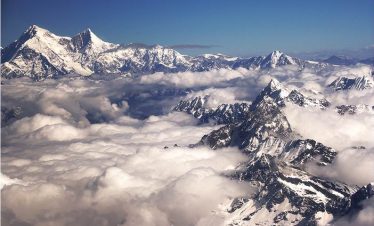
It is located at an altitude of 3,710 meters (12,172 feet) above sea level in the Upper Mustang district of Nepal. The distance from Muktinath to Jomsom, which is the district headquarters of Mustang, is about 25 km. To reach Muktinath, one has to take a pleasant drive through settlements such as Ranipauwa and Kagbeni or trekking and helicopter services from destinations like Pokhara and Katmandhu. The views of Thakali village life, farmland, and the rugged landscapes of the Kaligandaki Valley are breathtaking. Muktinath is not only a place of pilgrimage, it is also a cultural center where one may see many interesting examples of architecture, stone paving, and ancient monasteries amidst the serene landscape of the high-altitude Himalayas.
History and Religious Significance
It is a sacred site for both Hindus and Buddhists. In Hinduism, the god is considered Lord Vishnu, known here in this place as Muktinath, which means the “Liberator,” and is considered to be salvaging his devotees. In Buddhism, Chenrezig, the Bodhisattva of Compassion, or more popularly known as Avalokiteshvara, is related to this temple.
Natural spring water runs from 108 spouts, and a continuous burning fire signifies purification and continuing divine presence. It is an important place of pilgrimage where people visit to carry out various rituals, take holy baths, and seek blessings. The integration of spiritual heritage, scenic Himalayan views, and traditional local villages makes Muktinath Temple one of the must-visit places in Mustang.
Shashwat Dham and Chitwan
The beginning of the journey lies at Shashwat Dham, a site of spiritual importance near Pokhara at an altitude of about 1,000 meters (3,280 feet). Shashwat Dham is a magnificent architectural wonder designed to embody the spirit of Lord Shiva. The site contains intricate designs of temples, meditation rooms, and lush green gardens. One can find an opportunity to take part in various rituals while enjoying nature’s beauty and the surroundings. The next stop is to be at Chitwan located at an altitude of 150 meters (492 feet) above sea level and 120 km away from Kathmandu. Chitwan is known for the Chitwan National Park, a UNESCO Heritage Site, featuring natural beauty and other attractions such as a wildlife safari and a chance to interact with the Tharu community.
Janakpur Dham – History and Religious
The end of the journey is marked by Janakpur Dham, situated in the southeastern part of Nepal at an altitude of approximately 74 meters, or 243 feet, and is approximately 225 km from the capital city of Kathmandu. This sacred destination is a symbol of adoration for Goddess Sita (Janaki) and Lord Rama, honoring the birth site of Goddess Sita, as mentioned in the Ramayana epic.
The Janaki Mandir is aesthetically beautiful, with fabulous domes and stone carvings, attracting many devotees who wish to visit this sacred site for rituals, prayers, cultural events, and other activities. Thus, the journey from Shashwat Dham, Chitwan, and ending at Janakpur Dham is a wonderful experience, offering devotees a chance to visit sacred sites, experience ancient history, and witness the majestic beauty of Nepal, making it a wonderful Hindu pilgrimage site.
Trip Highlights
- Explore Kathmandu’s sacred temples: Pashupatinath, Swayambhunath, and Hanuman Dhoka Durbar Square.
- Visit Bhaktapur’s Suryabinayak and Doleshwor Mahadev temples.
- Experience the wish-fulfilling Manakamana Temple via scenic cable car ride.
- Discover Pokhara’s major Hindu temples: Tal Barahi, Gupteshwor Mahadev, Bindabasini, Bhadrakali, Kedareshwor, Akaladevi, Bhimsen, and World Peace Pagoda.
- Pilgrimage to Muktinath, one of the most revered Hindu-Buddhist temples in the Himalayas.
- Explore Lumbini, the birthplace of Lord Buddha, including Mayadevi Temple and Ashoka Pillar.
- Visit Shashwat Dham, Devghat, and Janakpur Dham (birthplace of Goddess Sita).
- Enjoy scenic flights (Kathmandu-Pokhara-Jomsom) and cable car ride to Chandragiri Hills.
- Witness cultural experiences: Tharu cultural dance, traditional rituals, and local lifestyles.
- Optional activities in Pokhara: Paragliding, bungee jump, zip flying, or mountain flight.