

Trip Info
-
Fly from Kathmandu to Phaplu
-
Typically 2-12 participants.
-
4,065 meters (13,333 feet) at Pikey Peak.
-
Basic teahouses along the trekking route
-
Moderate; suitable for trekkers with reasonable fitness.
-
Kathmandu, Nepal
-
Kathmandu, Nepal
-
Spring (March-May) and autumn (September-November)
-
Guided treks are recommended for safety and cultural insights.
-
Trekking
-
English-speaking guides available.
-
Local cuisine; options vary by teahouse.
-
TIMS Card and Sagarmatha National Park Permit.
Overview
If you’re seeking a quieter trek near the Everest region, Pikey Peak is an ideal choice. Though it’s less frequented than other routes, its popularity has been steadily increasing. This trek takes you through some of the most spectacular views of Mount Everest and its neighboring peaks, including Mount Dhaulagiri, Kanchanjunga, Lhotse, and Makalu, set against the rugged landscape of the Everest region. The route is also known as the Dal Bhat Trek, and it offers incredible vistas from one of the best hilltop destinations in the area.
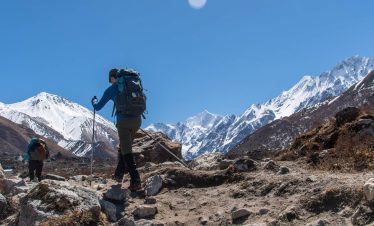
Pikey Peak sits at an altitude of 4,065 meters in the stunning lower Khumbu region of Nepal, specifically within the Solukhumbu District. The trek offers breathtaking panoramic views of the Himalayan range. From the summit, you can gaze upon Mount Everest, Numbur, and Lhotse. Sir Edmund Hillary once referred to Pikey Peak as “the most impressive place for observing Mt. Everest.” The trek combines remarkable mountain views with cultural exploration, as you’ll get the chance to experience the Sherpa lifestyle of the Everest region. With its moderate difficulty level, this trek is perfect for those who are short on time but still want to immerse themselves in the essence of the Everest area.
Best Time to Visit
While trekking to Pikey Peak is enjoyable year-round, certain seasons offer the best experience. Autumn (September to November) and Spring (March to May) are considered the optimal times for this trek. During Autumn, the weather is mild, and daytime temperatures range from 9-15°C. Keep in mind that September may bring light rainfall, as it’s the post-monsoon period. Spring offers a fantastic experience with wildflowers, especially rhododendrons, and temperatures ranging from 10-20°C. There could be occasional rain in early May.
Location
Pikey Peak is located in the Solukhumbu district of Nepal, in the eastern part of the country. Situated within the Sagarmatha National Park buffer zone, it’s near the famous Everest Base Camp trek. The peak itself stands at 4,065 meters above sea level.
Best Viewpoint: The Twin Pikey Peaks
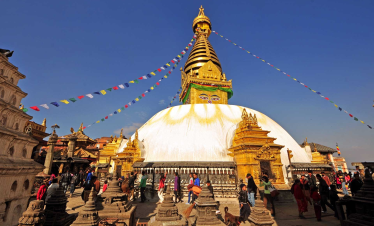
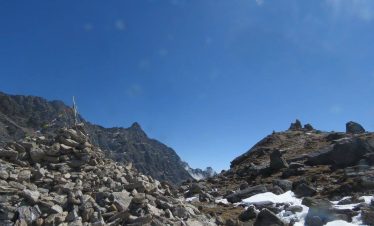
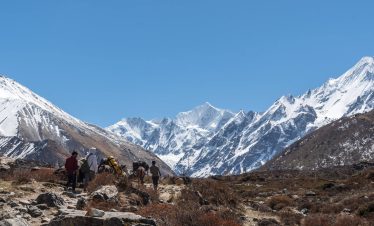
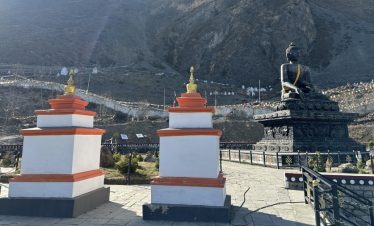
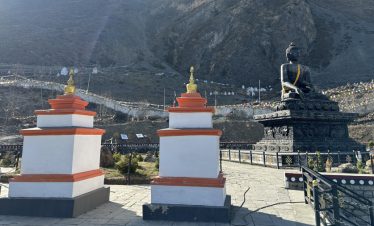
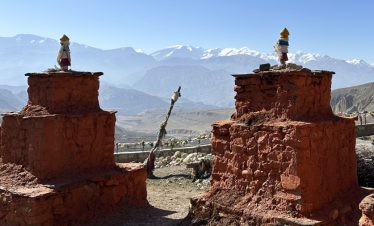
The twin Pikey Peaks offer stunning panoramic views, making them a perfect viewpoint for trekkers seeking solitude. At an elevation of 4,065 meters, the peaks provide a 360-degree view of the surrounding Himalayan range, including Everest, Kanchenjunga, Makalu, and Lhotse. The views during sunrise and sunset are particularly magical, with the mountains bathed in golden light. Compared to more popular viewpoints like Kala Patthar or Gokyo Ri, the twin Pikey Peaks are quieter, offering a more intimate and serene experience. These peaks are also culturally significant to the Sherpa people, who view them as the abode of the sky deity. You’ll likely encounter Buddhist stupas and prayer flags on the summit, enhancing the mystical atmosphere of the trek.
The trek to Pikey Peak takes about 4-5 days and is accessible to trekkers of all levels, with moderate elevation gains and well-marked trails.
Local Culture and Tradition
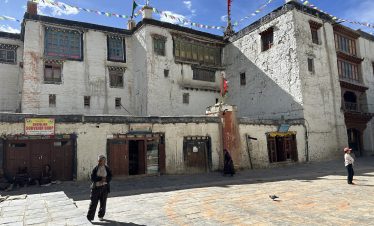
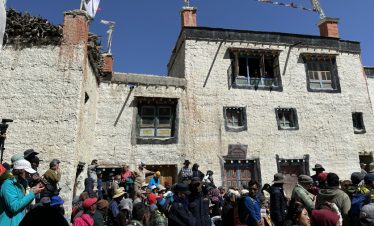
Throughout the trek, you’ll have opportunities to connect with the Sherpa community, known for their warmth and hospitality. You may be invited into their homes for tea or meals, gaining a deeper understanding of their way of life. The region is home to ancient Buddhist monasteries and stupas, some of which date back centuries. Visiting these sacred sites will allow you to witness traditional Buddhist rituals and ceremonies. Depending on when you visit, you might also be able to experience Sherpa festivals such as Mani Rimdu, Dumje, and Losar, which are celebrated with dances, elaborate costumes, and religious rituals.
The Pikey Peaks are considered sacred by the Sherpa, who believe the mountains are the dwelling place of protective deities. Along the trek, you’ll encounter sacred sites adorned with prayer flags and mani stones inscribed with Buddhist mantras, where locals come to offer prayers.
Guide and Porter
Having a licensed guide and porter is essential for your trek, ensuring both safety and comfort. Our guides are experienced, knowledgeable, and familiar with hidden gems that are not found in guidebooks. They’re also friendly, approachable, and well-versed in local customs. Additionally, all of our guides are insured to make sure you’re fully covered during your trip. The Nepal Tourism Board mandates that all trekkers employ a licensed guide and acquire a TIMS card through an authorized agency.
Altitude Sickness
As you’ll be trekking in high-altitude areas, it’s important to be aware of altitude sickness. The trek begins at around 2,000 meters and reaches a maximum elevation of 4,065 meters. Symptoms like headaches, nausea, and fatigue can occur, so it’s important to notify your guide if you feel unwell. We recommend purchasing travel insurance to cover any issues, from minor inconveniences like delayed luggage to more serious health concerns.
Accommodation and Food
At lower altitudes, tea houses offer single rooms with attached bathrooms, but as you ascend, the facilities become simpler, often offering twin-sharing rooms and common restrooms. Meals are typically made with local ingredients, and you’ll have the chance to taste authentic Sherpa food, including cheese, fermented millet beer (chang), honey, and local potatoes. In towns like Lukla and Namche Bazaar, you can find a variety of foods like pizza, burgers, and bakery products, but Dal Bhat is the staple food on the trek.
Trip Highlights
- Stunning Views: Panoramic vistas of Everest, Kanchenjunga, Lhotse, Makalu, and Dhaulagiri.
- Serene Trails: Enjoy a peaceful trek without the crowds, offering solitude and tranquility.
- Sunrise & Sunset: Capture breathtaking sunrises and sunsets over the Himalayan peaks.
- Cultural Experience: Interact with Sherpa villagers, visit monasteries, and explore sacred sites.
- Spiritual Significance: Discover the spiritual importance of Pikey Peak to the Sherpa community.