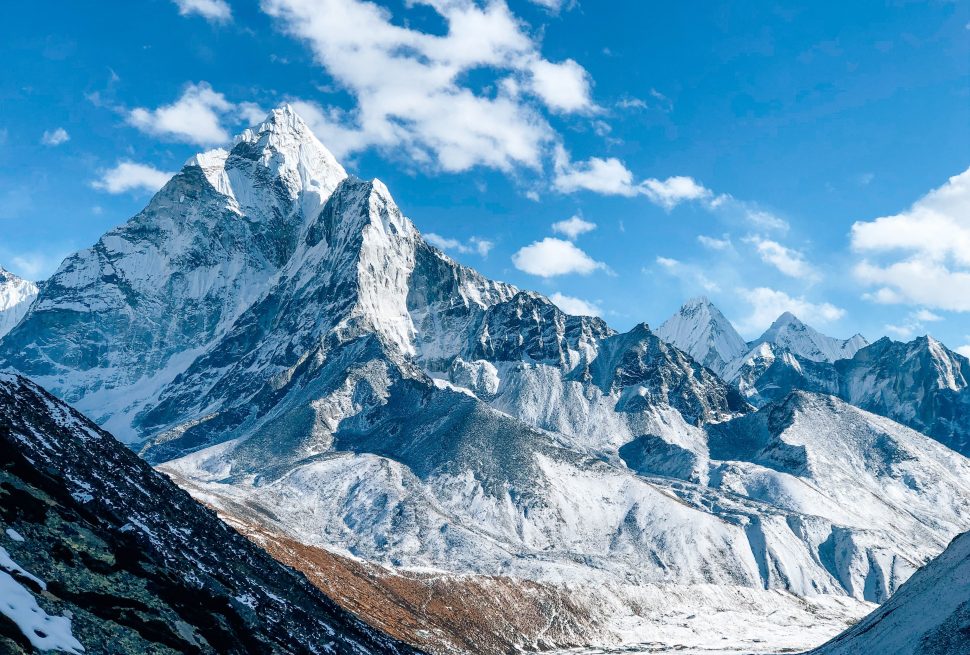


Nestled in the heart of the Himalayas, Mount Everest stands as an iconic landmark and the world’s highest mountain. Known as “Sagarmatha” in Nepal and “Chomolungma” in Tibet, it has captured the imagination of adventurers, nature lovers, and spiritual seekers for generations. For those yearning for a journey that blends natural beauty, cultural richness, and physical challenge, an Everest trip offers an unparalleled experience.
The appeal of Everest lies not only in its towering height of 8,848 meters (29,029 feet) but also in the breathtaking landscapes, rich cultural heritage, and the unique personal challenges each journey presents. Standing face-to-face with Everest, whether on a trek to Base Camp or from the seat of a scenic flight, is an inspiring experience for travelers of all levels.
The classic Everest Base Camp trek takes you deep into the Himalayas, offering close-up views of the iconic peak. This journey, spanning 12-14 days, passes through dramatic landscapes, Sherpa villages, and rhododendron forests. Starting in Lukla, trekkers follow a well-trodden path through places like Namche Bazaar, a lively Sherpa town; Tengboche, home to a famous monastery; and Kala Patthar, where you get panoramic views of Everest.
An alternative to the Base Camp trek is the Gokyo Lakes and Gokyo Ri Trek. This less-crowded trail rewards adventurers with views of turquoise lakes, waterfalls, and glaciers. Gokyo Ri, a high vantage point, offers some of the best panoramic views of Everest, Nuptse, Lhotse, and Makalu. Another option is the Everest Helicopter Tour, ideal for those short on time or preferring a less physically demanding option. The flight from Kathmandu over Nepal’s lush landscapes to the snow-capped Himalayas is breathtaking, with the helicopter often stopping near Base Camp to let passengers soak in the views.
For seasoned trekkers, the Three Passes Trek is a challenging route across the Kongma La, Cho La, and Renjo La passes. Each pass rewards hikers with different perspectives of Everest and other Himalayan giants, alongside a journey through valleys, glaciers, and high-altitude lakes.
Planning a trip to Everest requires attention to detail. The best times to visit are spring (March to May) and autumn (September to November), which offer clear skies and stable weather. Winter trekking is possible but very cold, while monsoon season (June to August) brings rain and limited views. Physical fitness is essential, as altitude sickness is a common concern; acclimatization, hydration, and a steady pace are key. Accommodations along the trekking routes include basic teahouses with warm meals and incredible mountain views, though amenities are limited at higher altitudes. Trekkers need permits, such as the Sagarmatha National Park Entry Permit and Khumbu Pasang Lhamu Rural Municipality Permit, which are available in Kathmandu or on the way to the trek starting point.
The Everest region is home to the Sherpa community, famous for their resilience and mountaineering expertise. Visiting Sherpa villages or monasteries, such as Tengboche Monastery, allows travelers to experience their unique traditions and hospitality. The Mani walls and prayer flags along the trails reflect the Sherpas’ deep spiritual connection to the mountains. Festivals like Mani Rimdu in October and November, with monks performing masked dances and blessings, provide an enriching cultural experience.
Everest’s history is marked by legendary climbs, beginning with the first recorded expedition in 1921. In 1953, Sir Edmund Hillary and Tenzing Norgay made history as the first climbers to reach the summit, sparking global fascination. Today, Everest is a symbol of human endurance and the spirit of adventure, drawing climbers from around the world. However, the mountain remains a formidable challenge, with extreme weather, avalanches, and high-altitude obstacles making it one of the world’s most dangerous peaks.
With increasing visitors each year, responsible tourism in the Everest region is vital to protecting the environment. Travelers can reduce waste by carrying reusable items and disposing of waste properly, support the local economy by hiring local guides and staying in teahouses, and respect Sherpa culture by following local customs. These practices help preserve the beauty of Everest for future generations and sustain the communities that call this region home.
An Everest trip offers a blend of adventure, beauty, and cultural immersion. Whether you trek to Base Camp, fly over the Himalayas, or explore Sherpa villages, the journey to Everest is transformative. It’s a place where nature’s grandeur meets human resilience, providing memories that last a lifetime. An Everest adventure is an inspiring reminder of the beauty and strength in both nature and the human spirit.