

Introduction
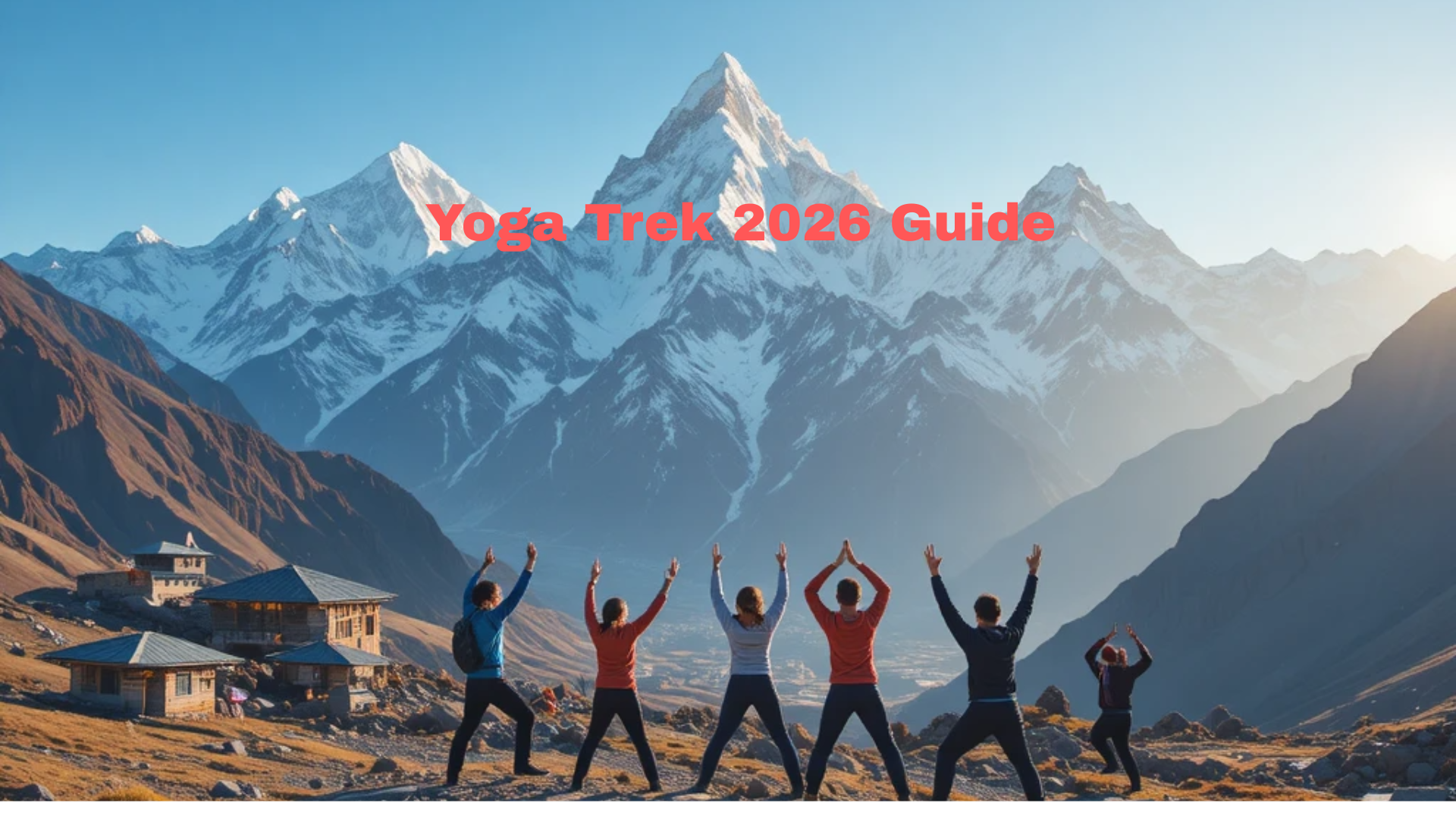
Everest Base Camp Yoga Trek 2026 Guide in the Khumbu area of Nepal, where thin air meets quiet valleys, lies a path few tread without purpose. This journey toward Everest’s base isn’t only about steps taken on rocky trails. Instead of rushing forward, travelers move with breath-focused stillness each morning. Peaks rise sharply nearby when sun hits snow at dawn. Each day unfolds with slow stretches beside icy streams under vast skies. Rather than pushing limits blindly, people find rhythm between effort and pause. The mountain watches – silent, massive – as thoughts settle like dust after wind. Far from crowds yet close to clarity, moments stretch beyond motion. What begins as movement through cold passes becomes something else entirely.
Walking here feels different than the usual path to Everest’s base. Through old Sherpa homes and quiet temples tucked in high valleys, movement becomes a kind of listening. Rugged peaks rise without warning while daily stretches slow everything down. Each step matches breath; each pause holds space for thought. The land shapes the body just as much as the mind reshapes the trail.
Starting with what to expect, this guide walks through each part of the Everest Base Camp Yoga Trek set for 2026 – highlighting routes, key moments, perks, how to get ready, pricing details, plus when it’s smartest to go. Though packed full, every section stays clear, built so anyone can follow along without confusion or clutter. Because timing matters, insights on seasons shape decisions quietly behind the scenes. Costs appear not as guesses but real numbers shaped by experience. Preparation steps unfold one at a time, never rushed. Benefits show up naturally, woven into descriptions instead of shouted out. Itinerary points link like trail markers, guiding without pressure. What stands out isn’t flash – it’s reliability tucked inside plain talk.
Everest Base Camp Yoga Trek?
Imagine stepping into thin air where every breath pulls you deeper. This journey mixes mountain paths with morning stretches under open skies. Instead of only walking through wild terrain, travelers find moments of calm between rocky trails. A different kind of rhythm builds here – slow movements meet high altitudes. Each day unfolds with local stories shared near flickering tea stoves. Physical effort blends quietly with mindful pauses on cold stone seats. The path does not rush; neither should you.
Early each morning, breath work tunes the body for thinner air found higher up. Moving slowly through postures under mountain skies builds strength that supports long climbs. Instead of rushing, steady practice shapes endurance over time. With every inhale, lungs learn to make more of less oxygen. This quiet training prepares mind and muscle alike. Steps feel lighter when elevation tests stamina.
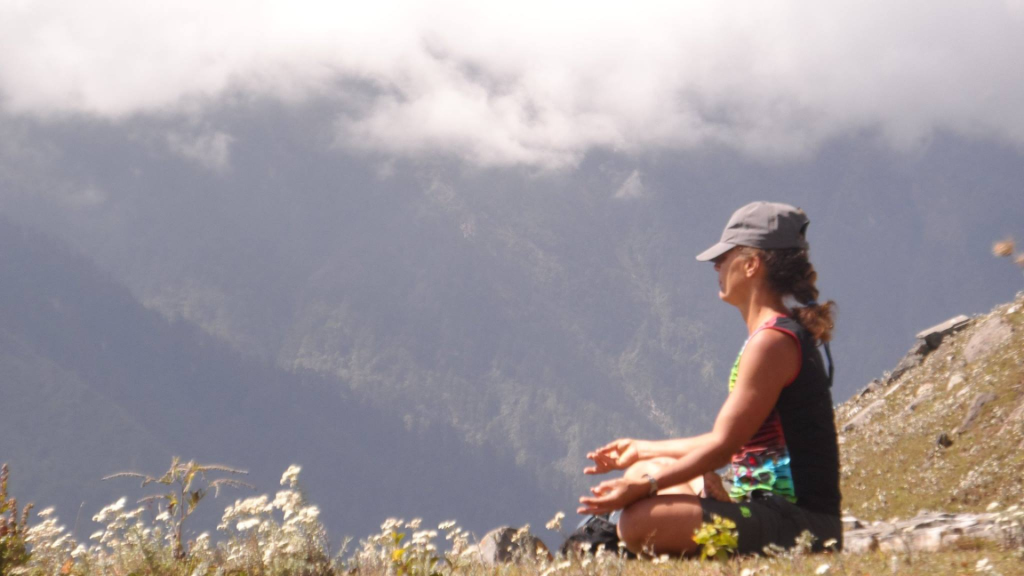
Peace settles deep in the Khumbu air, making stillness feel natural. Picture this: morning stretches as light climbs over icy summits, bodies moving slow beneath first rays. Nights fold into quiet moments – voices guiding breath while constellations blink above.
This journey opens a window into the heart of Sherpa life, where ancient traditions breathe through daily routines. Monasteries appear along the path, quiet and bright with prayer flags fluttering above stone walls. With every step higher, the air feels different – charged, still, shaped by centuries of devotion. Mountains rise like thoughts left unspoken, towering yet calm.
Everest Base Camp Yoga Trek Key Moments
- Trek to the base of Mount Everest (5,364m)
- Breathing slowly each morning near snowy peaks. Postures held where mountain air bites. Stillness found between rocky cliffs. Quiet moments start before sunrise. Movements flow as mist rises from valleys. Peace arrives with the first light
- Scenic flight to Lukla Airport
- Explore vibrant Sherpa town of Namche Bazaar
- Visit sacred Tengboche Monastery
- Everest spreads wide on the horizon, then Lhotse rises beside it. Beyond them, Ama Dablam cuts a sharp line through the sky. Nuptse appears next, its ridge catching the morning light. Each peak stands clear in the crisp air
- Sunrise hike to Kala Patthar
- Experience Sagarmatha National Park’s natural beauty
- Cultural immersion in traditional Himalayan villages
- Balanced journey of physical challenge and spiritual growth
Yoga Helps With Trekking
Each morning on the trail, movement flows easier after quiet moments of stretching beneath thin mountain air. Breathing deepens when steps climb higher, where oxygen slips away and legs begin to tire. Instead of pushing through strain, many find rhythm by bending into poses that loosen tight hips and shoulders. With every slow motion, tension fades just a bit more than before. On rocky descents near Everest’s edge, joints stay steady because muscles learn to yield without breaking. Even fatigue feels different once the body adjusts to rising slowly, folding forward, holding still.
Breathing deeper comes easier when yoga joins your trek. Since air thins up high, using pranayama builds stronger lungs that grab more oxygen. When each breath works better, tiredness fades slower. This shift gives the body time to adjust, cutting chances of altitude issues before they start.
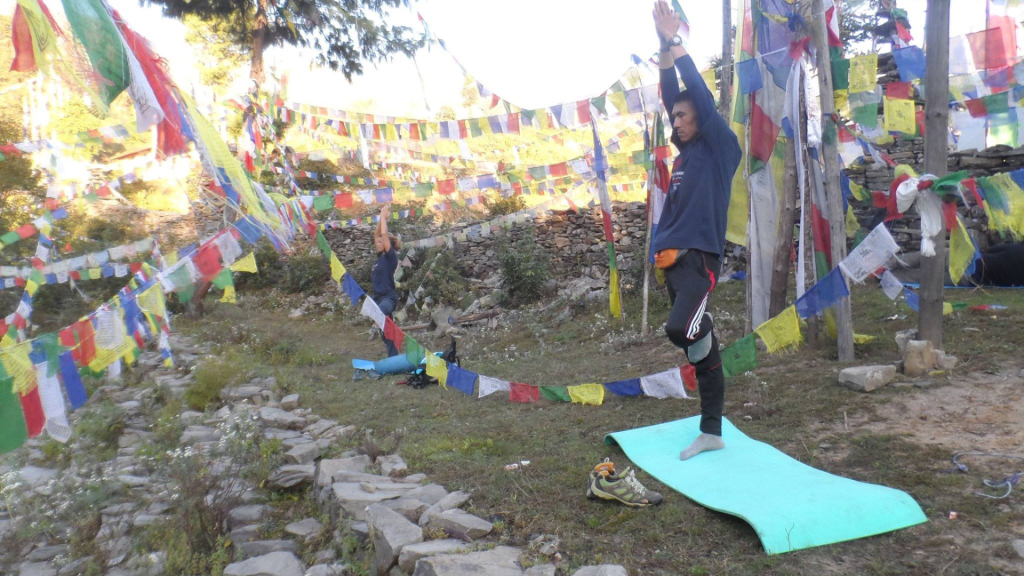
Mornings begin under rising light, bodies moving slowly through stretches that ground each breath. When trails grow long, thoughts settle deeper instead – guided by silent moments between steps. Evenings unfold with stillness, muscles unwinding as attention turns inward. Through these rhythms, space opens inside, quieter than words. The land feels closer then, not because it changed, but because listening grew sharper.
Finding balance through yoga helps trekkers move with better control, step after step. When the body learns its limits, strides become smoother, saving strength over time. Blood flows easier when breathing deepens, helping legs unwind once the trail ends. Sore muscles soften quicker, thanks to steady movement paired with mindful rest.
Not just steps on a trail, each movement blends breath with landscape, turning the climb to Everest Base Camp into something that feeds body and mind alike. A rhythm builds – not from effort alone but from stillness between strides. Where sweat meets silence, the path becomes more than altitude gained. Muscles stretch under open sky, thoughts slow with every upward shift. This mix of motion and pause reshapes what it means to travel far. Body strong, spirit steady – progress measured not only in peaks reached but in calm carried back.
Everest Base Camp Yoga Trek Timing
Spring brings warmer days under clear skies, perfect for moving through poses with mountain light. Weather shifts gently after monsoon, making September mornings crisp yet steady for walking. Clear views appear often between October and early November, revealing sharp peaks without wind noise. Yoga feels grounded when trails settle down, dust calms, and air thins just enough. March warmth builds slowly, allowing breath to match pace as snow melts above Namche. Fewer clouds hover during these windows, opening space for quiet focus at high meadows. Cold snaps fade by late morning once April arrives, leaving room for stillness on rocky flats. November holds daylight longer, stretching practice time before temperatures drop again.
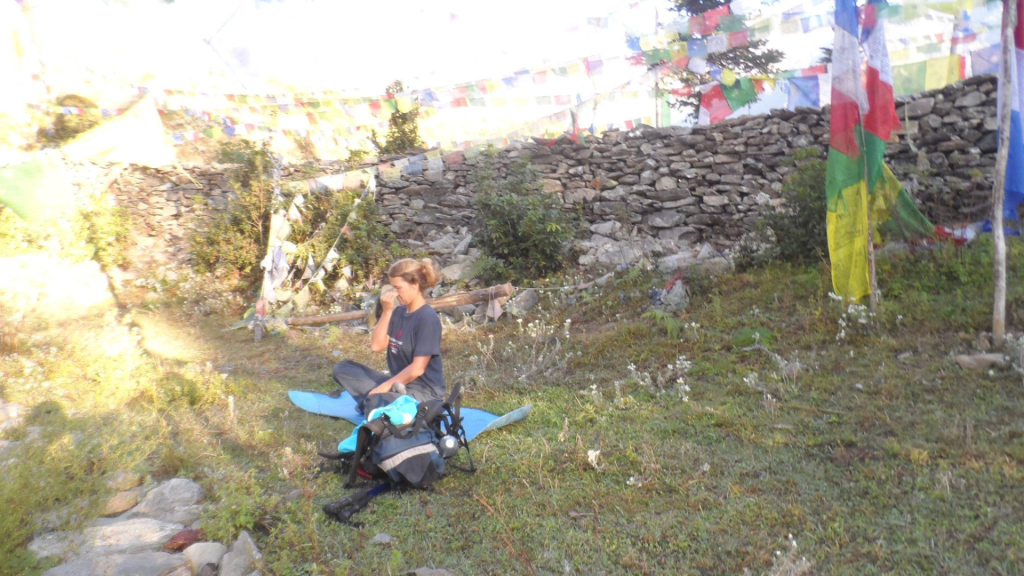
When spring arrives, the walk feels especially alive. Rhododendrons burst into color along the path, while mild weather settles in – just right for moving slowly through poses outside. Mornings often begin without clouds, so peaks such as Everest stand sharp against the sky. That kind of clarity pulls attention inward, deepening quiet moments on the mat.
Mornings begin with sharp air, then trails open under skies washed clean by summer storms. Following weeks of rain, crispness hangs around each breath, while distant peaks stand out like drawings on glass. Pictures come alive through lenses when sunlight tilts across ridges, plus quiet clearings offer space for slow stretches and steady breathing. Cooler days slip into mild afternoons, allowing movement without strain or sweat dripping down backs. Rhythm builds naturally when warmth balances chill beneath autumn light.
Chilly months from December through February mean fewer people on the paths, plus snow-covered views that catch your eye. When it gets really cold, though, walking long distances or doing yoga outside feels tougher, particularly up high. Rain arrives heavily between June and August, turning the usual route slick underfoot. Clouds hang low during those weeks, hiding much of what you might want to see while moving across uneven ground.
Springtime brings mild days, clear views, fewer risks. Autumn offers steady paths, calm skies, deep quiet. Both seasons allow space for presence, movement, reflection on the trek toward Everest Base Camp. Nature settles into rhythm, making room for breath, stillness, soft effort.
Accommodation and Food
Sleeping and meals on the Everest Base Camp Yoga Trek aim to balance ease, fuel, and a taste of Himalayan life across Nepal. Found along the trail, family-run teahouses serve as resting spots – modest in size yet full of quiet charm. Inside, rooms hold two single beds, thick covers, and washrooms used by several guests. Though comforts are minimal, it is the kindness shown at dinnertime that sticks with most people. What lacks in luxury gains back through genuine human warmth under high mountain skies.
Higher up near Everest, places to stay get simpler because of how far they are. Still, teahouses offer what travelers need plus a decent spot to sleep after hours on the trail. A wood stove usually warms shared spaces, making them inviting spots. People come together there, talk about their journeys, occasionally doing yoga or quiet sitting together now and then.
Meals during the trek keep you fueled, designed around what your body needs when walking long distances. Dal Bhat shows up everywhere – a classic Nepali plate with rice, lentil soup, greens, plus tangy pickle on the side. Packed with carbs and protein, this one powers through long hiking days without slowing you down. Sometimes travelers go for noodles instead, or maybe scrambled eggs with flatbread from Tibet. Fried rice bubbles in pans at teahouses, while hot soups rise with steam after cold mornings. You might find pancakes by breakfast firelight, or eat pasta under tin roofs midday. Vegetables come cooked simply, often beside a mound of steamed rice near the stove.
Over there, steam rises from mugs of tea, coffee, or herbs soaked in hot water – common finds when temperatures drop. Purity matters with water you drink; it flows freely, yet filtering usually comes before sipping.
Out here, meals and shelter might seem simple when measured against urban life – yet each bite and night spent adds depth to the journey’s quiet magic. The rawness of it all ties perfectly into both inner searching and wild exploration found along mountain trails.
Difficulty Level
Starting at lower trails, this journey climbs through rugged terrain where thin air tests your rhythm. High above sea level, around 5,300 meters deep into Nepal’s Khumbu zone, breath becomes scarce. Instead of flat paths, steep rocky steps shape each day’s walk. Alongside movement practice on the trail, elevation adds pressure most bodies need time to accept. Preparation matters – strength in legs helps, yet calm focus holds equal weight.
Each day usually means five to seven hours on your feet, moving across uneven ground like jagged trails, sharp climbs, because gravity pulls hard there. Though you do not need rope or harness training, the long stretches up then down still test strength since legs keep working without pause. Still, mornings often begin with slow movements on mats – bending, reaching – as bodies loosen tight spots so healing begins before noon hits.
High up, air gets thin. Going higher toward Everest means less oxygen around. Without taking time to adjust, people often get sick. Headaches show up first, then tiredness might hit, breathing feels harder too. Slow climbs help, so do breaks built into the schedule. Planning each step carefully cuts danger a lot.
Frost creeps in fast once the sun dips, particularly up high where thin air offers little warmth. That shift demands layers, solid boots, maybe a reliable sleeping setup – things you’d rather not test when shivering stops being funny.
Even when things get tough, people who are fit and driven can still make it through. Staying active helps a lot – especially running or walking uphill often. Previous time spent on trails gives you an edge, making the journey feel more doable. Pushing yourself ahead step by step turns hard paths into reachable goals.
Still, the trek to Everest Base Camp isn’t easy – yet vast views stretch beyond fatigue. Rhythms of local life appear between mountain passes. Each morning brings movement on the mat instead of silence. Moments stack slowly into something deeper than expected.
Permits Required
Starting a journey to Everest Base Camp means getting special papers first. Without permission slips, walking through Khumbu’s wild zones isn’t allowed. Protection of nature comes before anything else here. Staying safe on mountain paths depends on having these documents. Rules exist so hiking stays responsible over time. People who climb need approval to help keep things balanced. Forests and trails survive longer when rules are followed. Each traveler adds impact – permits control how much.
Getting into the area starts with a pass for Sagarmatha National Park. Hikers need this to enter land where Everest stands, full of plants and animals. A global heritage label covers the region because of its importance. Money from tickets helps care for nature and keep trails safe inside the zone.
A different kind of pass now covers the Khumbu area, taking over from the old TIMS system. Everyone walking into that zone must carry it, without exception. Officials look for this document at multiple spots on the route. You will likely face a check somewhere between Lukla and Namche.
Getting both permits works in Kathmandu or right at places like Lukla and Monjo. While walking the trail, hold on to them always – checks happen often. Officials show up without warning.
Out in Tsum Valley, you need extra paperwork just to enter. Not so on the way to Everest Base Camp – no restricted zone pass needed there. Going solo? That is allowed. Yet most people find things go better with a local guide along. They help avoid wrong turns. Safety improves too. Plus, stories and village visits mean the journey feels more alive.
Getting the right permits might seem small, yet it quietly shapes how smoothly your journey unfolds across Everest trails. Without them, even careful plans can unravel fast. Each document acts like a quiet promise to follow rules meant to protect people and place alike.
Cultural Experience
Winding through high valleys, the Everest Base Camp Yoga Trek wraps travelers in Sherpa life, not just mountain views. Spirit shapes daily details here, where prayer flags flutter above rocky paths. Far from ordinary hikes, this path moves slowly beside chants echoing from ancient monasteries. Belief threads through stone homes, teahouses, and morning rituals seen along the trail. Mountains loom large, yet quiet moments define the rhythm most. Each turn reveals shrines tucked into cliffs, reminders of devotion carved deep into place.
Walking past Namche Bazaar, prayer flags flutter above paths where stone walls carved with sacred words line the trail. Moving higher, chortens appear beside narrow turns, standing quiet among scattered homes and weathered rooftops. Reaching Tengboche Monastery brings sight of the biggest temple in these mountains, built strong against cold winds. Inside, monks chant low prayers while butter lamps flicker near ancient murals. Sound fades there, replaced by stillness that settles into your chest without warning.
Mountains shape how Sherpas live, think, because they’ve grown close to high places over time. Warmth shows up when travelers meet locals who open doors without hesitation. Stories pass between guests and hosts while food cooks slowly on old stoves. Life moves at its own rhythm here, shaped by weather, work, long silences. Teahouses stand along paths where tired walkers find shelter and talk freely. Respect runs deep, not said out loud but seen in small acts each day. People endure hard conditions yet smile like it costs nothing. Meals stretch further than hunger – they build trust across languages. Traditions stay alive not through speeches but shared moments after dark. Families welcome strangers as if distance means less up above.
Out here, where the mountains breathe slow, yoga slips into step with the hush between peaks. Mindfulness takes root when practiced among these ancient stones, pulling thought inward while surroundings rise wild and high. A trek gains depth not just through distance covered but moments held still. Connection comes quietly – through posture, breath, presence – not announced, just felt. The land listens as people learn to do the same.
Festivals bring color while woven clothes tell stories of place. Meals along the path give warmth because they come from hands that know the land. When quiet meditation meets mountain air something steady takes shape. Ancient chants echo through valleys shaped by time yet feel close at dawn. Each step forward blends earth, breath, and tradition without announcement.
Conclusion
Out here, where air thins and paths rise, movement meets stillness in ways few expect. Walking trails beneath towering peaks, each breath pulls you deeper into the moment – yoga at dawn, quiet thoughts under open skies. Steps fall in rhythm with heartbeat when practice shapes pace. Mountains stand silent; inside, things shift without noise. This path does not just lead upward – it turns attention inward too. This journey moves at your pace, filled with deep breaths under open skies – eyes tracing snowy summits, quiet temples, soft-spoken villages where people smile first. Yoga slips in quietly, turning steps on rocky trails into moments of noticing how you hold yourself, how thoughts settle when the body slows. Mornings begin stretched toward horizons where sun spills over ridges, stillness wraps like mist after meditation beneath ancient eaves – each pause stitching calm into motion.
If you are looking for a powerful journey in 2026, this route through the Himalayas offers something few others can match. Safety and smooth flow depend heavily on who leads the way. Behind every strong trip stands a team that knows mountain paths like their own backyard. One name keeps appearing among travelers: Langtang Ri Trekking and Expedition. They guide with calm confidence, shape trips around people, not schedules, and carry years of reading high-altitude terrain. Their strength lies less in slogans and more in silent reliability.
A path unfolds differently when someone shows the way. This trek to Everest Base Camp blends yoga with high trails, shaped by careful planning. Not simply steps on a map, it shifts something inside. Distance fades but the experience lingers, carried quietly into days far from snow and peaks.


