

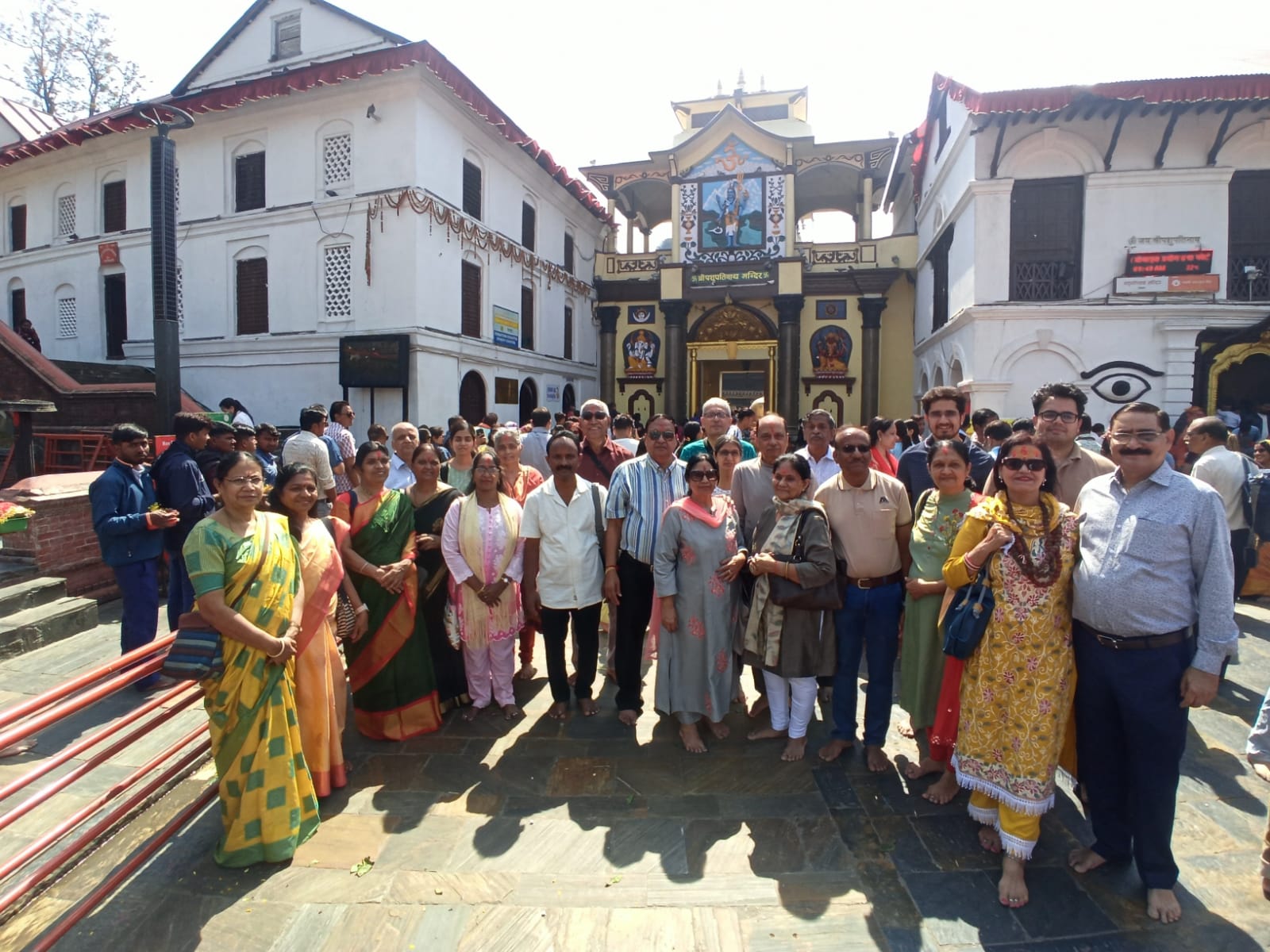
Nestled along the banks of the Bagmati River in Kathmandu, Nepal, the Pashupatinath Temple stands as one of the most revered and ancient Hindu temples dedicated to Lord Shiva. For centuries, this sacred site has drawn pilgrims, seekers, and tourists from around the world, not only for its spiritual energy but also for its incredible architectural and cultural significance.
The history of Pashupatinath dates back to at least the 5th century, though many believe the temple\’s origins are much older—possibly even as far back as 400 A.D. According to legend, Lord Shiva once took the form of a deer and wandered the Bagmati forests. When the gods found him, they forced him to return to his divine form, leaving behind his horn, which later became the site where Pashupatinath Temple was built.
The name \”Pashupatinath\” translates to \”Lord of the Animals,\” one of the many forms of Lord Shiva. The temple’s sanctum houses a sacred linga (phallic symbol of Shiva), which is regarded as one of the holiest representations of the deity. Unlike other Shivalingas, the one in Pashupatinath is a four-faced linga, each face representing a different aspect of Shiva: Tatpurusha, Aghora, Sadyojata, and Vamadeva.


Architecturally, the main temple is a masterpiece of Nepali pagoda style, with its golden roof, silver-plated doors, and intricate wood carvings. The temple complex sprawls across a vast area, containing hundreds of smaller shrines, ashrams, inscriptions, and monuments that date back centuries. The sacred Bagmati River flows alongside, where devotees perform ritual bathing and cremation ceremonies.
Pashupatinath is more than just a temple; it is a living cultural and spiritual hub. The temple complex buzzes with activity every day—priests chanting ancient mantras, devotees lighting butter lamps, and sadhus (holy men) meditating in orange robes. The scent of incense lingers in the air, creating a deeply immersive spiritual atmosphere.
One of the key highlights of the temple is the celebration of Maha Shivaratri, the great night of Shiva. On this day, tens of thousands of pilgrims and ascetics gather at Pashupatinath to offer prayers, meditate, and stay up all night in devotion. The entire complex glows with lights, and the air reverberates with the sounds of bells, chants, and devotional songs.
Pashupatinath is also famous for its role in the death rituals of Hindus. The cremation ghats along the Bagmati River are considered sacred, and many Nepali Hindus believe that being cremated here ensures rebirth as a human or even liberation (moksha). The eternal flame, burning near the temple, symbolizes the eternal cycle of life, death, and rebirth.
The temple is managed by a group of Indian priests called Bhatta Brahmins, a tradition that has been in place for centuries. These priests perform the daily rituals, maintain the linga, and serve as spiritual guides for the pilgrims. The temple itself is a UNESCO World Heritage Site, recognized for its historic and spiritual value.
Despite natural disasters like the 2015 earthquake, which damaged many structures in Kathmandu, Pashupatinath miraculously remained intact. This has further solidified the temple’s reputation as a divine and protected space. Restoration efforts around the temple have only enhanced its beauty and accessibility.
Over the years, the temple has also become a symbol of Nepal’s religious tolerance and diversity. Although it is primarily a Hindu temple, it attracts people from all faiths. Many Buddhists revere Lord Shiva and participate in the rituals. The temple complex is a true reflection of Nepal’s inclusive spiritual tradition.
Tourism has played a major role in bringing international attention to Pashupatinath. Spiritual travelers, cultural enthusiasts, and photographers find endless inspiration in the temple’s daily rituals, colorful sadhus, and timeless architecture. It is not just a place of worship—it is a portal to understanding Nepal’s soul.
In conclusion, Pashupatinath Temple is not only one of the most sacred Shiva temples in the world but also a cultural treasure of Nepal. With its rich history, legendary origins, architectural brilliance, and deep spiritual resonance, it continues to inspire awe and devotion in all who visit. A journey to Pashupatinath is a journey into the heart of Nepal’s spiritual heritage.


