

Introduction
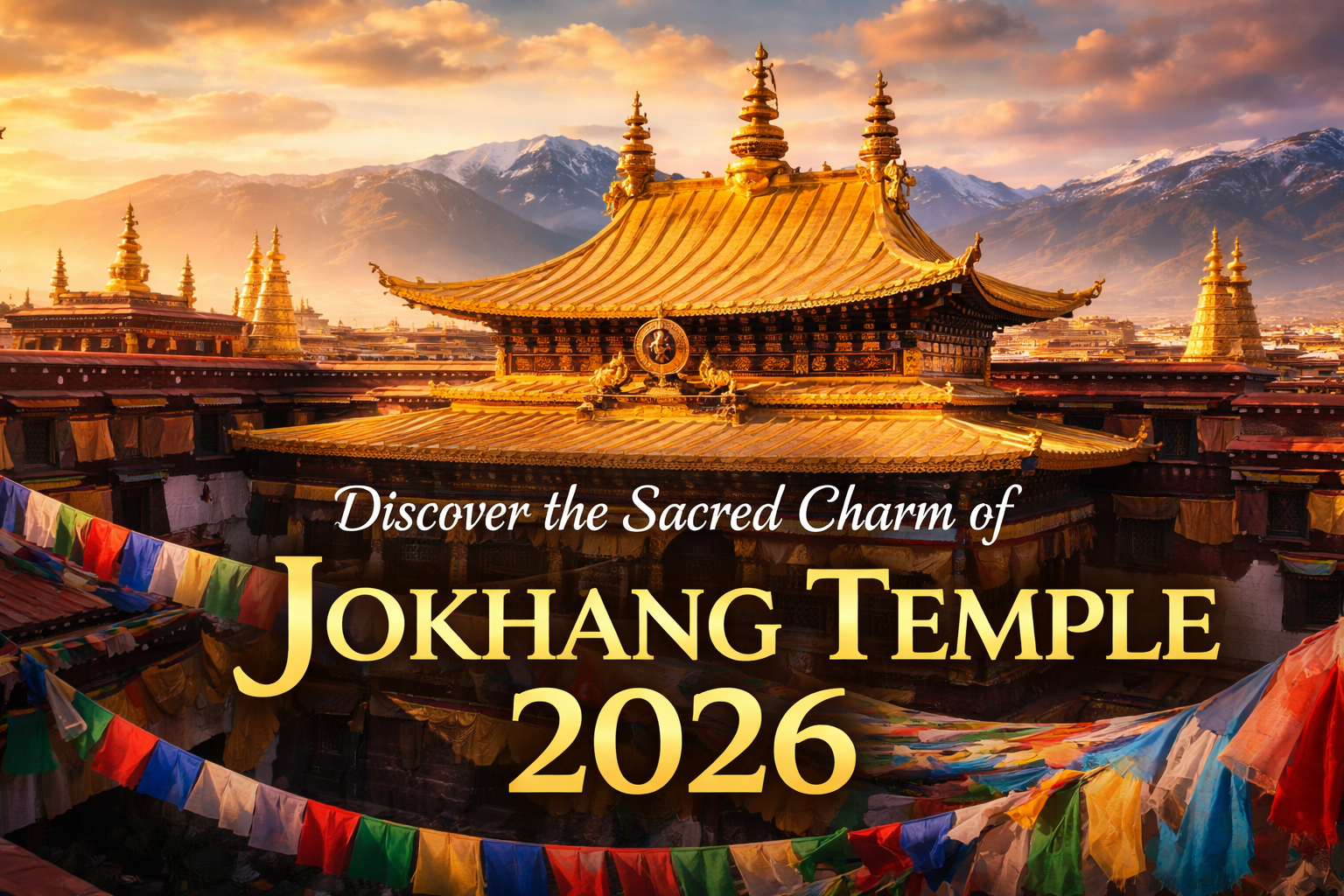
Sacred Charm of Jokhang Temple 2026 Tibet’s capital, sits Jokhang Temple – a living center of Tibetan Buddhist life. People who live there go often, drawn by deep respect; visitors come too, pulled by curiosity and quiet awe. Centuries have passed, yet it still shines with cultural strength, spiritual depth, and bold design choices. Stepping inside during 2026 means walking into moments of rare beauty, calm devotion, and vivid tradition.
Sacred Charm of Jokhang Temple 2026 Through Time
Built under King Songtsen Gampo in the 600s, Jokhang Temple stands as a quiet landmark among Tibet’s earliest holy places. Because his Chinese bride, Princess Wencheng, came with sacred statues, so did his Nepali queen, Princess Bhrikuti – the reason behind its creation. Cultural blending took shape here, where faith settled into daily life through carved figures and prayer smoke.
Jokhab Temple stands after ages of quakes, fires, wars – still honored deep in people’s hearts. Called the “Soul of Tibet,” it carries faith, yes, yet also breathes culture, craft, memory. With every step inside its worn halls, one senses those countless travelers before, walking just so, for over thirteen hundred winters.
Buildings at Jokhang Temple
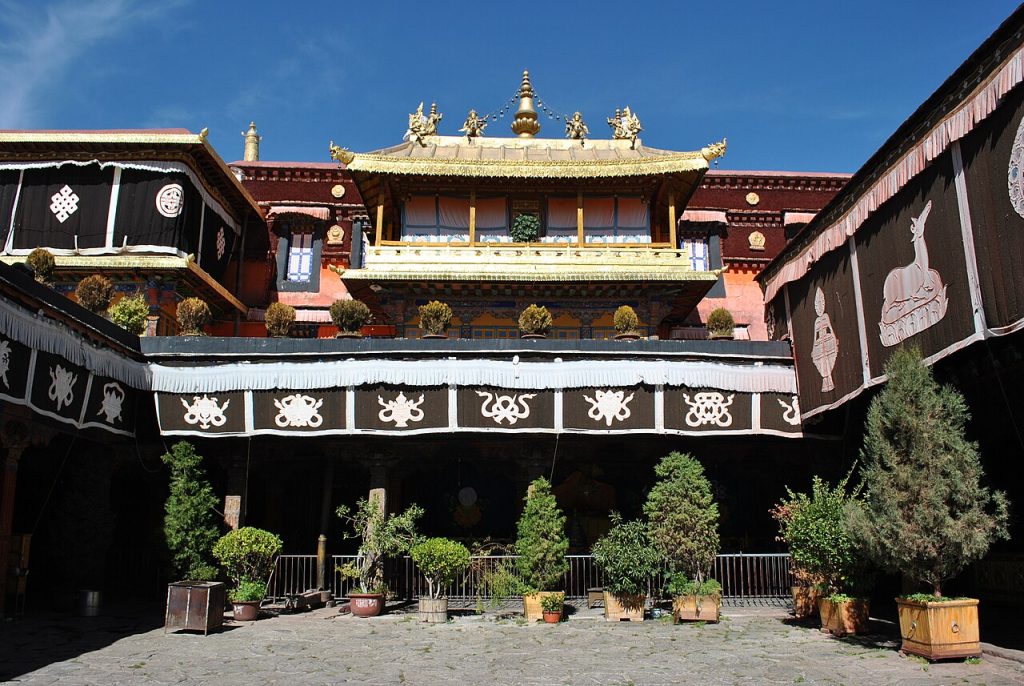
Jokhaba’s walls rise where India, Nepal, and Tibet meet in stone and beam. Roofs step upward like stairways meant for sky. Gold-colored copper sheets catch light while wood frames tell stories through cuts made by steady hands. Each piece built slow, shaped with care that shows.
Inside the central chamber – called Maitreya Hall – sits the Jowo Rinpoche, a sacred image of the youthful Buddha said to offer grace and inner worth to those who visit. Around it, tucked into corners and side wings, sit tiny temples, open yards, and prayer spaces, their walls covered in detailed frescoes, hanging scrolls, and old holy objects whispering tales of Tibet’s deep faith life.
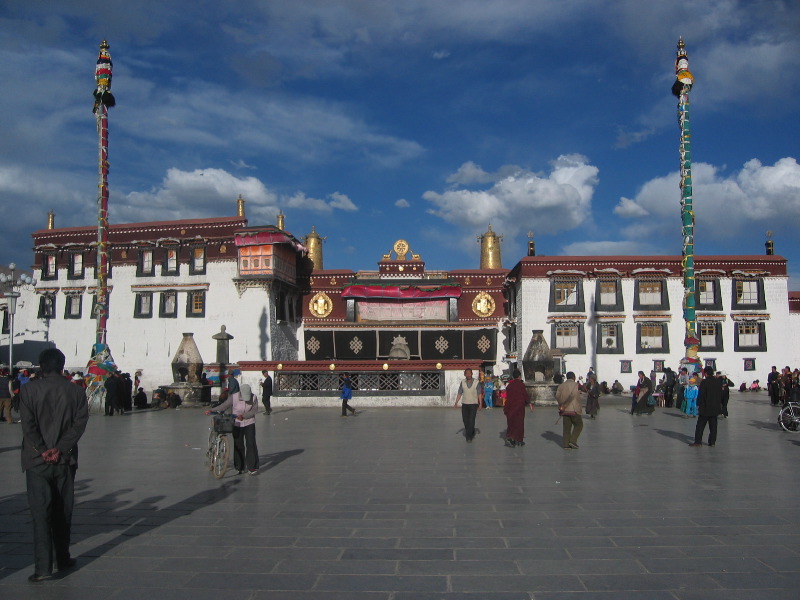
Color draws people in – bright shades still strong after all these years, tied together with fine threads of gold. Moving through the space feels natural, almost quiet, each turn leading into the next without force. Around corners, patterns repeat but never quite the same way twice, much like lives reborn under similar skies. Gold leaf catches light softly, not shouting, just being there, steady. Pilgrims walk round and round, steps falling into rhythm without trying. This looping route isn’t random – it follows an old idea about coming back, again and again. Designs fit together quietly, no need for loud statements. One shape leads to another, then another, on purpose. Thought slips into calm here, helped along by how things are placed – not too close, not too far. What remains over time isn’t always what you expect.
Spiritual Habits and Everyday Routines
Inside Jokhang Temple, Tibetan Buddhist practice unfolds in real time. Visitors watch pilgrims touch their foreheads to stone while rising from deep bows. Chanting drifts through halls where flickering flames light rows of golden lamps. Smoke curls upward beside quiet footsteps on worn floors. Bells ring once, then silence returns just as slowly.
What catches attention first is the kora – people walking circles around the temple, turning prayer wheels as they whisper chants. Moving step after step, their actions carry faith, cleansing, and inner worth across each turn. As you watch or walk along, the quiet power of daily life in Lhasa reveals itself through steady steps and lowered voices.
Festivals and Cultural Moments
Early each year, Jokhabng Temple fills with energy as major Tibetan celebrations unfold there. Monlam Chenmo brings waves of pilgrims who come not just to pray but also leave gifts and join ceremonies out in the open. Instead of quiet halls, the courtyard pulses with motion – robes flash bright hues, emblems rise on poles, people lean into chants. This gathering turns stone paths into living scenes of faith and shared rhythm.
One key event is Saga Dawa, marking Buddha’s birth, his awakening, afterward his passing. At that time, followers give freely, chant mantras, walk long paths to sacred sites – Jokhang Temple stands central here. Those present in 2026 will see it unfold, stepping close to the core of Tibetan belief and tradition.
Life near Jokhang Temple
Barkhor Street wraps around the temple, alive with movement and quiet devotion at once. Pilgrims move steadily along its path, turning prayer wheels as they go, circling the sacred building without pause. While some bow in ritual others linger near stalls filled with handmade goods unique to this region. Wandering here means catching the scent of steaming dumplings before spotting them on wooden trays. Butter tea pours from large pots into cups held by locals who speak little but smile often. Tsampa sits in woven baskets, ready to be scooped into cloth bags by passersby. The rhythm never rushes yet nothing feels still.
Out here, the buzz of foot traffic mixes with the hush inside Jokhang Temple, showing real Tibetan days as they unfold. Walking beside residents, you feel a rhythm – quiet reverence threading through markets, prayers, shared moments. Devotion doesn’t stand apart; it moves with trade, talk, presence, shaping everything without force.
Art murals sacred relics
Hidden inside Jokarchi lies art so fine it catches the breath. Stories from old teachings stretch across walls, painted by hands long gone. Life moments of the Enlightened One unfold in color, frame by quiet frame. Then there are scenes from times that shaped a people, kept alive through pigment and memory. Cloth pictures hang like whispers, stitched with gods and circles full of meaning. Silk holds visions meant not just to see – but to step into. Each image waits without hurry, speaking slow truths.
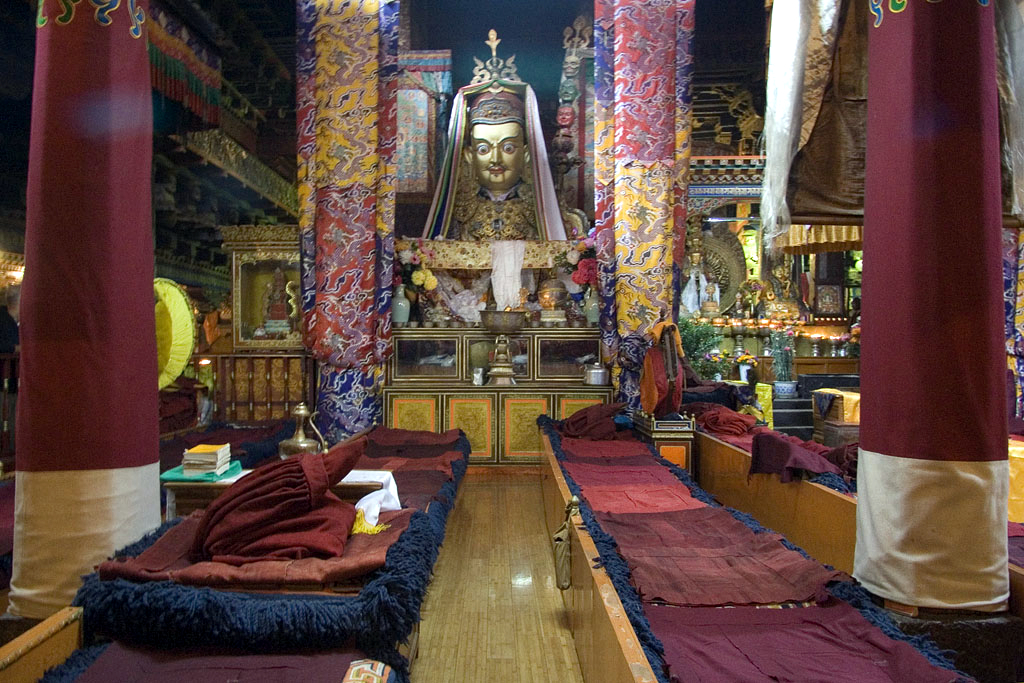
Inside rest items steeped in faith and time – old writings appear beside ritual tools, while carved figures stand still through centuries. A visit here feels less like viewing artifacts, more like stepping into layers of belief shaped by hands long gone. Meaning hums quietly within weathered walls, built slow by generations who prayed before these very stones. Not everything shouts; some power lives in silence between candlelight and worn prayer beads. This place does not explain itself – it waits instead, letting presence speak louder than words ever could.
Tips for Visitors in 2026
- Approaching Jokhang Temple means moving gently, honoring how people live there. Think ahead, act quietly, if you plan to go in 2026
- Cover your arms down to the shoulders, because showing them might seem disrespectful. Legs ought to reach past the knee, since bare skin draws unwanted attention.
- When prayers happen, stay quiet. Snapshots of monks need a nod first. Jumping in while they chant? Not cool. Wait your turn instead. A photo isn’t worth the intrusion. Ask before lifting your camera. Silence matters more than clicks. Monks at peace means you hold back.
- Move through the kora with care. Turning prayer wheels? Go ahead – just keep it respectful. Reverence matters more than motion.
- Visit when the sun hangs low. Mornings bring quiet before chatter grows. Late hours offer stillness once others have left. Peace settles easiest then.
- High up in Lhasa – more than 3,600 meters above sea level – the air feels thinner. Because of that, give your body days to adjust before pushing into activity. Water helps a lot when breathing gets harder. Rest often, drink slow, move gentle.
- Finding peace here means honoring quiet spaces, so guests walk softly through moments thick with stillness. Temple walls hold whispers better when footsteps slow and voices fade into background hums.
Nearby Places to Visit During Your Trip
- A journey to Jokhang Temple opens the door to places close by, each adding pieces to Lhasa’s long story. Among them stand structures known through generations, holding quiet echoes of time gone by
- A hilltop fortress once home to Tibetan spiritual leaders stands guarded by time, recognized globally for its cultural weight. This stone giant watches over Lhasa, layer upon layered with history, faith etched into every wall.
- Lush gardens unfold around Norbulingka, once home to Tibet’s royal family during warmer months. Built with detailed designs, its walls tell quiet stories of past lives. Flowers bloom beside pathways where leaders once walked without hurry. Each building stands shaped by careful hands, colored with purpose. This place breathes history through every arched doorway and painted beam.
- Perched high, Sera and Drepung stand as giants among Tibetan monasteries. Debate echoes through their halls, a rhythm unchanged by time. Rituals unfold each day, shaped by hundreds of years. Old ways live here, passed down without pause. Thought and practice move together, deeply rooted.
- Beside Jokhang Temple, each site pulls visitors deeper into Tibet’s rhythms – its past lives here through quiet courtyards, worn stones, whispers at dawn. Moments unfold slowly, shaped by centuries of prayer and footfall.
Visit Planning Basics
Getting ready for a trip to Lhasa and Jokhang Temple in 2026 means sorting things ahead of time. Since foreign guests must have a Tibet Travel Permit, they usually work with an authorized travel agency to set it up. Most people fly in from cities like Kathmandu, Chengdu, or Beijing. Others, though, choose the long train ride on the Qinghai-Tibet line when heading there. Some travelers choose high-end stays right downtown, while others prefer small lodgings close to Barkhor Street – both put the temple within reach. A stretch of two or three days in Lhasa gives enough time to adjust to the altitude, walk through the temple grounds, and step into everyday moments locals live.
A visit might feel richer when someone familiar comes along – offering stories from the past, quiet reflections, plus help moving through sacred spaces and nearby paths.
2026 holds favorable conditions for travel
One quiet morning in 2026, Jokhang Temple hums with chants just as it has for centuries. Though borders reopened slowly, curiosity brought new faces along ancient stone paths. Rituals unfold without pause – butter lamps flicker during dawn prayers, monks circle sacred halls in silent rhythm. Because fewer crowds arrive early, space remains to stand still, listen, feel. Festivals bloom in color and sound when spring warms the valley floor. Heritage here isn’t shown – it lives through gesture, scent, breath. Adventure slips in quietly, tucked between prayer flags fluttering above narrow alleys. For now, moments stretch longer than they will someday.
Why is Jokhang Temple Famous?
Right in the middle of Lhasa stands a temple that many consider the soul of Tibetan faith. For more than thirteen centuries, people have walked for weeks just to reach its doors. Housed inside is a statue called Jowo Rinpoche – said to look exactly like the young Buddha himself. Because of this figure, visitors whisper prayers, lay out offerings, and stretch flat on the stone floor in devotion. Golden roofs rise above thick walls carved with stories older than memory. Instead of one single design, the building mixes influences from Nepal, India, and local traditions into something entirely its own. Murals line the halls, painted long ago by hands now forgotten. Yet still today, flames flicker beneath butter lamps lit by quiet believers.
Winding around the temple, Barkhor Street pulses with energy as pilgrims circle past, turning prayer wheels while murmuring sacred chants. What stands out is how faith threads through ancient stones, daily rituals, and centuries of stories – giving Jokhang its quiet power. Few places in Tibet hold memory and presence so tightly.
What is the Chinese Name for Jokhang Temple?
The Chinese name for Jokhang Temple is “大昭寺” (Dàzhāo Sì). In Mandarin Chinese, “大” (Dà) means “great,” “昭” (Zhāo) can be interpreted as “illustrious” or “radiant,” and “寺” (Sì) means “temple.” Together, the name translates to “Great Illuminating Temple” or “Great Temple of Radiance,” reflecting its supreme religious importance in Tibetan Buddhism.
Though locals call it Jokhang – Tibetan for “House of the Lord” – you’ll often see Dazhao Temple on Chinese maps and brochures. Same place, deep in central Lhasa. One name speaks through Tibetan devotion, the other through state-issued labels. Each word carries weight, shaped by who’s saying it.
One name points east, another north – yet each holds the same weight. Tongues shift across borders, still calling this place holiest ground. Known here as Jokhang, there as Dazhao, its heart beats unchanged. Pilgrims come slow on stone paths, eyes fixed ahead. Not words but steps mark true reverence. Faith shapes the walls more than stone ever could.
Where is the Dalai Lama Buried?
Bodies of the Dalai Lamas do not go into the ground like most people. Following passing, they rest within detailed stupas, known also as chortens. Inside the walls of the Potala Palace in Lhasa, many of these holy monuments stand still. That palace once housed the spiritual leaders through cold months, year after year, across hundreds of years. Piled high with gold, these stupas shine bright, their walls carved deep with patterns that speak of sacred duty. Jewels flash at every edge, placed there to honor the life path each Dalai Lama walked. Take the Fifth – he rests beneath a mountain of golden sheets, his burial hall lit by gemstone sparks on velvet cloth. Unity followed where he stepped, and stone remembers it well. Just because someone is a Dalai Lama doesn’t mean they’re buried there. Right now, Tenzin Gyatso – the fourteenth one – is still living, which means no resting place has been made yet. When he eventually dies, custom says his body will go into a stupa somewhere sacred. Where exactly? That won’t be decided until later.
Inside these holy stupas, silence settles like dust on stone. Monks arrive slow, heads bowed, carrying chants older than memory. Pilgrims follow footpaths worn by time, each step a quiet promise. Devotion lingers in the air, thick as incense smoke. The presence of past Dalai Lamas breathes through every wall. Prayer wheels spin stories without words. Stillness holds more weight here than sound ever could.
Conclusion
Inside Lhasa’s oldest walls, faith breathes through golden roofs and worn stone steps. Not just worship happens here – daily life unfolds in prayer wheels spinning under sunlit eaves. Pilgrims arrive before dawn, their voices blending with incense smoke curling into narrow alleys. Centuries fold into carved wood beams, murals faded by butter lamps’ glow. Visitors feel it quietly – a hum beneath feet, stories tucked in cracked tiles. Some come for silence, others follow curiosity like a thread through crowded courtyards. Colors shift at dusk: crimson robes against whitewashed walls, shadows stretching across prayer halls. Time slows near the inner sanctum where devotion lingers longer than words. A single moment inside can hold more weight than many journeys.
Jokhang Temple wraps you in quiet power – centuries echo through its walls while colors and chants bring life to every corner. Begin with patience instead of schedules; move slow because awareness grows when rushed less. Visitors carry pieces of it home, not just photos but something felt deeper beneath the noise. Stay present during prayer times since silence there speaks louder than words ever could. Each step inside asks nothing yet gives space for discovery without naming it. Even after leaving, moments return – the smell of incense, hands folded near doorways, light on ancient wood.


