

-
Private pickup and drop
-
2–12 persons per group
-
5,890 meters (19,324 feet)
-
Standard Hotel
-
Moderate to challenging
-
Kathmandu, Nepal
-
Kathmandu, Nepal
-
March–May and September–November
-
Professional trekking and climbing guide
-
Trekking and Peak Climbing Adventure
-
English-speaking guide ( other on the request)
-
Breakfast, lunch, and dinner during trek
-
Langtang National Park Permit, TIMS Card, Peak Climbing Permit
Overview Baden Powell Peak Climbing
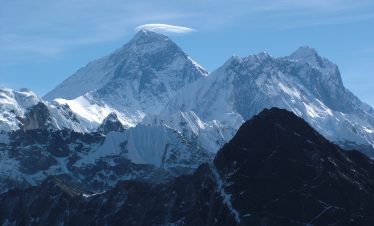
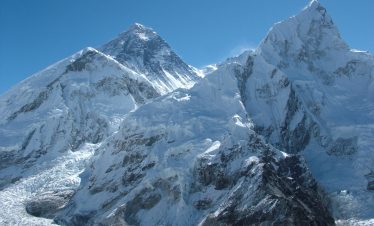
Baden Powell Peak Climbing is an excellent Himalayan trip that mixes standard trekking with an exciting alpine summit. Starting in Kathmandu, the trek takes you through the Langtang Valley, which has forests, rivers created by glaciers, Tamang villages, and mountain views. As the trail goes up via Syabru Besi, Lama Hotel, Langtang Village, and Kyanjin Gompa, hikers can experience both culture and nature, making this one of Nepal’s best trekking destinations. Past Kyanjin Gompa, the trip becomes a climb as you head toward Baden Powell Peak height is (5,890m/19,324 ft), which features views of Langtang II, Langtang Lirung, and Shishapangma. Baden Powell Scout Peaks, once called Urkema Peak, sits on the border between the Rasuwa and Sindhupalchok districts in Nepal. Located in Bagmati Province, this peak is part of the Jugal Range within the Nepalese Himalayas. Ghanjala Chuli is roughly 4.6 kilometers to the northeast of Baden Powell Scout Peak. Baden peak is about 13 day trip.

This peak, while not technical, does give you views of Langtang Lirung, Ganesh Himal, Dorje Lakpa, and the Tibetan Plateau. With proper acclimatization and experienced guides, this climb is great for hikers wanting to try high-altitude mountaineering while still enjoying a Himalayan trek. It’s a choice for hikers looking for both beautiful trekking and a climb in one trip. The Baden Powell Scout Trek gives a real Himalayan experience through villages.This climb is hard and is good for those wanting a climb away from crowds.
Baden Powell Peak Climbing Route
Baden Powell Peak Route starts with a nice drive from Kathmandu to Syabru Besi. From there, the trail follows the Langtang River going through green bamboo, oak, and rhododendron forests. Walkers will pass through Tamang villages, cross bridges, and see waterfalls as they climb into Langtang Valley. Kyanjin Gompa is a great place to rest, with views of peaks and glaciers, plus a look at Himalayan culture. The trek includes meadows, yak pastures, and calm valleys, which make it a treat for the eyes. Past Kyanjin Gompa, the climb gets harder as climbers move toward Baden Powell Peak Base Camp.
The ground is rough and icy, like a real climb. On the day you reach the top, you can see Langtang Lirung, Dorje Lakpa, Ganesh Himal, and even the Tibetan plateau. This gives climbers a great sense of success. With the right planning to get used to the altitude and good guidance, the route is both hard and safe. This makes Baden Powell Peak a good pick for those wanting both nice scenery and a mountain climb.
Best Time to Climb Baden Powell Peak
High above Nepal’s Langtang Valley rises Baden Powell Peak, once called Urkema Peak, towering at 5,825 meters. Though labeled a trekking peak, getting to the top means reading mountain seasons like a map. Timing shapes everything – miss it and snow fights back; catch it and the path opens quiet. Success hides not just in strength, but in when you show up.
The Golden Windows Spring and Autumn
Spring – March through May – is when most people head up into Langtang for climbing. After winter loosens its hold, color returns to the lower paths: rhododendrons bloom, leaves flush out bright. Higher up, snow settles into firmer layers over weeks. Warm daytime temperatures make a difference here; bodies stay warmer during long climbs near the top. Air feels sharp and clean early on, ideal for spotting routes across steep ground. Clouds sometimes build by midday, yet dawn hours often bring wide-open views needed for tricky stretches above tree line.
Later into the year, autumn paints the hills in sharp clarity. After the monsoon slips away, air clears like glass, opening long sightlines across high peaks. Blue settles overhead, steady and bold, framing both Langtang Lirung and Shishapangma without blur. As days move toward November, cold edges in slowly. Paths stay firm underfoot since rain has mostly passed by then.
Climbing Conditions and Preparation
Baden Powell Peak never takes it easy on anyone. Up there, steep snowfields need careful steps – sometimes ropes are already set up to help. Crampons grip underfoot. Ice axes come out when needed. Even at busy times, weather acts without warning despite seeming steady at first glance. Spending time in Langtang Valley makes a difference later. The body adjusts slowly, learning how to breathe where oxygen runs low. Base Camp leads higher only after this wait. Five thousand meters changes everything – preparation can’t be skipped.
How Hard Is It to Climb Baden Powell Peak?
Midnight brings the start, boots crunching on frost-hardened gravel as shadows stretch across the valley floor. A thousand meters rise ahead, each step heavier than the last under a sky still full of stars. High Camp sits quiet behind, now just a memory fading with the warmth. Loose rock shifts beneath every move, tricking balance when least expected. Ice waits beyond the ridge, slick and uneven, needing slow trust in axe and crampon alike. Lungs burn not from effort alone but thin air pulling oxygen far too slowly into tired muscles. Some call it a trek, yet few treks ask so much from dawn until long past noon. Dark hours dominate the climb, cold biting through layers meant to hold off numbness. Strength matters here more than speed, especially where slope never seems to ease. The body pushes while mind stays locked on one thought at a time. No trail guides feet forward – just instinct, rhythm, and breath shaping progress inch by inch. Summit light arrives quietly, earned without fanfare or sudden triumph.
Halfway up Baden Powell Peak, the sky thins so much that each breath feels stolen. Around 19,000 feet, air pressure slips low enough to cut oxygen intake by half compared to sea level. Moving slowly then counts more than moving fast because bodies strain under the weight of altitude. Because of this, Acute Mountain Sickness lurks close, turning small efforts into exhausting ones. Progress depends not on force but patience – letting the body adapt step by step. When night chills arrive and breathing grows sharp, clear thinking holds stronger than muscle. Climbers who sync their breaths and stay steady through the last narrow rise are often the ones who reach the top. Those who rush tend to fall back long before dawn.
The climb sits at a “Slightly Difficult” rating, so beginners can attempt it if they’ve got some training. Moving across icy ground means knowing how to handle crampons and an ice axe on inclines near 40 degrees. When crossing glaciers, you’ll stay connected to others by rope – timing steps matters just as much as handling gear. Experience like leading big routes isn’t needed. Yet being able to manage ropes on rock faces and stop yourself during a slip makes all the difference out there. Respect comes last, earned only after long effort beneath high stone. When strength meets clear intent, challenge fades just enough to notice what stands around – snow peaks rising like ancient sentinels from Langtang into Jugal, silent and massive.
Trekking and Climbing Baden Powell Peak
Out past the first ridge, the path cuts into green folds of the Langtang Valley. Moving slowly here isn’t just about pace – bodies need time to adjust. Trees crowd close at first: thickets of bamboo, red-flowered rhododendrons, places where silence breaks only if a Red Panda shifts overhead or a langur calls from rock ledges. Higher up, roots fade beneath boots; grasslands open wide under thinning air. The last stretch climbs toward Kyanjin Gompa, perched among boulders and sky.
Walking here feels tied to the past, shaped by Tamang traditions. As paths wind near old stone carvings and quiet hamlets, glimpses emerge of a Buddhist way of life long held in these steep mountain folds.
After leaving Kyanjin Gompa behind, the journey turns more toward climbing than walking. Base Camp goes up first, then a higher camp near 4,950 meters helps prepare for reaching the top. Moving ahead means crossing uneven rock ridges before stepping onto snowy inclines. Though less complex than peaks above eight thousand meters, gear like crampons and ice axes comes into play – sometimes fixed lines too. At almost 6,000 meters, low oxygen pushes your body hard – each breath counts. Steep slopes keep the mind sharp, demanding steady focus throughout. Still, climbers who are strong and know their way around a rope can manage fine. The route earns a “PD” tag on the Alpine scale, meaning just slight challenge lies ahead.
From the top, you see everything – no barriers, just sky meeting earth. North reveals Langtang Lirung’s towering wall of snow and stone, unmissable against the light. Eastward and westward stretch a broken line of summits: Dorje Lakpa, Ganesh Himal, Yala Peak – one after another like teeth in a forgotten jaw. The far edge of sight holds Tibet’s wide open plains, dry and ancient under the same sun that crowns Nepal’s mountains bright. Standing here ties it together – not forced, not planned – the land, the people below, and something quiet inside you.
Trip Highlights
- The trip from Kathmandu to Syabru Besi offers views of hills, rivers, and mountain towns.
- Langtang Valley trek features forests, waterfalls, and alpine scenery.
- Travelers can see Tamang culture, monasteries, mani walls, and prayer flags
- Climbing Baden Powell Peak (5,825m) lets you see mountains in all directions, and Views include Langtang Lirung, Dorje Lakpa, Ganesh Himal, and the Tibetan plateau.
- A hike to Tseko Ri (4,844m) helps with getting used to the altitude and provides wide Himalayan views.
- The route to Baden Powell Peak Base Camp is remote and feels like a real .
- The area is calmer and less crowded than the Everest and Annapurna areas.