

Manaslu Expedition: Embark on an epic adventure to conquer the mighty Manaslu. Our expedition offers a perfect blend of professionalism, camaraderie, and breathtaking views. Join us for an unforgettable journey to one of the world’s highest peaks.
Manaslu Expedition Info
-
Minimum 2 participants.
-
8,163m (Manaslu Summit).
-
Hotels in Kathmandu; lodges and tents during the trek.
-
Excellent physical condition required.
-
Tribhuvan International Airport, Kathmandu.
-
Tribhuvan International Airport, Kathmandu.
-
Spring (April-May) and Autumn (September-November).
-
Experienced licensed Sherpa guides.
-
Fully guided expedition.
-
English
-
Full-board meals during the trek; breakfast in Kathmandu.
-
MaManaslu Conservation, restricted area trekking, and climbing permits.
-
18
-
62
-
2 - 13
About Manaslu Expedition
1. Introduction to the Manaslu Expedition
The Manaslu Expedition is an extraordinary mountaineering adventure that takes climbers to the summit of Mount Manaslu, the eighth-highest mountain in the world. Standing tall at 8,163 meters, it offers breathtaking views and an unparalleled sense of accomplishment. Known as the “Mountain of the Spirit,” the Manaslu Expedition is both a physical challenge and a spiritual journey for climbers who seek to explore the unspoiled beauty of the Himalayas. From its snow-capped peaks to the rich culture of the Manaslu region, this expedition promises a life-changing experience.
2. Geographic Highlights of the Manaslu Expedition
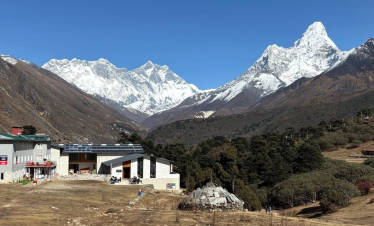
The Manaslu Expedition is set in the heart of the Nepalese Himalayas, near the border of Tibet. This region is known for its rugged terrain, deep valleys, and towering peaks. As part of the Manaslu Conservation Area, the mountain is surrounded by stunning natural beauty and biodiversity. Climbers on the Manaslu Expedition will traverse through picturesque landscapes, from lush forests at lower elevations to icy glaciers near the summit. The geographical diversity of the Manaslu Expedition makes it an unforgettable journey for adventurers and nature enthusiasts alike.
3. Route Details for the Manaslu Expedition
The standard route for the Manaslu Expedition is the northeast ridge, known for its mix of technical challenges and rewarding views. The journey begins with a trek through the scenic Manaslu region, passing traditional villages and suspension bridges. As climbers ascend, they will encounter steep slopes, crevasses, and snowy ridges. The Manaslu Expedition requires careful planning and precise climbing techniques, but the spectacular scenery and sense of achievement make every step worthwhile. The base camp, situated at 4,800 meters, serves as the starting point for acclimatization and preparation for the higher camps.

4. Cultural Experiences on the Manaslu Expedition
One step at a time, the 41-day trek to Manaslu unfolds not just across terrain but through stories carved into stone and silence. Instead of rushing upward, most who go there find themselves slowing down, drawn by village paths worn smooth over centuries. Life here moves without hurry – yaks graze beside prayer flags fluttering like quiet thoughts. Homes built from sun-baked brick cluster on slopes where elders sit outside doorways, watching travelers pass. Though altitude climbs steadily, human warmth stays constant among people shaped by wind, faith, and high valleys. Their ways blend Gurung roots with Tibetan echoes, seen in chants at dawn and butter lamps glowing after dusk. Each footfall forward feels less like conquest and more like return.
Wind carries colors from prayer flags strung along the path, bright against stone etchings of ancient mantras pressed into Mani walls. Rising above them, old monasteries stand firm, alive with chants and quiet devotion, central to life here for generations. Far from silent relics, these places pulse with belief, shaped by long-held Buddhist ways woven tightly into mountain living. Villages like Samagaon and Samdo open slowly – climbers step in, pause near temple doors, watch butter lamps flicker during morning rites. Some join hands during ceremonies, not as guests but simply present, learning stories whispered through gestures more than words.
Getting caught up in local culture gives the trip a special kind of depth. Talking with villagers, eating together, or just passing time opens windows into lives shaped by old ways, far from today’s rush. Many who climb begin to see these experiences as meaningful as standing on top. Reaching high ground matters, yet so does what happens along the trail – slow exchanges, quiet gestures. The trek across Manaslu’s slopes turns into something more than muscle and altitude; it folds in stories, faces, routines few ever witness. What stays behind isn’t only proof of strength, but respect grown through presence.
5. Best Seasons for the Manaslu Expedition
Forty-one days spent climbing Manaslu works best under open skies found in April through May or September into November. Clear views meet lighter winds then, giving those aiming for 8,163 meters solid footing. Warmth creeps upward each spring day, stretching light across valleys where flowers start showing color near base paths. Longer sun exposure lifts spirits while teams move slowly higher, adjusting step by step. Crispness fills the air come autumn, after monsoon rains fade away completely. Mountains once hidden now stand sharp against blue – Himalchuli visible here, Ganesh Himal there – as if someone wiped glass clean. Fewer clouds mean fewer surprises overhead during push phases. Each season holds its own rhythm, yet both deliver what matters: steady ground beneath boots and breath that doesn’t tear at the chest. High peaks rise behind the trails, making climbs feel grand while helping travelers find their way and snap clear photos. When skies stay steady in those months, dangers like avalanches, deep snow, or surprise blizzards drop sharply – threats often seen in colder or rainy times.
Favorable weather makes it easier for teams to set up camp, adjust to altitude without risk, while timing their climb with more certainty. Instead of battling harsh cold, steady temperatures help preserve strength – key when every breath counts near the top. Spring or fall brings these advantages consistently, so most who target Manaslu choose those windows, where safety blends quietly with raw mountain experience.
6. Physical and Mental Preparation for the Manaslu Expedition
The Manaslu Expedition demands a high level of physical fitness and mental resilience. Climbers must be prepared to endure long days of trekking, steep ascents, and exposure to extreme weather conditions. Prior experience in high-altitude mountaineering is highly recommended for those attempting the Manaslu Expedition. Training should include cardiovascular exercises, strength-building routines, and altitude acclimatization. Mental preparation is equally important, as the challenges of the Manaslu Expedition require focus, determination, and a positive attitude to succeed.
7. Challenges of the Manaslu Expedition
The Manaslu Expedition is not without its difficulties, as climbers face a range of challenges on their journey. Harsh weather conditions, including sudden snowstorms and freezing temperatures, can make the ascent grueling. The presence of crevasses and the risk of avalanches add to the technical demands of the Manaslu Expedition. Additionally, the effects of high-altitude sickness require careful monitoring and acclimatization. Despite these obstacles, the sense of accomplishment upon reaching the summit of Mount Manaslu is unmatched, making the challenges worthwhile.
8. Environmental Conservation and the Manaslu Expedition
The Manaslu Expedition takes place in a fragile ecosystem, requiring climbers to prioritize environmental conservation. The Manaslu Manaslu Conservation Area is home to diverse flora and fauna, including endangered species like the snow leopard and red panda. Participants in the Manaslu Expedition are encouraged to follow sustainable practices, such as minimizing waste and respecting local customs. By promoting eco-friendly trekking and climbing, the Manaslu Expedition contributes to preserving the natural beauty and cultural heritage of the region for future generations.
9. Importance of Choosing a Reliable Agency for the Manaslu Expedition
A successful Manaslu Expedition relies heavily on selecting a reputable trekking and climbing agency. Experienced guides and porters play a crucial role in ensuring safety and efficiency during the expedition. A reliable agency will also handle logistics, including permits, transportation, and high-quality equipment. For those embarking on the Manaslu Expedition, partnering with a professional team significantly enhances the chances of reaching the summit while ensuring a safe and memorable experience.
10. The Rewarding Journey of the Manaslu Expedition
The Manaslu Expedition is more than just a climb; it is a transformative journey that combines adventure, culture, and natural beauty. From the base camp to the summit, every moment of the expedition is filled with awe-inspiring views and a profound sense of achievement. Whether it is the thrill of conquering one of the world’s highest peaks or the joy of connecting with the Himalayan culture, the Manaslu Expedition leaves an indelible mark on every climber’s heart.
Manaslu Expedition Highlights
- Summit Mount Manaslu, the eighth-highest peak at 8,163 meters.
- Trek through lush forests, terraced fields, and traditional Himalayan villages.
- Immerse in the rich Tibetan-Buddhist culture of the Manaslu region.
- Explore the Manaslu Conservation Area, home to diverse wildlife and ecosystems.
- Relish panoramic views of Himalchuli, Ganesh Himal, and Annapurna.