

-
Private Vehicle
-
2 people - 12 people
-
5,106m / 16,755ft at Ganja La Pass
-
Standard Hotel
-
Moderate
-
Kathmandu, Nepal
-
Kathmandu, Nepal
-
March – May & September – November
-
Certified trekking guide
-
Adventure / High-Altitude Trek / Cultural & Scenic
-
English-speaking guide (other languages on request)
-
Full board (Breakfast, Lunch, Dinner)
-
TIMS Card (Trekkers’ Information Management System), Langtang National Park Entry Permit
Ganja La Pass Trek ranks as a very exciting, yet tough, trip in Nepal’s Langtang area. The pass, located at 5,122 meters (16,804 ft), serves as a mountain link between the Langtang Valley and Helambu. People know this trek for its difficulty; you often need gear such as ropes and ice axes to get through steep, snowy parts near the top. Hikers get outstanding views of mountains such as Langtang Lirung, Dorje Lakpa, and the Tibetan ranges. A typical two-week plan starts with a nice drive from Kathmandu to Syabrubesi, followed by a steady climb through Langtang Valley’s green forests. Main stops include the Tamang village of Langtang and Kyanjin Gompa (3,830m), a spiritual place where hikers take days to get used to the altitude by going to viewpoints like Tserko Ri. The technical part of the trek means moving from tea houses to camping in tents as you go to Ganja La Phedi, cross the icy pass, and go down into the distant areas of Keldang and the Sherpa villages in Helambu valley. The whole trek covers about 110 to 130 kilometers, based on the exact path and any extra hikes. The cost usually runs from $1600 USD per person. This amount generally covers permits (Langtang National Park and TIMS), a good guide, porters, meals, and places to stay. Because the pass is technical and Nepal has put in place safety rules, you must have a licensed guide. It’s not allowed to trek alone on this route.
Best Trekking Season
High up at 5,122 meters, crossing Ganja La Pass means knowing when the mountains behave best. Spring draws most who come, mainly between March and May, as life returns to Langtang. Below, paths wind through bright bursts of rhododendron flowers under soft sunlight. Yet even as warmth spreads down low, thick layers of old snow still cling stubbornly to the pass sometimes past mid-April. Moving forward needs care – ice axes may be needed early on, footing uncertain without them. Later, near May’s end, gentler weather arrives alongside greener slopes, making climbing easier.
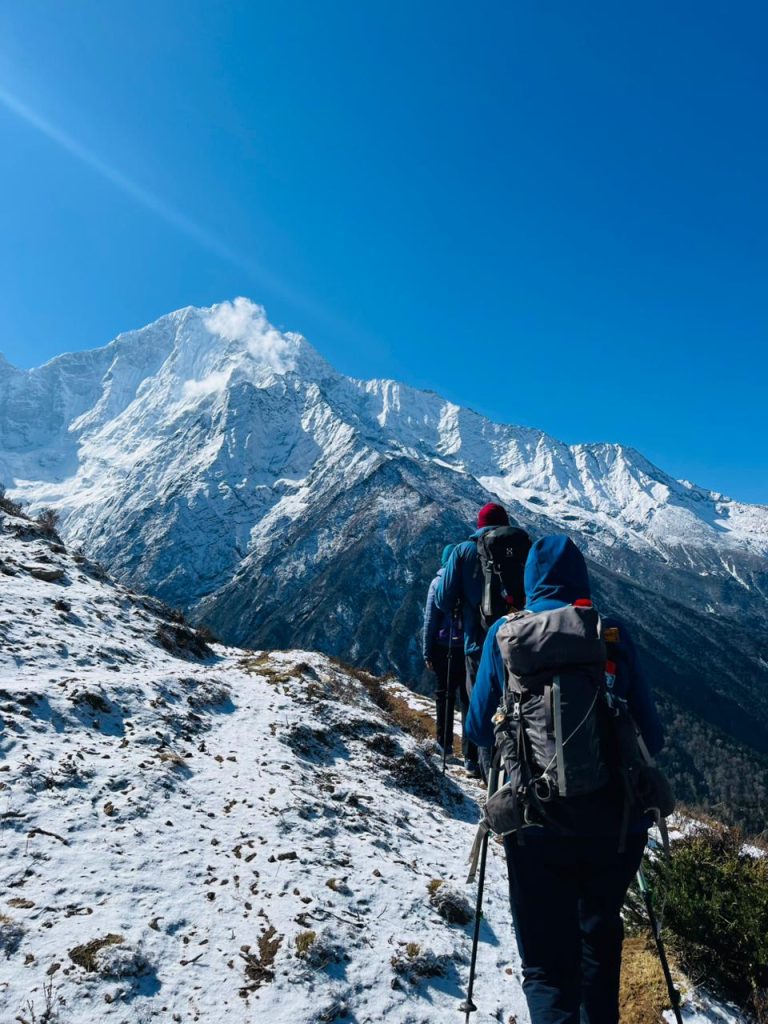
Later in the year, from September to November, conditions shift in favor of trekking across the Ganja La. After summer rains fade away, the sky clears out completely – dust gone, mist vanished – leaving distant shapes like Langtang Lirung sharp against open space. High above tree line, daylight stretches under steady high-pressure systems where cloud cover rarely interferes. Trails shed their slippery mud, turning firm beneath boots as rock and scree settle into place after months of moisture. Cold seeps back into mornings now that winter approaches slowly from the north. Still, visibility stays unmatched during these weeks when sunlight hits snow at odd angles, revealing ridgelines few get to see up close. Few moments compare to standing breathless on exposed ground while wind cuts between silent peaks just beyond reach.
Winter, between December and February, shuts things down unless you are among the few teams built for serious cold. When snow piles up thick, it wipes out the climbing route entirely – avalanche danger spikes while movement gets next to impossible. High camp turns brutal as mercury drops hard; even village shelters shut tight against the freeze. Spring brings flowers, autumn offers sharp skies – but either way, crossing Ganja La means facing raw terrain that listens to nothing but weather and altitude.
What You Can Expect From Langtang Ganja La Pass Trek?
Away from the beaten track, Langtang’s Ganja La route dives into raw mountain terrain, testing strength and patience alike. Through valleys first, footsteps trace routes past Tamang homes where old ways live quietly each day. Among weathered stones at Kyanjin Gompa, peace settles like dust after storm. Yak cheese, thick and sharp, shares table space with stories told slow over firelight. Beyond last shelter huts, change arrives without warning – walls give way to open sky. Sleep happens under canvas now, far from warm rooms and shared laughter. Sound thins out here; only boot scrapes, wind hissing through scree keep time. Stillness takes hold once voices fade behind ridges left below.
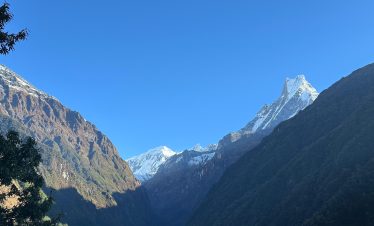
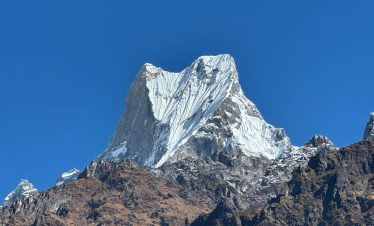
Upward past tree line, feet meet rock and ice without warning – this path asks more than most do. Ropes bite into gloves, crampons crunch brittle snow, each step earned through muscle and breath alone. Atop Ganja La Pass, air thin enough to sting lungs, one stands surrounded by peaks like broken teeth under sky. Langtang Lirung looms close, its southern wall carved by time and frost. Further off, Dorje Lakpa cuts sharp against light, while Shishapangma watches from beyond borders, white and still. Height here does not whisper – it presses down, clear and cold.
Downward steps from the ridge pull you into Helambu, swapping bare rock for color and quiet depth. With every footfall lower, thin air thickens, opening space for trees – gnarled rhododendrons cloaked in moss, damp with green life. A shift happens without warning: stone yields to soil, emptiness fills with birdsong, stillness breaks into growth. Villages appear perched above mist, built by Sherpa and Yolmo hands, held together by stacked stones and sun-worn wood. Cloth prayers flutter between rooftops; fields climb hillsides in neat scars across the slope. Walking here stirs something slow – a recognition of shelter, of people who know cold, wind, endurance. Distance fades behind you, but memory holds tight – the edge of glaciers gone now, replaced by smoke curling from hearths. Each turn toward home carries weight, not just of miles covered, but layers shed, silence broken, self reshaped. This stretch does not shout triumph – it breathes it, quietly, through forest hush and village light at dusk. One path ends where another begins – not wilder, not tamer, simply different skin on the same earth.
Preparation for Langtang Ganja La Pass Trek
To complete the Langtang Ganja La Pass Trek, focus on cardio and strength training. The trail has long days of hiking (6–8 hours) and a difficult crossing at 5,122 meters. Start training at least 3 months beforehand. Do aerobic exercises to improve lung ability. Good choices are running, cycling, or swimming. Also, do leg-strength workouts like squats, lunges, and stair climbing with a weighted pack.
This builds a base to deal with steep climbs and thin air. Besides physical fitness, you also need mental and logistical preparation. The trek goes from tea houses to camping, so be ready for below-freezing weather and a lack of comforts. Bring good gear, such as a sleeping bag suitable for all seasons, waterproof boots, and micro-spikes or crampons for icy areas. Plan for acclimatization. Add days at Kyanjin Gompa to hike to higher spots like Tserko Ri. This will help lower the risk of altitude sickness and improve your odds of a safe crossing.
Highlights
- Crossing the Ganja La Pass (5,100m) with stunning Himalayan panoramas.
- Exploring remote alpine villages: Kyangjin, Ngegang, Keldang, Dukpu, Tarkeghyang, Shermathang.
- Visiting Kyangjin Gompa monastery and local cheese factory.
- Spectacular views of Langtang Lirung (7,245m), Dorje Lharpa (6,990m), Langtang Ri (6,370m).
- Cultural experiences with Sherpa and Tibetan-style communities.
- High-altitude camping in pristine natural surroundings.