

Introduction
Red Panda Festival In Nepal 2026 Sandakpur’s Ultimate Wildlife is heavy over rhododendrons in the high eastern Himalayas, soft as old cloth. Above where breath comes short and Ilam’s green tea rows vanish into rocky spines of Singalila, something quiet stirs. Through tangled bamboo, a small animal slips – fur burnt red, steps soundless. Called Ailurus fulgens by some, known locally as the mountain’s own Firefox, it takes center stage at the 2026 festival bearing its name – the third such gathering held in its shadow.
Happening between April 3 and 6, 2026 – Chaitra 20 through 23 in the year 2082 BS – this event isn’t merely about festivities. Instead, it lights up as a worldwide signal for local-led efforts to protect nature. Over these four days, attention turns to Kalpokhari, a small village nestled in Sandakpur. Wildlife tradition pulses here, deep in the Himalayas. Scientists arrive, along with hikers and those drawn to wild places, all making their way from distant corners of the planet.
1. Event Summary and Main Goal
Festival time rolls around in Sandakpur when locals team up with RPN. Not far off, a youth group pitches in – efforts link through shared goals. Together, they shape what becomes the Red Panda Festival. Cooperation runs deep, yet each piece stays distinct.
The Vision for 2026
Quick Event Statistics
| Category | Details |
| Dates | April 3 – April 6, 2026 |
| Primary Venue | Kalpokhari, Sandakpur-4, Ilam |
| Peak Altitude | 3,636 meters (11,929 feet) |
| Expected Attendance | 10,000+ Visitors |
| Key Partners | NTB, Red Panda Network, WWF Nepal |
This time around, the event isn’t just for locals – its eyes are set beyond borders. Come 2026, Sandakpur wants global attention as the place to spot Red Pandas in wild green spaces. Instead of relying on logging or herding animals across fields, people now gain more when the panda thrives. With tourism growing, each sighting adds value far greater than old ways ever did.
2. Red Panda Festival In Nepal 2026 Sandakpur’s Ultimate Wildlife at Sandakpur
Strange as it seems, the festival makes more sense once you know about the animal at its heart. This odd little mammal defies expectations right away – no true cousin to the Giant Panda after all. Instead, tucked into its own branch of life, it stands alone in the family called Ailuridae. One of a kind, really.
Sandakpur as habitat
The forests of eastern nepal provide suitable conditions for red pandas
Bamboo fills the wet, cool woods where Himalayan bears live. Shoots and leaves make up nearly all they eat – about ninety-eight percent. Thick patches cover the ground like a blanket. These animals rely on that green growth every single day.
Up high among ancient trunks, tree cavities form quiet shelters where females raise young ones. Hollows appear after centuries of slow decay, offering safety from ground threats. These spaces emerge only when wood softens through age, shaped by fungi and weather. Thick barks mute outside noise, keeping hidden what unfolds within. Life here depends on trees that have stood untouched for generations.
Fringed by lofty lakes such as Kalpokhari, this place draws its flow from untouched heights. From these icy basins, clean water moves steadily into daily reach.
Festival lights turn toward cross-border wildlife work in 2026. Pandas move freely, slipping past unseen lines that split Nepal’s Sandakpur from India’s Singalila park. Lines on maps mean little when paws keep roaming.
3. The Four Day Festival Plan 2026
Day One Grand Opening Cultural Parade
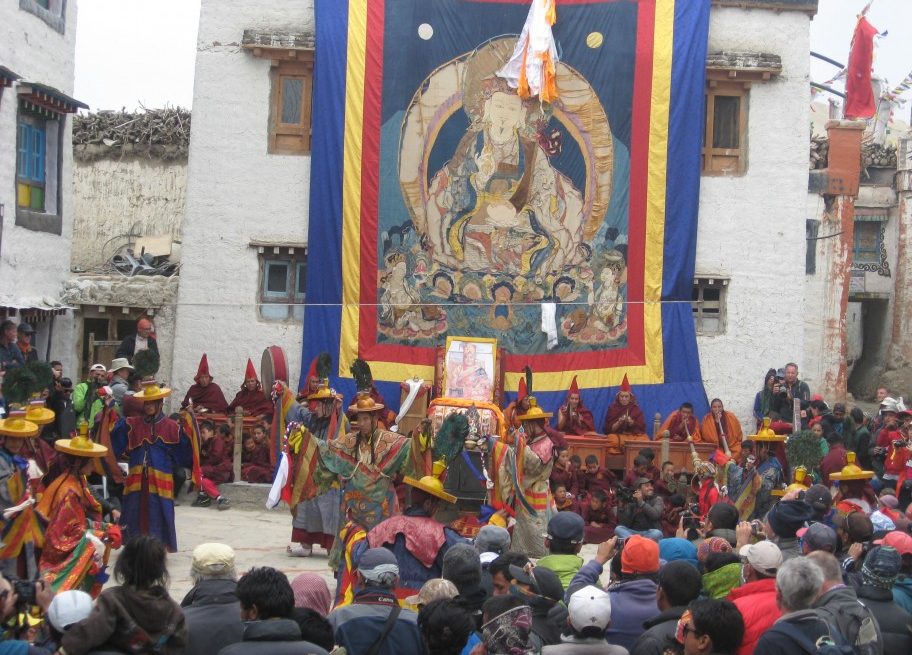
A burst of bright colors opens the festival. Marching forward, the Sherpa, Rai, Limbu, and Gurung wear ancestral clothing. With them come deep echoes from the Chyabrung drum, while the Sankha’s call curls through the air.
A sudden rustle in the trees opens the scene. Movement flows through masked figures as night falls on the clearing. One shape moves like wind through branches, another mimics cautious steps on moss. Their meeting happens without words near an old stone altar. Firelight flickers across carved wooden faces during the exchange. A pause follows – then synchronized turns signal shifting roles. Sounds of bamboo cracking echo off distant hillsides. Gestures grow sharper when mist rolls in from the east. Balance emerges slowly under a half moon. Silence returns just before dawn breaks above the canopy.
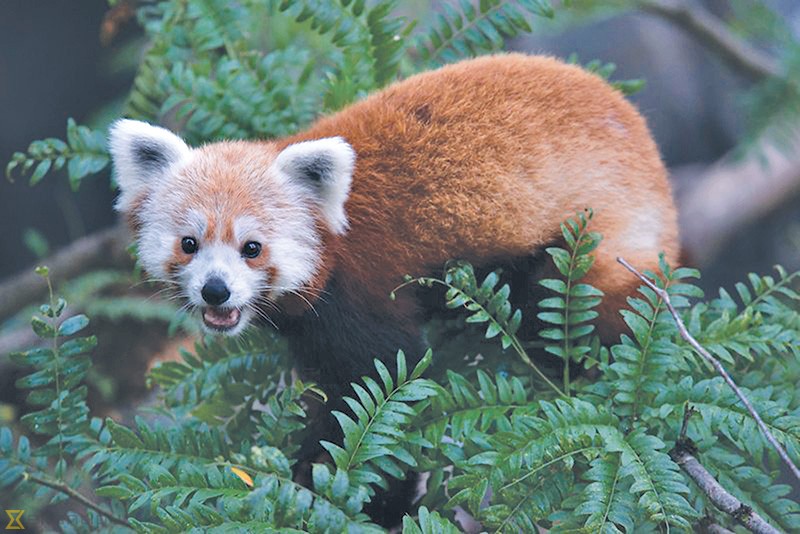
A rare blend of wildlife conservation, local culture, and breathtaking mountain beauty—where the elusive red panda becomes the heart of the celebration.
As night falls, flames rise in a circle where villagers share warm sips of millet brew called Tongba. Stories unfold beside the fire, passed down through years by those who remember most. The crackle of burning wood blends with voices shaped by time. Faces glow in flickering light while traditions breathe slowly into the dark.
Day 2 Red Panda Trail and Biodiversity Hike
Here begins the highlight for those who seek wild paths. Off they go – tiny crews led by guides – along the 40-kilometer route known as the Red Panda Trail.
Visitors follow local young trackers through familiar animal paths. These guides know the land well, having learned from years of practice. Hidden clearings come into view as the group moves quietly. Each step takes them deeper into territory where wildlife leaves signs. The walk feels slow but purposeful under tree cover. Known spots appear after a steady climb uphill. Sightings happen more often here than elsewhere. Young people raised nearby now share what they’ve seen.
A splash of wild color hides in the mountains – not just pandas, but a bird called the Satyr Tragopan, its feathers bright like they were touched by brushstrokes. Though quiet and rare, it moves through forest shadows where few ever wander.
Day Three Photography Contest and Conservation Talk
Frost still grips the mountain ridges when light spills over Kanchenjunga. Shadows stretch long near Makalu as cameras appear. A quiet hum rises where lenses point skyward. Morning glow touches steel and glass before faces do. This is how the gathering begins – without announcement. Images take shape while breath hangs in air. The event has a name, but people just show up. Light does most of the talking anyway.
Out in the open, experts who shoot wild creatures run practice times called Ethical Wildlife Tracking. These folks show ways to capture photos while keeping animal routines undisturbed. Instead of interrupting habits, they guide learners to observe quietly first. Through real examples, skills grow slowly over time. Each session focuses on timing, distance, and silence together shaping better outcomes.
Next up, voices from the Red Panda Network bring fresh numbers from the 2026 count. Tea grown without chemicals now carries a label that helps pandas – proof small choices add up. Behind these plants, people watch trails, track movements, then share what they find. Each harvest season ties back to forest health, slowly shifting how farms meet wild edges.
Day Four The Long Run and Final Event
On the last morning, runners tackle thin air during a mountain marathon pushing bodies across uneven ground. Closing moments bring village elders forward – hands raised – to vow protection against hunting for twelve more months ahead.
4. Flora of the Clouds Eighteen Kinds of Rhododendron
April lights up the slopes of Sandakpur with color. Not just pandas draw eyes – rhododendrons steal attention too. Eighteen types bloom there, each different from the next. Some burn like flame: that deep red called Lali Gurans, Nepal’s official flower. Others whisper in pale white or soft violet, harder to find. When petals open wide, experts lead slow walks through thickets. They talk about roots, leaves, how mountain people have used them for years to ease pain or calm fevers.
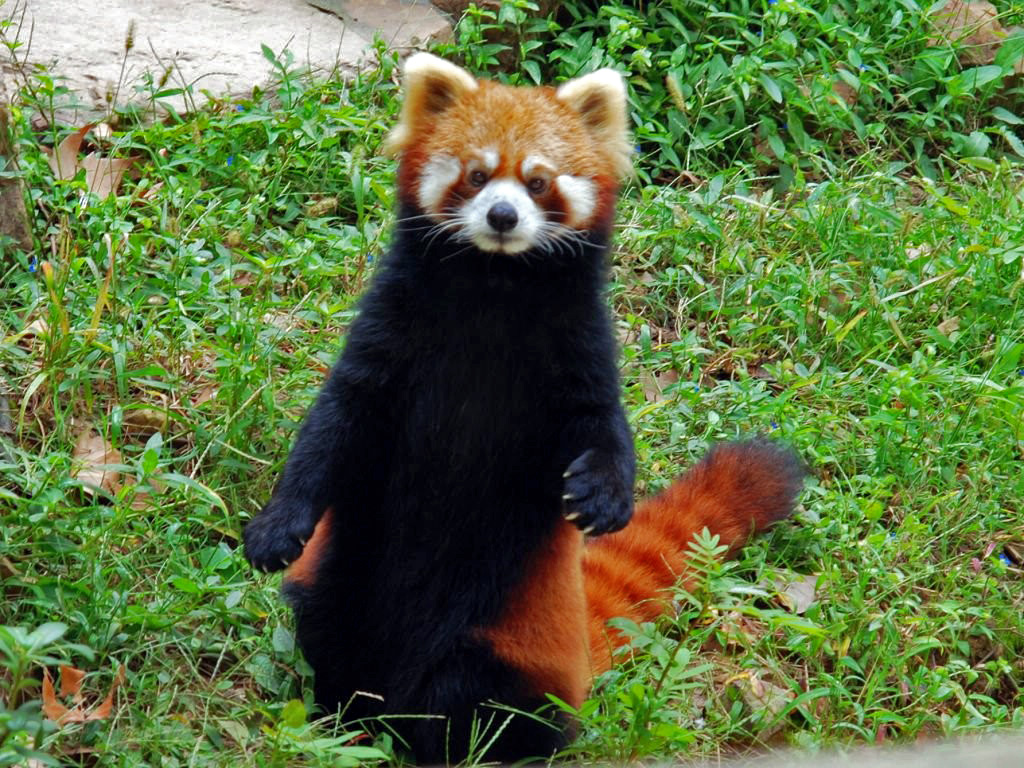
A rare blend of wildlife conservation, local culture, and breathtaking mountain beauty—where the elusive red panda becomes the heart of the celebration.
5. Travel logistics made simple
How To Get There?
Starting in Kathmandu, take a flight toward Bhadrapur. Once you land, arrange for a private jeep that heads straight to Ilam Bazaar – roughly three or four hours on road. Arrival time depends on conditions along the way.
Far beyond Ilam, rough trails take over. A four-wheel drive turns essential once paths vanish into thin air. Through Manebhanjyang, wheels crunch on loose stone before climbing toward Kalpokhari.
Starting out from Maimajhuwa or Jaubari, trekkers often take the path here over two days. This slow climb helps adjust to heights beyond 3,000 meters. Fewer issues pop up when the body gets time to adapt. Some prefer this stretch simply because it eases them into thin air.
The Homestay Experience
Far from fancy lodgings, Sandakpur thrives on homes opened by locals. Wooden cottages wait in Dobato and Jaubari, where nights are spent off grid. Meals arrive slow – Dal Bhat served fresh each day. Warmth comes from the Bukhari, a wood-fed heart in every room. Sitting near it feels quiet, necessary. Finding a place to sleep during the 2026 festival won’t be easy. Since spots are limited, securing one through the Sandakpur Tourism Committee two months ahead makes sense.
6. Photography and Gear Guide
Finding a red panda out there among trees – now that tops most photo hunters’ dreams. Wild ones move quiet, like shadows slipping through mist. Just catching one on camera feels near impossible. Some spend years chasing the moment. Luck bends for few when fur meets lens in those forest hushes.
Recommended Gear
Finding a red panda means scanning treetops where they cling, hidden by leaves – without a strong zoom, they’ll vanish from view. Think 100-400mm at minimum; better yet, go longer if you can carry it. Because these animals rarely touch ground, your glass must bridge the gap between forest floor and branch. So gear matters, especially when distance blurs detail. After all, spotting fur against green isn’t enough – you’ve got to see the animal, not just guess it’s there. Wet air clings to Sandakpur every day. Your gear needs sealed protection – without it, moisture sneaks in. If your camera or glass lacks shielding, wrap it before fog turns to damp. A frame made of light carbon helps on sharp uphill paths. Or maybe just one pole works too when the trail gets tough.
Ethical Photography Rules
Last thing first – stay back by at least fifteen meters. Fifteen meters is the bare minimum distance. Closer than that? Not allowed. This rule stands firm, every single time. Quiet matters most. Pandas pick up even faint sounds easily, so hush helps them stay calm. Stillness near their space makes a difference. Bright lights might startle a creature, even if meant to help. Sudden glows could leave it stunned or unsure where to move next.
7. The Seven Day Sandakpur Wildlife Plan
- On day one, reach Bhadrapar then head by road to Ilam. Stay overnight in a lodge surrounded by tea bushes.
- On day two, head by road toward Jaubari, sitting at 2,700 meters above sea level. A brief walk awaits once you arrive, meant to check how well your breathing adjusts. The path winds gently through thinning air, giving your body a chance to respond.
- By morning on day three, feet move toward Kalpokhari – elevation marked at 3,100 meters. The trail opens into wide spaces where festival grounds begin, held within stone and sky.
- Day 4: Festival Day 1 – Cultural immersion and Opening Ceremony.
- Fifth day brings another festival round. Following marked paths, people move through forest with guides watching for red pandas. Morning light filters as steps fall in rhythm along the route.
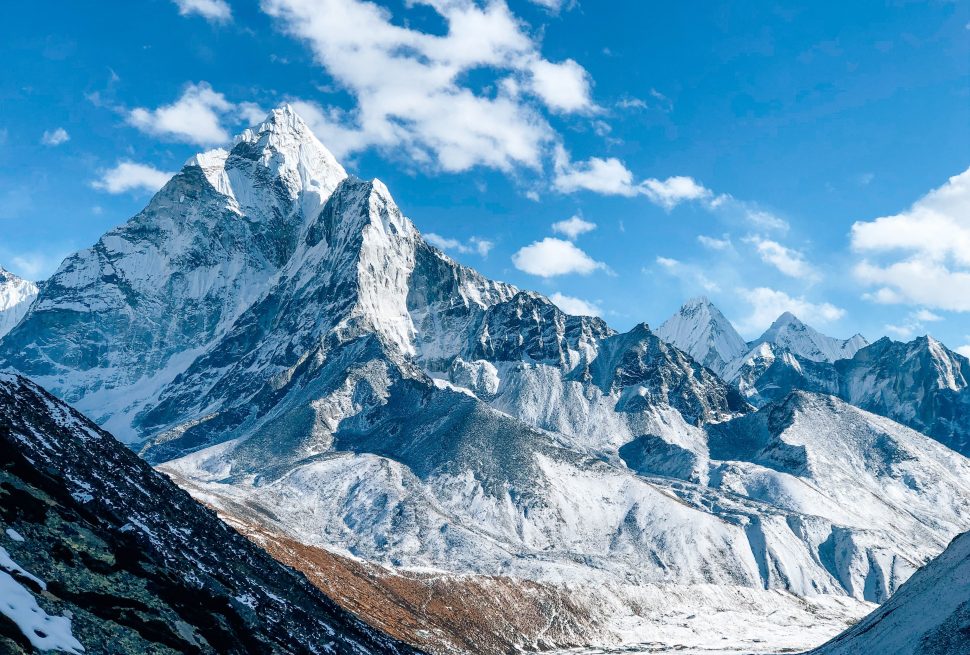
- Early light hits Sandakpur Top, perched at 3,636 meters. Peaks unfold all around – Everest, Lhotse, Kanchenjunga – seen from every angle. Morning breaks wide open above the ridge. The sky shifts while mountains stand still. Cold air holds sharp and clear across the skyline. A full circle of snow towers fills the horizon.
- Last stop, Ilam welcomes you down by morning. Evening air carries a flight toward Kathmandu skies. Touchdown happens when daylight fades behind hills.
8. Sustainability Making a Positive Impact
Out in the woods, red pandas live where things break easily. Because of that, the 2026 festival asks everyone to take their trash back when they leave. Pouring a refill? Grab your bottle at any main homestay – filtered taps sit ready. Skip plastic by carrying what you can reuse again tomorrow. When you pick up a bamboo basket or woven scarf made nearby, money goes straight to those guarding the panda’s woodland home. Each handmade piece helps keep both traditions and trees alive through small daily choices.
Conclusion: Why You Should Visit in 2026
Under a rising sun at Sandakpur’s edge, where dawn lights up the tallest mountains, a Red Panda rests quietly in the branches close by – moments like these make clear what belongs beyond price. The Third Red Panda Festival 2026 isn’t just travel, it’s stepping into care for what still breathes wild. In Ilam this April, feel the energy of the Firefox unfold. Experience a moment that stands apart. Protect what runs free.
Frequently Asked Questions
Wildlife spotting cannot be promised. Yet during April, chances climb high. Expert guides lead most trips here. In Sandakpur, few places match how often animals are seen.
Got to visit Sandakphu? Then yes, there is a small charge to enter the rural municipality conservation zone. Step across the border into Singalila National Park in India, and more paperwork kicks in. Permits add up if trails lead south.
Traveling alone here? Yes, it’s completely fine. People nearby tend to be open and kind. When you’re looking for animals though, best to have a licensed guide along.