
Introduction
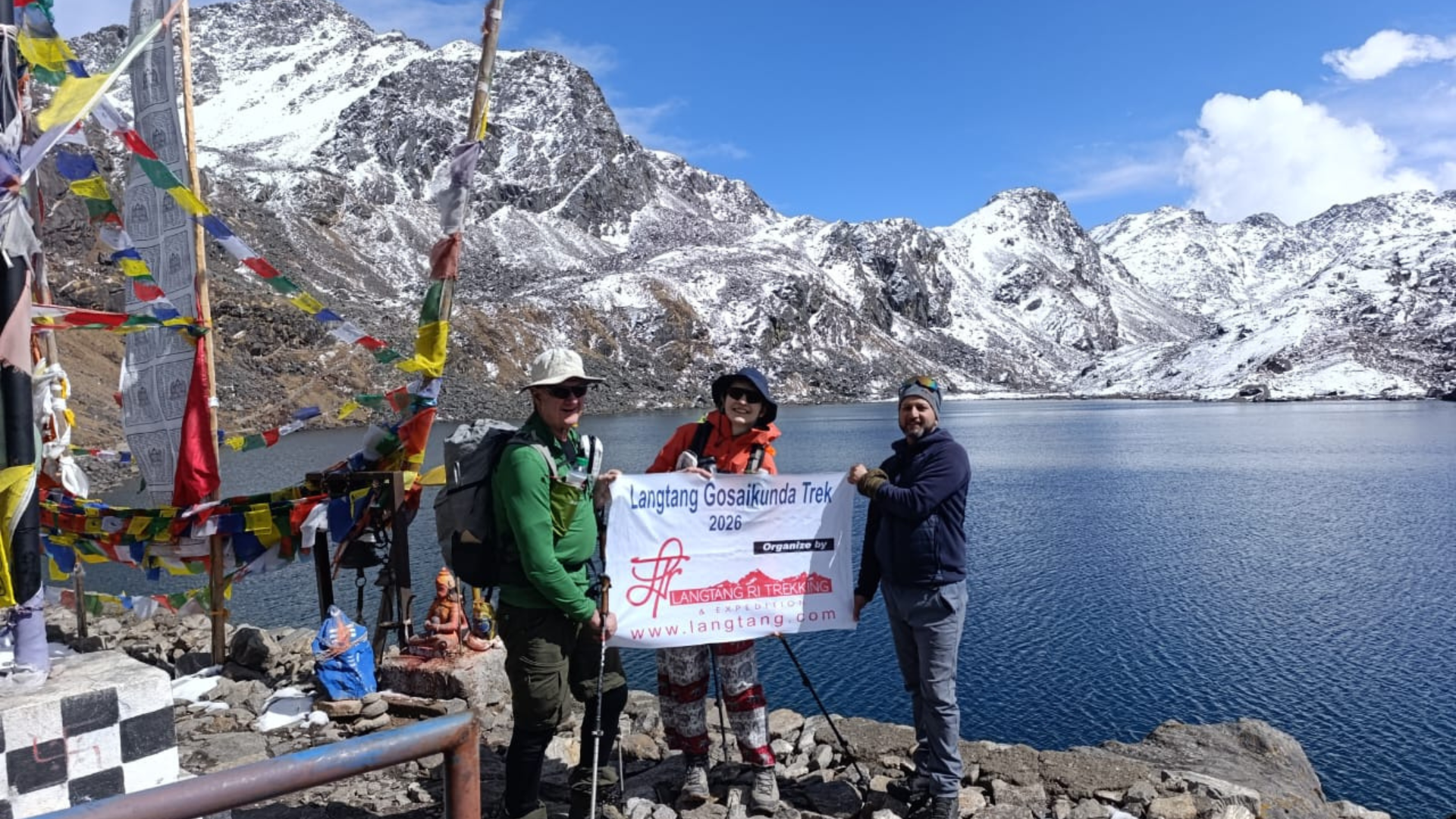
Gosaikunda Trek Guide 2026: Best Time, Route & Difficulty, a journey worth taking through wild mountain trails. Inside Langtang National Park it lies, guarded by ancient trees and quiet valleys. Reaching the water means walking past rushing streams, rocky passes, then sudden clear views above the clouds. At nearly 4,380 meters, cold air fills each breath while stillness settles over the slopes. Pilgrims arrive from villages, towns, distant cities when festival days come. For Hindu and Buddhist seekers alike, these waters hold meaning older than memory. Moments here feel removed – away from noise, closer to something unnamed.
Beauty meets culture on this path, mixed with just enough challenge to keep things real. Shorter than journeys into Everest or Annapurna zones, this route wraps up in about seven days – good news if your schedule is tight but your curiosity isn’t. Through quiet Tamang homes you walk, then under thick canopies where rhododendrons and oaks block out the sky. High above tree line, air thins as land flattens, opening at last onto a shimmering lake held holy by those nearby.
High up in the hills, the trail holds more than just views. Old stories say Shiva slammed his trident into rock to pull water forth – his throat burning from poisoned depths pulled up long ago. That strike formed the lake, so people whisper even now. When Janai Purnima arrives, crowds follow ancient paths toward it, drawn without saying why.
Location of Gosaikunda Lake?
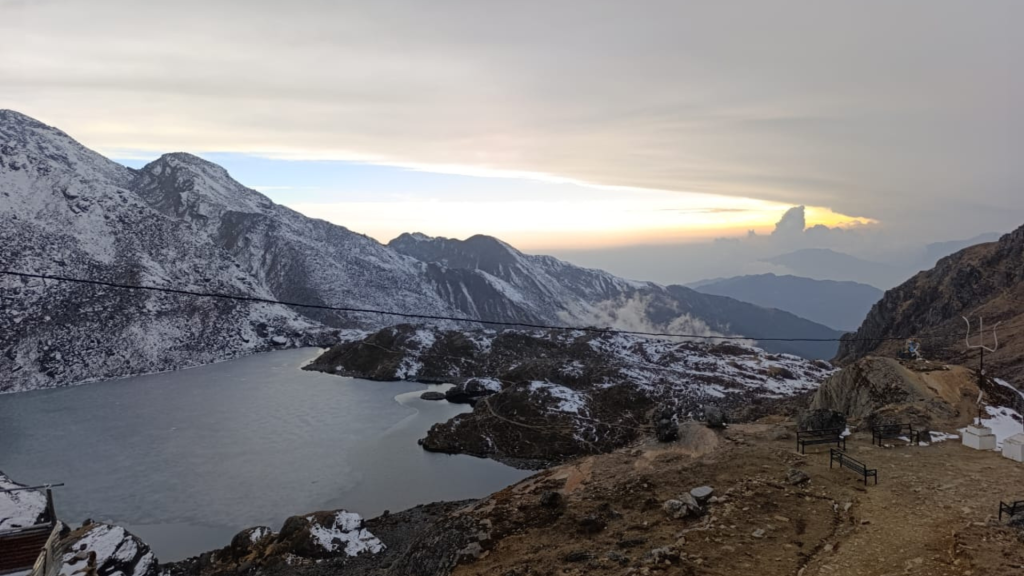
Up near the edge of Nepal’s wild northern stretch, past Kathmandu by roughly 140 kilometers, sits a quiet alpine lake held deep within Langtang. Towering peaks draped in year-round snow rise around it, forming a ring of stone and ice. This body of water belongs to a scattered family of over one hundred glacier-born lakes strewn across these heights, each shaped by melt and mountain time.
Starting out, most people take a winding road trip from Kathmandu up to either Dhunche or Sundarijal – route decides which. Once arrived, paths lead onward through trees, local settlements, and steep slopes, weaving higher into the peaks. The destination? A bright blue lake tucked among rough stone hills, standing calm under open sky.
Home to many kinds of plants and animals, this place thrives with life alongside deep-rooted traditions. Within Langtang National Park, wild creatures like the red panda find shelter among forests where silence often breaks only by distant calls – Himalayan black bears roam here too, unseen but present, while musk deer move lightly through misty slopes.
Gosaikunda Trek Route
Up toward Gosaikunda, paths often start at Dhunche, winding higher under trees where mist clings by midday. Through quiet settlements and green slopes it goes, sometimes crossing old stone steps worn smooth. After Chandanbari appears, the air thins as hikers near Lauribina, breath matching pace. Then comes the lake – still, cold, held within rocky arms.
One way or another, it might take five to seven days – depends on how fast you go and what path is chosen. Up ahead, the trail winds upward, cutting through thick groves of rhododendrons. Snowy summits rise beyond them, visible between folds of land where steep valleys drop away.
A typical trekking route includes:
- Drive1 Kathmandu to Dhunche Day One
- Day 2 Trek Dhunche to Chandanbari Sing Gompa
- Day 3 trek Chandanbari to Lauribina
- Day 4 Hike Lauribina to Gosaikunda
Fifth day arrives with light on the water. Moving around the shore feels natural now. Backtrack comes after noon, sun higher. Path leads again toward where things began
A different path opens up for travelers wanting more time outdoors. Crossing Lauribina La Pass brings the Helambu area into view. Tough slopes test balance and breath along the way. This route links two remote corners through high-altitude walking. The trail stretches further when both regions connect.
Trek Difficulty
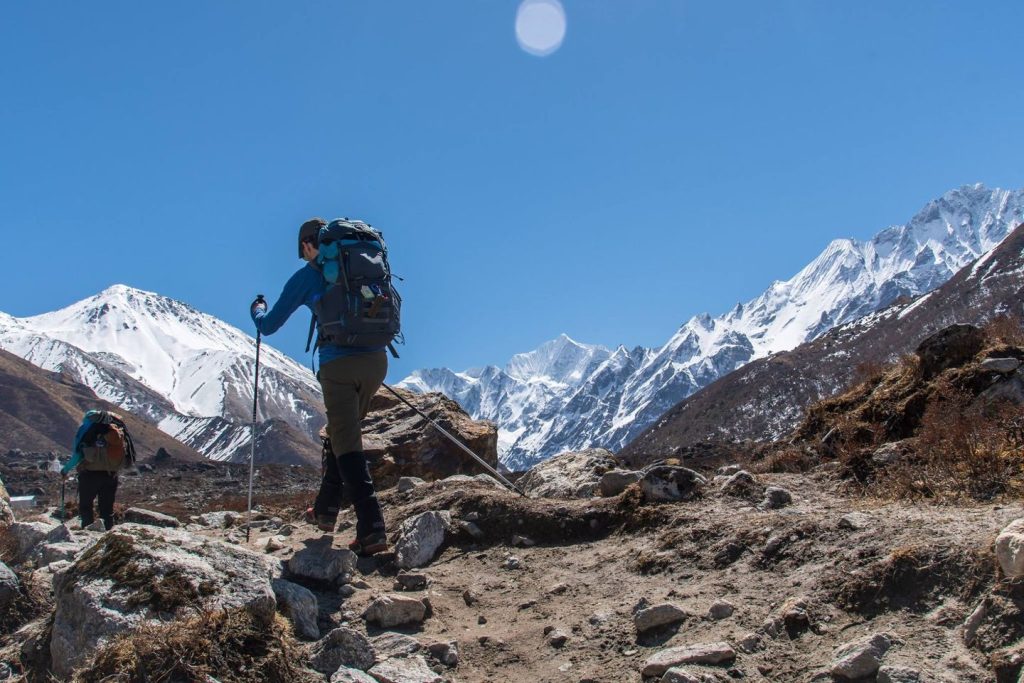
Starting slow works well on the Gosaikunda Trek, especially if you have walked hills before. Even without ropes or ice gear, high climbs and sharp rises test those new to mountain paths. Reaching breathless heights happens faster than expected, making steady pacing smart. Some stumble at first when trails tilt sharply upward through rocky patches. Fitness helps, yet rhythm matters more once air thins past tree lines.
Most days on the trail involve five to seven hours of walking uphill, starting near 2,000 meters and climbing beyond 4,300. Staying well hydrated helps the body adjust, especially when gaining height steadily. Moving at a steady pace matters just as much as taking time to adapt slowly along the way.
Besides the tough spots, plenty still make the journey since it does not take long plus paths are already set.
When to Go on the Gosaikunda Trek?
Spring brings clearer skies, so that time of year works well for reaching Gosaikunda. September through November also offers steady weather, making those months another solid choice.
Spring brings bursts of bright rhododendrons through the trees, while temperatures stay gentle and skies open. On high ground, vistas stretch wide, yet animals show themselves more often now inside the reserve.
Might be the crisp air or maybe those unbroken views – autumn draws trekkers when storms fade, skies open wide. Mountains stand sharp in the light as steady winds settle across the high trails.
Frozen lakes might stop you cold mid-step when winter paths get buried under thick snow. Trails up high? They vanish beneath it. Rain hammers down nonstop between June and August, turning dirt roads into slick traps where loose earth slides without warning.
Cultural and Religious Meaning
Lake water whispers secrets of faith across Hindu and Buddhist paths. When the full moon rises on Janai Purnima, believers step into its flow – not just to wash skin, but shadows. Each dip answered by silence said to be Shiva’s breath.
Every summer, crowds walk high into the hills toward the lake, turning the path into something alive with color and sound. As the days pass, tents rise like mushrooms after rain while chants echo between rock faces. Smoke curls from small fires where elders lead prayers under open sky. Moments of quiet sit beside bursts of drumming, singing, steady footsteps on stone.
Out here among the trails, seeing this sacred meeting unfold brings a quiet kind of weight to each step taken. A moment like this doesn’t shout – it settles in. Walking changes when you feel it. Meaning slips in without announcement. The path feels different after.
Scenic Highlights of the Trek
Starting out, thick woods surround you – birdsong everywhere, sudden drops of water tumbling down rocks, animals moving quietly through green shade. Little by little, trees thin out, giving way to open spaces where cold air bites and the ground turns rocky underfoot.
Up ahead, trekkers catch sweeping sights of towering Himalayan summits like Langtang Lirung, Ganesh Himal, and Manaslu. As the land shifts suddenly – thick forests giving way to bare alpine terrain – a powerful sense of place takes hold.
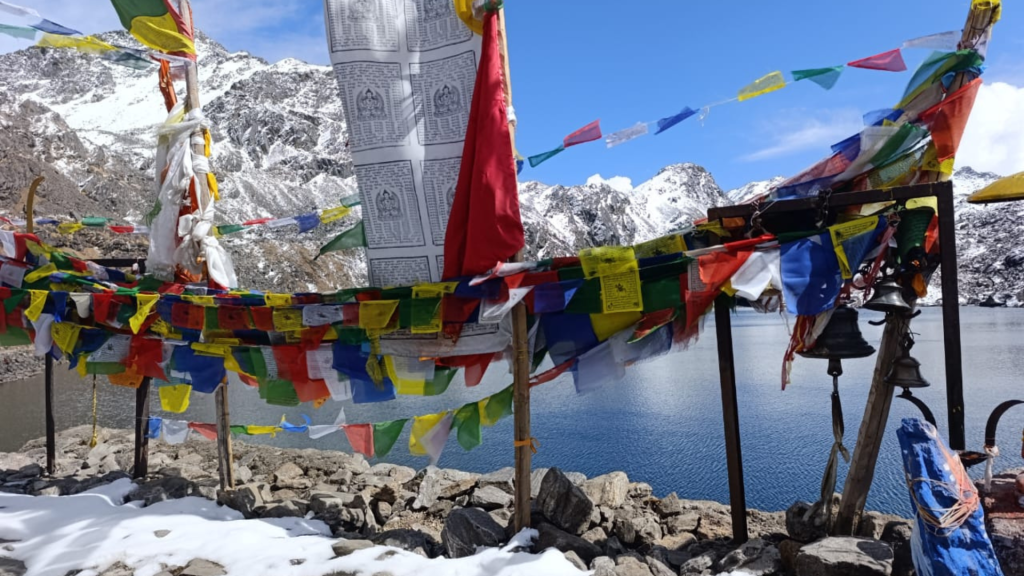
When the sun climbs up, light spills across Gosaikunda’s clear blue water, mirroring jagged mountains nearby – this place becomes a quiet showstopper in Nepal’s highlands. As daylight fades later, shadows stretch long while colors deepen on waves that hold sky and stone alike.
Accommodation and Food
Nestled beside the trail, small lodges welcome hikers on the Gosaikunda route with open doors and steaming cups of tea. Local households manage these stays, turning modest spaces into welcoming shelters high above tree line. Though furnishings stay minimal, care shows in washed sheets and thick quilts piled neatly at bedsides. Some guests spread out in shared halls where whispers echo after dark; others slip behind wooden doors for quiet corners of their own. Warmth matters most when wind scrapes against windowpanes past midnight. Simple as they are, these places shine because of how warmly people welcome you. Inside a family-run teahouse, visitors meet Tamang and Sherpa hosts, see daily traditions up close, then soak in quiet Himalayan life. Gathered around shared tables, hikers swap tales while wood fires crackle nearby, eyes often drifting to vast peaks framed by wide windows.
Meals on the trail pack serious energy for walking all day. Dal bhat, a mix of lentils and rice, shows up most – it’s filling, warm, reliable. Momos appear too, stuffed pockets steamed or fried, often beside noodle dishes or stir-fried grains. Fried rice turns up with veggies when hunger hits hard. Soups simmer through cold mornings, thickened by altitude chill. Pancakes arrive golden on plates where toast sometimes lands crisp, paired always with eggs any way cooked. Fresh greens pop in seasonally, tossed into bites without fuss. Ginger tea bubbles in pots at dawn, while masala brews strong midday. Lemon drinks cut sharp through foggy air. Coffee warms palms more than cups near mountain peaks. Each drink steadies hands after hours uphill. Snacks like chocolate or biscuits turn up in most teahouses, sometimes alongside energy bars. Boiling water might be needed before drinking – though it’s typically on hand. Bottled versions pop up too, sold by some places for a bit extra.
Away from city comforts, treks near Gosaikunda feel different because people welcome you openly, serve home-style food, then point toward trails through highland views. Though some huts lack steady internet or personal toilets, their appeal grows from shared stories over hot drinks, early morning chants, and handmade blankets folded on wooden beds. These stays do more than shelter – they tie each step into the rhythm of mountain life.
Travel Tips for the Trek
Getting ready matters most for a safe, smooth Gosaikunda Trek. Though not extremely tough, the path climbs through thin air zones, far-off settlements, one moment sunny – next, snowing – so thinking ahead makes all the difference. When it comes to clothes and equipment, layering works best for shifting weather. Thermal base layers pair well with fleece mid-layers, while outer shells must resist rain or snow. Footwear needs strong traction – trails often turn uneven, wet, or slick underfoot. Cold nights demand a sleeping sack built for below-freezing conditions, especially outside summer months. Gloves plus insulated caps help retain heat when mornings start harsh. Poles that support balance make steep sections easier on the legs. A durable pack, one with a shield against downpours, keeps gear dry through sudden storms. Light after dark? That means carrying a head-mounted beam. Each item serves a purpose shaped by mountain unpredictability. Getting used to the height matters a lot because Gosaikunda Lake sits near 4,380 meters above sea level. Move at a slow pace, pause now and then, drink plenty of fluids – these steps lower the risk of altitude problems. Watch closely for signs like headaches, feeling dizzy, or an upset stomach; drop down in elevation fast if discomfort strikes. A few travel plans add a quiet day around Lauribina or Chandanbari so the body finds its balance amid thinner air.
Bring every needed paper – entry pass for Langtang National Park, plus a registered trekker’s TIMS card tucked close. Insurance that includes rescue by helicopter and risks of thin air? A smart move. Small bills work best since machines giving cash do not exist out here, while phone-based payments often fail.
Out here, finding someone who knows the land makes things go smoother. A familiar face along the path means fewer surprises when weather shifts or trails fade. These folks share stories that maps can never hold – tales of old routes, village ways, seasons past. Weight on your back feels lighter when another takes part of the load. Comfort comes not just from rest, but from knowing you are moving with purpose. Carrying a first-aid kit helps when trails get rough, while water purification tablets keep drinks safe. High-energy snacks give strength between meals, especially far from towns. Clean habits matter just as much as showing respect in quiet villages and places held holy. Moving carefully through these spaces makes a difference without saying a word. Starting well means knowing how high it gets, plus what that does to your body. Respect shows up in small choices, like how you greet people along the trail. A steady pace beats rushing every single time. Memories stick not because of peaks reached but moments noticed. Safety grows when plans are clear yet flexible. Culture slips into conversations, not just sights seen. The mountains stay quiet, though they teach plenty.
Conclusion
Starting deep in green woods, feet follow old paths past homes where life moves slow. Tall snowy summits rise without warning above quiet shrines tucked between rocks. Trails climb higher, leaving tree lines behind while small ponds mirror cloudy skies. Villages appear suddenly around bends, smoke curling from rooftops near prayer flags fluttering fast. Each step forward mixes breathless heights with stories carved into stone walls. High up, a cold lake rests inside a bowl of cliffs, silent under wide open air. This walk does not rush, instead it unfolds – moment by moment – in stillness and sharp views.
Gosaikunda calls out differently depending on who you are – someone chasing quiet moments in wild places, paths that feel sacred, or trails packed with raw challenge. What stands out is how much fits into just a few days: views that stick, encounters with traditions alive and breathing, movement through land shaped by time. Few treks in Nepal hold so much without asking for so long a journey.
A journey through the Himalayas takes on deeper meaning when paths wind past both wild beauty and ancient customs – this is where Gosaikunda reveals itself. Not just trails under vast skies, but footsteps following centuries of quiet devotion shape the experience there. Where glacial lakes mirror cloud movements above, culture moves alongside nature in steady rhythm. Some treks deliver views alone, yet this one carries pilgrims and wanderers alike into something older than tourism. Mountains here do not simply rise – they hold stories within their folds.