

Introduction
Dhorpatan Hunting Reserve Guide 2026 is stands apart as an uncommon spot few travelers reach. Not like the busy trails near Everest or Annapurna, this place mixes untouched nature, old mountain customs, yet controlled hunts too. Set up in 1987, it holds a special status – the nation’s single official hunting zone – drawing explorers, animal watchers, those chasing quiet paths less traveled. A full look at what lies ahead in 2026 covers trail choices, journey plans, pricing details, route maps, entry points, standout moments worth noting. Stretching across sections of Baglung, Myagdi, along with Rukum areas, the reserve forms a striking wild space in Nepal’s west. Back in 1987, this place took shape across 1,325 square kilometers, climbing from 2,850 meters up to 5,500. Valleys thick with green sit beside open grasslands where the air gets thin, then give way to steep rocky slopes. Animals of many kinds live here, moving through landscapes that shift with height. Because of this blend, people drawn to wild spaces often find their way here on foot, following trails that wind through changing worlds.
Spring brings open paths through Dhorpatan – think March to May – with skies that stay bright and ground underfoot that stays firm. Come September, after summer fades, autumn rolls in until November, offering much the same: steady light, solid trails. Hunting zones cut across the land, yet movement on foot still flows freely where permits allow. Step beyond roads here, follow routes past old-style settlements tucked between slopes. Views stretch wide without interruption, shaped by quiet forests, high meadows, peaks that hold snow longer than memory. Each turn reveals something unpolished, real – the kind found only where few pass.
Dhorpatan Known for Hunting Reserve and Scenic Landscapes?
Dhorpatan stands out because it balances animal protection with regulated hunting, unlike most reserves in Nepal. Rare creatures like bharal – also called blue sheep – live here alongside wild Himalayan tahr. Musk deer find shelter in these mountains too, slipping through thickets without sound. Snow leopards, hardly ever seen, also roam this rugged terrain.
Dhorpatan Elevation and Landscape
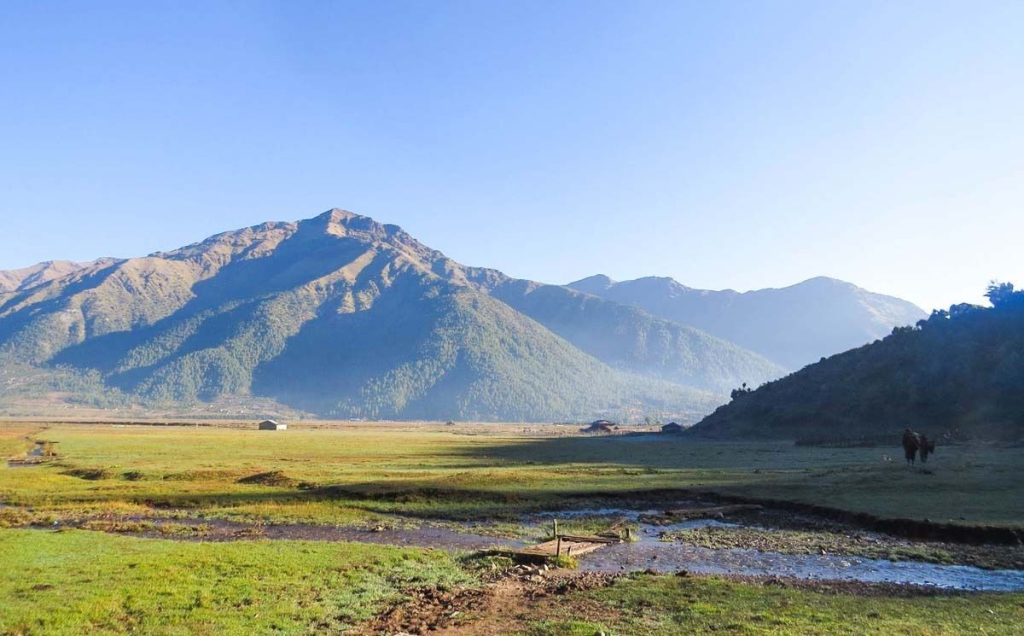
Dhorpatan’s height changes a lot – down in the valley it rests near 2,850 meters. Moving farther into the reserve, ground level climbs slowly. Forests start warm and thick, then give way to open grasslands. Up higher still, sharp ridgelines cut across the skyline.
The region includes:
- River valleys and grasslands
- Dense rhododendron and pine forests
- Snow-covered peaks
Dhorpatan villages
Few places mix trails and animal sightings quite like this one does. What stands out is how easily hiking blends with spotting creatures in their habitat.
High up where Baglung meets Myagdi and stretches into Rukum, the reserve unfolds. From valleys near 2,850 meters it climbs past 5,500, wrapping varied life within its slopes. Sloping grasslands known as “patan” shape much of what you see. These open fields are why the place bears the name Dhorpatan.
Aside from wildlife, Dhorpatan is also known for:
Stillness hangs where wide valleys stretch beyond sight. Thick woods rise without break across the land. Open spaces remain unchanged by time. Trees crowd together, forming quiet pockets beneath their canopy. Distance blurs into green folds under slow light
Among the hills live Gurung people, their songs echoing through stone villages. Flowing into lower valleys, Magar traditions blend with river sounds. High up near mountain passes, Thakali families trade stories along ancient routes
Peaceful trekking routes far from crowded trails
Stunning Himalayan views including Dhaulagiri and Gurja Himal
Away from crowds, Dhorpatan offers quiet trails where few footsteps wander. This place keeps its calm long after the road ends.
Dhorpatan Valley Trekking Map Routes
To plan a trip to Dhorpatan trek, get familiar with the valley’s layout along with available trails. Reaching the reserve happens via several paths, though every route shows different scenery while delivering its own kind of journey.
Main Paths for Dhorpatan Trek
From Baglung it heads toward Burtibang before climbing slow into Dhorpatan Valley. This way sees more travelers than others. It moves step by step upward after leaving the lower town behind. Footpaths open wide once the edge of the plateau is reached.
Farmlands carved into hillsides lead the way eastward. Rivers cut across the path, steady and clear. Villages appear one after another, quiet beside trails. Travelers moving from western regions find this stretch makes sense. The road climbs toward Dhorpatan at its own pace.
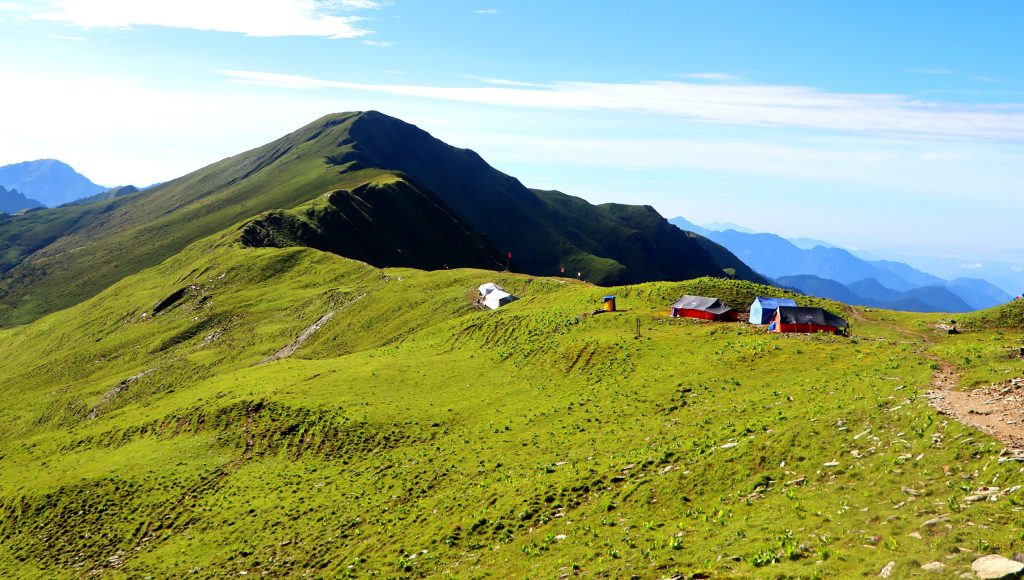
Off the usual trail, Rukum leads into Chharka, then on toward Dhorpatan – fewer footsteps here. This route unfolds quietly, paths winding where most never go. Solitude waits in the spacing between villages. Adventure slips in through silence rather than spectacle. Travelers who listen closely begin to notice it first.
Flying straight into Dhorpatan? Weather permitting, tiny planes touch down at the seasonal airstrip. Fewer hiking hours open up when skies stay clear. Short trips gain extra ground this way.
Trekking Highlights Across the Trails
Winding paths cut across thick woods, then meet rushing streams before climbing into high mountain clearings.
Opportunities to explore traditional hill villages and interact with local communities.
Framed by distant peaks, wide-open scenes unfold across high trails. From ridge spots, sightlines stretch without break into mountain folds. Lookouts offer open sight toward snow-covered ranges ahead.
Footpaths weave through quiet valleys before climbing into rugged peaks. Some routes stay low, others rise sharply toward open skies. Trails shift underfoot – soft earth gives way to loose stone. Higher ground brings thinner air, longer views. Each step reveals a new surface, a different slope.
Starting from different points gives hikers a way to shape their own path through the wild quiet of Dhorpatan Hunting Reserve. Each trail mixes forest walks with village encounters instead of sticking to one fixed route. Adventure unfolds slowly when footpaths meet local traditions along rushing streams. Nature stays untouched here, revealed only to those who travel on foot across high meadows.
Duration of the Dhorpatan Trek?
Depending on where you begin, the Dhorpatan trek can take anywhere from three to twelve days – or longer – based on your route. How long it lasts changes with each traveler’s plan.
Common Trek Durations:
- Short Trek: 3–5 days (exploring Dhorpatan Valley only)
- Standard Trek: 7–10 days (including travel and exploration)
Wander deeper when paths merge beyond two weeks. Link up routes through Dolpo or step into Rukum’s quiet reach. Time stretches where trails do. Longer arcs unfold by joining distant threads. Journeys grow once connections form past twelve days
A week to nine days feels just right for many who travel. Adventure mixes well with rest on trips this long.
Dhorpatan 3 Day Plan With Longer Choices
3 Day Dhorpatan Itinerary Short Trip
Travel from Pokhara to Burtibang by road then walk to Dhorpatan
Day Two Dhorpatan Valley Wildlife Hikes
Day 3 Back to Burtibang Drive
Few minutes? This fits right into your day.
7 Day Standard Itinerary
Drive Kathmandu to Baglung Day One
Day Two Travel to Burtibang
day three trek toward dhorpatan valley
Day 4: Explore valley and surrounding hills
Day Five Hike To Local Lookouts
Day 6 Trek Back to Burtibang
Return to Pokhara or Kathmandu on Day Seven
Extended 10 to 12 Day Trek
Piercing through distant valleys, journeys unfold beyond common trails. High mountain gates open to paths less traveled. Villages humming with tradition appear after long climbs. Instead of sticking to roads, routes twist into quiet corners of the land.
Travel routes to Dhorpatan from Kathmandu and Pokhara
Getting to Dhorpatan from Kathmandu means riding then walking. Instead of one long stretch, most people go by bus or jeep to Baglung first – around 8 to 10 hours on bumpy roads. After that, another ride heads toward Burtibang, taking close to 6 or 8 hours more. Once at Burtibang, feet take over; it’s roughly a day or two on trail before reaching Dhorpatan. Since parts of the path shake vehicles hard, choosing a four-wheel-drive helps stay steady. Bumps, drops, and loose gravel make smoother cars struggle, so tougher ones handle better.
Finding your way from Pokhara? The path takes less time, feels simpler. Out of the city, you roll toward Baglung – three or four hours on bumpy roads. From there, six to seven hours crawl up into Burtibang, tires gripping steep turns. After that, boots hit trail, heading for Dhorpatan. Most people walking these parts pick this road, drawn by open gates and views slicing across hills, rivers, shadowed valleys.
Dhorpatan Trek Cost 2026
A Dhorpatan trek’s price shifts based on how long you go, what’s part of the deal, plus who else is coming along. Spending less? Expect to pay somewhere around three hundred to five hundred dollars. Most people land in the six hundred to one thousand dollar zone when they book something regular. If sleeping cozy or having full guidance matters, set aside twelve hundred bucks minimum – maybe way more. What you get often includes entry papers, places to sleep, someone showing the way, food each day – though every plan tweaks these bits differently.
Cost Includes:
- Transportation
- Accommodation (teahouses/basic lodges)
- Food
- Guide/porter (optional but recommended)
- Permits
Permits Required
Beginning at either Kathmandu or Pokhara, it is necessary to secure both a Dhorpatan Hunting Reserve Permit and a TIMS card prior to arrival. While traveling through Nepal, visitors often pick up these documents ahead of time so delays do not occur later. Because processing happens locally, everything tends to move quicker once plans are set. Getting them early means less waiting when stepping into the protected area.
Dhorpatan Trek Highlights
- Explore Nepal’s only hunting reserve
- Among rocky slopes, you might glimpse blue sheep. High up where the air thins, Himalayan tahr move silently across cliffs. These animals blend into gray stone, appearing only when least expected
- Footsteps echo under canopies where few have passed. Trails wind beyond the reach of roads. Trees stand tall between silent slopes. Paths fade into green shadows ahead
- Experience authentic Himalayan village life
- Enjoy peaceful, crowd-free trekking routes
- Stunning views of Dhaulagiri range
Animals in Dhorpatan Hunting Reserve
Dhorpatan Hunting Reserve holds life in thick layers, where over thirty kinds of mammals find shelter alongside countless bird forms. Through jagged slopes and high grasslands, creatures like bharal pick their way carefully, stepping beside tahr and shy musk deer. Leopards move without sound across rocky outcrops, while wild boars root through underbrush far below. Cameras often wait quietly here, drawn by motion only the wind seems to notice first.
Far beyond just mammals, the area sings with wings – feathered residents dart through forest canopies, glide above rushing rivers, settle into alpine meadows. Along winding paths, travelers catch sudden flashes of bright plumage tucked among branches or lifting into open sky. Each sighting sharpens the rhythm of the walk, weaving wonder into every uphill step across Dhorpatan’s terrain. Timing shifts everything here – the clearest days unfold between late autumn light and early spring calm
Come March through May, Dhorpatan wakes up in color – that’s when rhododendrons spill across hillsides, painting the trails bright red and pink. Mild days let travelers walk long hours without sweating too much under heavy packs. Animals stir after cold months; you might see blue sheep picking edges of cliffs where few dare step. Birdsong fills clear mornings, louder now that winter silence has lifted. September arrives with crisp air, another opening for those who love still lakes reflecting untouched forests. Autumn light falls sharp here, perfect for photos that need no editing later. Wildlife stays active into November, giving chances to catch musk deer slipping between shadows. Treks feel easier when skies stay steady, neither dumping rain nor burning skin. By late fall, fewer people wander these paths, leaving space only for quiet footsteps and sudden glimpses of Himalayan tahr on rocky slopes. Each season opens different doors, yet both share one truth – nature shows itself fully when weather behaves.
Clear skies show up when autumn arrives. Crisp air fills the space between mountain ridges. Trails stay firm underfoot thanks to steady weather patterns. Hikers find paths across grassy slopes more reachable now. Forested valleys open up without mud slowing movement. Rolling hills become easier to cross on foot. Villages come alive with people gathering crops. Farming tasks unfold in daylight hours. Cultural routines play out in quiet settlements. Spring shares similar advantages for outdoor travel. Rain rarely interrupts plans at these times. Monsoon storms dump water nonstop elsewhere. Wet ground turns routes slick and risky then. Leeches appear in damp places during those weeks. Winter locks higher zones under thick snow cover. Cold bites hard after sunset in icy stretches. Movement slows down due to frozen terrain. Comfortable walking happens mostly in shoulder seasons. Wildlife moves freely through untouched areas. Trees stand tall around silent clearings. Scenery holds a stillness that lingers beyond memory. Peaks frame distant horizons sharply against blue. Breath feels light yet full in cool breezes. Moments stretch longer when nature stays calm.
Dhorpatan Valley Hike
Peaceful steps mark the start here, where Dhorpatan Valley unfolds with just enough climb to keep things interesting. Seasoned walkers find their rhythm alongside those wanting softer trails under mountain skies. Instead of sharp climbs, paths drift across open fields, low slopes appear, quiet spaces stretch ahead. Trees give way to streams cutting through rock, green pockets hide behind bends. Meadows unfold slowly, wide and bright, framed by peaks that catch morning light first. Pictures come easily when every turn holds something solid, real, worth remembering later.
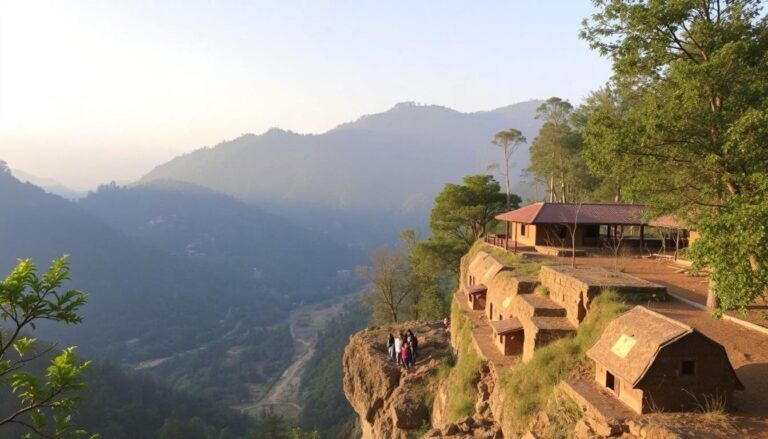
Footsteps lead past village homes built long ago, where people still grow crops like their ancestors did. Meeting them gives visitors a glimpse into daily routines unchanged by time, while shared meals bring flavors of home-cooked Nepali dishes. River paths must be crossed now and then, making each step feel just a little more daring. Under tree canopies, cool air wraps around hikers when sunlight burns overhead. Animals move quietly through brush – musk deer freeze mid-step, blue sheep balance on ridges, birds call from high branches – all part of what makes the land breathe with life.
Out here, where silence wraps around the hills, Dhorpatan draws those who love quiet forests and open skies – photographers, wanderers, anyone seeking wild spaces untouched by noise. Trails unfold slowly beneath your feet, giving more than scenery: stillness settles in when city sounds fade behind pine-scented winds. Far from busy paths, each step brings crisp breezes, wide meadows bathed in light, moments so hushed they linger long after you leave. Pictures stretch across valleys, yes – but what sticks is how alone you feel under vast ridges, breathing deeply without another soul nearby. This place does not shout; it whispers through moss-covered rocks and distant deer tracks, leaving visitors changed in ways hard to name.
What To Know Before Going To Dhorpatan?
- Hire a local guide for navigation
- Few places out there have machines that give money – bring enough notes before heading off
- When nighttime comes, bring layers – cold air settles fast. A jacket helps once the sun goes down. Nights turn chilly without warning here. Long sleeves make sense after dark. The warmth fades quickly when daylight ends
- Respect local culture and wildlife
- Prepare for limited connectivity
Dhorpatan Trek for 2026?
Come 2026, Dhorpatan quietly shines among Nepal’s hidden gems – raw, real, untouched by the usual rush. Not chasing crowds, but drawn to meaning, people now lean toward places where travel feels true, alive. Its open spaces unfold slowly: green hills, thick woods, peaks cutting into sky – one breath after another. Fewer boots on ground means silence returns, mornings begin without noise, just wind and distant bird call. While others line up for famous paths, some find their way here, where each turn holds space for thought. Walking these slopes brings closeness – not forced, not framed – but earned with every uphill stride. This is not about ticking boxes; it happens when mist lifts above a valley nobody named yet. Distance from paved plans makes room for surprise, for moments that stick without trying. Paths wind through terrain that remembers seasons, shaped by animals, weather, time moving slow. What shows up here isn’t sold, packaged, or repeated – it arrives because someone kept walking.
Wildlife fans find Dhorpatan full of surprises when it comes to animals found only in the Himalayas. Hidden among rocky slopes, musk deer move quietly, while Himalayan tahr climb where few dare. Blue sheep stand out against cliffs, drawing eyes without trying. The mix of life here pulls in those who love untouched nature, especially with a camera in hand. Along forest edges and rushing rivers, bird life thrives in unexpected corners. High meadows echo with calls from species adapted to thin air. Each step on the trail might reveal something never seen before. Moments like these stick long after the journey ends.
Beyond its wild scenery, Dhorpatan opens doors to deep cultural moments when hikers walk among old-rooted villages where people live much like their ancestors did. Through quiet trails, visitors see how mountain families farm, cook, and gather – simple acts that speak volumes about resilience. Meals served on wooden plates bring flavors unchanged by time, shared without hesitation by those who call these slopes home. Moments unfold slowly here: a child waves from a doorway, smoke curls from a stone hearth, sunlight hits slate roofs just right. For photographers, such scenes are everywhere – not staged but lived, forming images that feel true rather than composed. Mountains frame everything, yes – but it is the human rhythm beneath them that lingers longest in memory.
Imagine finding trails where silence still lives – Dhorpatan offers that in 2026, a place untouched by crowds. Adventure slips into every view, yet it’s the absence of noise that stands out. Wildlife moves freely here, just beyond village paths woven with tradition. Photographers discover light falling differently on stone homes and mountain slopes. Culture breathes through daily life, not performances staged for visitors. Because few come, what remains feels real, unshaped for eyes passing through fast. Those who walk further than usual tend to carry moments like these longest. Mountains stay mountains – not attractions, but presences. A journey here changes how you measure value in travel; quiet often weighs heaviest.
Conclusion: Is Dhorpatan Worth It?
A place like this does not come around often – Dhorpatan Hunting Reserve blends rugged journeys, wild animals, and local traditions all at once. If three days are all you have, or if weeks of walking through hills sound right, then stepping into this space pulls you away from crowded spots. Few places stick in memory quite like this one.
Should Everest feel too crowded, try Dhorpatan instead. This hidden corner of Nepal waits past Annapurna’s trails. A quieter path opens where few travelers go. Rugged valleys replace busy routes. Think untouched forests, wide meadows, sharp peaks – no crowds. The journey shifts when familiar names fade behind. What stays? Solitude shaped by altitude and silence.