
Introduction
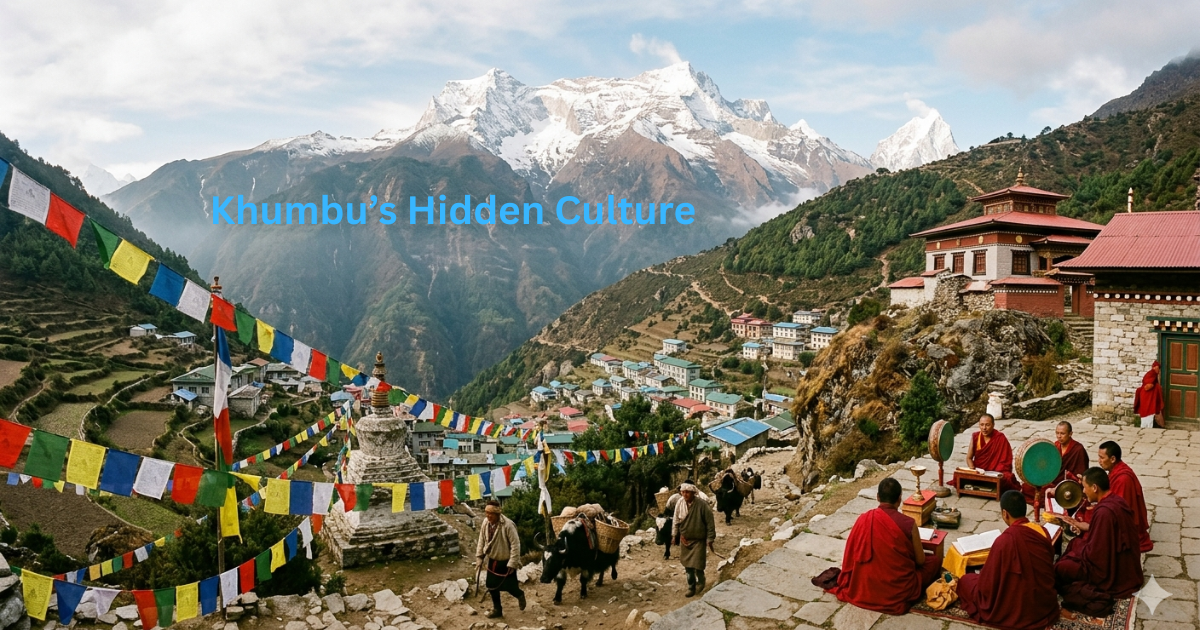
Khumbu’s Hidden Culture Beyond Base Camp region 2026, known worldwide as Earth’s tallest mountain. Though its height draws countless climbers, something deeper tugs at those who come – quiet presence, vast skies, thin air. Starting out usually means reaching Everest Base Camp, where dreams turn sharp and summits fill the mind. Yet beyond rock and ice, life thrives here in ways few expect. Local communities shape the land with stories passed down through generations. Their customs breathe meaning into every trail, stone, and prayer flag fluttering in cold winds. While most look up, some begin to notice what has always been rooted below.
Peeking behind the mountains, there’s a world shaped by quiet beliefs and long stories. Not just rock and ice, but lives built on traditions passed hand to hand through generations. What stands out isn’t only height, but how deeply roots go beneath daily routines. Homes sit high, yet everything feels grounded in something older than stone. Faces carry more than weather; they show time folded into gestures, speech, rhythm. Up here, meaning hides in plain sight – woven into paths, prayers, shared silences.
Khumbu’s Hidden Culture Beyond Base Camp
Most folks imagine Khumbu as wide stretches climbing toward Base Camp, dotted with travelers stepping carefully across stone trails and snowy ground. Yet underneath that view lies something holy. Centuries-deep roots belong to the Sherpa, whose lives tie tightly to every ridge and valley through belief. To them, the peak called Sagarmatha – or Chomolungma – stands beyond rock; she watches, guides, belongs. Not merely climbed, but honored like an elder who breathes with the wind.
High up where the air thins, the Sherpas say Sakya Muni lives among the peaks – a spirit tied to sky and soil alike. Because of this belief, much of what happens there – celebrations, rites, gatherings – carries deep respect for nature’s presence. When Lhosar arrives, marking the turn of the year, or when Mani Rimdu unfolds in color and chant, movement becomes prayer; dancers step in rhythm not only to remember those who came before but also to bow toward unseen powers shaping their world.
Out here, tradition isn’t just for special days. Life moves with quiet reverence woven through each task. Places like Tengboche and Phortse rise among the peaks – stone shelters of faith carved by time. When people pass through Khumbu, many stop awhile, watching robed figures chant at dawn, hands folded, smoke curling from butter lamps. Blessings happen quietly, spoken into scarves tied around necks before someone climbs higher.
Sherpa Life High in the Mountains
Out here among the peaks, it’s not just about climbing that defines the Sherpas. Their name echoes across continents because of unmatched skill on steep slopes, yet there’s more beneath the surface than guiding others through icy trails. Long ago, they came from Tibetan plains, crossing borders when times demanded change. Over hundreds of years, they made homes where air thins and weather bites hard – up in Khumbu’s rugged corners. Life at such heights carved toughness into daily routines: moving goods, tending small plots between rocks, reading snow like a map. Mountains didn’t just surround them; they taught every breath, step, choice.
Stone and wood come together in Sherpa houses, built plain but smart for high-altitude life. Inside these homes, warmth isn’t just from fires – it shows up when families, neighbours, or visiting monks sit down together to eat and talk. Dal bhat fills most plates around Khumbu – lentils and rice that fuel long days of tough work on steep slopes. Yak milk turns into butter or cheese, adding rich bites to daily meals. Sometimes, bowls hold something different: barley mixes or roasted potatoes make quiet appearances now and then.
Most people recognize Sherpas through guiding climbs, yet their deep knowledge includes raising yaks – creatures that give food, warmth, strength. Life among peaks ties closely to these animals, whose presence shapes daily survival. Surviving where air thins and cold bites comes naturally to yaks, making them steady allies above the tree line.
Buddhism in Daily Khumbu Life
Mountains echo with chants passed through generations, coloring how Sherpas see life. Not just prayer flags fluttering – faith shapes daily steps across rocky trails. Tibetan teachings took root here long ago, weaving into stories told beside hearths. Belief travels on wind, carried by spinning wheels carved with mantras. Temples cling to slopes like lichen, quiet keepers of ancient rhythms. Rituals mark births, deaths, seasons – all stitched into one breath-filled view.
Hidden among trails, monasteries stand as quiet centers where people come to pray, learn, or simply be together. Instead of distant figures, monks and lama live close to villagers, sharing wisdom while keeping Tibetan Buddhist ways alive through daily example. Scattered beside paths, flat stones carved with sacred words catch the eye – pilgrims circle these slowly, step by deliberate step, turning movement into devotion without speaking a word.
Life among Sherpas often follows the path of Buddhism, while daily choices reflect the wisdom left by the Buddha. Karma matters here, just as much as kindness does, yet nothing stays fixed under open skies. When grief arrives, when weather turns cruel on high trails, or when new times bring confusion, belief holds steady without needing words.
Khumbu Region Climate
High up near Mount Everest, weather patterns form because of steep land and extreme height. Eastern Nepal holds this area called Khumbu where conditions shift fast across uneven ground. From lower settlements sitting near 3,000 meters to the summit standing tall at 8,848, each step changes the air. Different layers of climate stack through these levels without clear borders between them.
1. Lower Khumbu 3,000 to 3,500 meters
Down in the lower Khumbu area, you’ll find a mild sort of climate. Summers there tend to be on the cooler side, while winters bring real chill – temps swing between 15°C when it’s warm and -5°C once things freeze up. During the rainy stretch from June through September, steady showers roll in, just enough to keep growth going strong below. Lush woods take hold, along with stepped farmlands and all sorts of plants and animals thriving together.
2. Mid-Altitude (3,500–4,500 meters)
High above the lowlands, around Namche Bazaar up to Tengboche, air grows crisper, sharper. Between June and August, daytime warmth stays near 10°C (50°F), sometimes nudging 15°C (59°F). At night, it slips below freezing – down to -5°C (23°F) – when skies clear. Once winter arrives, cold bites harder, reaching -15°C (5°F) without warning. Rain falls less here than down below, yet snow shows up now and then, dusting trails overnight. Trees thin out, replaced by hardy bushes, open fields, clusters of juniper poking through rocky soil. Rhododendrons twist along slopes where pines stand tall against wind. This stretch breathes differently – slower, colder, quieter.
3. High Khumbu 4500 Meters And Above
Winter storms pile up snow where the air bites hardest. Above 4,500 meters, warmth never settles long. Though summer arrives, it brings no heat – temperatures stick near freezing. Nighttime drags colder still, sometimes plunging past minus ten. Wind howls across open ridges, sharpening every gust into a frost blade. Places like Everest Base Camp see little rain, yet snow blankets them often. This frozen buildup shapes land that resists life at every turn.
Best Season on khumbu Region
Autumn September to November
When autumn arrives, many see it as ideal for walking through Khumbu. After the monsoons pass, paths stay free of muck, less chance of landslides or rushing streams. Skies tend to open up, offering steady conditions and sharp sightlines across Everest’s vast skyline. Daytime brings gentle warmth – usually around 10°C to 15°C – but once sun dips, chill sets in fast, more so uphill. For those who move slow, breathe deep, this time gives clarity without storms. When fall arrives, celebrations such as Lhosar – the Sherpa New Year – begin, letting visitors see lively traditions up close. Because skies stay clear and villages come alive, many find this stretch perfect for walking through Khumbu’s trails.
Spring March to May
Morning warmth climbs slow through March and April, bringing soft light across hillsides waking up. Higher valleys hold cool air after sunset, even when days feel gentle on skin. Pink and red flowers burst open along trails where trees cluster thick between slopes. These blossoms drape whole mountainsides like paint spilled wide by hand. Skies stay clean most days, letting peaks stand sharp against blue without haze hiding their edges. Fewer people walk these paths now compared to late fall’s busy routes. Quiet settles deeper into campsites tucked among rocks and roots. Some travelers choose this time just for that hush found under open stars.
Avoiding the Monsoon June to August
Heavy rains make travel risky when skies open up. Trails turn slick after days of downpours. Fog hides paths just when you need them most.
When it comes to trekking in the Khumbu, fall often brings calm skies while spring tends to deliver milder days. Each season stands out in its own way, shaping trips with steady paths and clearer views. Though weather shifts unpredictably, these times consistently provide more predictable patterns. Most travelers find their rhythm here between September and November or March through May. Conditions settle just enough to move steadily across high trails without constant pause.
Hidden Temples Sacred Sites
Everest grabs every eye, yet hidden across the Khumbu are quiet spots most travelers miss. Tucked inside the lively heart of Namche Bazaar stands the Khumbu Yeti Memorial, built in memory of climbers who never came down from Everest. People pause there now and then, though few grasp what it truly means to the local Sherpas. More than stone and name plates, this place speaks of mountain spirits, respect, and how risky climbing really is.
Hidden among the trails, old temples begin to appear – Solu Monastery one moment, then later Kongde comes into view. Pilgrims stop there. Travelers too. A breath taken, thoughts settle, prayers rise under open skies. Though small these sites may seem, inside rest objects held deep in reverence by those who live nearby.

Deep in the high valleys, whispers about a hidden being linger like morning mist among stone shrines. Some think of it as more than fur and footprints – almost like a quiet watcher between peaks. Far above tree line, where trails thin out, elders speak without laughing when they mention tracks too large to ignore. Not everyone climbs just for views; some listen closely after snowfall; ears tuned to silence broken only by wind. In huts near Gorak Shep, tea is poured while voices lower describing shapes seen at dusk. Proof never matters much there – it lives in how eyes widen mid-sentence. Even skeptics pause before dismissing what cold nights might hold.
The Evolving Landscape of Khumbu Where New Meets Old
Out here in the Khumbu, things shift faster than the mountain winds. Visitors pour in, chasing views and bragging rights, which means money flows where it never did before. Though paths used to echo only with prayer flags, now they hum with boots and backpacks from every corner of the planet. Quiet corners? Gone – replaced by lodges, voices, schedules. Life climbs uphill differently these days. Out here, more tourists mean better money for Sherpa homes – though life’s grown trickier too. Young ones now eye guide jobs instead of planting barley or tending yaks, pulled by steady pay from trekkers passing through. Some worry old ways might fade when fewer hands stay on the land. Up high, trails wear thin and waste piles up where silence used to live.

Younger Sherpas Walk a line where ancient ways meet today’s shifts. Even as Buddhist roots hold strong, foreign currents pull at daily life. Ideas drift in through wires and screens, mixing with customs long kept alive. In places such as Namche Bazaar, cell signals and TV dishes dot rooftops once quiet with prayer alone. Old rhythms now share space with digital pulses arriving from afar.
Even so, plenty of Sherpas keep pushing to hold on to their way of life, weaving new times into old ways. Not just keeping Buddhist customs alive but also backing handmade goods and guarding nature shapes what comes next for Khumbu. Waste reduction projects popped up alongside smarter hiking rules, easing some strain tourism puts on the land.
Beyond the Trek Living With the Sherpas
Out here, just stepping foot near Everest Base Camp or catching distant views means missing most of what Khumbu holds. Hidden within the rhythm of daily routines beats the heart of this place. Beyond those crowded trails waits something deeper – lived through the Sherpas who shape every stone path and prayer flag. Seeing it firsthand changes how you understand everything.

Out here, places such as Phortse and Pangboche open doors to personal moments with people – something busier spots like Namche Bazaar rarely give. Life moves differently in these corners, shaped by mornings spent guiding yaks across high meadows, hands learning old recipes for Sherpa meals, or quiet hours inside weathered monastery walls.
Trekking through Khumbu opens doors you do not expect. Talks happen easily when shared warmth fills small homes built into hillsides. Stories rise between sips of thick yellow tea poured from clay pots. Voices tell of icy climbs, past storms, lives shaped by altitude and belief. Monks explain prayers while wind tugs at prayer flags outside wooden windows. Meaning settles slowly, not in grand statements but quiet exchanges. This closeness changes how you see the place long after boots leave snow.
Conclusion
Towering above all else, the Khumbu area draws eyes skyward – Everest standing like a beacon for those chasing summits. Yet fixating only on climbing misses what truly pulses through these valleys. Tucked between steep slopes and rocky trails, another story unfolds – one shaped by prayer flags fluttering at dawn. Life here breathes in rhythm with monastery bells echoing across ridges. High up where air thins, traditions hold strong, passed down through generations who call this harsh beauty home. Not conquest but coexistence marks the spirit of the Sherpa world. Hidden past the well-known paths and sweeping views lies something quieter, older – rooted not in spectacle but in presence. Not just mountains, but keepers; Everest is seen as a guardian spirit watching over those below. Life moves by rhythms shaped over generations, threaded through prayer, work, weather. The Sherpa way does not conquer terrain – it listens to it, walks with it. What lasts here grows slowly, like moss on stone, fed by routine devotion. These patterns hold lessons, though they never announce themselves loudly. Strength isn’t shouted, it’s carried – silently, steadily – in every step.
Still standing strong despite new roads and more visitors each year. Not everything shifts though – prayers rise just like they always have, woven into morning air. Mountains remain close, not only outside but inside too. Change knocks often now, yet old ways find space beside newer rhythms without vanishing. Faith does not shout here – it stays quiet, constant, part of breathing. What survives isn’t frozen; it moves, bends, keeps walking.
Deep inside the Khumbu, moments grow slower when you listen closely. Mountains carve daily rhythms here, shaping how people move, speak, believe. Sacred ground isn’t just beneath their feet – it hums through morning chants, evening fires, silent glances at peaks wreathed in mist. Stories pass like breath from one generation to the next, stitched into woolen cloaks and barley meals. Reaching a summit means something different after knowing these voices. Meaning takes root where altitude thins the air but deepens everything else. Home to high winds and thin air, the Khumbu holds stories beyond rock and ice. Not merely peaks but echoes of shared strength, shaped by prayer, routine, and resilience when storms rise. Seeing it means noticing not only snowcapped vastness but hearts that stay rooted through blizzards. The land breathes with people whose lives shape its silence.