
Introduction
Gokyo vs EBC Trek: Which One’s Right for You? 2026-2027, you’ve no doubt faced the same crossroads that tens of thousands of other trekkers face each year — do you seek the famed Everest Base Camp (EBC), or do you wander a quieter, turquoise-lake studded trail to Gokyo? Both treks begin at the same place — the dramatic airstrip of Lukla — and follow similar routes through the region around the world’s highest mountain peak. From that point, however, the trails offer distinctly different experiences. EBC is the trail that made Nepal trekking famous — leading right up to the site of climbing attempts on Everest, while Gokyo offers a chance to visit glacial lakes, take a more leisurely paced hike and enjoy arguably more dramatic mountain views from the summit of Gokyo Ri.
This guide covers all the basics needed to actually decide a difference between the two options — difficulty and altitude, cost, scenery, crowds, and who they’re best suited for, plus a look at the now more popular option of combining the two.
The Short Answer
If you want to experience the bucket-list worthy base of Mount Everest and walk in the footprints of Hillary and Tenzing, and don’t mind the crowds, choose EBC.
If you want to avoid the crowds, have arguably more spectacular views (four 8,000m peaks visible at once from Gokyo Ri), experience a slightly different high-altitude trek, and want to feel more isolated than you would on EBC, choose Gokyo Lakes.
If you have 15-18 days and the fitness level to spare, consider doing both together via the Cho La Pass — more on that below.
The Long Answer
Route and What You’ll See
Everest Base Camp
The classic EBC trek follows a well established route that takes hikers through the Dudh Koshi and Imja Khola Valleys passing through Phakding, Namche Bazaar, Tengboche, Dingboche and Lobuche on the way to Gorak Shep, the nearest village to Everest Base Camp. From there, most trekkers also opt to climb Kala Patthar (5,545m), a rocky outcrop offering the single best view of the summit of Everest, and a perspective not possible to see from Base Camp itself, as the peak is obscured by the Nuptse shoulder.
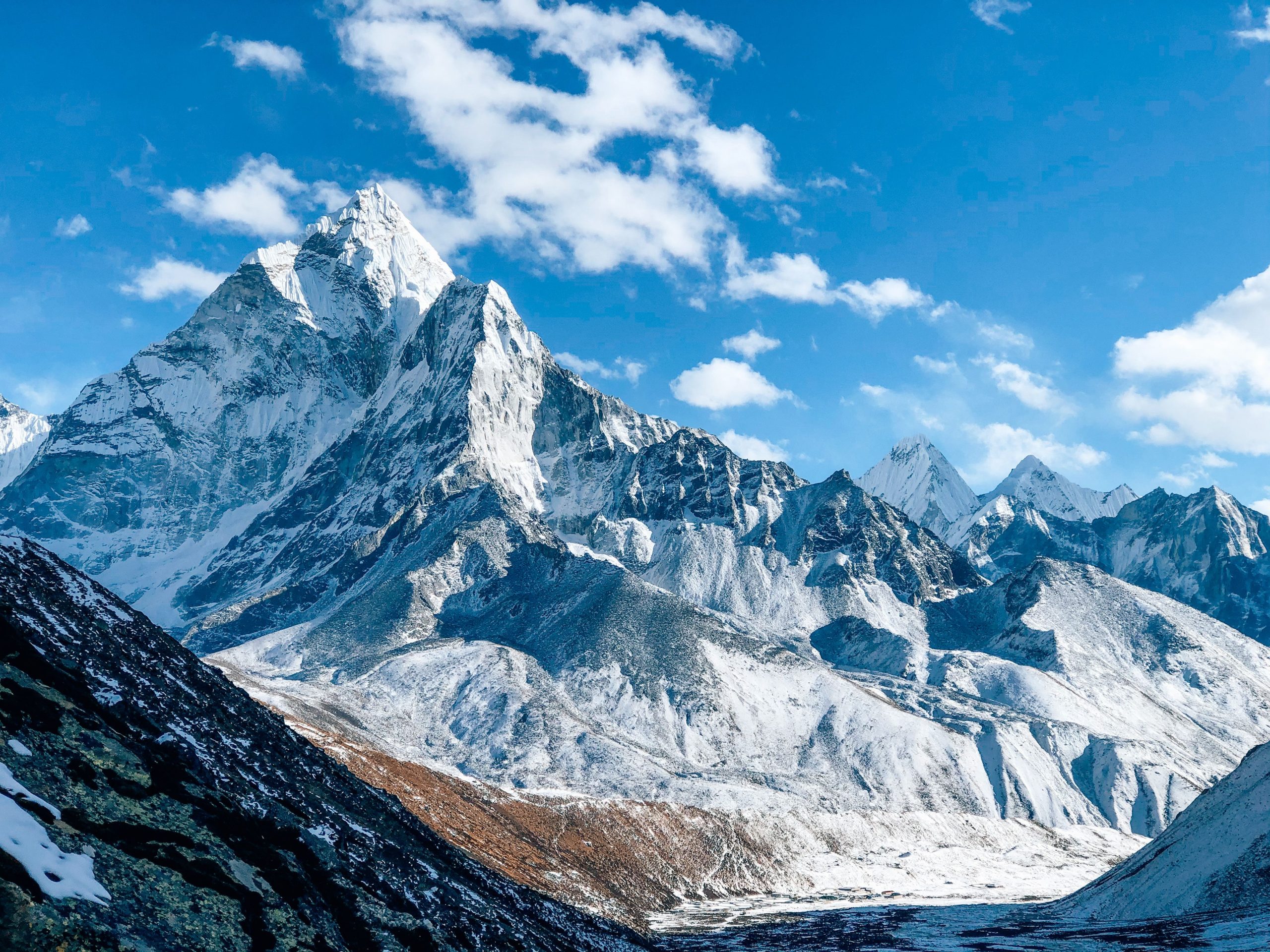
Along the way, you’ll pass the Tengboche Monastery — one of the region’s most important spiritual sites — and pass beneath the Ama Dablam, one of the most beautiful mountains in the world. The trail is well established, well marked, and features a teahouse roughly every hour or two of walking.
Base Camp itself is worth noting as not particularly spectacular, outside of climbing season (roughly April-May), where it’s a fairly desolate expanse of rocks and ice on the Khumbu Glacier, with just a scattering of prayer flags and memorial stones.
Gokyo Lakes
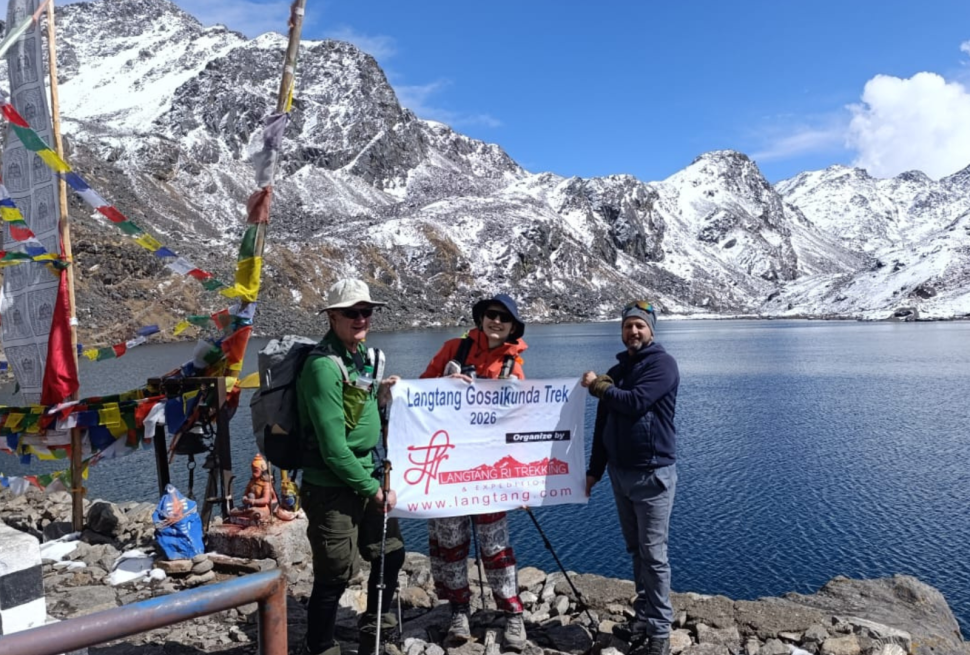
The Gokyo Lakes trek splits off the main EBC trail after Namche Bazaar and heads up the Dudh Koshi valley through Dole, Machhermo and into the Gokyo Valley. Instead of a single peak as a destination, these treks offer a chance to see a series of six glacial lakes, the largest freshwater lake system at that altitude in the world. The third lake, just to the side of Gokyo village, is the most photographed — a sheet of turquoise water nestled against the side of the Cho Oyu, the sixth highest mountain in the world.
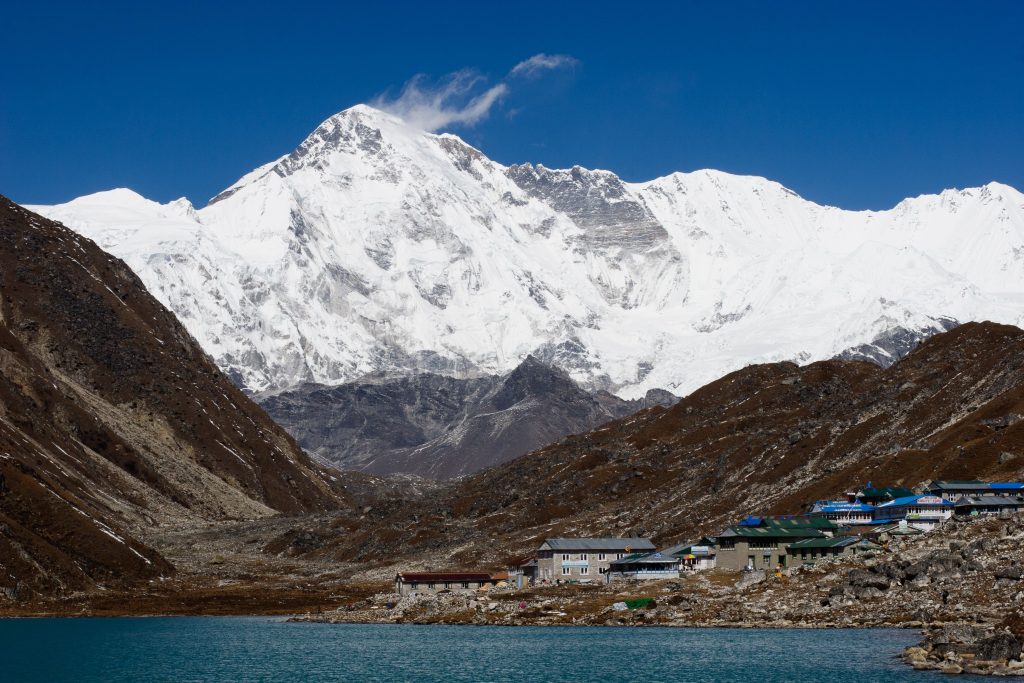
From Gokyo village, trekkers have the option to climb Gokyo Ri (5,357m), a steep but short pre-dawn climb offering one of the most complete mountain panoramas in Nepal, with Everest, Lhotse, Makalu and Cho Oyu all visible from the summit. It’s a popular viewpoint for trekkers and guides, who claim to be able to see a view of Everest’s full profile from Gokyo Ri, and not just the peak, compared with the EBC trail, where the peak is at least partially obscured by the Nuptse shoulder.
The trail also passes by the Ngozumpa Glacier, Nepal’s largest glacier, offering yet another very different kind of scenery to the EBC trail, with glacial moraine and ice pinnacles in addition to the lake views.
The Scenery Verdict: EBC gives you the myth and the milestone. Gokyo offers arguably superior photo opportunities and a more varied landscape — including lakes, glacier, and mountains.
Difficulty and Altitude
This is another area where people are often surprised, as “Base Camp” sounds like the more difficult option, but it isn’t.
The EBC trail climbs to Everest Base Camp (5,364m) and Kala Patthar (5,545m), the highest point most people reach on the EBC trail.
Gokyo’s high point is Gokyo Ri, a 5,357-5,430m peak, comparable to or slightly higher than Kala Patthar, and the Gokyo Lakes themselves sit at 4,700-5,000 metres. So in terms of altitude, the two trails are fairly similar, pushing their hikers and trekkers to above 5,300m.
The difference between the trail comes down to terrain and pacing, as the EBC trail is more heavily trafficked and therefore has slightly gentler, more graded sections in some places, just by virtue of a lot of people walking it. The Gokyo trail has a couple of notably steep push days — particularly the climb from Dole to Machhermo and onward — as well as navigating glacial moraine near the lakes, which is rockier and less even underfoot.
One trek-planning guide offers a simple comparison: “The trek to Gokyo Lake, compared to the Everest Base Camp trek, is of Moderate difficulty with a lesser altitude challenges.” Most operators will rate the Gokyo trek as moderate-to-challenging and the EBC as moderate-to-strenuous, but in reality trekkers who have done both usually describe the fitness level as very similar — five or so hours of walking a day, at altitude, for nearly two weeks.
Neither trek requires technical climbing skills, ropes, or mountaineering equipment. Both are walking treks, not climbing treks, and the only real challenge of altitude, not terrain — the difficulty of getting around the world’s most extreme mountainous landscape.
A practical difference is that Gokyo is usually described as quieter and slightly more gradual in its altitude gains, which some guides claim offer a slight advantage in allowing people to acclimatize more easily.
Duration
A standard EBC trek runs between 12-14 days door to door (Kathmandu to Kathmandu), including two acclimatization days most often built around Namche Bazaar and Dingboche.
A standard Gokyo trek runs 10-12 days, with a total trekking distance of roughly 90 to 110 kilometres round trip from Lukla. Some operators offer shorter 8-day versions for very fit, time-pressed trekkers, but 10-12 days with a day or more rest in Namche is the more common structure.
Gokyo is typically a day or two shorter than EBC, which can be significant if you’re working with a tight vacation window.
Crowds & Atmosphere
This is one of the sharpest differences between the two treks, and a deciding factor for many people.
EBC is, without exaggeration, one of the busiest trekking routes on Earth, during peak season (March-May and September-November). You will share teahouses, dining rooms and trail sections with large numbers of other trekkers, porters, yaks and — increasingly — helicopter traffic overhead. The Namche Bazaar, Tengboche and the final approach to Gorak Shep can feel genuinely crowded at the height of the season.
Gokyo experiences a fraction of the traffic, as the Gokyo trail splits off after Namche, and a much smaller percentage of Khumbu trekkers opt to take that turn. The result is a quieter trail, more personal interactions with guides and lodge owners, and a sense of wilderness compared to EBC.
Cost Comparison
Both treks are priced roughly similarly, since they share the same flights, permit structure and teahouse network, but there are some real differences worth laying out.
Everest Base Camp: Guided package prices vary dramatically by operator tier. A budget independent trek runs roughly $1,000-$1,400, a standard guided package $1,400-$2,500, and a premium guided trek $2,500-$4,000, with luxury versions including a helicopter return running higher still. Most first-time trekkers land in the $1,800-$2,200 range for a comfortable, fully guided 14-day trip covering guide, porter, teahouse lodging, most meals, permits and Lukla flights.
Permit costs for EBC in 2026 total around USD 50 per person — a USD 30 Sagarmatha National Park entry permit and a USD 20 Khumbu Pasang Lhamu Rural Municipality permit. A TIMS card is no longer required for this route.
Gokyo Lakes: Gokyo tends to be slightly cheaper on the budget end. Depending on your options, the Gokyo Lake trek cost ranges from roughly $800 to $1,200 for simpler packages, while fuller-service 12-14 day guided packages land closer to $1,235 to $1,190-$1,450 depending on group size and operator. Permit requirements are the same Sagarmatha National Park entry fee, since Gokyo resides within the same protected area as the EBC route.
Accommodation & Food
Both routes use the same teahouse system that’s made the Khumbu region so accessible to trekkers without camping gear — simple twin rooms, shared bathrooms (Western-style toilets become rare above Namche on both routes), and dining halls heated by a central stove where trekkers gather each evening.
The teahouses in EBC are, on the whole, slightly more developed due to decades of heavy traffic — you’ll find more variety on menus, a few more comforts like hot showers and Wi-Fi (usually paid, and increasingly unreliable above Dingboche), and marginally more competition keeping quality up in bigger villages like Namche and Tengboche.
Teahouses in Gokyo are simpler, especially in the upper villages of Machhermo and Gokyo, but that’s part of the appeal for many trekkers — a more basic and less commercialized version of teahouse life. Both routes serve the same staple menu — dal bhat, noodle soups, momos, porridge, and the ubiquitous garlic soup that guides swear helps with acclimatization.
Best Time to Trek
Both treks share the same two prime windows:
Spring (March-May): Rhododendrons bloom lower down the valley, and this is also Everest climbing season — meaning more activity — and more helicopter traffic — around Base Camp specifically. Gokyo doesn’t see this climbing-season buzz, since it isn’t a staging route for Everest expeditions.
Autumn (September-November): Widely considered the best season for both routes — clear skies, stable weather, and the most reliable mountain views. This is also peak crowd season for EBC.
Both routes are technically possible in winter (December-February) and summer/monsoon (June-August), typically at lower cost, ranging from $1,200 to $2,000 per person, but winter brings serious cold at altitude and monsoon brings cloud cover, rain, and higher risk of flight delays into Lukla. Gokyo’s higher lake-country terrain can also be more exposed to wind in winter than the more sheltered sections of the EBC trail.
Who Should Choose EBC?
- You want the specific, singular achievement of reaching Everest Base Camp, with its associated gravitas and name-recognition value.
- You don’t mind a more crowded trail and a more “packed” itinerary; the EBC trail is well-trodden and busy with trekkers all the same time of year.
- You want the most developed option in terms of tea house availability, connection and infrastructure.
- You want the cultural sightseeing detours, particularly around Tengboche Monastery, and the history of Everest on the trail.
- It’s your first high altitude trek and you’d prefer the most supported and populated route possible, in case things get hairy.
- Who Should Choose Gokyo Lakes
- You want more isolated trails and a more introspective, solitary feel to your trek.
- You want more opportunity for photography and varied scenery, including the beautiful views from Gokyo Ri over the Ngozumpa Glacier and the lake.
- You want… arguably the best mountain view in the world, with a view of four 8,000m peaks from Gokyo Ri.
- You have a limited budget or limited time.
- You’ve already done EBC, or another one of the “big three” treks, and want a variation on a theme.
- The Third Option: Combine Both Via Cho La Pass
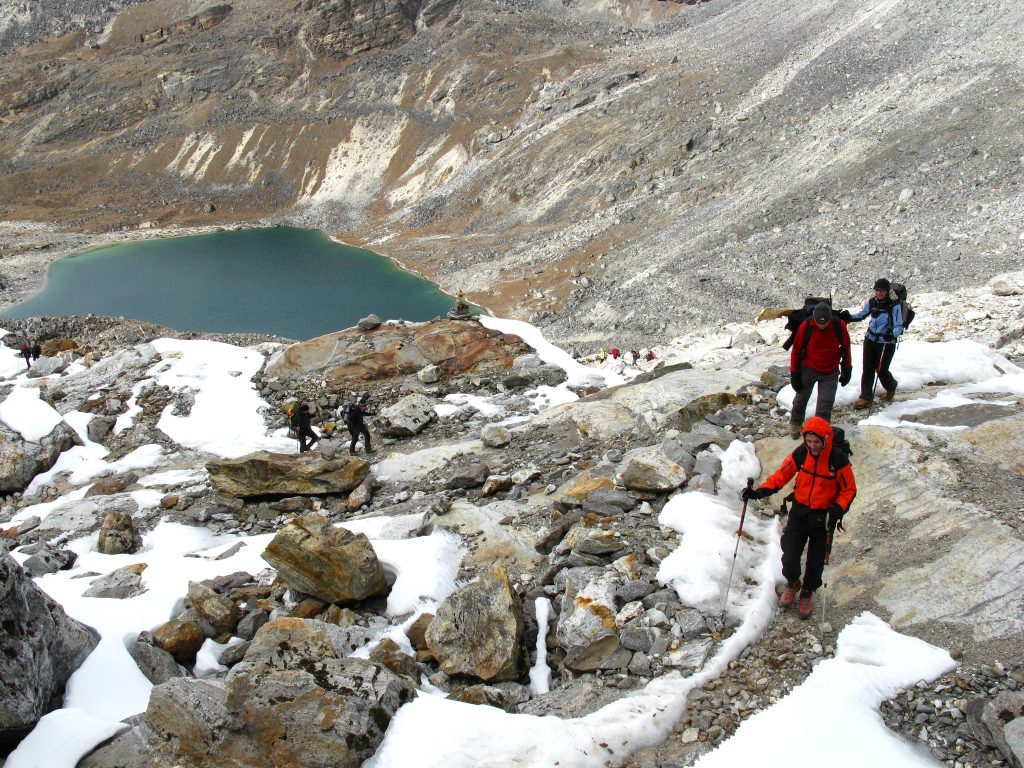
A significant number of people who go on the EBC or Gokyo trek choose to combine the two via the 5,420m Cho La Pass, which connects the Gokyo valley to the EBC trail near Dzongla and Lobuche.
This combined trek is generally 16-18 days, and is significantly more involved than either trek on its own.
Most people opt to do this trek in 16-18 days, allowing for a relatively generous acclimatization window.
The crossing of Cho La Pass itself involves a short glacier crossing, which in turn can involve microspikes and trekking poles depending on conditions, and potentially a guide for safety reasons when the trail is particularly icy.
This is still well within the capabilities of an average, moderately fit trekker without rock climbing experience, but is at the upper end of the difficulty spectrum for either of the separate treks, and is frequently grouped with the “Everest Three Passes” category.
The obvious appeal of the combined trek is that you get the sights and experience of both Gokyo and EBC in one trip, while only doing the high pass crossing once, which provides bragging rights and a nice sense of accomplishment.
If you have the time, energy and fitness for it, it’s frequently recommended by local guides as the best option for seeing the region, without the commitment of a climbing expedition.
Sample Itineraries
Seeing an actual day to day breakdown of each trek will help illustrate the differences even better than worded descriptions.
While some variations are possible depending on your entry point and acclimatization needs, here’s a rough idea of a standard 14 day EBC trek:
Day 1: Fly Kathmandu to Lukla, trek to Phakding
Day 2: Trek Phakding to Namche Bazaar
Day 3: Acclimatization day in Namche Bazaar, side hike to Everest View Hotel or Khumjung
Day 4: Trek Namche Bazaar to Tengboche
Day 5: Trek Tengboche to Dingboche
Day 6: Acclimatization day in Dingboche, side hike to Nangkartshang peak
Day 7: Trek Dingboche to Lobuche
Day 8: Trek Lobuche to Gorak Shep, afternoon hike to Everest Base Camp
Day 9: Early morning Kala Patthar sunrise trek, return to Pheriche in the afternoon
Day 10: Trek Pheriche to Namche Bazaar
Day 11: Trek Namche Bazaar to Lukla
Day 12: Contingency day for weather or flight delays
Day 13: Fly Lukla to Kathmandu
Day 14: Departure
And here’s a sample 12 day Gokyo Lakes trek:
Day 1: Fly Kathmandu to Lukla, trek to Phakding
Day 2: Trek Phakding to Namche Bazaar
Day 3: Acclimatization day in Namche Bazaar
Day 4: Trek Namche Bazaar to Dole
Day 5: Trek Dole to Machhermo
Day 6: Trek Machhermo to Gokyo village, with an afternoon visit to the third lake
Day 7: Early morning Gokyo Ri sunrise hike, with an exploration of the fourth and fifth lakes in the afternoon
Day 8: Return to Dole from Gokyo (or a shortened version of the Gokyo to Dole trek if you’re returning from Phortse)
Day 9: Trek Dole to Namche Bazaar
Day 10: Trek Namche Bazaar to Lukla
Day 11: Contingency day for weather or flight delays
Day 12: Fly Lukla to Kathmandu
Note that the itineraries for EBC and Gokyo don’t really start to differ until day 6; up until that point, both treks follow roughly the same route from Phakding to Namche Bazaar, and both spend a day acclimatizing in Namche. From that point on, however, the EBC trek continues up the main trail towards Tengboche and Dingboche while the Gokyo trek veers off west towards Dole and Machhermo.
Training and Preparations
Because the two treks are of similar length and difficulty, you should follow similar training guidelines no matter which one you choose.
Cardiovascular fitness: You’ll need at least 2-3 months of regular cardiovascular exercise leading up to your trek.
You can do any type of activity you want, as long as it gets your heart rate up and gets you sweating.
If you can mimic the pack weight you’ll be carrying on your trek, that would be ideal.
Lower body strength and endurance: Hiking is incredibly taxing on your legs, and both the Gokyo and EBC trek involve a lot of downhilling and uphill hiking, which is harder on your knees than most people realize.
You should do plenty of squats, lunges, and step-ups to prepare your lower body.
Hikes with elevation gain: If you have access to trails or mountains near where you live, you should do some practice hikes to get yourself used to multi-hour day hikes with a pack.
These should be done back-to-back if you can manage it, since that’s pretty much how trekking is: hiking for five or seven hours a day, every day.
Altitude: Ideally, you should get some experience with high altitude hiking, although it’s not strictly necessary for either of these two treks.
That said, if you’ve been hiking or skiing at elevations above 3,000 meters before, it should make the acclimatization process on your trek easier, since your body already knows how to handle low oxygen environments to a degree.
Neither of the individual treks have a strict fitness minimum, although there are general guidelines that apply to most high altitude trekking.
It’s definitely possible for people in their 60s or 70s to do either trek, and an equally definate possibility for well-prepared teenage hikers. It’s all about consistency; it’s more important to be able to hike for long periods of time at a steady, slow pace than it is to be able to sprint up mountains or hike very far in a single day.
Frequently Asked Questions
Can beginners do either of these treks? Yes, neither of these treks require a technical climbing knowledge or use of ropes etc. All that is needed is a good level of fitness, acclimitisation and a good guide and most first time trekkers will have no problem completing either of the routes.
Is Gokyo really less crowed than EBC, or is that marketing propaganda? It’s true, Gokyo has a far smaller amount of people on the trail compared to EBC (which is the main trail for the region), simply because the EBC trail is the most popular hiking destination in the area, and has the vast majority of the business, while Gokyo’s offshoot from Namche has only a small proportion of that.
Which trek has better mountain views? It depends on what you like, as the views from EBC give you an unparalleled insight into the Everest summit and its pyramidal shape, while Gokyo gives you a wider perspective of the region with four 8,000m peaks visible at once, along with a view of the lake and glacier below, with many people saying that they have better photography opportunities from Gokyo Ri, while many others say that the view from the Kala Patthar summit is something special.
Do I need travel insurance for both treks? Yes, and it’s a good idea that whatever policy you get it specifically mentions trekking above 5,000m and helicopter evacuation, as both of these treks peak above 5,000m, and helicopter rides are the most common form of emergency extraction in the region.
Can I do Gokyo as an extension after EBC, or vice versa, without using the Cho La Pass? Not really, as without using the Cho La pass, to get from one trek to the other involves going all the way back down to Namche (or partway if you are doing EBC first) and then back up the other valley (with the EBC route being steeper). If you really want to do both treks the most efficient way is to use the Cho La pass link, which allows to do both treks without having to retrace your steps too much (and without spending an extra few days in the lowlands for no reason).
Is either trek viable during the winter? Both of these treks are viable year round (with the exception of the peak monsoon season in July and August), as while December to February is cold at night, it’s also the least busy time of year, and a lot cheaper (while a few higher altitude passes will be snowy during this time of year).
Practical Tips regardless of which trek you do
Make sure you leave spares for your Lukla flight, as the weather can and often does cancel Lukla flights in both directions, so leave at least a day, preferably two spares in your itinerary, before your international flight home.
Make sure you leave at least one day for acclimitisation, as both treks go above 5,000m and altitude sickness doesn’t discriminate between trails, and a day spent resting (or in the case of Gokyo, a gentle acclimitisation hike) in Namche Bazaar is the generally recommended practice for both trails, and shouldn’t be rushed.
Make sure your travel insurance covers high altitude trekking and helicopter evacuation, as both treks go above 5,000m and any serious problems would necessitate a helicopter ride out, which most standard travel insurance doesn’t usually cover.
Hiring a licensed guide is a must for Gokyo, while it’s not mandatory (as the EBC trail is well signed), it’s still a good idea to have one, as a guide is always a good idea on trekking holidays, and the EBC trail is much more popular and busy, with less challenging navigation in some places, while the trail for Gokyo is much less busy and has a few areas where a local’s knowledge would be useful.
Layers are always important (especially on cold nights) and warm clothing is a must for both treks. Whatever time of year you go, night time temperatures at altitude can get quite cold, so a good quality sleeping bag and a good down jacket are essential items for either of these treks.
Final Verdict
There’s no wrong choice between the two, as both of these treks will give you an incredible Himalayan walking holiday without requiring too much technical experience.
However, if you had to make a choice between the two:
Do Everest Base Camp if you value the prestige of standing on one of the most popular trekking destinations in the world, or if you want the most well developed trail with the most amenities (and people) along the way, or if you just want to experience the most famous base camp of all.
Do Gokyo Lakes, if you want to experience a more isolated trail with far fewer people on it, with better opportunities to see the local glacial lakes and a different side of the region, and better opportunities for unique mountain panoramas (in the opinion of many guides and repeat trekkers).
And if you have both the time and fitness to do so, the link to Cho La pass allows you to do both treks and see the beauty of both the Gokyo Lakes and the Everest Base Camp and Kala Patthar views in one epic high altitude walking holiday.
Either way, you’ll pass through local Sherpa villages and see the traditional prayer flags and mani walls, all while seeing some of the highest mountains in the world.