
Introduction
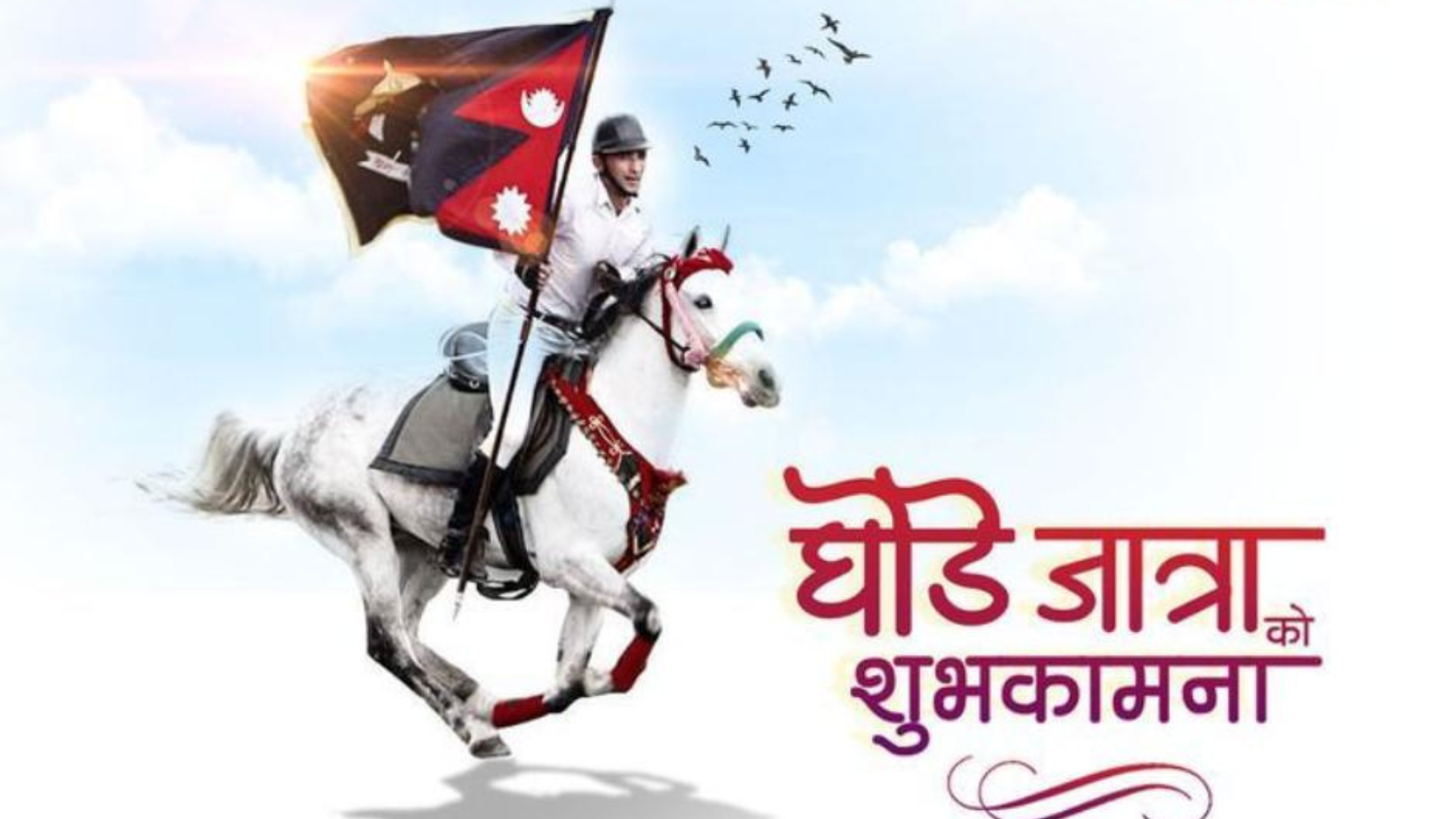
Ghode Jatra Festival Nepal 2026: Complete Guide every year in Kathmandu, crowds gather when horses thunder through the streets under clear spring skies. This event – called Ghode Jatra – carries stories older than stone temples. Warriors on stallions perform sharp drills while drums echo like distant storms. Some say it began to scare away evil spirits long ago. Others link it to royal victories carved into ancient records. What remains certain is how hooves beat rhythm into earth and memory alike. Not merely sport or show, the day hums with belief passed hand to hand across generations. Pride swells quietly in faces watching from rooftops and dusty lanes.
In March or April, when the Nepali calendar hits Chaitra, crowds gather for Ghode Jatra – fascinated by horse parades and deep-rooted tradition. While many Nepalese celebrations center on prayer and ceremony, this one weaves old myths together with bold army displays instead. Locals turn out in large numbers, tourists follow close behind, drawn less by worship and more by spectacle. Ancient stories run through the event like a thread, yet spotlights shine just as brightly on marching soldiers and galloping horses. Not quite ritual, not entirely show – it stands apart because of how time-old faith meets present-day strength.
Origins of Ghode Jatra
A tale begins where shadows once moved across what is now Tundikhel – home to a being called Tundi. This figure, feared beyond measure, stalked the valley long ago. People trembled because his steps brought ruin wherever he went. Stories say his end came through force, not words. Afterward, hooves beat the ground each year in memory. What remains today rises from that old unrest – a festival shaped by dust, rhythm, and recollection.
One day the people came together and ended the demon’s life. Even so, whispers spread that his ghost might come back someday. Because of this fear, they started racing horses right above where he was buried. Hooves pounding the earth were said to keep his soul pinned down. Over time, those rides turned into a festival called Ghode Jatra.
Back then, the festival rose to fame under the Malla rulers, followed by the Shahs who kept its flame alive. Power, order, along with national safety found shape through this gathering. As years passed, soldiers took charge, turning tradition into something vast and deeply rooted.
Cultural and Religious Meaning
Though less focused on rituals than Dashain or Tihar, Ghode Jatra holds quiet sacred weight. Beneath the surface, it speaks to pushing back darkness, keeping harm away from people. When hooves strike earth above the old demon’s resting place, light wins – again. Victory hides in motion, thundering through history.
A horse parade weaves through Kathmandu each spring, tied deep into Newar life. Families come together that day, sharing meals while songs echo off old brick walls. Instead of just eating or resting, some areas light butter lamps before carved wooden masks appear. Men move slowly in those masks, dancing steps passed down generations, honoring gods said to guard the valley.
What stands out most is how the event brings people together, showing shared identity and quiet pride. Not just religious meaning shapes it – military presence adds a layer of order, power, visible resolve. Spirit meets duty here, not in words but in movement, sound, timing. Few celebrations carry that mix so naturally.
Ghode Jatra Festivities Across Locations and Traditions
Held each year at Tundikhel, Ghode Jatra fills the wide-open space in central Kathmandu with energy. Though quiet on most days, this stretch of land has carried crowds, soldiers, and festivals for hundreds of years.
Key Highlights of the Celebration
- From the Nepalese Army come expert riders, showing off precision during fast-paced horse racing events. These performances unfold like moving parades, where discipline meets grace under open skies.
- Unexpected moves fill the air as soldiers flip and spin during routines. Drills unfold like clockwork, each step timed without error. Sudden bursts of motion mark team sequences across open ground.
- A skydiver cuts through air while flags trail behind, catching eyes below. Moments later, a flip midair shifts the crowd’s breath. Bright smoke trails twist downward where jumpers weave paths just above ground level. A sudden pause before landing holds everyone still.
- A crowd of top leaders shows up – among them the nation’s President and head of government – their presence underlining how much the occasion matters to the country.
- Folks show up before sunrise, just to snag a good place to watch. Horses thunder past while laughter rolls through the air. Excitement hums louder every minute. The mood jumps fast once the riders start charging down the field.
The Nepalese Army’s Place in National Affairs
Starting long ago, the army of Nepal stepped into leading Ghode Jatra events. Back then, kings were part of it, so their presence made sense through time.
- Right now, soldiers are involved in ways like these:
- Training horses and riders for the event
- Coordinating large-scale performances
- Ensuring security and crowd management
Demonstrating military strength and preparedness
Crowds watch, drawn by rhythm more than rule. Each movement at Ghode Jatra speaks less of show, more of unity held tight through practice. Sharp turns, timed steps – these come from months shaped by routine. Pride rides along, quiet but clear, stitched into every march. What looks like flair is really focus, built slow.
Differences Between Ghode Jatra and Other Festivals
Nepal is known for its rich festival culture, but Ghode Jatra stands apart in several ways:
| Aspect | Ghode Jatra | Dashain/Tihar |
|---|---|---|
| Focus | Mythology + Military Display | Religious rituals |
| Main Activity | Horse racing and army shows | पूजा (worship) and family gatherings |
| Location | Public grounds like Tundikhel | Homes and temples |
| Symbolism | Victory over evil spirit | Blessings from deities |
Stories and Meanings Behind Horses
Power, speed, protection – these ideas ride alongside horses in Nepali tradition. During Ghode Jatra, hooves thunder not just for show but to scatter unseen fears. Belief has it that galloping mounts can push darkness away. Culture carries these animals high, not on backs alone but in meaning.
Horses moving across the earth above Tundi’s grave carry meaning. Walking hooves there speak without words. Over that soil, each step echoes something deeper. Where they tread holds more than dust. Their passage marks a quiet remembrance. Beneath their feet, memory stays awake
- Crushing negativity and evil forces
- Protecting the community from harm
Celebrating strength and courage
This ritual means Ghode Jatra isn’t merely something you watch – its roots run through stories older than memory. While crowds gather, it’s the silence between beats that holds weight. Because of how horses move, belief moves too. Yet beneath hooves, history stays alert. Not only does noise fill the sky, but old promises echo underneath. Though brief, the event stretches far beyond its hours. Since people return each year, meaning builds quietly. Behind every rider runs generations.
Ghode Jatra and the Newar Way
A different rhythm marks Ghode Jatra for the Newar people, rooted deep in Kathmandu Valley. Though crowds gather at Tundikhel for the central show, local areas stir with their own quieter happenings. Each lane seems to hum with something made by hand, shaped by time. These pockets of activity skip grand displays, choosing closeness instead.
These may include:
- Traditional feasts with local delicacies
- Focused on spirits tied to place. Worship shaped by region. Customs honored earth gods. Practices followed village beliefs. Offerings made at sacred sites
- Masked dances and processions
- Community gatherings and celebrations
Festivals once meant to scare off unseen dangers now see crowds shouting, clapping – noise filling the air where silence used to rule. Loud moments rise when drums beat at dusk, echoing old warnings through laughter and rhythm instead of fear. Some villages still light torches, their flames dancing as voices swell into the night sky without asking permission. Tradition moves differently here: sound becomes shield, celebration a kind of protection passed down by doing rather than explaining.
When Ghode Jatra Happens?
Held when the moon decides, Ghode Jatra shows up each year in March or maybe April. Since the timing shifts, a glance at Nepal’s traditional calendar helps sort out the right day.
Travel Tips:
Early arrival at Tundikhel helps secure a clear view. Standing near the front means less shifting later. The space fills quickly, so showing up ahead makes sense. Closer positions disappear fast when crowds gather. Getting there before others leaves more choices open
- A few hours might pass before things wrap up. Bring something to drink along with food. Staying fueled matters when time stretches on
- Dress in clothes that feel good on your skin while stepping outside. Hats or sunscreen help when daylight lingers overhead
- When in doubt, watch how locals behave – safety often follows their lead. Following rules isn’t about fear, it’s about awareness showing up on time
Tourism Meets Ghode Jatra
A visit to Nepal might lead you straight into Ghode Jatra, where old customs move alongside today’s city life. Instead of mountain trails under icy peaks, think crowds gathering in open fields near homes and shops. Horses thunder across dusty ground while music spills from loudspeakers tied to poles. You’ll see prayer flags fluttering above food stalls selling steaming snacks. This isn’t about climbing high – it’s feet on flat earth, watching rituals shift with time. Festive energy hums through streets usually filled with traffic and chatter.
Tourists can:
- Right now, soldiers show drills in real time
- Learn about local myths and traditions
- Experience the festive atmosphere of Kathmandu
- Capture stunning photographs of horses and performances
Starting your day at Ghode Jatra, then slipping into temple courtyards after, pulls you deep into Kathmandu’s rhythm. Wandering through heritage spots later keeps the energy alive. Markets hum afterward, stitching everything together without trying too hard.
Photography Opportunities
Flying hooves kick up dust under bright skies, making every frame feel alive. When the riders charge forward in vivid dress, cameras find their moment without trying.
Tips for Photography:
- Freeze movement by setting the shutter quick. Snap action sharply when timing cuts short. A swift click locks what flies past. Speedy exposure holds running moments still. Quick release stops blur in its track
- Position yourself strategically for clear views
- Capture candid moments of the crowd
- Focus on details like horse decorations and rider expressions
Changing Traditions of Ghode Jatra
These days, Ghode Jatra still holds its original spirit, yet shifts have slipped in quietly. Aerial shows appear now, where once only horses paced below. Training feels sharper, shaped by newer methods arriving slowly. Seating lines up neatly, planned instead of random. What was loose and open now carries structure, without losing its pulse.
Nowhere else do old customs blend so smoothly into current events like they do during Ghode Jatra. Still pulling in young crowds, it holds tight to its past without slowing down.
Challenges and Preservation
Facing change today, Ghode Jatra deals with pressures common to age-old customs. While cities grow busier, space for large gatherings shrinks slowly. New generations show less interest, drawn toward different ways of life. Still, efforts continue quietly behind the scenes. Without fanfare, some work to keep the festival visible. Even so, shifting priorities reshape how it lives in daily memory
- Urbanization reducing open spaces
- Changing lifestyles affecting traditional practices
- Need for better crowd management and infrastructure
- Folks pitch in when officials back the event, pushing visits while locals keep traditions alive. Though funding helps, real care comes from those who show up every year without fail.
Why Ghode Jatra Still Resonates?
Horse racing season isn’t merely celebration – deep roots grow through Nepal’s steady strength, shared bonds, layered heritage. Echoes of past rise when crowds gather, old rhythms pulse alongside modern life, quiet pride swells without words needing said.
Festivals such as Ghode Jatra hold steady when everything else shifts, keeping culture alive through time. These moments hand down ways of life before they fade, linking one age to the next without force or fanfare.
Conclusion
Horse racing thunders across Tundikhel under open skies while stories older than memory stir below. Once upon a time, it’s said, a beast named Tundi haunted the land until buried beneath pounding hooves. Now each year crowds gather not just for speed but for echoes of that old tale rising with dust. This event does more than entertain – ritual pulses through every stride and cheer. Tradition here wears boots instead of robes, galloping forward without looking back.
A horse parade thunders through the city while crowds cheer under open skies. For those born here, it feels like home breathing deep; visitors feel the pulse just the same. Power shows in every gallop, yes, yet also in how people stand together. Darkness fades when drums roll loud, tradition proving its grip never loosens. Each year writes the story again – not old, but alive.
Spring travelers heading toward Kathmandu might stumble upon something loud, bright, alive – Ghode Jatra. More than crowds and horses galloping through open fields, it carries old echoes, whispered histories passed down through generations. This gathering breathes energy into stone streets, turning ordinary days into moments thick with meaning. Not spectacle alone, but memory moving fast beneath hooves, connecting now with what came long before.