
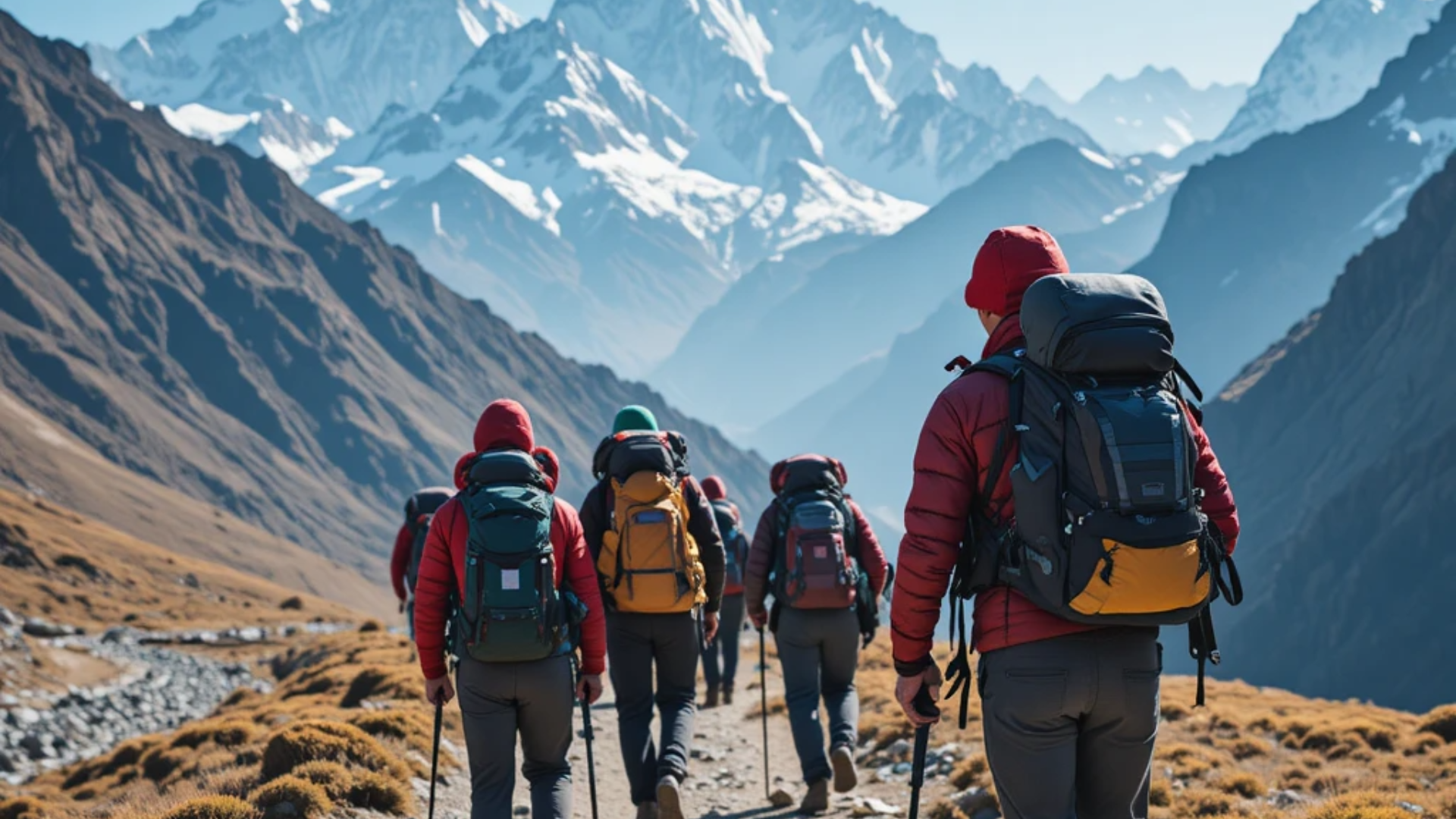
April is widely regarded as the golden month for trekking in Nepal, and anyone who has spent time in the Himalayas during this period understands why. Sitting in the heart of the spring trekking season, April offers an exceptional balance of stable weather, comfortable temperatures, and breathtaking natural beauty that transforms the mountains into a vibrant landscape. As winter snow slowly melts from the higher passes, the valleys and forests awaken with color and life. Hillsides burst into bloom with rhododendrons—Nepal’s national flower—painting entire slopes in shades of red, pink, and white. Trails that were quiet and snow-covered during winter become lively again with trekkers, guides, and yak caravans moving between villages. The air is crisp and clear in the mornings, the views of the Himalayas are often spectacular, and the conditions are ideal for both beginners and experienced trekkers. In recent years, Nepal has also invested in improving trekking infrastructure, especially in major regions like the Annapurna and Everest areas. By 2026, many tea houses offer better internet connectivity, improved sanitation, and stronger sustainability practices such as waste management systems on the trails. This means travelers can enjoy the raw beauty and spiritual calm of the mountains while still benefiting from modest modern comforts.
Weather conditions in April are one of the biggest reasons trekkers choose this month. The climate tends to be stable compared to the unpredictable winter and the approaching monsoon season. At lower elevations between 1,000 and 2,500 meters, daytime temperatures are usually warm and pleasant, ranging from around 20°C to 25°C, with cooler evenings around 10°C to 12°C. These lower hills feel lush and green, with terraced fields and forests full of spring flowers. As you move higher into the mid-mountain regions between 2,500 and 4,000 meters, the temperatures become cooler and perfect for long days of hiking, typically between 12°C and 18°C during the day and dropping to around 2°C to 5°C at night. The forests in these areas are especially beautiful in April, filled with blooming rhododendrons and clear mountain air. At higher alpine altitudes above 4,000 meters, daytime temperatures range between 5°C and 10°C, while nights can drop to -5°C or even -10°C. Although the nights are cold, the days are often bright and sunny with spectacular visibility. Mornings in April are usually crystal clear from early sunrise until early afternoon, making it the perfect time for trekking and photography. As the day progresses, clouds often build in the late afternoon, sometimes bringing light rain in the lower valleys or light snowfall in the high alpine zones. This pattern is typical for spring and usually clears by evening. Toward the end of April, some haze may begin appearing in the lower valleys due to rising heat and dust, but the higher ridges and viewpoints generally remain clear with dramatic Himalayan panoramas.
When it comes to choosing the best trek for April, Nepal offers a wide range of options suited to different fitness levels, timeframes, and preferences for crowd levels. One of the most iconic treks in the world is the Everest Base Camp trek, located in the Sagarmatha region. This journey usually takes around 12 to 14 days and reaches a maximum altitude of 5,545 meters at Kala Patthar. It is considered challenging due to the altitude and long trekking days, but April makes the experience especially unique. During this month, Everest Base Camp transforms into a temporary city filled with colorful expedition tents as climbers prepare for summit attempts on Mount Everest. Trekking through the Khumbu region during this period means sharing the trail with Sherpa teams, mountaineers, and expedition support caravans carrying supplies toward base camp. The energy in the region is vibrant, and many trekkers find it inspiring to witness preparations for one of the world’s greatest climbing challenges.
Another extremely popular spring trek is the Annapurna Base Camp trek, often chosen by photographers and nature lovers. Typically completed in seven to ten days, this moderate trek leads to a maximum altitude of around 4,130 meters. Unlike the Everest route, which is dominated by rocky alpine terrain, the Annapurna Base Camp trail passes through lush forests, terraced farmland, and traditional Gurung villages. In April, the rhododendron forests between Tadapani and Chomrong become particularly stunning, forming colorful tunnels of flowers along the trail. When trekkers finally reach the Annapurna Sanctuary, they find themselves surrounded by towering Himalayan peaks in a dramatic natural amphitheater. The relatively moderate altitude combined with warmer spring temperatures makes this trek especially comfortable during April.
For those seeking a more adventurous challenge, the Annapurna Circuit remains one of Nepal’s most diverse trekking experiences. This trek usually takes between 12 and 18 days and crosses Thorong La Pass at an elevation of 5,416 meters, one of the highest trekking passes in the world. By April, much of the heavy winter snow on the pass has settled or melted, making it safer and more accessible than earlier in the year. The circuit is famous for its incredible geographic diversity. Trekkers start in lush subtropical valleys and gradually ascend into alpine landscapes before crossing into the dry, desert-like region of Mustang on the northern side of the Annapurna range. This dramatic change in scenery is one of the reasons the Annapurna Circuit remains a favorite among experienced trekkers.
Travelers looking for a quieter alternative may prefer the Manaslu Circuit trek. This route typically takes about 14 to 16 days and reaches an altitude of 5,160 meters at Larkya La Pass. Because the region requires special restricted area permits, the number of trekkers is limited, which helps preserve its authentic atmosphere. Villages like Samagaon and Samdo showcase a strong Tibetan cultural influence, and many traditions here remain largely unchanged by tourism. In April, the views from Larkya La Pass are especially beautiful, with snow-covered peaks stretching across the horizon and far fewer crowds compared to more famous routes.
For trekkers with limited time, the Langtang Valley trek offers an excellent option close to Kathmandu. Usually completed within seven to eight days, this moderate trek reaches around 4,984 meters at Tserko Ri, a spectacular viewpoint overlooking the Langtang range. The valley is often called the “Valley of Glaciers” because of the many ice formations visible from the trail. April brings clear skies and vibrant mountain scenery, making the hike to Tserko Ri at sunrise one of the most rewarding experiences in the region. Trekkers can also visit Kyanjin Gompa, a beautiful monastery village known for its traditional yak cheese factory and stunning views of Langtang Lirung.
Trekking in April also offers cultural experiences beyond the mountains themselves. The Nepali New Year festival, known as Bisket Jatra, usually falls in mid-April and is celebrated with lively chariot festivals and street celebrations, particularly in the historic city of Bhaktapur. In the Everest region, visitors may witness traditional Sherpa puja ceremonies in monasteries such as Tengboche, where monks perform rituals to bless climbers and pray for safe expeditions. Nature lovers will also appreciate April’s rich biodiversity. The forests are alive with birds and wildlife, including the colorful Himalayan monal, locally known as the Danphe, which is Nepal’s national bird.
Packing for an April trek requires careful preparation because the temperatures vary dramatically between day and night. The most effective approach is to use a layering system that allows trekkers to adjust clothing based on changing conditions. Moisture-wicking base layers made from materials such as merino wool help regulate body temperature and keep sweat away from the skin. A lightweight fleece or insulating mid-layer provides warmth during cooler sections of the hike, while a high-quality down jacket rated for temperatures around -10°C is essential for evenings at higher elevations. A waterproof and windproof outer shell protects against sudden weather changes. Comfortable trekking pants, ideally convertible ones that can turn into shorts, are useful at lower elevations where daytime temperatures can feel quite warm. Good footwear is equally important. Waterproof trekking boots with ankle support should be well broken-in before the trek to avoid blisters. Wool hiking socks combined with thin liner socks help manage moisture and improve comfort during long walking days. Many trekkers also carry lightweight sandals or slip-on shoes to wear inside tea houses after removing their boots.
Other essential gear includes a sleeping bag rated to at least -15°C, even though most tea houses provide blankets. High-altitude sunlight can be intense, so strong sun protection is vital. Trekkers should bring SPF 50 sunscreen, lip balm, and polarized sunglasses to protect against snow glare. Because plastic waste is a growing environmental concern in the Himalayas, many trekkers carry water purification systems such as Steripen devices or purification tablets so they can refill bottles safely instead of buying disposable plastic bottles along the trail.
Physical preparation is also important for anyone planning a Himalayan trek. Ideally, training should begin at least three months before departure. Cardio activities such as hiking, cycling, or stair climbing help build endurance for long days on the trail. Strength training focusing on legs and core muscles—such as squats and lunges—can greatly improve trekking performance and reduce fatigue. Equally important is mental preparation. Trekking at altitude is not about speed but about maintaining a steady pace and allowing the body time to acclimatize. Many guides encourage trekkers to adopt the phrase “pole pole,” meaning “slowly, slowly,” as the key to success in the mountains.
From a logistical standpoint, trekkers must also consider permits and regulations. Nepal requires various permits depending on the trekking region. Most areas require a Trekkers’ Information Management System card, commonly known as the TIMS card, which helps authorities track trekkers for safety purposes. National park permits are also required for protected areas such as Sagarmatha National Park, the Annapurna Conservation Area, and Langtang National Park. Additionally, regulations introduced in recent years require trekkers in many regions to travel with a licensed guide rather than trekking completely alone. This policy was designed to improve safety and support local employment within mountain communities.
Ultimately, trekking in Nepal during April offers one of the most unforgettable travel experiences on Earth. The combination of clear Himalayan views, blooming forests, welcoming villages, and cultural encounters creates a journey that stimulates every sense. The scent of pine forests, the sound of prayer flags fluttering in mountain winds, and the warmth of Nepali hospitality all become part of the adventure. Whether trekking toward Everest Base Camp, walking through rhododendron forests on the Annapurna trails, exploring the quiet culture of Manaslu, or standing above Langtang Valley at sunrise, April provides the perfect window to experience the Himalayas at their most vibrant and inspiring. For anyone dreaming of exploring the roof of the world, this season represents an extraordinary opportunity to witness Nepal’s mountains, culture, and natural beauty at their very best.