
Introduction
Muktinath Trek Guide 2026: Route, Cost & Best Time- Muktinath – a place some call freedom, others peace. Pilgrims arrive from distant lands, boots crunching on frost-laced paths, drawn not just by faith but by something harder to name. Alongside prayer flags that whisper in gusts, Buddhist monks pass Hindu devotees without words; understanding needs no voice here. Mountains rise like broken teeth around the trail, sharp under sun, soft beneath clouds, shaping every step into meaning. Though cold bites deep and air thins fast, few forget their first glimpse of that golden spire against snow. Not quite religion, not exactly adventure – it walks between them. Moments stretch long when standing before eternal flames fed by mountain gas, untouched by rain or time. Few treks weigh so lightly on earth yet leave such imprint on those who make the climb.
Starting in the hills where mist clings to stone paths, the Muktinath Trek suits those eyeing both movement and meaning in 2026. Through hamlets where time moves slow, it threads past prayer wheels spinning in cold wind. High above tree lines, wide bowls of sky open between Annapurna and Dhaulagiri, peaks standing like old sentinels. Footsteps carry you beyond postcard sights into places lived-in, shaped by altitude and devotion. Pilgrims find stillness near sacred flames; others discover quiet wonder in narrow alleys of centuries-old gompas. With every turn, landscape shifts – rock gives way to meadow, silence breaks into chant. This path does not rush – it unfolds.
Exploring the Muktinath Trek Guide 2026
High above, the Muktinath Trek winds through land tied closely to the famed Annapurna Circuit – ranked among Earth’s top footpaths. Beyond the sky-scraping ridge of Thorong La Pass, sitting at 5,416 meters, comes the arrival into sacred ground by many on foot. Yet there’s another way: trails unfurl from villages like Jomsom or Kagbeni, offering fewer days under pack weight. These briefer paths open gates for those drawn to height without months lost to trail.
Nowhere else do forests give way so fast to rocky wastelands than along this path. High above rushing streams, slopes turn bare and cracked under open skies. Moving forward, views shift without warning – craggy ridges rise where meadows once stood. Villages appear suddenly, clinging to hillside spots with prayer flags fluttering like quiet signals. Among these homes, ancient customs live on through chants at dawn and faded mani walls. Farther ahead, the land opens wide beneath towering peaks that catch evening light longest.
Starting early morning treks, people arrive at Muktinath seeking more than mountain trails – spiritual meaning often follows footprints here. Water pours through ancient spouts while fire burns nonstop near them, showing how earth’s forces coexist strangely well. Immersing under one hundred eight streams is thought to wash away wrongs, opening paths beyond worldly ties. Few places mix nature so deeply with belief.
What Makes the Muktinath Trek Unique?
High up where cold winds move through stone paths, the Muktinath Trek stands apart – not just walking across mountains but carrying prayers along the way. While most trails highlight only views of peaks and valleys, this one holds something older – rituals passed down through generations. Pilgrims arrive each year from villages in Nepal, cities in India, even distant countries drawn by quiet devotion rather than fame or thrill. Though surrounded by snow and silence, the temple at the top pulses with presence, marking a place where faith and footpaths meet.
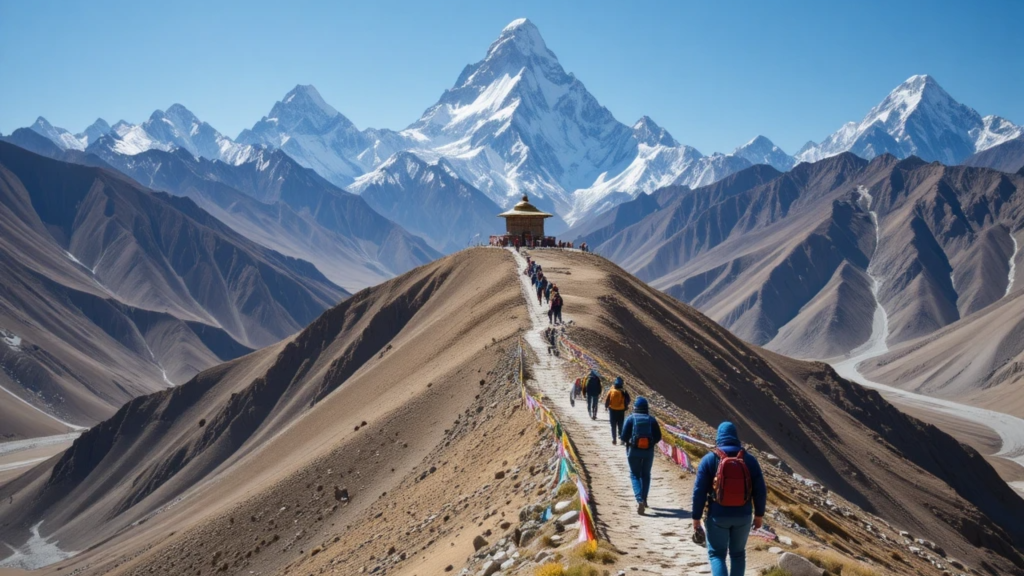
What stands out on the trail is the raw beauty of towering peaks. Along the way, eyes catch Dhaulagiri, then Annapurna I, followed by Nilgiri piercing the horizon. Sky filled with these giants makes every step feel larger than before. What stands out most is the mix of cultures found all along the path. Kagbeni, then Jomsom – each village holds living traces of Thakali and Tibetan ways. Old monasteries sit quietly among homes built from stacked stone. Up high, strips of cloth tied to ropes dance when the air moves, part of rituals long kept alive. Not everyone takes the same path on this journey. A few start with a peaceful plane ride toward Jomsom, whereas some prefer bouncing along in a jeep. Others walk further, arriving after days through Annapurna trails. Because of these choices, newcomers and seasoned walkers find their own way here.
Ways People Travel to Muktinath
Travel options to Muktinath depend on how much time you have, your money, and if you want to hike. Most people start by going from Kathmandu to Pokhara first. After that, they take a plane or bus up to Jomsom. Once there, the path leads on foot through Kagbeni before heading onward. The trail from Jomsom typically passes Kagbeni en route to the temple.
One well-traveled path traces a stretch of the Annapurna Circuit. Beginning in the Marsyangdi Valley, hikers climb slowly past settlements like Manang. After crossing Thorong La Pass, the trail leads down toward Muktinath. Though tougher, it delivers a full taste of Himalayan walking journeys.
Some quick walks suit those who have just a few days. Instead of long hikes, lots of pilgrims ride jeeps from Pokhara or Jomsom straight to Muktinath. Even with less walking, the journey keeps its sacred feel along with sweeping mountain views. Getting there fast does not remove the sense of place found in these high valleys.
Far off the beaten track, Muktinath reveals itself through sweeping views and quiet village life. One way climbs high past rocky ridges, another winds through sunbaked valleys where prayer flags flutter above trails.
Price of trekking to Muktinath Trek Guide 2026: Route, Cost & Best Time
Priced differently based on path, how long it lasts, plus what kind of comfort you pick – the Muktinath Trek shifts in cost. A usual guided trip, give or take, lands between eight hundred and fifteen hundred dollars each traveler. Sleeping spots are covered, along with food while walking, entry papers, moving around, also someone leading the way – most packages hold these bits.
Traveling alone might save money when you book your own rides and places to sleep. Still, getting a guide tends to be wise, particularly if it is your first time exploring Nepal’s trekking trails. From handling directions to sharing insights on traditions and staying safe, having someone experienced along makes a difference.
Permits like the Annapurna Conservation Area Permit (ACAP), along with the Trekkers’ Information Management System (TIMS) card, take up a big part of trek spending. How people get there changes transport prices – some fly, others ride jeeps or board buses.
Teahouses line the path, offering simple rooms where travelers rest each night. Instead of fancy hotels, these spots give warmth without extra fuss. Food shows up on plates like dal bhat, a staple meal eaten daily by most hikers. Noodles appear often, alongside steaming bowls of soup when the air turns sharp. Pancakes – sometimes sweet, sometimes flat – are another common sight at breakfast. Dishes come from both Nepal and Tibet, shaped by mountain traditions. Spending here feels light on wallets, especially next to faraway trails in Europe or South America.
When to Go on the Muktinath Trek?
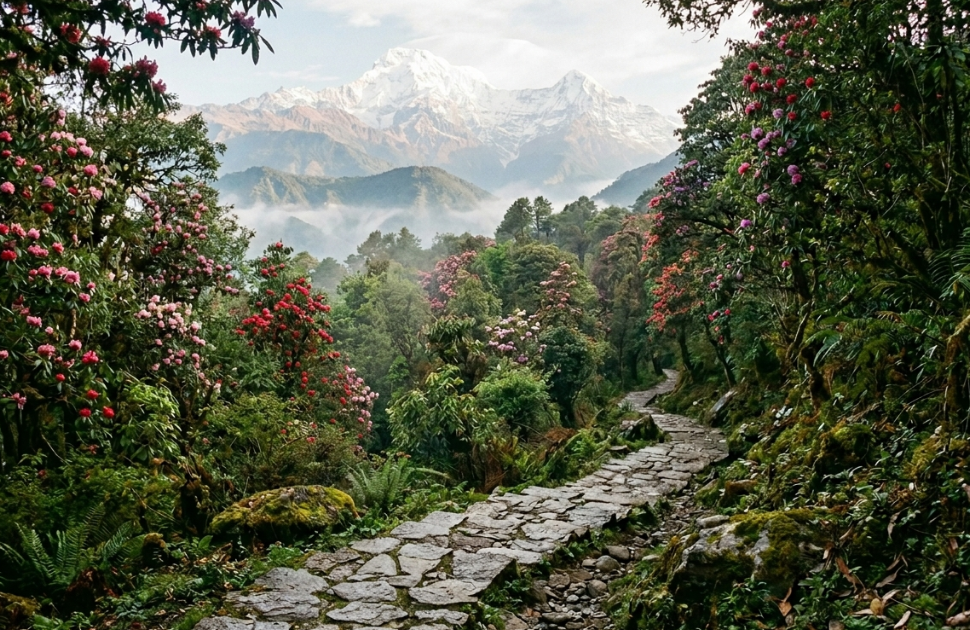
When picking when to go, weather plays a big role in how smooth your trek feels. For Muktinath, most people head out in spring or fall. March through May brings gentle warmth, plus trailsides light up with red and pink rhododendrons down low.
September through November draws crowds of hikers to Nepal’s high paths. Clear skies show off peaks in sharp detail when the air settles after monsoon rains. Trekking routes buzz with footsteps from distant places as people move steadily uphill. Mountain vistas unfold without haze, making every turn a wide open window to jagged heights above treeless ridges.
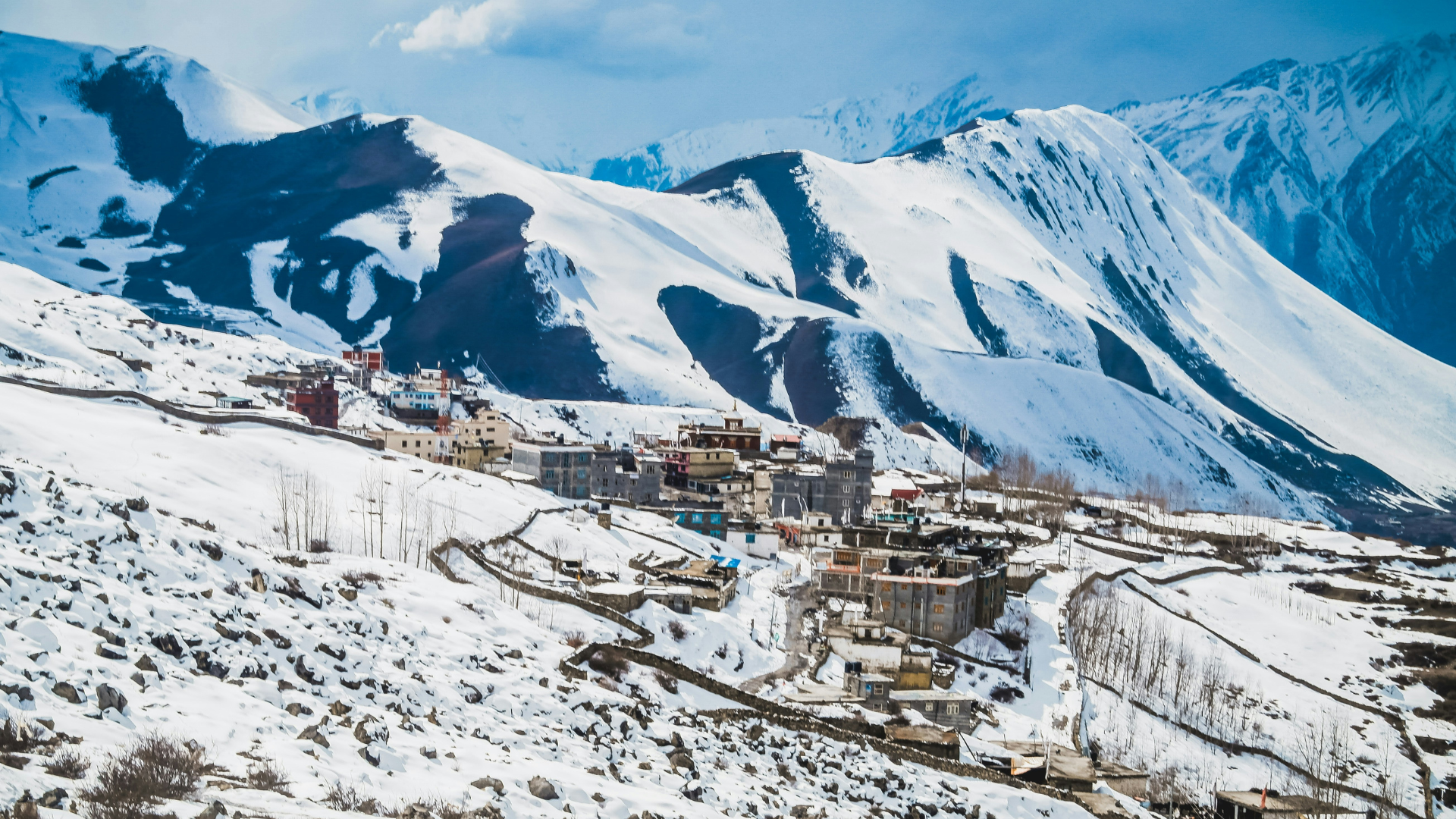
High up, winter walks face snow and freezing air yet still happen. Though harsh, the Mustang area stays drier than most parts of the Himalayas.
Downpours drench much of Nepal between June and August. Yet up high in Upper Mustang, clouds drop little water because mountains block the storms.
Cultural and Religious Meaning
Liberation lives in the name Muktinath – its meaning carved into every stone. For followers of Hindu tradition, this temple breathes presence of Lord Vishnu among a rare few holy sites. Not far beneath that surface, Buddhist devotees also find quiet truth in its grounds. What ties them together isn’t just location but purpose: release from life’s endless turning.
From each of 108 bull-headed spouts, cold water pours without stopping across the temple grounds. Under these streams, visitors take turns washing themselves first, an old custom ahead of stepping inside.
Down the path sits Jwala Mai, a never-dying flame fed by underground gas that flickers above stone and spring. Fire lives here without end, held by wetness and bedrock alike. Earth cradles it. Air feeds it. Together they form something steady, balanced – not made but found. In Hindu thought, such balance means more than peace – it means order, truth, place.
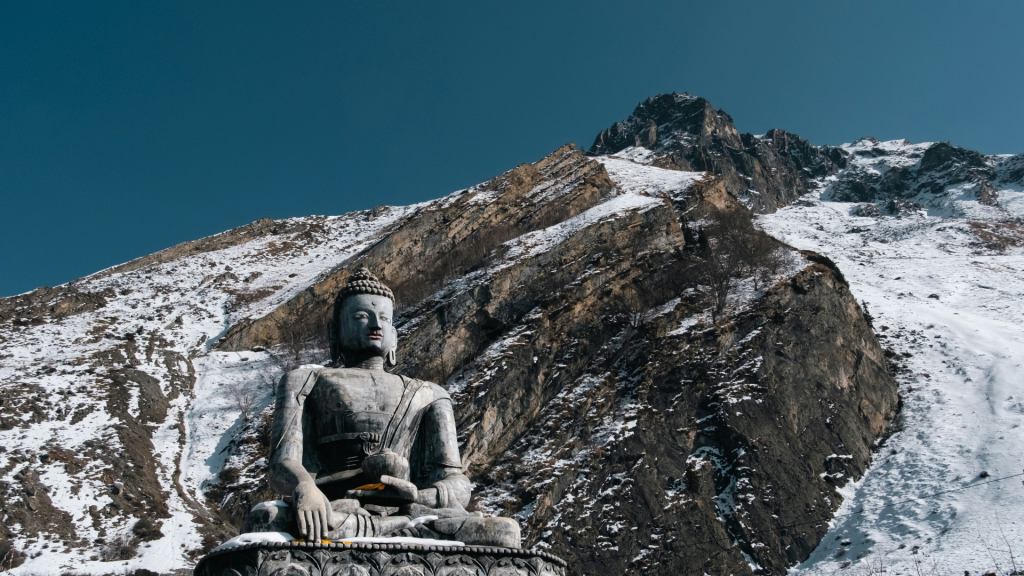
Deep in the mountains, Buddhists see Muktinath as holy ground tied to Avalokiteshvara. Reaching the temple means more than sightseeing – it’s a path walked by many from Tibet. Monasteries nearby hold quiet importance for those making the trek through high valleys.
What to Know Before Hiking to Muktinath?
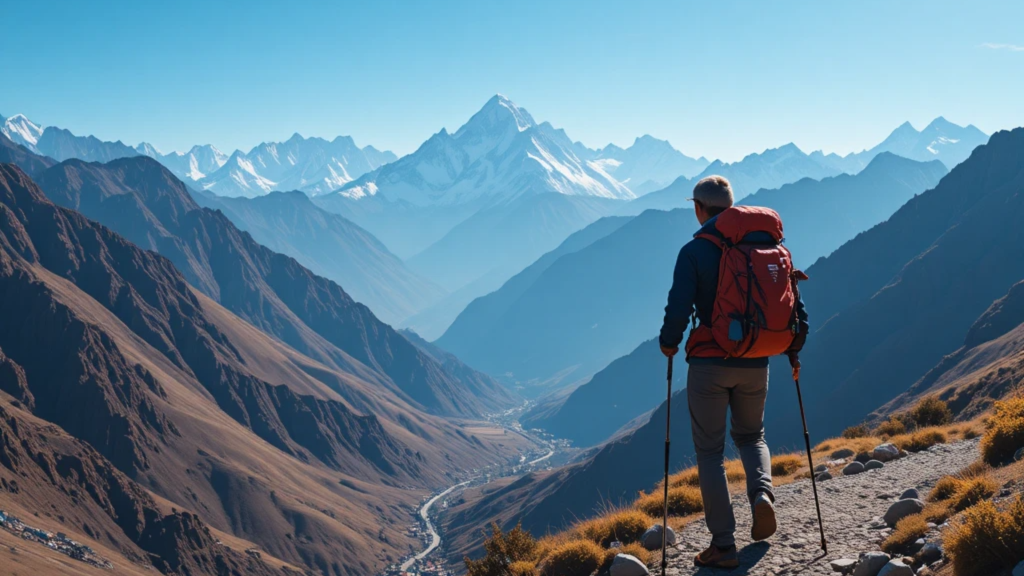
Getting ready matters if you plan to reach Muktinath on foot. Altitude adjustment ranks high among key steps. At more than 3,700 meters up, the air changes – bodies need moments to adapt. Rushing brings risks; taking it slow helps prevent health issues linked to thin mountain oxygen.
Stuff you bring matters just as much. Warm layers go along with sturdy shoes, sun protection, and a solid water container. Sudden shifts in mountain weather mean wearing clothes in stacks works best.
Out on the trail, someone who knows the area makes things go smoother. Because they’ve been there before, paths become clearer, less confusing. Safety takes a step up when decisions come fast and right. When villages appear along the way, stories about people and customs begin to unfold. The land speaks through those who’ve walked it longest.
Folks exploring temples or monasteries do well to honor local ways of life. Because traditions matter here, quiet behavior and covered shoulders go a long way. Locals notice when visitors act with care. Simple choices – like removing shoes before stepping inside – speak louder than words. Respect shows up in small gestures, often without saying a thing.
Places to Stay and Eat During the Trek
Most places to sleep on the Muktinath Trek are family-run teahouses tucked into villages. Instead of luxury, you get a clean bed and a roof that keeps out wind and rain. Showers might be cold, toilets often outside, yet people smile like old friends when you arrive. Simple meals come from wood stoves, served with stories passed through generations. What lacks in comfort gains meaning through human kindness around dinner tables.
Folks eat together in shared spaces where food shows up from Nepal, Tibet, or farther places. Rice with lentil soup plus veggies – known as dal bhat – lands on most plates at some point. This dish sticks around because it fuels the body through tough trails and high passes. Trekkers keep coming back to it, day after day.
Steam rises from mugs of tea, coffee, or ginger honey lemon – common picks when the air turns sharp. Warmth matters, so these drinks show up nearly everywhere along the trail. Fresh bread comes out of ovens in many teahouses, filling corners with a homey scent. Soup simmers beside pots of noodles, ready for anyone who needs a quiet boost. Each bite feels steady, nothing fancy, just food that sticks.
Even though it’s far from cities, meals on the trail tend to be fresh, while kitchen hygiene stays high in most guesthouses. Choosing to sleep here gives villagers steady work instead of outside jobs.
Conclusion
Spiritual paths wind through high passes where prayer flags flutter above ancient shrines. Mountains rise without warning, their peaks cutting into open skies. Temples stand quiet amid stone and snow, visited by few but known to many. Villages appear suddenly along narrow trails, smoke curling from slate roofs. People greet with warmth that feels earned, not given lightly. Each step unfolds views shaped by time, silence, and thin air. Faith lingers in cold winds blowing down from distant ridges. Beauty here does not shout – instead it waits, patient, under shifting clouds.
Muktinath waits however you arrive – by the winding trails of Annapurna or the quieter path out of Jomsom. Scenery grips hard, culture sinks deep, each step weighted with moments that stay. When timing aligns and gear fits well, when weather holds just right, 2026 might carry this trek into memory like few others do.
Traveling to Muktinath pulls you into the heart of Himalayan life, where every step tells a story older than memory. Pilgrimage paths wind through silence broken by prayer flags fluttering like breath. Trekkers find more than views – rhythms of ancient practice echo under open skies. This place speaks without words, shaped by those who walk it for faith, curiosity, or quiet wonder. Mountains stand as they always have, watching rituals unfold in dust and sunlight.