
Introduction
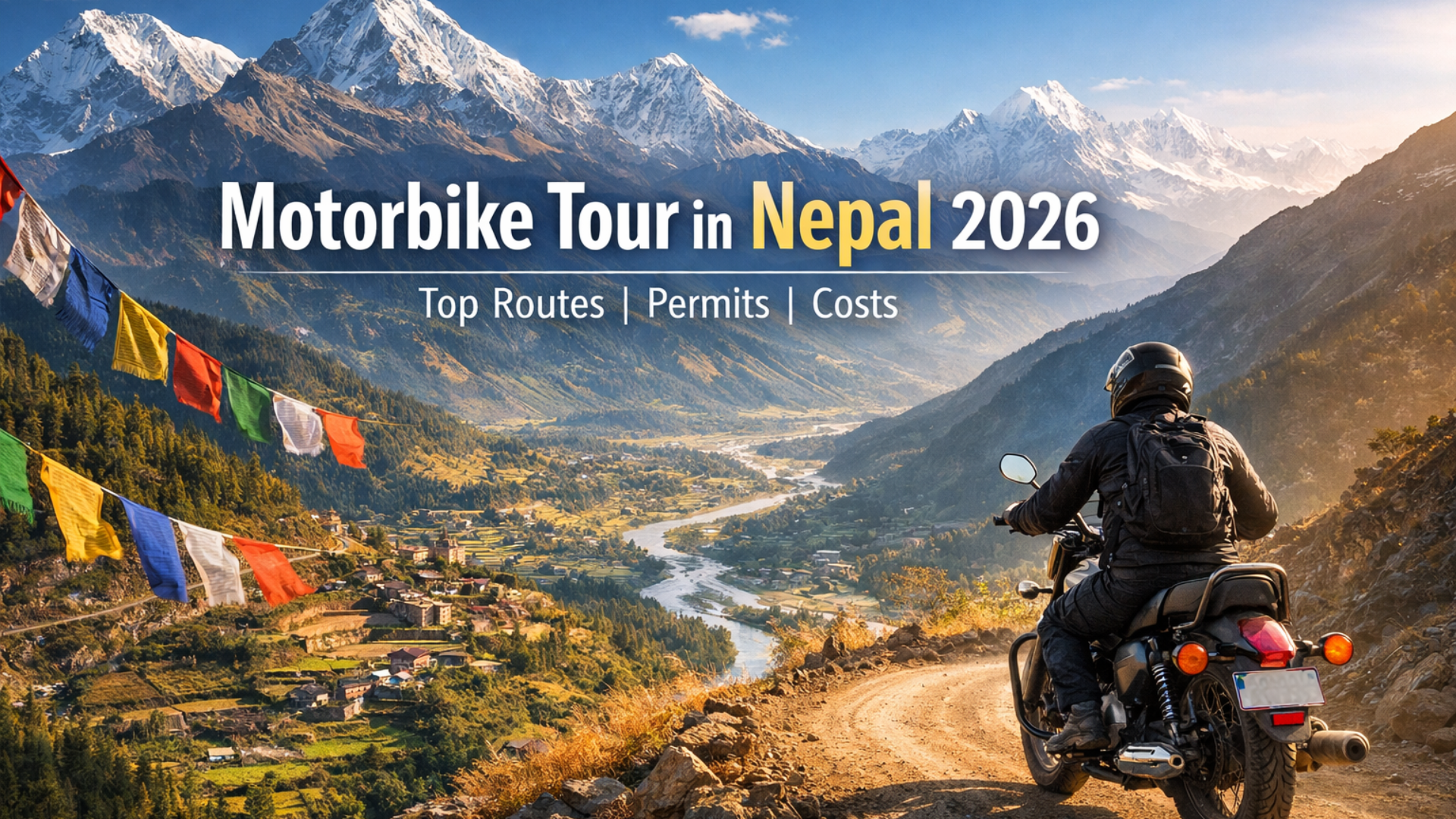
Thrilling Motorbike Tour in Nepal 2026: Routes, Permits & Costs through Nepal grabs attention fast, throwing you into the raw pulse of the Himalayas. Sudden jungle heat gives way to thin air above treeline, where silence takes over. Old stone temples appear around bends, half-hidden by mist and tree roots. Peaks like Dhaulagiri and Annapurna rise without warning, cutting sharp lines across open skies. The roads twist, bump, dip – never smooth, always honest. Every turn delivers something unfiltered: village smoke, prayer flags snapping in wind, sudden drops into green valleys below. This kind of journey sticks – not because it’s grand, but because it feels real. Motorbikes rumble through Nepal’s hills more each year, drawing riders from faraway places by 2026. Not just Europeans, but travelers from American towns too swap quiet streets for steep mountain passes. Take the route out of Kathmandu – curving paths unfold toward Pokhara’s shimmering water bodies. Some push further, past stone villages where wind carves cliffs, such as Upper Mustang. Each turn on these trails delivers something real: close encounters with local life, rough terrain under tires, views that stay etched behind your eyes. Starting a journey through Nepal on two wheels means knowing what lies ahead. Routes that stand out mix challenge with views few places offer. Paperwork like permits decides if roads open or stay blocked. Spending money adds up fast unless planned well. Travelers learn quickly how weather shapes each day. Decisions made before departure affect every mile after. Planning deeply reduces surprises later. Some years bring changes others do not – 2026 might be one of them.
Motorbike Tours in Nepal?
Motorcycle journeys find a natural home in Nepal. With its mix of steep hills, open trails, and changing landscapes, riding here feels different every mile. Wild paths cut through high passes while quiet roads wind past villages tucked into mountainsides. Each turn brings uneven ground beneath wheels, yet the rhythm keeps pulling riders forward. Rugged does not mean impossible – it means alive under your hands.
Why People Ride in Nepal?
Lush forests roll into terraced hills, then fade toward desert air beyond. High up, the land turns spare and rocky under wide skies. Terraces climb slopes where green gives way to dust. Forests breathe deep below while altitude steals moisture above. The ground shifts – soft earth one moment, cracked stone the next
- Epic Mountain Views: Ride beneath peaks like Mount Everest and Annapurna
- Cultural Encounters: Visit monasteries, temples, and traditional villages
- Far from roads, some places wait – only reachable when wheels give way to will. Movement becomes possible where machines falter. Distance fades when paths disappear. Openness appears beyond the map’s edge. Choice hides in terrain that resists routine travel
- Affordable Travel: Cheaper than most places worldwide for riders
- Out there on two wheels, Nepal unfolds slowly – pauses happen naturally when views pull you off the road.
When Motorbike Tours Work Well in Nepal?
Picking when to go matters most if you want a smooth motorcycle trip across Nepal. Mountains rise high here, so rain, cold, or heat might hit without warning – timing shapes everything. Warm days arrive when spring unfolds between March and May, drawing riders onto winding paths. Clear skies stretch overhead just as the Himalayas begin to stand sharp against the light. Rhododendrons burst into color across the slopes, painting the journey with sudden reds and pinks. Riding feels smooth because most roads stay free of mud or ice by then. Even those new to bikes find it manageable since grip remains steady on open stretches.
Clear skies follow the monsoon, making September through November a top choice for visiting Nepal. Fresh air fills the valleys once the rains fade away. Mountain peaks stand sharp against bright blue, visible like glass. Comfortable warmth during daytime supports steady movement across rugged paths. Routes between Kathmandu and Pokhara open wide under calm conditions. Remote trails also become reachable when the ground dries out. Fewer clouds mean longer sightlines, better light. Travel flows smoothly when nature settles into quiet rhythm.
Snow covers the higher trails during December through February. Fewer travelers show up at that time of year. Roads into lofty regions sometimes close because of ice and drifts. Lower areas stay open though, good for moving around without trouble. Places such as Pokhara welcome riders with calmer weather. Chitwan National Park works well too when temperatures drop elsewhere.
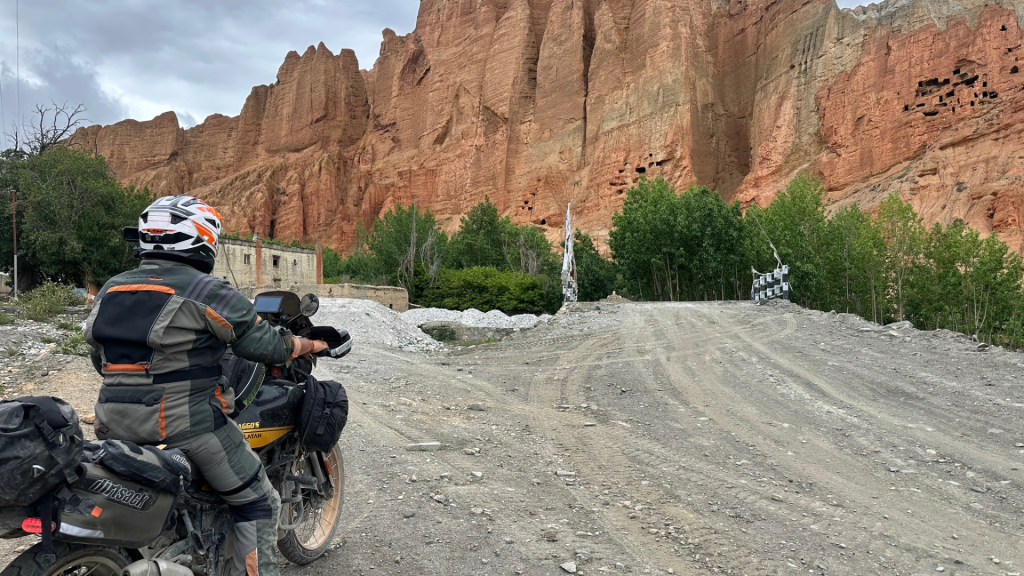
Rainy months from June to August aren’t ideal if you’re planning a motorcycle trip. When it pours, surfaces turn slick, soft, often hard to handle – particularly on slopes and high terrain. Sudden slides of earth happen, vision gets blurry, dangers rise without warning. Adventure seekers with solid skills might still go, yet most should wait till skies clear.
Motorbike Tour Permits Needed in Nepal
Finding out about permits matters most when mapping a motorcycle trip through Nepal. Each path picked might ask for different papers just to move without trouble across roads. Different stops mean separate clearances could be needed along the way. Moving freely comes down to having exactly what officials require ahead of time.
1. TIMS Card Trekkers Information Management System
Travelers on foot are who the TIMS card usually serves. Still, in far-off zones where access is limited, officials might ask to see it even from those arriving by motorcycle. Not every road ride demands this pass. Yet carrying one pays off when paths cross into hiking territory or rougher ground without clear roads.
2. Restricted Area Permits
Not far from border zones, parts of Nepal carry restrictions tied to cultural importance. Think Upper Mustang or areas near Manaslu – entry needs specific paperwork. Solo applications won’t work; only agencies licensed locally can secure them. Cost tends to run higher compared to regular passes. Yet those prices open paths to remote corners few get to see.
Hitting a trail that cuts through conserved zones means covering access costs along with securing government-issued passes. Take Chitwan National Park – stepping inside demands approved documentation. Money collected helps safeguard animals and the landscapes they live in.
4. Driving License and International Driving Permit
Every rider must have a proper motorcycle license. Visitors from abroad should bring an IDP along – most police and rental companies recognize it without issue. That bit of paper keeps things smooth at road checks, cuts trouble with local rules. Without one, delays often pop up where borders or patrols show.
Finding those papers early means fewer stops once you hit the road on two wheels through Nepal. Starting off right keeps delays from catching up later in the ride.
Motorbike Tour Cost Nepal 2026
Price shifts based on what kind of trip you pick, how long it lasts, also which extras come along.
1. Bike Rental Cost
Standard bikes (150–250cc): $15–$30 per day
Royal Enfield (350–500cc): $25–$50 per day
2. Fuel Cost
Priced around a dollar up to one fifty for each liter
How much you spend on gas adds up based on how far you go
3. Accommodation
Budget: Five to fifteen dollars each night
Staying here costs between twenty and fifty dollars each night
4. Food
$10–$25 per day
5. Permits
Upper Mustang permit: ~$500 (10 days)
Fees at national parks range from ten to thirty dollars
6. Guided Tour Package
Pricing shifts between twelve hundred and thirty-five hundred dollars based on how long it lasts plus what’s included. Length of time and extras change the final number you pay.
Motorbike Tour Varieties in Nepal
Traveling Nepal on a motorcycle changes shape based on how you like to move, what you can spend, and how much risk feels right. One moment you might want nothing but open roads alone; the next, help waiting around each bend – both exist here.
1. Self-Guided Tour
A solo motorbike journey suits those who’ve spent years on two wheels, craving freedom to move without fixed rules. You pick the machine, map out roads, choose where to sleep each night, decide when to ride. Places such as Pokhara open up slowly; hidden trails unfold if you go farther off main paths. Pause anywhere – village edge, mountain bend – to breathe air thick with dust or pine. Money stretches further than guided trips, yet real challenge waits behind every turn. Roads shift from smooth asphalt to broken stone without warning. Confidence matters most when weather blurs visibility or traffic turns chaotic. Riding here demands sharp instincts, steady hands, memory of past miles logged under tough skies.
2. Guided Tour
Riding with a guide means less stress, more ease. Someone who knows the roads will show the way, while trucks follow behind holding bags, tools, maybe even helpers. Sleeping spots, food stops, paperwork – all sorted before you arrive. Foreign riders often find this setup smooth, predictable. Paths like Upper Mustang feel easier when help rides close by. New riders might enjoy it most, though anyone can appreciate not having to plan each step.
3. Group Tour
Traveling by bike in Nepal becomes lively when part of a group. Fellow riders come from distant places, each bringing their own story along the trail. Costs drop because everyone helps cover expenses like lodging and meals. Instead of going solo, you get help when needed yet still make your own choices on the road. Many choose this path not just for the journey but for the people they meet halfway through.
Motorbike travel in Nepal safety tips cultural awareness
A journey through Nepal on two wheels takes thought, attention, close watch of surroundings, above all a mindful step toward local ways. Not just any machine will do – many go for the Royal Enfield because it holds up well when miles stretch thin across high mountain passes. One moment you’re gliding along paved stretches, next thing there’s loose gravel under tires, sudden drops into gullies, muddy patches after rain, even streams cutting across the path without warning.
Smart packing changes how things go. A helmet, gloves, then a sturdy jacket keep you safe when moving. First aid supplies along with simple repair tools fix small problems during travel. When heading up high, places like Upper Mustang need slow adjustment so the body handles thin air better. Put safety first, every single time. Protective gear matters, so make sure to wear it – riding after dark brings risks because of poor light. Weather checks each day help prevent surprises on the road. Cash becomes essential when machines disappear in far-off spots. Move forward at a steady rhythm; control keeps things safe while giving space to take in the scenery around you.
Getting ready? Start with papers – passport, visa, driver’s license, any required permits. Stuff you ride in matters too: helmet, gloves, sturdy clothes. Navigation helps, whether it’s a GPS device or downloaded maps on your phone. Little things make trips easier – a spare charger, maybe sunglasses if sun hits hard. Forget one piece, the whole thing slows down. Beyond the ride, Nepal’s winding roads pull you into village life. Ancient temples rise in Kathmandu, quiet moments wait beside Pokhara’s lake, while Upper Mustang carries whispers of Tibetan ways. Each turn unfolds something lived, never staged.
Motorbike travel basics Nepal
Getting ready to ride a motorcycle through Nepal means being prepared, staying open to change, together with knowing what’s happening locally. Picking the correct machine stands out as a key step along the way. Bikes such as Royal Enfield tend to be top choices because they handle mountain roads well while lasting long distances. Check everything works properly before leaving so it can manage smooth streets alongside rough trails.
Bumpy stretches might turn up when you least expect them. Even if one stretch feels fine, rough patches often pop after bends. Slow motion works better than speed on loose stones or sudden drops. Watch how the sky shifts – clouds build fast where peaks rise high. Staying sharp matters most when paths split without signs. Forecasts give hints but trust your eyes once wheels roll. Smart packing helps travel go smoother. A helmet, gloves, and sturdy jacket matter most – throw in a repair kit plus bandages just in case. High ground like Upper Mustang needs slow steps; give your body days to adjust before pushing hard.
Showing respect for local ways matters just as much. Since Nepal holds deep traditions and spiritual beliefs, wear clothes that cover well when near temples or rural communities. Because phone signals fade out in far places, tell a person your itinerary before heading off. Quiet behavior fits better where monks live and pray. Staying safe should sit at the top of your list. Night rides bring trouble because you cannot see well enough. Cash needs to come along – ATM machines vanish once roads leave city borders. Helmets and pads matter every single time wheels turn. Good planning turns a ride through Nepal into something solid, something that sticks around in memory without risk piling up.
What to Pack for a Motorbike Trip?
Ready? A solid list of what to pack keeps your Nepal bike trip on track. Right stuff along, plus key papers, means fewer worries out there. Smooth rides depend on smart prep – gear fits you, paperwork’s handy. Think ahead: rain jackets wait at home if visas stay messy. Roads twist; trust kicks in when helmet straps fit just right. Right off the bat, grab your key papers. Passport? Check. A current visa sits right beside it. Toss in a motorcycle driving license – no exceptions. Don’t forget the International Driving Permit; that one matters just as much. Heading into zones such as Upper Mustang? Permits must be locked down before arrival. Picture this: paper versions in your bag, files saved on your phone. Double protection works better than relying on one. Protection begins with what you wear while riding. A solid helmet must be part of your setup, followed by a strong jacket, gloves that hold up, also pants built to last. Boots need to support ankles well, especially when the ground gets rough underfoot. Conditions shift fast in Nepal – mornings cool, afternoons warm – so wearing layers makes staying comfortable easier. What fits at dawn might not work past noon; adjusting is key.
When it comes to gear, having ways to find your way matters most. Instead of relying only on signal, bring a GPS unit or save maps to your phone ahead of time. To keep electronics running, pack a portable battery – useful where outlets are scarce. Because sun hits harder up high, wear sunglasses while using sunscreen helps too. A small medical supply bundle makes sense too – think altitude meds, something for headaches, bandages if needed. When trails stretch on, extra bicycle pieces matter just as much: patch gear, wrenches, things that fix breaks mid-ride. One last thing – bring only what matters. Skip the extras yet keep essentials close for peace of mind. When gear makes sense, riding feels easier. Less fuss means more room for real moments on the road.
Safety Tips for Riders
- Always wear protective gear
- Avoid riding at night
- Check weather forecasts daily
- Carry sufficient cash (ATMs are limited in remote areas)
- Ride at a comfortable pace
Cultural Highlights Along the Way
Through Nepal on a motorbike, roads wind beyond motion – culture rises in colors, sounds, textures. Where wheels roll, villages unfold with their own rhythms, built by time and terrain. One moment, temple spires cut the sky; next, farmers move like shadows across terraced slopes. Stone paths lead past homes stacked high with prayer flags fluttering like loose thoughts. Every stop shifts perspective – not only seeing but feeling how people live when mountains shape days.
Wandering through Kathmandu means stepping into old temples, lively bazaars, also landmarks protected by UNESCO. Places considered holy – Swayambhunath, say, or Pashupatinath – carry Nepal’s long-standing beliefs, alive in routines repeated every morning, year after year. What strikes most is how energy hums here – it pulls you into customs shaped across generations.
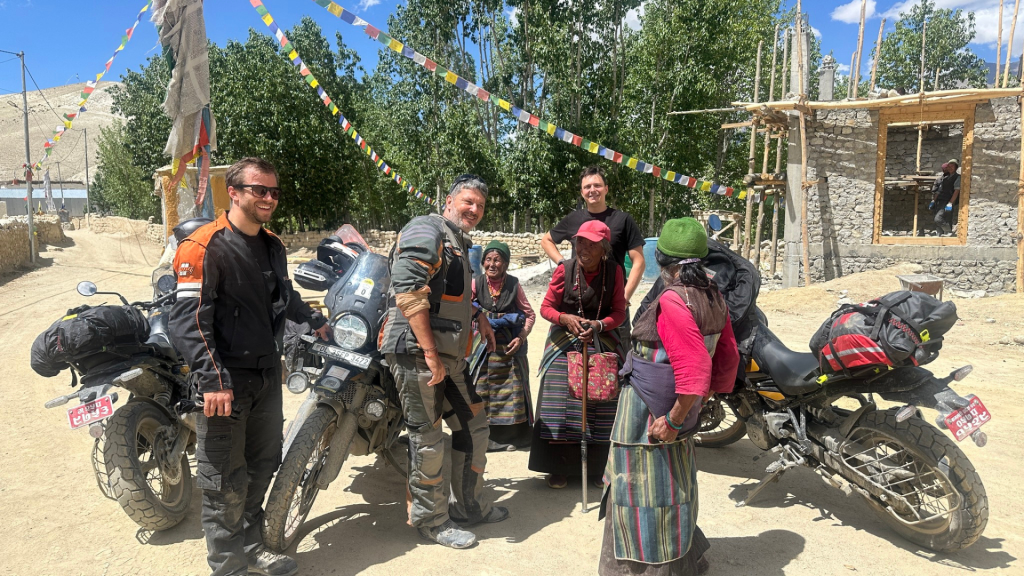
Heading into Pokhara, things grow quieter. Along the water’s edge, stillness settles under towering peaks. Phewa Lake reflects sky and mountain alike, calm and clear. People move at their own rhythm here, unhurried by distant clocks. Warmth shows in small exchanges – smiles, shared silence, passing words. Nature wraps around tiled rooftops and quiet cafés without effort. Mountains stand guard while life unfolds below in soft tones.
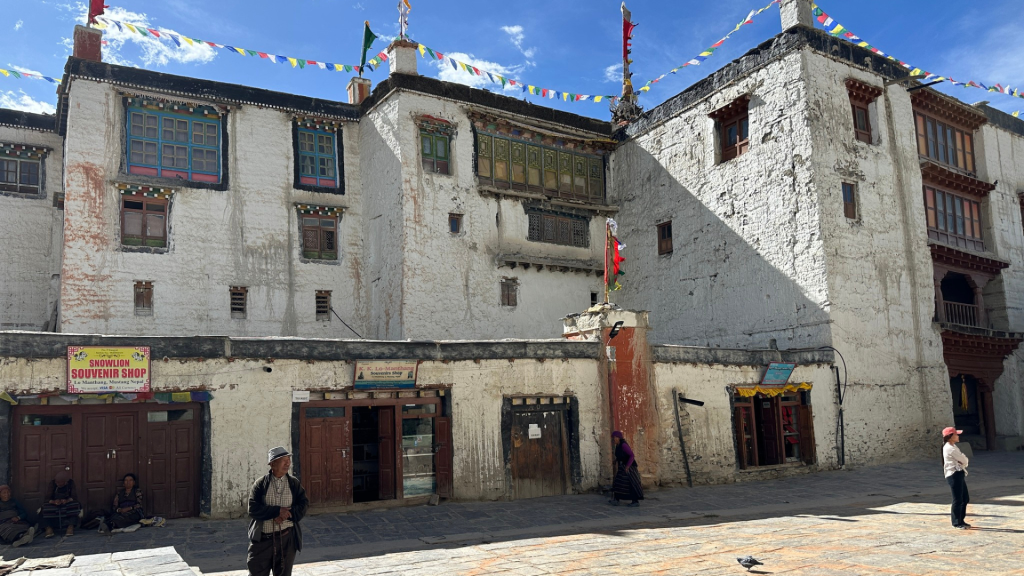
Out beyond the usual paths, Upper Mustang unfolds a world apart. Shaped deeply by ways from Tibet, here old monasteries rise beside fluttering prayer flags across barren terrain. Centuries have shaped Lo Manthang, its fortress walls holding echoes of Himalayan life unchanged. A visit slips you into moments few places still offer.
Nowhere else will you find such warm welcomes as when villagers share their stories face to face. Moving through different areas, each place reveals its own rhythms – how people greet, cook, celebrate. Curiosity opens doors more than questions alone ever could. When travelers listen before speaking, moments turn richer without trying too hard.
A ride on two wheels through Nepal becomes more than thrills when villages unfold beside winding trails. Moments stretch where ancient customs meet mountain air, pulling you into rhythms older than roads. Each turn reveals faces shaped by altitude and time; lives stitched tightly to highland terrain. This journey breathes differently – closer to ground truth, far from staged views. Not simply crossing land but feeling its pulse beneath the helmet.
Environmental Responsibility
Winding roads cut through Nepal’s untouched valleys when you ride solo on two wheels. Yet every turn brings a quiet duty – to leave no mark behind. Delicate plants cling to steep hillsides, easily harmed by careless choices. Tread lightly because balance matters where nature holds its breath. Start small by cutting down on plastic junk you toss every day. A refillable bottle slips into your bag instead of grabbing disposable ones. Skip throwaway items when another option shows up. Toss trash where it belongs – these matters more in far-off spots lacking proper bins. Neat surroundings mean safer wildlife plus healthier towns nearby. Wild creatures deserve space, just like people. Moving through woods or reserves means keeping your distance instead of getting close. Chitwan National Park shelters many kinds of animals, so staying cautious helps them live undisturbed. Acting with care protects both the environment and its wild residents. Riding with care helps the planet. When you skip long idle times, keep your machine tuned up, that cuts down on pollution. Staying on marked paths protects nature under wheels. Cutting through closed zones tramples plants, shakes up animal life.
Besides cutting down on waste, pitching in with neighborhood folks counts too. Staying at family-run guesthouses instead of big chains helps – so does grabbing meals where locals cook their usual dishes. Following customs without treating them like shows keeps things real. Money stays close to home when travelers do this sort of thing. Long-term visit trends shift just by making quiet choices. Every choice leaves a mark. Saving water here, cutting trash there, giving space to wild things – these quiet moves help keep Nepal’s hills and valleys alive down the road. What you do today walks ahead of you. Starting with small choices on your ride can deepen the experience, because every mindful step helps protect Nepal’s wild charm for those who follow. What stays intact today might spark wonder far into tomorrow, simply by how you travel through it.
Conclusion
A ride on two wheels across Nepal in 2026? It pulls you into wild scenery, deep traditions, yet never let’s go of the raw pulse beneath your hands. Through green folds of land, past summits where air thins, while stories cling to stone temples – each stretch stays etched. Though time moves fast here, certain feelings stick around. Riding through Nepal means swapping city noise for mountain silence – Kathmandu’s chaos gives way to Upper Mustang’s quiet drama. Wheels roll where few go, linking crowded markets with open trails that climb beyond predictable paths. Machines meet mist there, engines humming beside ancient cliffs no crowd ever rushed to see.
Biking through Nepal offers a path to wild landscapes, where open roads meet untamed skies. Freedom waits not in stillness but motion, rolling forward beneath spinning tires. Adventure shows up in dust kicked up by each turn of the wheel, far from crowded trails. Raw beauty appears without warning – rugged peaks, river gorges, villages clinging to hillsides. Two wheels cut close to the pulse of the land, closer than any window can reach.