

Trip Info
-
Private vehicle
-
2–12 participants
-
4,493 m
-
Standard Hotel
-
Moderate
-
Kathmandu
-
Kathmandu
-
March to May and September to November
-
English- speaking / other on request
-
Trekking adventure.
-
All Standard Meal
-
Dhorpatan Hunting Reserve Entry Permit, TIMS
-
Professional local guide
Overview
Dhorpatan Trek -15 day is an extraordinary experience through the remote, off-the-beaten-path region of western Nepal. Out here, the road leaves behind city noise fast. A long ride west carries travelers past rice fields and stone houses perched on hillsides. After Pokhara, the path climbs higher – dusty roads, sharp turns, villages where time feels slower. Forests thicken. Peaks appear without warning through misty gaps. This place does not cater to crowds. Fewer footsteps mark these trails. Locals speak an older dialect, wear handwoven wool, live close to seasons. Beyond Burtibang, motor sounds fade completely. Silence grows louder than any engine. Animals move unseen at night – snow leopards, musk deer, birds found nowhere else. Rules allow limited hunting, yet nature still thrives under watchful eyes. Each campsite sits far from the last. Water comes from cold springs. Nights bring stars too many to count. Distance keeps change at bay. What remains feels untouched by hurry. One moment you’re walking beneath thick tree cover, next you’re above it, staring across open slopes carved by old farming patterns. Lush greenery gives way to rocky climbs, then soft grasslands appear without warning. Through this shifting scene moves a path that leads higher, into quieter spaces where few have altered the land. People live here much like their ancestors did – Magar villages tucked beside streams, homes shaped by both wind and tradition. Instead of rushing forward, many pause at small shrines built stone upon stone, silent but full. Herders pass with animals during warmer months, using fields that vanish under snow later. Mountains loom close – the sharp peaks of Dhaulagiri, the long spine of Gurja Himal – always present, never ignored. Starting at Kathmandu, the path unfolds through Pokhara before reaching Burtibang – each stop shaping what comes next. From there, the route climbs into the Dhorpatan Valley, where open meadows meet quiet forests. Phagune Danda follows, stepping higher without rushing, giving legs time to adjust. Then comes Jaljala Pass, lifting trekkers above tree line into sweeping sightlines that stretch beyond words. Fifteen days wrap the full loop, blending rhythm with challenge. Elevation rises slowly, testing stamina just enough. Those who walk here find reward not in ease – but in how far they go.
Priced fairly for its isolated setting, the Dhorpatan trek doesn’t drain your wallet. Travelers usually pay between USD 1000 and USD 1600 each, shaped by what’s included, how many are going, and travel details. You’ll get transport starting in Kathmandu, entry papers for the protected zone, help from guides and porters, plus places to sleep and food along the way. Because it’s far from cities, prices might shift just a bit. Still, anyone chasing trails less traveled will find it worth every dollar spent. This path from Kathmandu to Dhorpatan isn’t only about walking through mountains – instead, it pulls you into quiet corners of Nepal few see. Because the views shift so suddenly – from cliffs to hidden valleys – you never quite expect what comes next. Wild animals appear where least thought possible, moving silently beyond forest edges. Then there are villages where life unfolds without hurry, shaped by traditions long kept alive. Anyone drawn to raw beauty, not polished trails, finds here a version of adventure that lingers. Few treks feel this remote yet real at once. It stays with you after silence returns.
Which month is best for Dhorpatan?
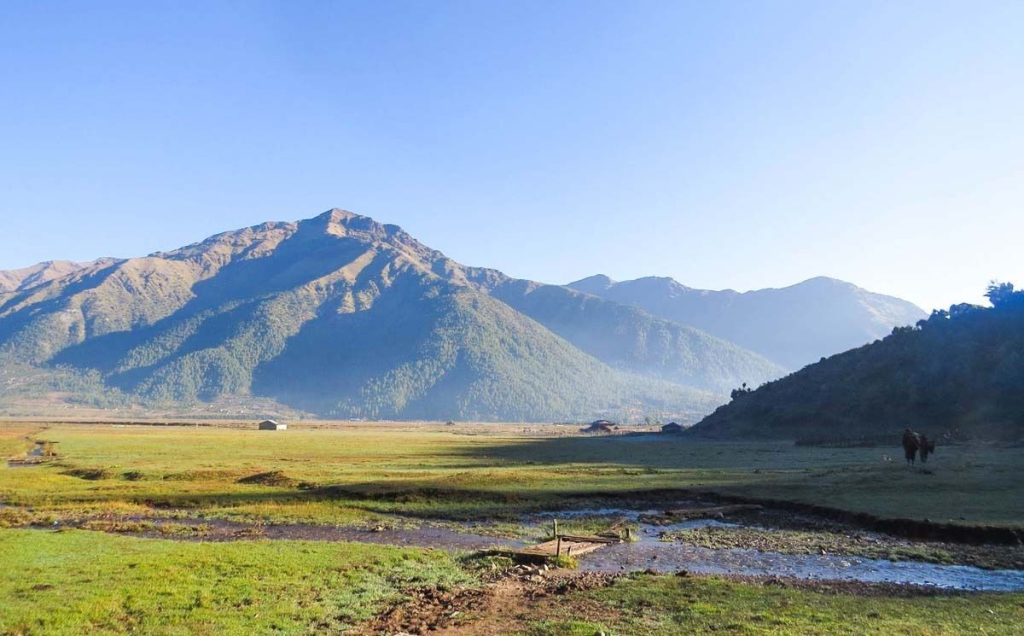
Winter’s grip fades when spring arrives, opening paths through Dhorpatan’s quiet valleys under softer skies. Trails become steady beneath boots once the snow retreats, revealing wide scenes of peaks without haze. Summer holds back its storms at times, yet July often brings heavy drops that turn earth into sludge. Autumn steps in with cool air, firm ground, and horizons stretched clean by wind. September offers stillness, where mornings unfold slowly above silent forests. Evenings chill fast after sunset, warning those unprepared. Monsoon shadows fade just before October begins its calm rule. Each step taken during these weeks meets firmer soil, fewer clouds blocking sightlines. November dims early but keeps silence broken only by distant horns. Weather shapes everything here – how far you see, how sure your footing stays. The land does not rush; it waits for timing aligned with nature’s slower rhythm.
Spring months bring warmth and color along the path, so March through May stand out as strong choices. Flowers open across rhododendron woods while hills brighten under fresh growth, creating lively scenery. Mild air settles in, helping movement feel smooth rather than strained throughout the day. Animals move more often in daylight now – blue sheep might step into view near rocky slopes. Views stretch far when cloud cover lifts, revealing sharp ridges of Dhaulagiri and distant Gurja peaks. September arrives with crisp clarity, joining October and November in delivering steady weather patterns. Fewer clouds mean longer sightlines across high valleys and snow lines. Evenings cool down but stay manageable beneath star-filled skies. Movement remains easeful thanks to balanced conditions favored by many who walk long trails. Both new hikers and those used to altitude find space to settle into their rhythm.
Crystal skies follow the summer rains, opening views of rugged peaks on the Dhorpatan route. With moisture gone, paths firm up – perfect footing when climbing heights such as Jaljala. Sunlit hours bring warmth, while evenings dip into crisp calm, balancing energy across long stretches on foot. Festive rhythms fill villages during Nepal’s key celebrations, layering cultural depth into every step through this time of year. Clarity defines it – not just in air, but in purpose beneath your boots. When winter arrives, from December through February, things get chilly. Snow might pile up high on mountain paths, shutting down routes unexpectedly. Trekking becomes harder when ice grips the ground. During June to August, rain falls without pause. Trails turn slick underfoot, hard to walk on safely. Seeing far ahead gets tough in the downpours. These months simply don’t offer smooth journeys.
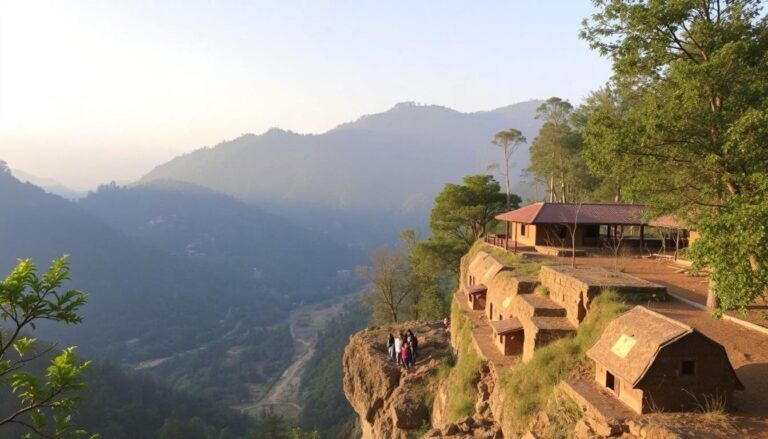
Spring or autumn? That’s when Dhorpatan shines – crisp skies, gentle temperatures, open trails. The mountains reveal themselves fully only during these calm stretches. Fewer clouds mean unblocked peaks, longer light, deeper quiet. This place feels untouched most times – but then seasons shift, offering brief windows where everything aligns just right.
Difficulty of Dhorpatan Trek?
A journey through Dhorpatan might test your limits, yet preparation and steady determination make it reachable. What adds weight to each step isn’t sky-high elevation, rather isolation, extended hours on trail, and minimal support. Far from the busier tracks of Everest or Annapurna, these paths wind through untouched woods, rough ground, and exposed edges – few places offer rest here. Foot travel often fills five to seven hours per day, occasionally climbing across ridgelines such as Jaljala where breath and balance matter most. Still, the elevation stays fairly low – usually under 4,000 meters – so serious altitude issues are less likely. What makes it tough also makes it worth it. Far from crowds, you get raw nature, quiet trails, and villages living much like they always have. Walking for hours comes easier if you’re in decent shape, used to steady pacing, and okay with basic places to sleep. For many, this journey fits just fine.
Truth is, the Dhorpatan trek won’t go easy on you – yet that rough edge shapes its charm. Push comes to shove out there, sure, still the payoff arrives in vast mountain scenes, untouched forests, quiet pride.
What is Dhorpatan, Nepal Famous For?
Wilderness wraps around Dhorpatan, Nepal, where animals roam and mountain traditions live on untouched by crowds. Though tucked into the west of the country, few travelers make their way here. Inside lies a protected zone unlike any other – the sole hunting reserve across Nepal’s landscape. Conservation groups notice this place, drawn by strict rules that balance tracking game with protecting nature. Rare creatures find shelter among rocky slopes and thick forests. Blue sheep cling to cliffs while Himalayan tahr move through mist, often spotted near quiet trails. Musk deer slip between trees just before dawn, sometimes followed by signs of black bear nearby. Far from busy trails, animals show up often here – fewer people mean quieter forests, wilder spaces. Hidden valleys keep their charm without crowds rushing through. Instead of packed paths, you find silence under thick pine canopies mixed with bursts of rhododendron color. High above, ridgelines unfold toward snow peaks – Dhaulagiri stands clear on still mornings. Meadows stretch wide where trekkers pause without another soul in sight. From Jaljala Pass to Phagune Danda, each turn opens onto views unchanged by time. Raw cliffs, fresh air, distant horns echoing faintly – that kind of quiet stays with you.
What stands out next is how deep the culture runs here. Lived in mostly by Magar people, alongside those shaped by Tibetan traditions, it feels distinct. Stepping through, you see ways of life passed down whole. Warm welcomes come naturally. Old monasteries sit quietly among villages. Customs unfold just as they did long ago. Time seems to pause around these practices.
Peace finds you here, where forest trails meet quiet villages tucked far from busy routes. Wild animals move through these woods, unseen but felt in the still air. Culture lives in every stone path and weathered doorway, passed down without fanfare. This place does not shout; it waits. Few trekkers come, drawn by what most places have lost. Adventure slips in quietly, wrapped in mist and morning light.
Highlights
- Explore the untouched Dhorpatan Hunting Reserve — home to rare Himalayan wildlife and vibrant flora
- Witness traditional Magar culture and Tibetan-influenced village life.
- Visit ancient Buddhist monasteries, chortens, and local markets.
- Hike to Phagune Danda (4,493m) for breathtaking sunrise views.
- Sightseeing tour in Kathmandu and Pokhara including World Heritage Sites and lakeside relaxation.