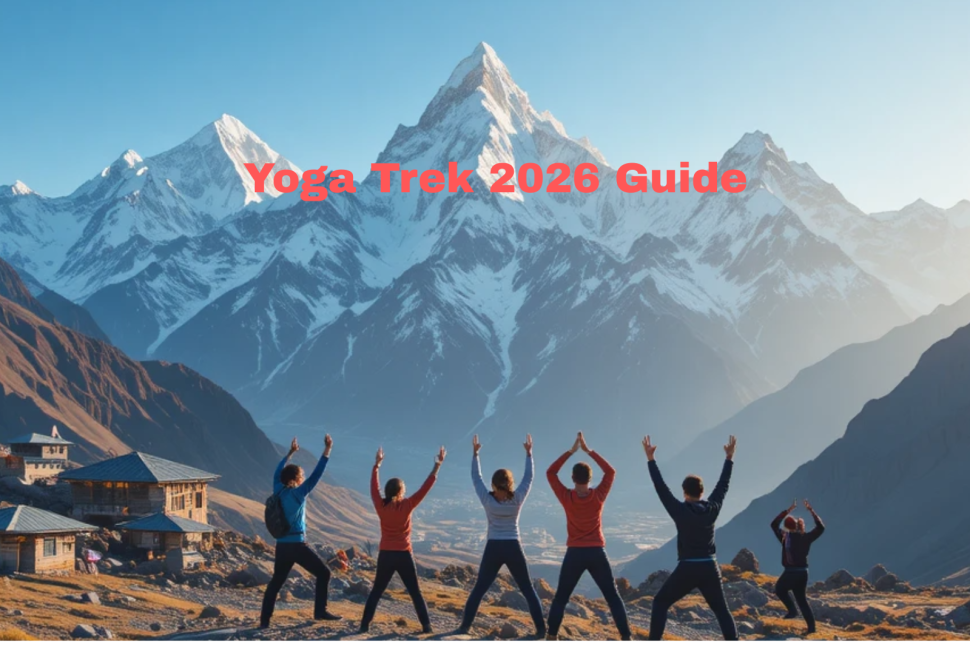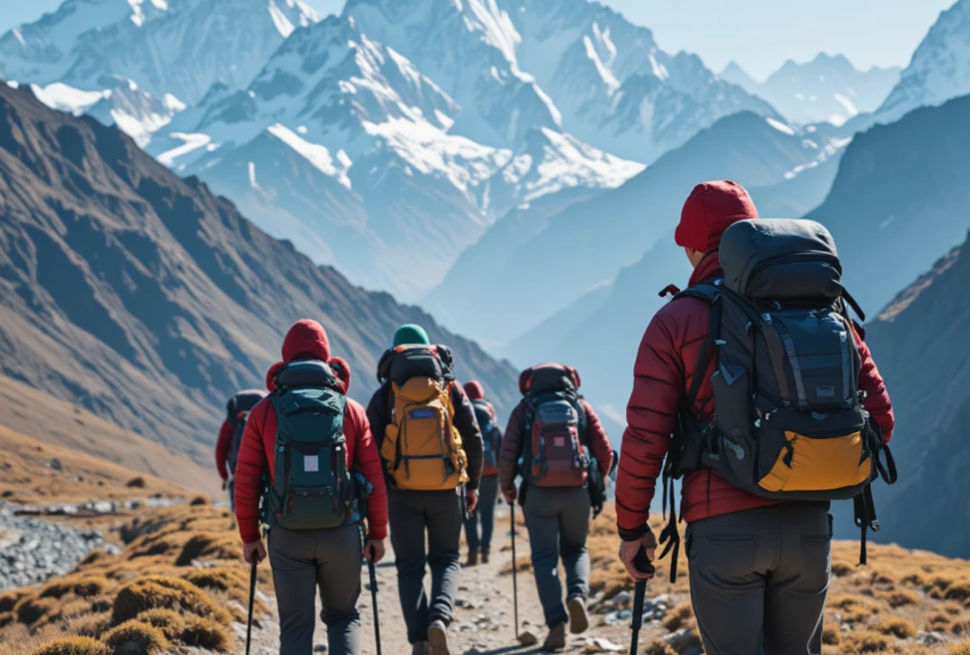

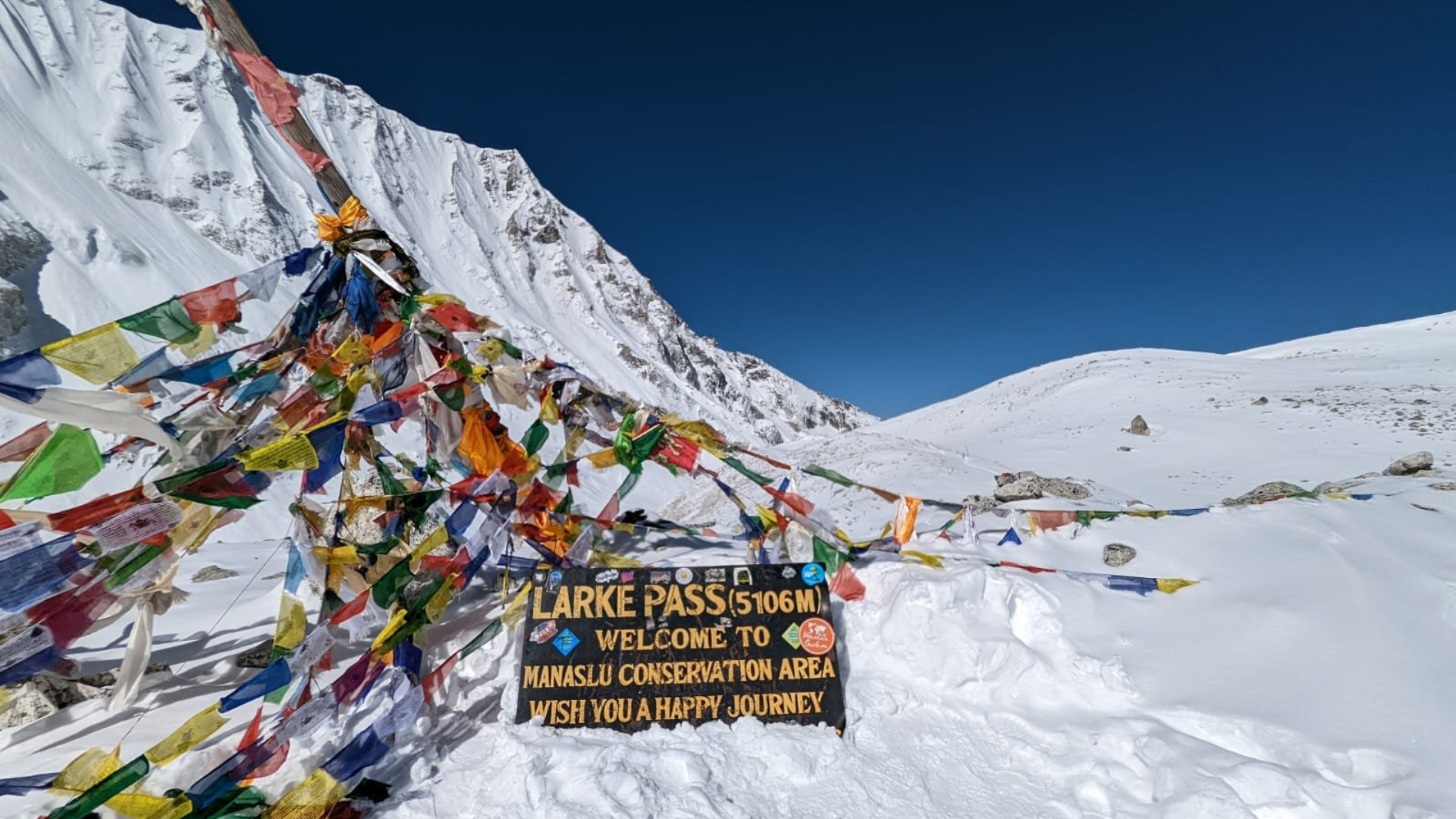
Tsum Valley Trek Overview
Tsum Valley Trek 2026: Complete Guide inside Gorkha’s far north stretches the Tsum Valley Trek – among Nepal’s quietest paths where few feet wander. Called by some the “Hidden Valley of Happiness,” it rests near Tibet, tucked beyond common trails. Wilderness stays pure here, shaped by time, belief, steep peaks, and monasteries that hum with old chants. Culture thrives without show, rooted in centuries-old Buddhist ways beneath towering snow ridges.
Still quiet, far from the busy paths at Everest Base Camp or the Annapurna trail, Tsum Valley stays off most maps. Only welcoming visitors since 2008, life there moves much like it did hundreds of years ago. Rooted in Tibetan Buddhist beliefs, daily routines reflect a culture held close by the Tsumba people. Few places still live so closely to ways long gone elsewhere.
Through quiet villages and ancient monasteries, the path winds into thick green woods. Snowy summits, including Ganesh Himal, rise above high mountain terrain. This walk becomes more than movement across land; it unfolds as a meeting with customs and beliefs. Nature draws close when tradition walks beside each step.
Choosing the Tsum Valley Trek?
Away from crowded trails, the Tsum Valley Trek draws those wanting something different. Not about extreme heights, this journey leans into village life, ancient customs, through quiet paths. Instead of tough climbs, it gives steady walking alongside rich traditions. Perched high in rugged terrain, Mu Gompa stands quiet, a place where prayer flags flutter above stone walls. Inside Rachen Gompa, voices chant softly through ancient halls lit by butter lamps. Far from roads and noise, these temples rise beside cliffs that drop into misty valleys below. Stillness wraps around each courtyard, broken only by wind or distant bells. Though remote, people walk hours just to circle the shrines at dawn.
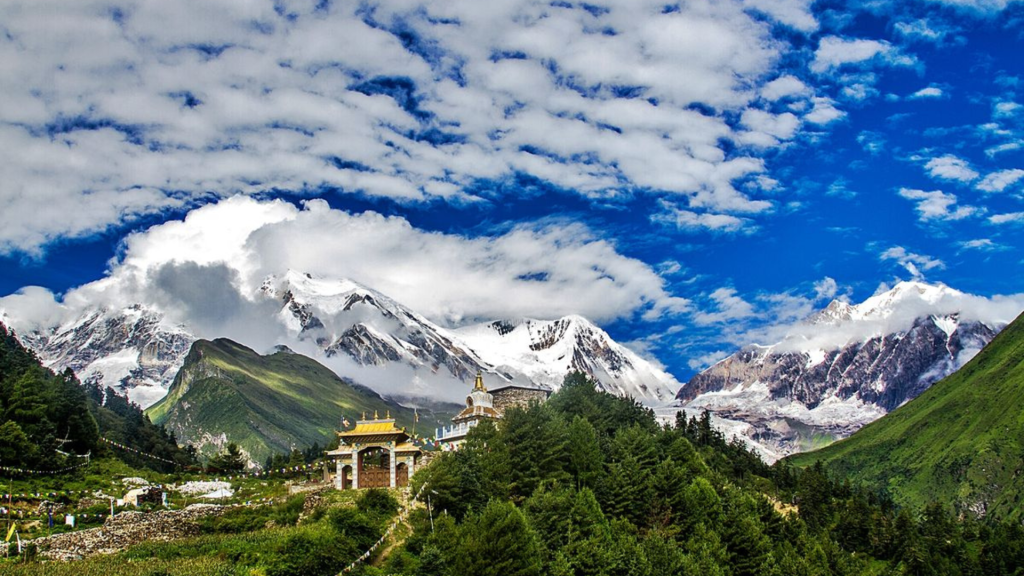
Home to diverse life, this area lies within the Manaslu Conservation Zone. Spotting a Himalayan Thar isn’t uncommon – blue sheep graze on steep slopes too. Now and then, signs of a snow leopard appear, though seeing one feels more like luck than certainty. Peace settles in where crowds do not. Fewer footsteps mean stillness on the path, space to hear your own breath. Local smiles come easier when they are not repeated for the hundredth visitor. Mountains feel closer when noise fades into thin air.
Tsum Valley Trek Highlights
- Explore the remote and sacred valley in Gorkha District
- Experience authentic Tibetan-influenced culture and traditions
- Visit ancient monasteries like Mu Gompa and Rachen Gompa
- Enjoy breathtaking views of Ganesh Himal
- Trek through the protected Manaslu Conservation Area
- Walk along peaceful trails with fewer crowds than Everest or Annapurna
- Discover traditional stone villages and warm local hospitality
- Witness unique Buddhist practices and spiritual lifestyle
- Spot rare wildlife like Himalayan Thar and blue sheep
- Experience untouched Himalayan landscapes and serene valleys
Tsum Valley Trek Plan 14 to 18 Days
Starting out, the journey heads west by road from Kathmandu – most often ending at either Soti Khola or Machha Khola. After that first leg, paths begin rising slowly along rushing rivers, passing stacked farmlands carved into hillsides. Thick woods wrap around much of the route forward.
Fog lifts slowly above the trail that traces the Budhi Gandaki, winding past Jagat, then Lokpa, both tucked between stone walls and prayer flags. Into the Tsum Valley now, where every bend sharpens the view – rocks tower higher, colors deepen, voices carry chants older than memory.
Chumling comes first – simple trails lead through barley fields where villagers wave from stone homes. After that, Chhokangparo appears quietly, holding a small monastery perched above rushing streams. Then there is Nile, tucked high up, with prayer flags fluttering across rocky paths at dawn. Mu Gompa follows, standing still beside wind-carved cliffs, its walls painted with faded mantras. People here speak slowly, gestures open, offering butter tea without asking. Old wooden doors creak inside each village, revealing rooms lit by oil lamps and morning light.
Back at the main path, people who walk for days head toward Kathmandu once more after visiting Mu Gompa. Instead of stopping there, a few plans link Tsum Valley with Manaslu Circuit to stretch the journey longer.
Each day brings steps through uneven terrain, lasting between five and seven hours. To stay steady on the path, adjusting to altitude matters most. Walking slowly helps the body settle into higher air.
When to Visit Tsum Valley?
Picking your moment matters when planning a trek through Tsum Valley. Spring, stretching from March to May, brings mild days and open trails. September kicks off autumn, then November wraps it up – both months tend to stay dry. Skies often remain sharp and wide, revealing full peaks without haze. Footpaths feel more reliable underfoot when rain stays away.
Spring brings color to the trails when rhododendrons open their flowers among thick green leaves. Because the forest wakes up bright, each step feels like moving through painted trees. Mornings often have clean air above, revealing sharp mountain tops such as Ganesh Himal without haze blocking sight. While days stay mild, walkers find steady warmth that does not drain energy by afternoon. Comfort spreads slowly across hours spent climbing paths under balanced sun.
When autumn arrives, trails across Nepal fill up fast – especially along the path to Tsum Valley. Following monsoon showers, crisp air moves in, clearing haze so peaks stand out like drawings on paper. Skies stay steady, rain hardly shows up, making each day predictable but never dull. As you walk, village courtyards echo with festival songs, turning quiet paths into living stories. Mountain silence mixes with human celebration in ways hard to forget. Chilly weather keeps many away during December through February. Above places such as Mu Gompa often see snow piling up. Clear views sometimes appear when the sky opens. Tougher paths emerge because of icy trails and freezing air. Heavy rains arrive between June and August, making paths wet and tough underfoot. Trails turn slick when it pours day after day. Landslide danger rises as soil loosens on steep slopes. Still, everything grows fast during these months. The land wears thick green cloaks, alive and dripping. Some hikers chase that wild soaked beauty despite the risks. Spring or autumn – both deliver treks that feel alive, layered with color, tradition, slow light. Scenery breathes easier when seasons shift gently. Safety slips into each step without fanfare. Culture hums through villages along the trail. These times simply hold more space for presence.
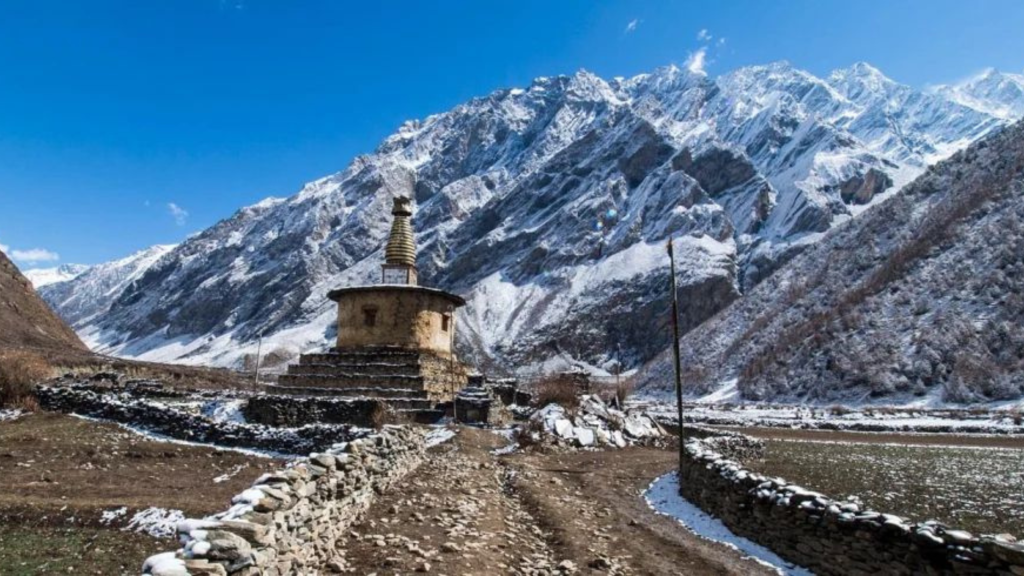
Tsum Valley Trek Requires Permits
Hidden away in northern Nepal, the Tsum Valley Trek requires travelers to carry special permission just to step inside. Rules like these? They exist because the valley holds traditions, nature, and history worth preserving. Access isn’t open – it’s guarded on purpose.
One key paper you need? That would be the Tsum Valley Restricted Area Permit, also known as RAP. Required without exception, its price shifts with the time of year. Peak travel seasons – like spring and autumn – bring steeper fees. Shoulder or off-season visits tend to cost a bit less. Control over visitor numbers comes through this pass. Keeping the valley’s culture intact is one reason it exists.
Besides the RAP, travelers need the Manaslu Conservation Area Permit because the route crosses into protected land. Funds from this pass go toward protecting animals, preserving nature, and supporting responsible travel growth there.
Most folks do not realize solo hikes are banned in Tsum Valley. Either pair up – minimum two – or stay home, plus always hire a certified guide. Staying safe matters out there where help takes days to arrive. Rules like these also keep tourism respectful, without harming local ways.
Starting in Kathmandu, every permit gets sorted by an official trekking company. These firms take care of forms so you don’t have to wait around later on. Following rules set by authorities? That part’s covered too. Frequent stops mean guards might ask for your paperwork any time you’re on the trail. Having those documents ready matters because checks happen without warning. Still, even if getting permits feels tough, they help protect Tsum Valley’s wild landscapes along with its old traditions.
Places to Stay and Eat
Simple lodges line the trail through Tsum Valley, each providing meals that fill you up without fuss. Instead of fancy setups, travelers find themselves tucked into village homes where daily life unfolds just as it has for generations in Gorkha District.
Little homes tucked along mountain trails serve tea and sleep space for walkers passing through. Sleep happens on narrow beds, often two together, with thick covers provided each night. Bathrooms sit down the hall, used by everyone who stays nearby. Even though walls are thin and lights dim, spaces stay tidy, warm, soft at edges. People who walk long paths find themselves welcomed into routines of village days. Talk flows over steaming cups, stories rise without asking, lives unfold in real moments. Close contact grows slowly, built not by plans but presence across evenings. Simple roofs hold more than shelter – they guard quiet exchanges between travelers and hosts. Each meal eaten here ties a thread between outsider and neighbor, fragile yet strong. These stops do not shine bright, still they glow steady where mountains meet routine.
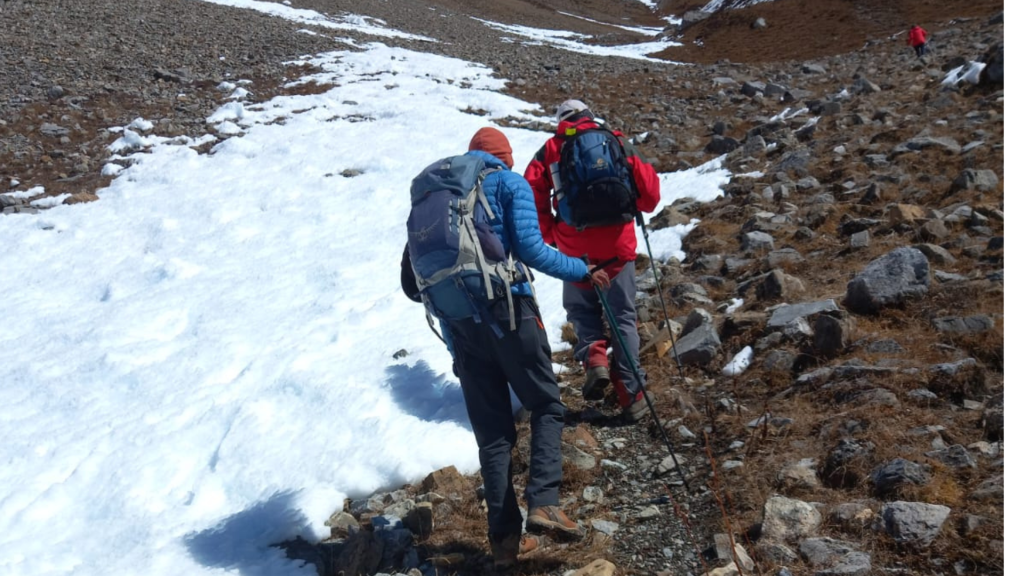
Farther along the trail, past where Mu Gompa rests, places to stay grow simpler. With fewer supplies reaching these heights, comforts fade out slowly. Still, a cup of tea appears without asking. Smiles arrive early each morning. The quiet kindness found here fills what is missing elsewhere.
Most meals during the trek keep you fueled through hours on foot. Dal Bhat shows up again and again – a staple made of rice, lentil soup, greens, and tangy pickle bits. This Nepali classic fills plates across trails. Unlimited servings help hikers eat their fill without worry.
Noodles show up on plates here, while fried rice shares space with steaming bowls of soup. Tibetan bread appears beside flat pancakes, sometimes joined by scrambled or boiled eggs. Out in certain villages, a basic burger or toast might turn up. Higher up, the menu shrinks – fewer picks sit waiting once the air gets thin.
Steam rises from mugs of tea, coffee, or garlic soup found nearly everywhere when temperatures drop. These drinks stick around because they do one thing well – warm your hands, then your core. Cold air bites harder, yet people reach for them like old habits. Heat moves through the body slow, starting at the throat. Each sip pushes chill back without hurry.
Even if the setup feels simple, eating together and talking with people here, high up in quiet Himalayan villages, stays with you long after the Tsum Valley Trek ends.
Challenge and readiness
Starting out on the Tsum Valley Trek means facing a route that’s seen as somewhere between easy and tough. No ropes or special gear are needed along the way, yet the far-off setting pushes your stamina hard. Long stretches of walking each day demand strong legs and steady breath. Getting there isn’t about skill so much as endurance built through months of training. Few trails test both body and will quite like this one.
Starting strong means getting into a rhythm of steady heart workouts, building muscle through resistance routines, then testing it all on real trails. When thoughts drift during long climbs, having trained the mind helps just as much – simple living and spotty signals are part of each day. Ending here feels right.
Starting high up can mess with how you feel, which means taking time to adjust matters. Water helps keep things steady inside, making it key on the move upward. Going slow step by step works better than rushing ahead too fast. Paying attention to what your body says makes a difference along the way.
Tsum Valley Cultural Journey
What stands out about the Tsum Valley Trek? Its deep-rooted culture. Scattered across the land are old monasteries, stone stupas called chortens, and rows of carved prayer stones – each piece shaped by generations of Buddhist life. History lives here, quietly, in every turn.
Folks here live by a quiet rule – hurt nothing, care for all – a rhythm shaped by long-held faith. Because taking animal life is not allowed, the land breathes slower, safer, shared between those who walk on two legs and those on four.
Festivals light up ordinary days. Should fortune favor you, a glimpse of age-old rites might unfold – revealing quiet depths behind shared beliefs.
Plants Animals and Nature’s Beauty
Hidden behind Manaslu’s shadow, Tsum Valley sits inside a protected zone teeming with life. From warm forest floors up to cold mountain fields, different living zones stack like layers.
On some trails, eyes catch splashes of rhododendron among tall pines where roots twist through mossy ground. Through mist, shapes move – sure-footed thar cling to rocky slopes while blue sheep watch from ledges above. Birds call from hidden branches, their voices cutting the quiet now and then. Herbs grow low between stones, known long ago for healing but unnoticed by most who pass. Forest layers unfold slowly, each turn revealing something rooted, wild, or watching.
Fresh air fills the trails where peaks rise behind green slopes, while streams tumble down rocky cliffs into quiet meadows below. Trees sway near pathways lined with wildflowers, as sunlight shifts across open fields and hidden valleys alike.
Essential Packing List
Whatever you do, grab those tough hiking boots before heading out. Because without them, rough paths will wreck your feet fast. Warm layers come next – weather shifts quick up high. A solid sleep sack matters just as much when nights turn icy cold. Poles? They save knees on steep drops and loose scree. Don’t skip the medical pack either – one cut, one bruise, it handles both. Gear like this keeps trips running smooth.
Few things beat layers when the wind shifts or rain rolls in. Backpacks worth their weight keep supplies safe, especially if storms appear. Waterproof jackets help too – especially once clouds open up.
A refillable drink container helps cut down on waste during the hike. Snacks that boost energy keep strength up when trails get tough. Sunscreen protects skin if the weather turns hot. A hands-free light works well when paths grow dark. Getting ready properly means fewer surprises along the way.
Price of Hiking Through Tsum Valley
A price tag for walking through Tsum Valley shifts with each plan, what’s included, who runs it. Usually, one traveler pays between 1,200 and 2,000 dollars.
This cost usually covers permits along with guide and porter support, plus where you sleep, what you eat, during the trek. Extra costs might pop up like insurance for your trip, equipment you need personally, also tipping people who help.
Though costly at first glance, Tsum Valley offers something rare – its untouched landscapes and quiet trails linger long after you leave.
Travel Tips Tsum Valley Trek
Start smart if you want your trek to go smoothly – preparation makes a difference. A licensed guide should lead the way, every single time. Local customs matter just as much as the path underfoot; treat them with care.
Pockets full of bills work best when roads get rough. When signals fade, a paper map still shows the way.
Every step taken leaves a mark, so choose paths that skip plastic clutter. Nature gives enough when travelers give back by treading light. Future eyes deserve the same views – keep trails clean, keep moments wild.
Conclusion: Is Tsum Valley Trek Worth It?
Hidden among Nepal’s peaks, the Tsum Valley Trek slips beyond ordinary trails. Not only paths through wild terrain, but echoes of ancient ways shape this route. Beauty rises in jagged cliffs, yet quiet monasteries hold equal power. Few travelers pass here, which keeps stories alive in stone carvings and prayer walls. Each step moves through silence broken by wind, bells, or distant chants. Villages cling to slopes, their lives tied to seasons, not schedules. This walk does not rush; it unfolds – slow, deep, real. Memories form not from sightseeing, but presence in a world unchanged.
Tucked away beyond the usual trails, Tsum Valley offers quiet moments, deep traditions, yet a chance to meet people rooted in old ways. Though lesser known compared to busy paths nearby, its untouched feel along with rare encounters gives it a character few places match.
A trip to Nepal in 2026? Think about walking through Tsum Valley. This path leads deep into the Himalayas, far from noise and rush. Beauty stands beside tradition here, quiet but strong. People live much like they always have, shaped by mountains around them.