
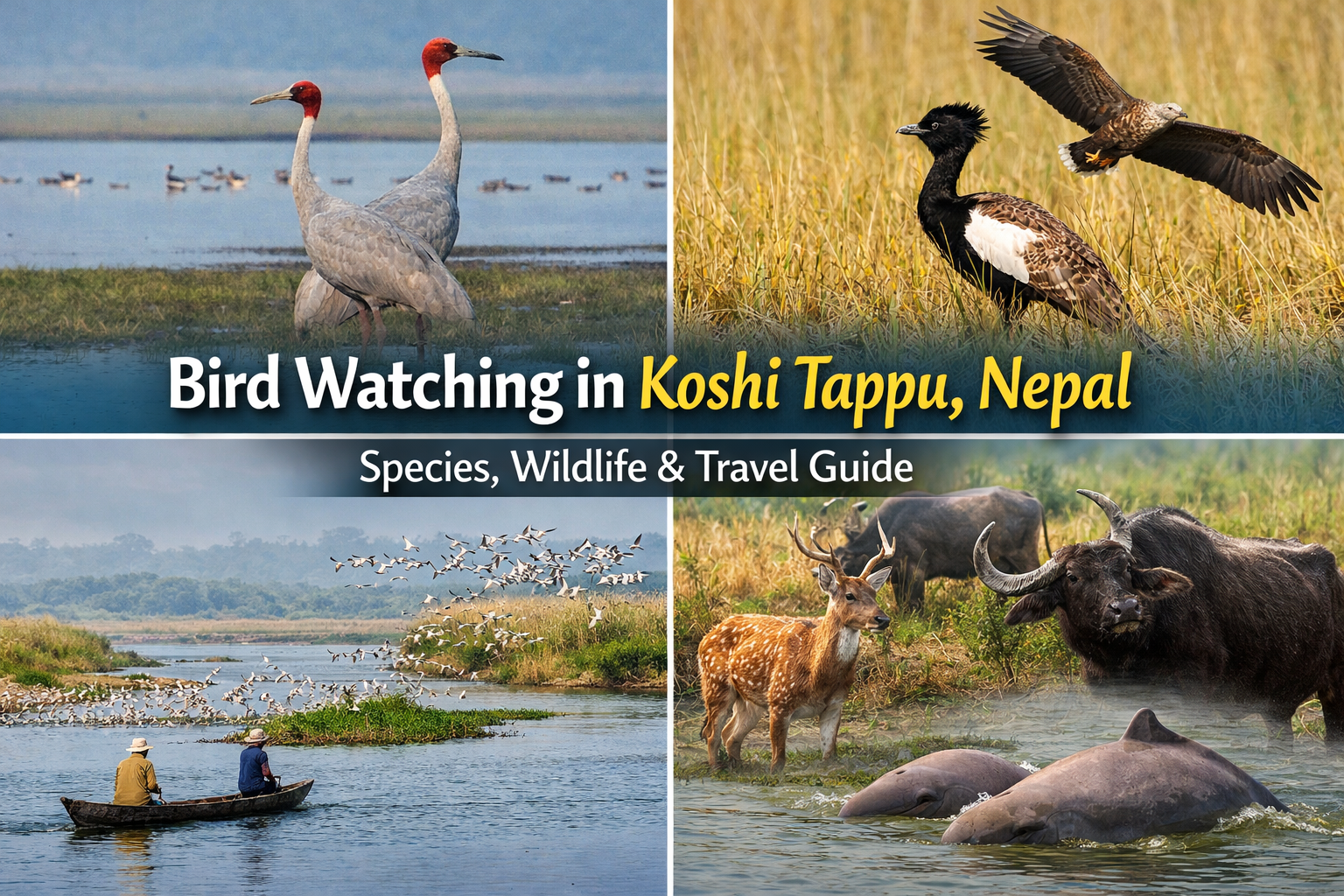
Bird Watching Koshi Tappu Experience in Nepal is one of the most tranquil and fulfilling wildlife locations in South Asia. Found in the eastern Terai lowlands, the Koshi Tappu Wildlife Reserve is good for nature lovers, photographers, and tourists wanting peaceful places outside of the mountains. It has large wetlands, riverbanks, and grasslands with lots of birds, making it the best place to watch birds in Nepal. Nepal has a wide range of plants and animals, with over 890 bird types living in its different areas. Birdwatching in Nepal attracts people from all over because of its Himalayan valleys and tropical plains. Koshi Tappu is special because of its wetland bird types, easy access, and calm natural beauty. Koshi Tappu is located in the Sunsari, Saptari, and Udayapur districts, along the Sapta Koshi River. The reserve has good living spaces for local and migrating birds, making it a top spot for birdwatching in Nepal. In the winter, many migrating birds come from Central Asia and Siberia, turning the wetlands into a lively safe place.
People who look up Koshi Tappu Wildlife Reserve images often like the golden grasslands, foggy mornings, and nice sunsets shown on the water. Besides birds, the reserve keeps wild water buffalo, deer, and different wetland plants safe. The area is quiet and big, which is good for relaxing trips that focus on watching and protecting nature. People planning trips often ask how much Koshi Tappu Wildlife Reserve tickets cost and how to enter. Entry costs differ a bit based on where you are from, but the reserve is still cheap to visit for seeing wildlife. Guided tours make the visit better by helping people spot species and learn about wetland life. The cost to watch birds in Koshi Tappu relies on how long you stay, where you stay, and what is included. A normal bird tour in Nepal may have guides, places to stay, meals, canoe rides, and walks. Many visitors pick places to stay that care about the environment, like Koshi Tappu River Side Resort, which is known for its quiet spot by the river and guided wildlife visits. With lodges and nature camps, Koshi Tappu is a good place for families, photographers, and scientists. Birdwatching in Nepal is more than just fun, as it shows care for nature and helps tourism that lasts. A simple paper on birdwatching in Nepal could talk about how wetlands like Koshi Tappu protect moving routes and help towns with tourism that does not hurt the environment. Birding pushes people to care for nature and gives tourists real cultural and nature trips.
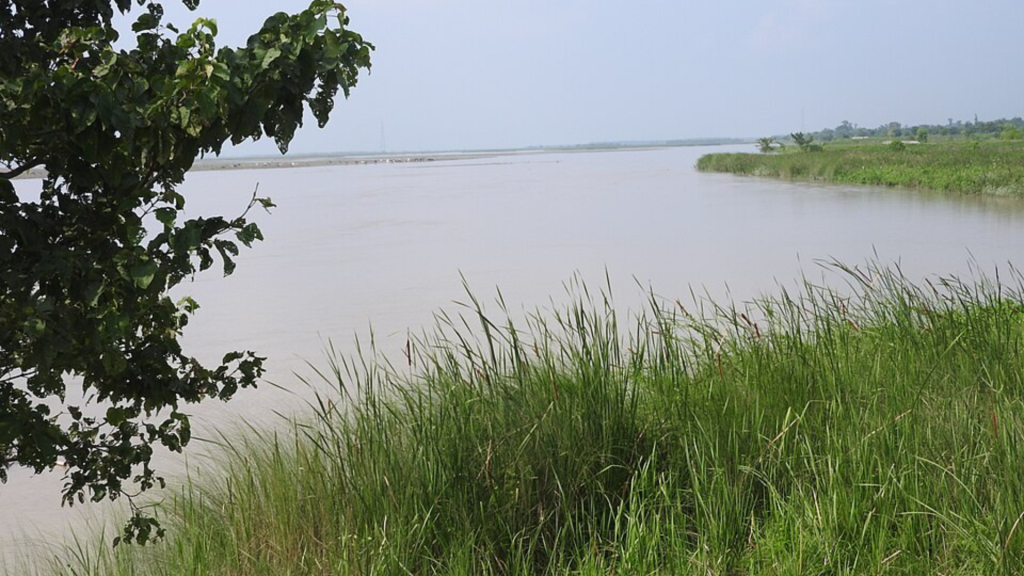
Many tourists look for a birdwatching guide in Nepal to plan their trip. A guide usually lists major birding spots, moving times, what to pack, and how to spot species. Giving these guides helps tourists get ready and helps responsible wildlife tourism. Koshi Tappu is also a quiet location for picnics, perfect for ease next to wetlands and open skies. If you want a quick nature break or a full birding tour in Nepal, this reserve has calm views, lots of animals and plants, and good chances to see outdoor spaces. Nepal welcomes you, as it is a place where nature, culture, and animals live together. Koshi Tappu is still a special place waiting to be seen in Nepal for those wanting the best birdwatching in South Asia.
Types of Bird Species Found in Koshi Tappu
Koshi Tappu is home to over 500 species of birds, making it one of the best bird watching locations in Nepal. Bird watchers can observe a wide variety of species across different habitats.
Rivers, marshes, and lagoons are common places to find wetland and water birds. For example, the Sarus Crane can be seen walking through shallow wetlands, and the Black-necked Stork stands by open water. The Lesser Adjutant Stork and Asian Openbill Stork often feed in marshes. Bar-headed Geese and Ruddy Shelducks gather on riverbanks when they migrate. Common Teal and Northern Pintail ducks swim on calm waters, and Great Cormorants dry their wings near the river. The Swamp Francolin lives in thick grasslands, and the Indian Peafowl adds color to the Terai area. Smaller grassland birds, like the Chestnut-capped Babbler and Striated Grassbird, live in reeds and low plants, adding to the area’s ecological variety. The White-tailed Eagle flies over rivers, while Marsh Harriers search for food over grasslands. Sometimes, the Osprey dives into the water for fish, and the Peregrine Falcon is known for its fast hunting in the air. Black Kites are often seen flying in circles way up high over open areas.
Bird Watching Koshi Tappu Experience in Nepal— Price and Travel Information
The cost of bird watching in Koshi Tappu depends on how long the trip is and what services are offered. Most birding tours in Nepal come with guides, places to stay, food, and transport. There’s a fee to enter the reserve, which people often look up online as the Koshi Tappu booking in Langtang Ri Trekking and Expedition. For those planning a trip to see wildlife, bird watching in Nepal is thought to be quite cheap compared to many other places around the world, and it has great biodiversity.
Why Koshi Tappu Is Important for Bird Watching in Nepal?
Koshi Tappu stands out as an example of wetland preservation and sustainable tourism when discussing bird spotting in Nepal. The reserve is vital for protecting routes birds use when they migrate, supports study and education, and gives local communities ways to earn a living through eco-tourism. Those visiting often look for a guide in PDF form to recognize types of birds and plan visits around the seasons. Learning is improved for beginners and experts alike through educational materials, guides for use in the field, and checklists.
Welcome to Nepal — A Peaceful Wildlife Destination
Nepal is a place where the Himalayas meet tropical wetlands, and wildlife does well in protected areas. Going bird watching in Koshi Tappu is a peaceful, educational, and memorable experience for nature lovers and tourists who want to explore Nepal’s outdoors. With its rare wetland birds and great river views, Koshi Tappu is a special place for bird watching in Nepal. It is a place where protecting nature, learning, and natural beauty all exist together.