

Trip Info
-
Domestic flight / Private vehicle
-
4 to 12 participants
-
72 meters (236 feet)
-
Standard Hotel
-
Easy
-
Kathmandu, Nepal
-
Kathmandu, Nepal
-
October to March
-
Professional local birdwatching guide
-
Wildlife and Birdwatching Tour
-
English ( other on Request)
-
All meals included during birdwatching days (breakfast, lunch, and dinner)
-
Entry permit for Koshi Tappu Wildlife Reserve
Bird Watching in Koshi Tappu Overview
Bird Watching in Koshi Tappu – 8 Day is prime wetland habitat for migratory, water, and grassland bird species. Wildlife Reserve, situated in the eastern Terai plains of Nepal at a low elevation of approximately 72 meters (236 feet), is a premier destination for bird enthusiasts and wildlife lovers. The reserve covers over 176 square kilometers of wetland and floodplain habitats, providing sanctuary to more than 485 species of birds, including rare and migratory species. This rich biodiversity makes Koshi Tappu one of Nepal’s most significant birdwatching sites, drawing ornithologists and nature photographers from around the world.
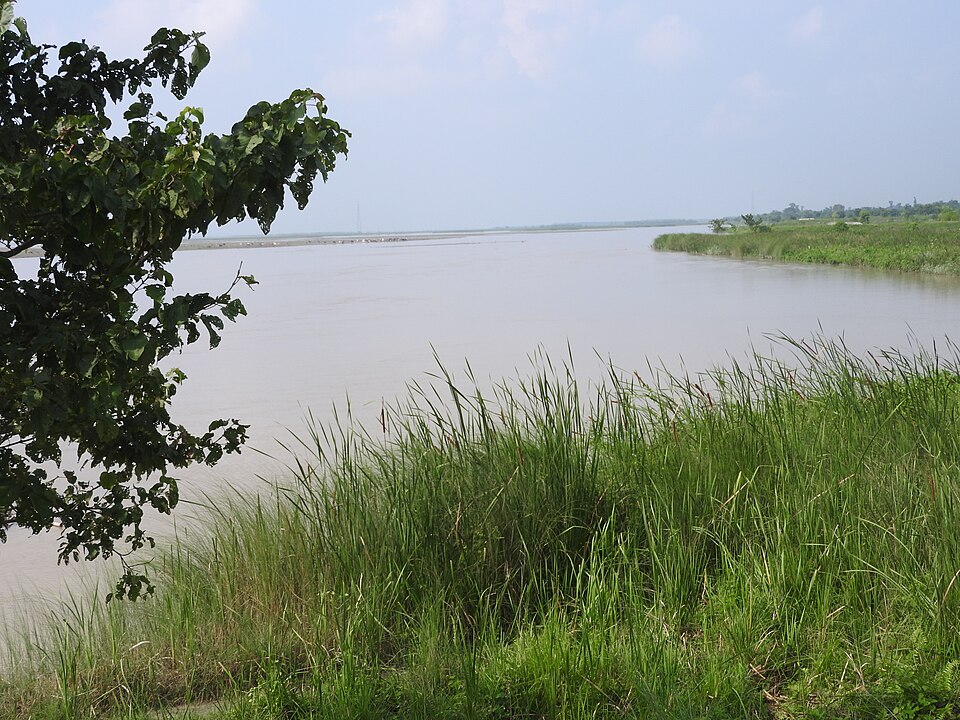
Visitors to Koshi Tappu can expect an immersive experience in pristine wetlands, grasslands, and forested areas, with expert local guides facilitating sightings of elusive birds such as the Bengal florican, Sarus crane, and the rare wild water buffalo. The reserve’s tranquil setting also offers opportunities to spot a variety of mammals, reptiles, and amphibians, making it an ideal destination for comprehensive wildlife exploration.
Bird Watching Tours with Langtang Ri Trekking & Expedition offer a peaceful and enriching way to discover Nepal’s diverse birdlife across forests, wetlands, river valleys, and national parks.
Bird Watching in Koshi Tappu – 8 Day Season
Birds flood into Koshi Tappu when cold air sweeps down from Siberia, Tibet, because warmth draws them here. This place holds global weight as a wetland yet feels untouched by crowds for now. Winter paints the landscape different – mist rises early while feathers flash above flooded grasses between October and March. Scientists arrive quietly during this stretch hoping to spot rare visitors mixed among flocks settling into marshy corners. Photographers wait without speaking much, their lenses pointed where water meets sky. Migration turns the area restless but alive, wings cutting through fog just after dawn. Cold climates far north push species south until they land on these protected banks. What looks like stillness at first glance hums with movement once eyes adjust to the rhythm. Out here where the Sapta Koshi spreads wide into muddy flats and tangled reeds, birds few ever see find quiet refuge – Baer’s Pochard slips through fog, Falcated Ducks vanish into wetland shadows, while the Bengal Florican stands tall like a ghost of grasslands. Cool air moves gently this time of year, not cold, just right, holding steady near 20°C when sun climbs high. Hours pass slow inside cramped hides or trudging soft ground, yet discomfort never takes hold.
When April rolls into June, bird activity shifts. Though a few local birds stay put, most travelers head north to nest. Heat builds across the eastern Terai, often hitting over 35°C. Humidity climbs alongside temperature, turning walks tiring. Under such conditions, animals hide where shade is thick. Spotting them grows rare once the sun peaks. When rains arrive between July and September, movement inside the reserve gets tough. Water from swollen rivers cuts across paths, especially where the Sapta Koshi flows. Grasslands disappear under rising water levels during these months. Trails that stay clear most of the year vanish suddenly beneath flood currents.
Late winter tends to draw the biggest crowds, especially in February and March. Clear skies stretch across the Himalayas then, sharpening distant peaks into view. Visitors share space with locals coming back home around this stretch. Birdsong fills the air – more than 485 kinds have been spotted near the marshes. Among them hide elusive ones like the Swamp Francolin, along with storks and herons wading through shallow waters. Cool, dry weather makes walking easier on uneven ground. That same climate supports a rare gathering of migrating animals. The region holds steady as Nepal’s key refuge for life in wetlands. Seeing it at this moment means catching nature fully awake.
Additional Information
One morning near the Koshi River, getting ready for birds means more than packing binoculars – it asks you to learn how people here move through marshes and reeds. By 2026, foreign visitors hand over 1,000 Nepalese rupees each day, then add thirteen percent tax on top; travelers from SAARC countries spend half that amount at counters marked with peeling paint. Each slip of paper allows one crossing past the gate, so timing matters when water levels shift fast after dawn. To find rare storks where mist still clings to tall grass, going alone rarely works well because locals know shapes in motion – their eyes catch blur and tilt before feathers come clear. That sense, called jizz among watchers, grows only after years of walking muddy trails without rushing.
Staying nearby means options like the Koshi Tappu River Side Resort or the familiar Koshi Tappu Wildlife Camp provide everything in one bundle, making things easier. Beginner trips lasting three days and two nights usually begin between four hundred fifty and six hundred dollars, including food, walking tours with guides, then boat rides aiming at spotting rare birds such as the shy Bengal Florican or threatened Ibisbill. If broader travel sounds better, complete journeys across Nepal focused on birdwatching – with stops possibly at Shivapuri, later Chitwan – sit between twelve hundred and fifteen hundred bucks when planned for ten days.
Out there among fans, some just enjoy spotting birds while others dive deeper – using gear like scopes and tracking every sighting in notebooks. Traveling far to check off a rare one? That kind of person sometimes gets labeled a twitcher by the rest. If you’re chasing that first unforgettable moment with a single bird – the one that hooks you for good – or trying not to come up empty-handed when hunting a specific type, this place has what you need. Home to more than 485 kinds of winged creatures, it stands apart for anyone aiming to capture sharp images of dazzling Himalayan birds through a lens.
Photography and Experience
Koshi Tappu Wildlife Reserve is a paradise for not only bird enthusiasts but also for photographers and nature lovers. The extensive wetlands, winding rivers, and grasslands provide a picturesque setting for taking awe-inspiring Koshi Tappu Wildlife Reserve photos. The early morning hours and late afternoon periods provide enchanting lighting conditions for taking sunset and sunrise photos, featuring large flocks of migratory birds such as the Sarus Crane, Lesser Adjutant Stork, and other waterfowl species. Apart from photography, one can indulge in boat safaris, nature walks, and observation towers that provide an opportunity to get up close and personal with both resident and migratory species of birds.
Many people also visit other nearby resorts such as Koshi Tappu River Side Resort to remain in the midst of nature, while online directories such as bird watching website listings and bird watching near me options help to plan out the entire trip, check the arrival of migratory birds during specific seasons, and also get in touch with experienced guides.
Why it is famous Bird Watching in Koshi Tappu – 8 Day?
Eight days spent watching birds at Koshi Tappu draws serious bird scientists along with those who love wild spaces – thanks to its unhurried rhythm inside a top-tier Asian wetland. Rather than skimming key spots fast, longer stays open paths into hidden corners: tangled woods by rivers, curved lakes cut off from main flows, wide reed fields that stretch beyond sight. Because some creatures avoid notice – think Swamp Francolin or Bengal Florican – seeing them means returning again, waiting quietly, learning where they hide when left alone. Time becomes the real tool here, not speed.
Most people know this eight-day trip because it covers nearly every part of the Sapta Koshi River network. Instead of motors, quiet rafts move through the water, making birdwatching easier – herons, kingfishers, even shy river dolphins stay undisturbed. Wildlife floats happen early, just after mist lifts, when animals are active but crowds have not arrived. One whole day usually shifts focus entirely to the Koshi Barrage, where winter brings flocks of visiting ducks and long-legged shorebirds. Another stretch zeroes in on a place called Pink Tower, named for its color at sunrise, ideal for spotting hawks circling above floodplains. Because timing lines up with migration peaks, sightings feel almost guaranteed – but never predictable.
Not just about birds, the 8-day journey stands out through a mix of wild spaces and human stories. Through quiet paths, travelers reach villages where Tharu and Maithili people live much as their ancestors did, in painted clay homes far from city rhythms. Because it moves at a gentle pace, focusing on care for nature and moments caught through a lens, demand stays strong into 2026. Among wetlands named among Nepal’s first protected under global agreements, birders find stillness – plus chances to spot rarities drawn here each winter from distant cold lands like Siberia or Tibet. Given how many kinds show up – more than 485 seen so far – someone chasing one last sighting might finally cross it off.
Is it safe to walk in the reserve?
Most of the time, walking here feels secure if you’re with a guide. Chitwan sees more big cats, yet Koshi Tappu does not – though its Wild Water Buffalo might charge without warning. Stay back, just as your naturalist suggests. The path stays calm only when rules are followed.
What are the “Must-See” species on an 8-day trip?
Out front, the Bengal Florican takes center stage. Alongside it, look for the Swamp Francolin – also keep an eye out for the Sarus Crane. The Black-necked Stork appears now and then, while several kinds of raptors pass through regularly. Spotting a Wild Water Buffalo, locally known as Arna, isn’t rare here. This stretch of land marks their sole wild home in Nepal.
What is the general itinerary for an 8-day tour?
Starts off in Kathmandu, where the first few days unfold with walks through Phulchowki Hill – home to the rare Spiny Babbler among its trees and trails. By the fourth morning, wings carry travelers eastward to Biratnagar, then wheels take over toward the reserve. Boats glide into wetland corridors, jeeps roll across open stretches, feet tread near the Koshi Barrage – all while time slips quietly through reeds and sky. Each step, float, or ride carves a path through northern marshes before roads turn back west again. Ends as it began, folding into the hum of the capital once more.
Trip Highlights
- Explore Koshi Tappu Wildlife Reserve, Nepal’s finest wetland and the country’s premier destination for birdwatching
- Spot over 500 species of birds, including migratory, resident, and endangered species from Siberia, Central Asia, and India
- Experience peaceful jungle walks and nature trails led by expert naturalists and birding guides
- Learn about local Tharu and Maithili culture through village visits and traditional lifestyles
- Ideal for bird photographers, nature lovers, researchers, and eco-tourists seeking a quiet, off-the-beaten-path experience
- Enjoy guided canoe safaris on the Koshi River, offering close-up views of waterbirds and riverine wildlife